

Falling into bed after a long day often makes the prospect of a thorough skincare routine feel like an impossible chore. Many people have wondered what exactly happens if you sleep with mascara on, assuming that a single night of neglect won’t cause lasting harm. While your skin might look relatively normal the next morning, the reality beneath the surface is quite different.
Leaving eye makeup on triggers a chain reaction of physical irritation and microscopic damage that accumulates over time. This article breaks down the physiological consequences of skipping your nightly cleanse and explains why your eyes and lashes deserve better than an overnight coating of pigment.
The Physical Toll on Your Eyelashes
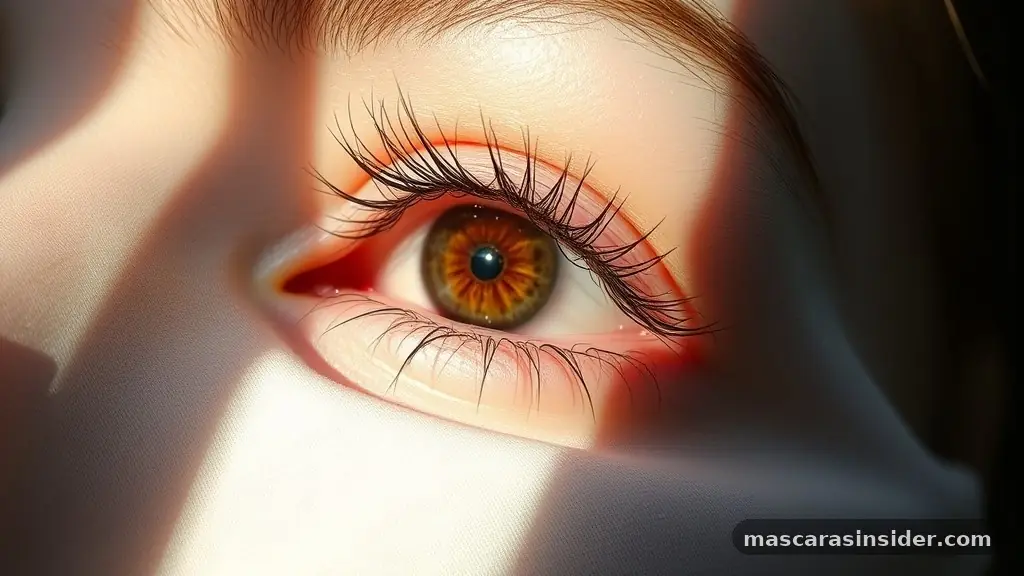
When you leave mascara on while sleeping, you are essentially encasing your delicate lashes in a rigid, drying shell. Mascara formulas are designed to set, and once they dry, they lose the flexibility they had during the day. As you toss and turn on your pillow, these hardened lashes are subjected to friction.
Because they are stiffened by the product, they lose their natural ability to bend and move, which leads to increased breakage. You might notice more lashes on your pillowcase or stuck to your skin when you wake up, a direct result of that structural stress.
Beyond the immediate risk of breakage, there is the issue of long-term follicle health. Your lashes grow from follicles that require a clean environment to function properly. When you fail to remove mascara before bed, the product can migrate down toward the lash line, potentially blocking the tiny openings where these hairs emerge.
Over time, this buildup can weaken the hair shaft, leading to thinner, more brittle lashes that struggle to grow to their full potential. The cumulative effect of this nightly habit often manifests as sparse, lackluster fringe that no amount of expensive serum can easily fix.
Microscopic Irritation and Eye Health
The skin around your eyes is the thinnest and most sensitive on your entire body. When you introduce foreign substances like mascara particles into this area for an extended period, you create a breeding ground for irritation.
As you sleep, small flakes of dried mascara can crumble and migrate into the tear film of your eye. This is not just a nuisance; it is a primary cause of mechanical irritation that can lead to redness, tearing, and a gritty feeling upon waking.
Chronic exposure to these particles can eventually trigger more severe issues, such as contact dermatitis or inflammation of the eyelid margins, known as blepharitis. The eyes are constantly trying to protect themselves, and when they are forced to deal with cosmetic debris for eight hours straight, the natural defense mechanisms become overwhelmed.
If you find yourself waking up with bloodshot or puffy eyes, your nighttime beauty routine—or the lack thereof—is often the culprit. According to the American Academy of Ophthalmology, proper removal of eye makeup is essential for maintaining ocular surface health and preventing infections.
Clogged Pores and Skin Congestion
While most people associate mascara specifically with the lashes, the reality is that it rarely stays isolated to the hair. During the night, oils from your skin and the natural movement of your face cause the product to smear onto the delicate skin surrounding the eyes.
This creates a barrier that prevents your skin from breathing, effectively trapping dead skin cells and natural sebum against the surface. When your pores are clogged by this mixture of makeup and oil, the risk of developing small, stubborn bumps or even milia increases significantly.
Furthermore, the skin around the eyes is prone to developing congestion that mirrors the issues found on the rest of the face. If you are also leaving foundation or other products on, the cumulative effect of these clogged pores can lead to persistent breakouts or rough texture.
The skin undergoes a vital repair process while you sleep, shedding dead cells and regenerating. By leaving a film of makeup on, you are essentially putting a lid on this renewal process, forcing your skin to work against the very products that are meant to enhance your appearance.
The Risk of Bacterial Proliferation
Mascara is a unique beauty product because it is a liquid, dark, and warm environment—the perfect conditions for bacteria to thrive. Once you open a tube, you are introducing air and skin bacteria into the formula every time you pump the wand.
When you leave this product on your lashes overnight, you are essentially leaving a breeding ground for microbes right against your sensitive eye tissue. This significantly increases the risk of developing a stye or a localized infection, which can be both painful and unsightly.
Bacterial growth is accelerated when the product is not properly cleansed away, as the remnants mix with your natural eye secretions. This creates a sticky, nutrient-rich environment that pathogens love.
If you have ever experienced a sudden, unexplained bump on your eyelid, you have likely encountered the result of trapped debris and bacterial overgrowth. Preventing these infections is almost entirely dependent on your commitment to removing makeup every single night, regardless of how exhausted you feel.
Impact on Your Natural Lash Growth Cycle
Your eyelashes operate on a specific growth cycle, consisting of growth, transition, and resting phases. This process is delicate and can be easily disrupted by external factors.
When you constantly coat your lashes in heavy, drying mascara and fail to remove it, you are interfering with the natural shedding and regrowth cycle. The weight and rigidity of the mascara can cause lashes to fall out prematurely, meaning they never reach their full length or density.
Think of your lashes like any other hair on your body; they need to be kept clean and free from residue to remain healthy. If you are trying to grow longer, fuller lashes, the most important step is not necessarily a costly treatment, but rather the consistent removal of makeup.
By allowing your lashes to be “naked” while you sleep, you provide them with the necessary downtime to recover from the day’s wear and tear. This simple act of hygiene is the foundation of any effective lash care strategy.
Comparative Analysis of Makeup Retention
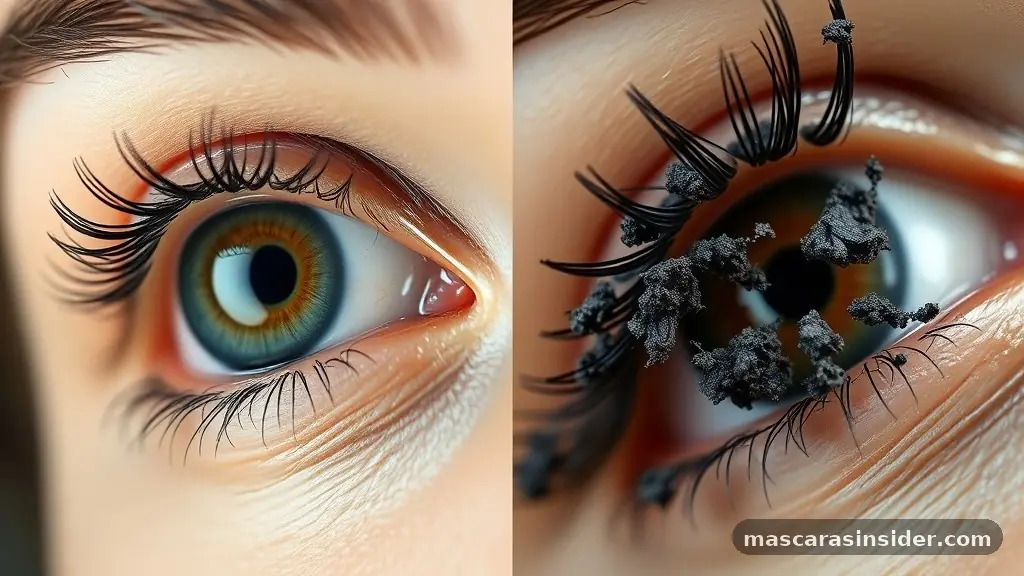
To understand the severity of sleeping in makeup, it is helpful to look at how different products interact with the skin and hair overnight. Not all makeup poses the same level of risk, though none are beneficial for your skin’s nocturnal recovery.
| Product Type | Primary Risk Factor | Impact on Skin/Hair |
|---|---|---|
| Mascara | Mechanical/Bacterial | Lash breakage and eye irritation |
| Foundation | Pore Congestion | Acne and dull complexion |
| Lipstick | Dehydration | Chapped, flaky skin |
| Eyeliner | Duct Blockage | Styes and inflammation |
As the table demonstrates, mascara presents a unique set of risks that combine physical structural damage to the hair with the potential for ocular infection. While foundation primarily affects the skin’s surface, mascara impacts both the hair follicles and the delicate eye surface, making it one of the most critical products to remove before bed.
Addressing Topical Gaps: The “Nap” Myth
A common misconception is that short-term contact, such as a quick afternoon nap, is harmless. However, the skin and eyes do not differentiate between a full night’s sleep and a thirty-minute snooze.
If you are prone to skin sensitivity, even a short period with mascara on can lead to redness or a localized reaction. The eyes are particularly reactive to any product that migrates into the tear film, regardless of how long you have been asleep.
Furthermore, if you nap with your face pressed into a pillow, you are physically pushing the mascara particles into your pores and lash follicles. This pressure can cause a more intense transfer of the product than simply sitting upright.
If you must nap, it is always safer to take a moment to wipe away the eye makeup, even if you don’t perform a full face cleanse. Your eyes will thank you for the lack of irritation, and you will wake up feeling refreshed rather than gritty and puffy.
The Importance of Proper Cleansing Techniques
Knowing that you should remove your mascara is only half the battle; knowing how to do it correctly is equally important. Many people use harsh scrubbing motions, which can be just as damaging as leaving the product on.
The skin around the eye is incredibly thin, and aggressive rubbing can lead to premature wrinkles and sagging. Instead, opt for a gentle, oil-based cleanser or a dedicated makeup remover that breaks down the wax and pigments in the mascara.
* Use a soft cotton pad or a reusable microfiber cloth for minimal friction.
* Saturate the pad with remover and hold it against your closed eyelid for 15-20 seconds.
* Gently swipe downward, following the natural direction of your lash growth.
* Avoid back-and-forth scrubbing that can cause lash loss and skin stretching.
* Follow up with a mild foaming cleanser to remove any oily residue.
By adopting a gentle technique, you ensure that you are not trading one problem (makeup buildup) for another (physical trauma to the skin). Consistency is the key to maintaining a youthful eye area and healthy, long lashes.
Long-Term Consequences of Neglect
If you make a habit of sleeping in your makeup, you are setting yourself up for a cumulative decline in skin and lash health. Over months and years, the lack of proper cleansing can lead to permanent structural changes.
For instance, chronic inflammation of the eyelids can cause the glands that produce natural oils for your eyes to become blocked or atrophy. This can lead to persistent dry eye, a condition that is difficult to reverse and requires ongoing medical management.
On the skin side, the constant presence of particles and oils leads to a dull, uneven complexion. Your skin’s natural exfoliation cycle is impaired, leading to a buildup of dead cells that make you look older and more tired.
The skin loses its natural glow and becomes more susceptible to fine lines, as the environment is not conducive to the repair of collagen and elastin fibers. Neglecting your nightly routine is a slow-burn strategy for accelerated aging that affects both your appearance and your comfort.
Building a Sustainable Nightly Routine
The best way to avoid the dangers of sleeping in mascara is to make removal so easy that you never have an excuse to skip it. Keep your makeup remover right next to your bed if you find that you often fall asleep before reaching the bathroom. Using a simple micellar water or a pack of gentle makeup wipes as a backup can be a lifesaver on those nights when you are truly exhausted.
Transitioning to a mindset where your evening cleanse is a form of self-care rather than a chore can change your relationship with your routine. View it as a chance to wash away the stress of the day and prepare your body for rest.
By prioritizing this small window of time, you are investing in the long-term health of your skin and eyes. Consistency is not about perfection; it is about making the right choice often enough that it becomes your default behavior.
FAQ
Is it bad to leave mascara on for one night?
While one night is unlikely to cause permanent damage, it can still lead to immediate issues like eye irritation, lash breakage, and clogged pores. It disrupts your skin’s natural repair cycle and increases the risk of developing a stye or other bacterial infections due to trapped debris.
Are eyelashes healthier without mascara?
Yes, eyelashes are generally healthier when they have time to breathe and recover. Mascara is a cosmetic product that can be drying and heavy; removing it every night allows the follicles to function properly and prevents the structural damage that leads to brittle, thin, or prematurely shedding lashes.
Is it okay to nap with mascara on?
It is generally discouraged, even for short naps. When you nap, you often press your face against pillows, which forces mascara particles into your pores and eye tissue. This can cause the same irritation, redness, and potential for bacterial growth as sleeping in it overnight, so cleansing is always better.
What happens if you never take your mascara off?
If you consistently fail to remove mascara, you risk chronic conditions like blepharitis, permanent lash thinning, and dull, congested skin. The cumulative buildup of product and bacteria can lead to recurring infections, styes, and a loss of natural lash density that becomes increasingly difficult to treat over time.
Conclusion
Understanding what happens if you sleep with mascara on reveals that this simple habit carries significant consequences for your long-term health. From the mechanical stress on your lashes that leads to breakage to the increased risk of bacterial infections and skin congestion, the risks are clear. By choosing to remove your makeup every night, you are protecting your delicate eye area and supporting your natural beauty.
Implementing a gentle, consistent cleansing routine is a small but powerful step toward maintaining healthy, vibrant skin and strong, full lashes. Take a moment tonight to clear your face, and your eyes will certainly thank you tomorrow morning.