

Learning how do you remove waterproof mascara without causing irritation or lash damage is a vital skill for anyone who enjoys long-lasting eye makeup. Waterproof formulas are specifically engineered to resist moisture, sweat, and tears, which is fantastic for durability but often leaves your lashes feeling brittle and stubborn when it is time to cleanse.
If you yank or pull at your eyes, you risk breaking delicate hairs and irritating the sensitive skin around your orbital bone. By using the right techniques and products, you can dissolve these heavy-duty polymers effectively, ensuring your eyes stay healthy and your lashes remain soft and intact.
The Science Behind Waterproof Formulas
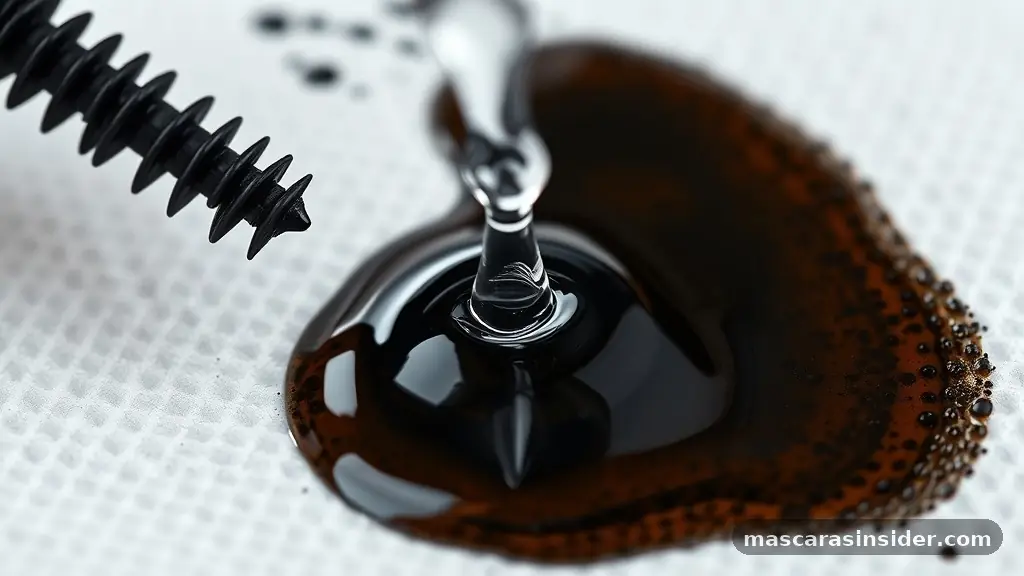
To understand how do you remove waterproof mascara effectively, you first need to understand what makes it stay put. Most waterproof products rely on non-water-soluble ingredients like synthetic waxes, silicones, and volatile solvents.
These components create a physical shield around each hair, repelling water to prevent smudging. Because these ingredients are hydrophobic, simply splashing your face with water or using a standard foaming face wash will rarely suffice.
The key to breaking this bond is the principle of “like dissolves like.” Since the mascara is oil-resistant and wax-based, you need an oil-based or bi-phase solvent to break down the formula.
When you apply an oil-based substance, it softens the wax, allowing the pigment to slide off the lash without requiring aggressive scrubbing. This process is essential for maintaining the health of your eyelashes and preventing premature fallout.
Choosing the Right Makeup Remover
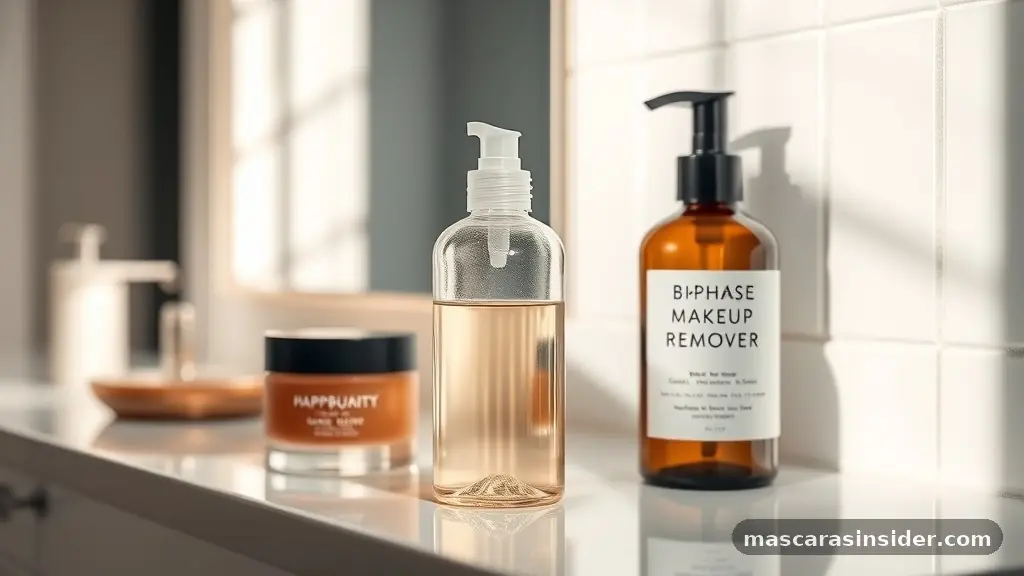
Not all products are created equal when it comes to eye makeup. When you are looking for the best way to remove waterproof mascara, you should prioritize specialized removers. A bi-phase makeup remover is often the gold standard.
These products consist of two distinct layers—an oil phase and a water phase—that you shake together before use. The oil component works to dissolve the stubborn waxes, while the water phase helps lift away the residue, leaving the area feeling refreshed rather than greasy.
If you have particularly sensitive skin, look for fragrance-free, ophthalmologist-tested formulas. You should avoid harsh chemicals or high concentrations of alcohol, which can strip the skin of its natural moisture and cause stinging. Investing in a high-quality product designed specifically for the eye area is a form of long-term skincare that pays off in the health of your lashes.
The Proper Technique for Minimal Friction
The actual method of application is just as important as the product you choose. Many people make the mistake of rubbing their eyes back and forth, which is the fastest way to cause lash breakage. Instead, soak a cotton pad thoroughly with your chosen remover.
Press the pad gently against your closed eyelid and hold it there for thirty to sixty seconds. This “soak time” is crucial; it gives the oil enough time to penetrate the layers of mascara so they soften completely.
Once the time is up, gently wipe downward following the natural direction of your lashes. If you notice any remaining pigment, resist the urge to scrub.
Simply repeat the soaking process with a clean, saturated pad. By taking your time, you ensure that every trace of product is removed without subjecting your eyes to unnecessary mechanical stress.
Using Micellar Water Effectively
Micellar water has become a staple in many routines, but not all versions are strong enough for heavy-duty waterproof makeup. If you prefer this approach, ensure you are using a formula specifically labeled for “waterproof” or “long-wear” makeup. These versions usually contain a higher concentration of emollients or oils to handle the stubborn polymers found in waterproof formulas.
When using micellar water, the technique remains the same: saturation is key. If you use a dry or barely damp pad, you will end up dragging the cotton across your eyelids, which leads to irritation. Make sure the pad is dripping wet.
Hold it over the eye, let the micelles lift the impurities, and then swipe away. This gentle approach is excellent for those who want a quick, efficient cleanse without the heavy oily residue left by traditional biphasic removers.
Natural Oil Alternatives
If you find yourself out of product, you might wonder how do you remove waterproof mascara using items already in your kitchen. Oils like jojoba, sweet almond, or even high-quality fractionated coconut oil can be effective solvents for wax-based makeup. These natural oils are generally well-tolerated by the skin and can even act as a conditioning treatment for your lashes.
To use this method, apply a small amount of oil to your fingertips or a clean cotton pad. Massage the oil into your lashes using very light, circular motions. You will feel the mascara start to break down and loosen.
After the mascara has turned into a smudge, wipe it away with a soft, damp cloth. Always follow up with a gentle face wash to remove any excess oil, as leaving it on the skin can sometimes clog pores or cause minor breakouts in acne-prone individuals.
Comparing Removal Methods
Different approaches work better for different lifestyles and skin types. The following table provides a quick comparison of the most common ways to handle this task.
| Method | Pros | Cons |
|---|---|---|
| Bi-Phase Remover | Highly effective; dissolves wax quickly | Can leave a temporary oily film |
| Micellar Water | Non-greasy; very gentle on skin | Requires more soaking time for heavy layers |
| Natural Oils | Natural ingredients; conditions lashes | Can be messy; requires double-cleansing |
Preventing Lash Damage
Your lashes are delicate, and constant tugging will inevitably lead to thinning. Beyond the actual removal process, consider the health of your lashes throughout the day. Avoid curling your lashes after applying waterproof mascara, as the formula makes them stiff, and clamping down with a metal curler can snap them instantly.
Furthermore, do not sleep in your makeup. Even if you are exhausted, taking the time to cleanse your eyes is non-negotiable.
Sleeping with stiff, coated lashes can cause them to rub against your pillow and break. If you notice your lashes looking sparse, you might consider incorporating a lash serum into your night routine, applied after your eyes are completely clean and dry, to support growth and resilience.
Common Mistakes to Avoid
Many people accidentally compromise their eye health by using the wrong tools or rushing the process. One frequent error is using tissues to remove mascara.
Tissues are often abrasive and can leave tiny fibers in your eyes, which cause redness and inflammation. Always use smooth, high-quality cotton pads or reusable microfiber rounds that are soft enough for the delicate skin of the eyelids.
Another mistake is using too much pressure. If you feel like you have to push hard to get the product off, your remover is likely not strong enough, or you aren’t letting it soak long enough.
Patience is your best asset here. If you are struggling with a particularly stubborn brand, consider switching to a tubing mascara for daily wear, which comes off easily with warm water and gentle pressure, saving your waterproof formulas for special occasions like weddings or beach days.
The Double Cleansing Approach
If you wear a full face of makeup, the double-cleansing method is highly recommended. Start by using an oil-based cleanser or cleansing balm to break down the waterproof mascara and your foundation.
Massage the balm into dry skin, paying extra attention to the lash line. This initial step effectively lifts all oil-soluble impurities.
After rinsing away the oil, follow up with a water-based cleanser. This second step removes any lingering traces of the oil, makeup residue, and surface dirt.
This ensures your pores stay clear and your eyes are completely free of product. This two-step process is the most thorough way to cleanse and is widely considered the best practice for maintaining clear, healthy skin while effectively managing heavy eye makeup.
Addressing Topical Gaps
A common question is whether you can remove waterproof mascara with just soap and water. The short answer is no; soap is designed to break down dirt and oil, but it is not formulated to dissolve the specific synthetic waxes and polymers used in waterproof eye products. Attempting to do so usually requires significant scrubbing, which damages the skin and lashes.
Another point of confusion is whether you should use the same product for your face and your eyes. While some all-in-one cleansers are gentle, they are often not potent enough to dissolve waterproof eye makeup.
It is almost always better to use a dedicated eye makeup remover for the lash line and a standard cleanser for the rest of your face. This prevents you from having to rub your delicate eye area with a product that might be too harsh or ineffective for the task.
FAQ
How long should I hold the cotton pad on my eye?
You should hold the soaked pad against your closed eyelid for at least thirty to sixty seconds. This allows the oil in the remover to fully break down the waterproof waxes, making it easy to wipe away the mascara without needing to scrub or pull at your lashes.
Can I use baby oil to remove waterproof mascara?
Yes, mineral-based baby oil is effective at dissolving waterproof mascara because it is an oil-based solvent. However, be very careful to keep it out of your eyes, as it can cause temporary blurriness and may be too heavy for some people’s skin, potentially leading to milia.
Why do my eyes feel irritated after removing my makeup?
Irritation is usually caused by excessive rubbing or using a product that contains harsh ingredients like alcohol or artificial fragrances. To fix this, switch to a gentler, oil-based remover, use softer cotton pads, and ensure you are letting the product do the work instead of your fingers.
Does waterproof mascara cause lash loss?
Waterproof mascara itself does not cause lash loss, but the act of removing it improperly does. If you forcefully pull, tug, or scrub your lashes to get the dried product off, you will inevitably cause breakage and premature shedding. Always prioritize a gentle, slow removal process.
Conclusion
Mastering how do you remove waterproof mascara is a simple but essential step in maintaining your eye health and ensuring your lashes stay strong. By choosing the right oil-based or bi-phase remover and embracing the soak-and-wipe technique, you eliminate the need for harsh friction. Remember to treat your eye area with the same care you give your skin, prioritizing gentle movements and high-quality products.
With these habits, you can enjoy the benefits of long-lasting makeup without the worry of damage. If you find your current routine still leaves your lashes feeling brittle, try switching to a more hydrating remover or incorporating a lash conditioner into your evening regimen. Consistent, gentle care is the secret to beautiful, healthy eyes.