
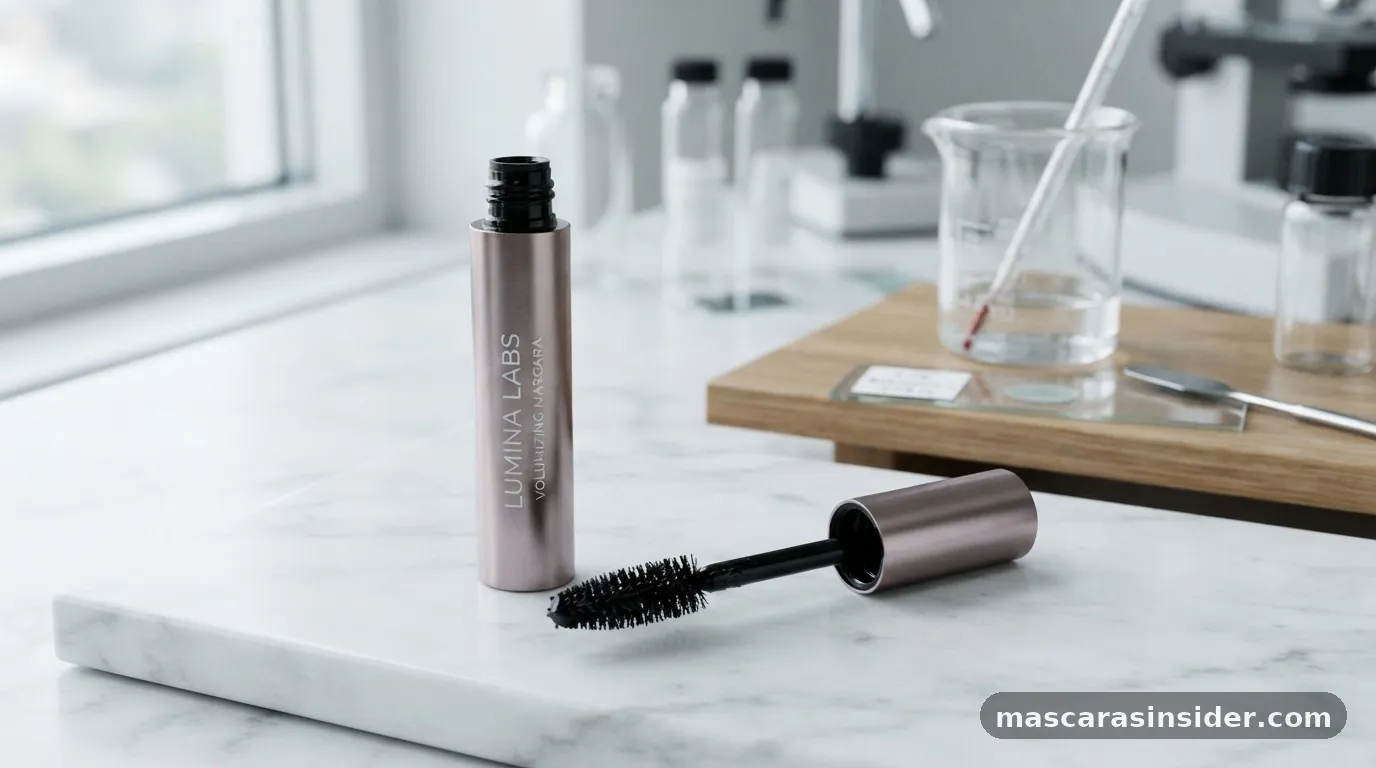
Most people treat their beauty products as permanent fixtures in their vanity, but knowing exactly how long mascara lasts is a critical component of maintaining eye health. Unlike powder eyeshadows that can linger for years, mascara is a liquid-based cosmetic that creates a prime environment for microorganisms.
Generally, a tube of mascara should be replaced every three months. If you notice the texture changing or the scent turning sour before that window closes, it is time to discard the product immediately.
The Science of Mascara Expiration
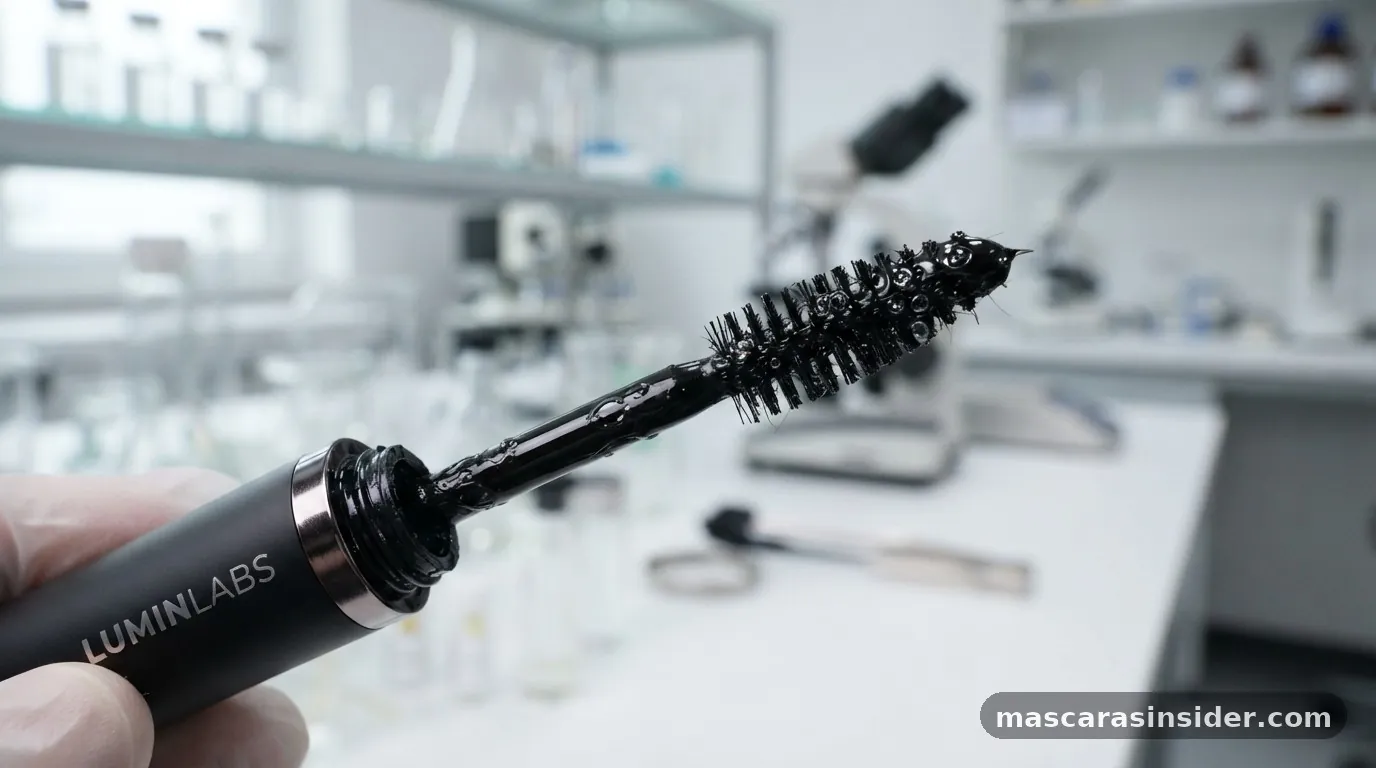
Mascara expires quickly because the wand acts as a shuttle for bacteria from your eye area back into the tube. Every time you pull the brush out and push it back in, you introduce air, moisture, and skin cells into the formula.
This process creates a breeding ground for bacterial growth, which thrives in the dark, damp, and nutrient-rich environment of a closed container. While manufacturers include preservatives to keep the product stable, these chemicals eventually break down, leaving your eyes vulnerable to infection.
When you use a product past its recommended lifespan, you aren’t just dealing with a clumpy application. You are essentially painting your lashes with a concentrated culture of microbes. The preservatives that keep the formula liquid for the first few weeks eventually lose their efficacy.
Once the chemical balance shifts, the liquid becomes a vector for pathogens. Even if the product looks fine, the microscopic reality inside the container can be quite different. It is vital to recognize that the three-month rule is not a marketing ploy to get you to buy more; it is a safety guideline designed to prevent ocular complications.
Signs Your Mascara Has Gone Bad
A tube of mascara that has expired often displays clear physical changes that you can detect without a microscope. The most common indicator is a shift in consistency; the formula may become thick, clumpy, or stringy rather than smooth and fluid.
If you find yourself adding water or oil to “revive” an old tube, you are actively diluting the preservatives and accelerating the growth of harmful agents. Never attempt to extend the life of a product that has clearly begun to degrade, as this significantly increases your risk of irritation.
Another sensory indicator is the smell. Fresh cosmetic formulas have a mild, chemically neutral, or slightly waxy scent. If your tube emits an acrid, sour, or “off” odor, the chemical structure has likely been compromised by contamination.
Furthermore, if you notice your eyes feeling itchy, watery, or red shortly after application, stop using that specific item immediately. The eyes are incredibly sensitive, and introducing degraded ingredients can lead to conditions like blepharitis, an inflammation of the eyelid that causes swelling, crusting, and discomfort.
How to identify a compromised tube
1. Check the texture for excessive clumping or “stringiness” that wasn’t there when the product was new. 2. Smell the wand; a sharp or vinegar-like scent is a major red flag. 3. Observe the formula’s color; if it has separated into distinct layers or changed hue, discard it. 4. Note any changes in your eye comfort, such as persistent dryness or stinging during or after application.
Storage Habits and Longevity
How you store your beauty supplies significantly impacts the lifespan of your cosmetics. Many people keep their makeup in a bathroom vanity, which is often the worst possible environment for a liquid formula. The fluctuations in temperature and the high humidity levels typical of a bathroom accelerate the breakdown of the product.
Instead, store your makeup in a cool, dry place away from direct sunlight. Heat can degrade the chemical stabilizers in the formula, causing the product to dry out much faster than the standard three-month window.
Avoid the common habit of “pumping” the wand into the tube. Many users do this hoping to pick up more product, but this action forces air into the chamber. Oxygen is the enemy of a shelf-stable liquid; it promotes oxidation and dries out the ingredients prematurely.
Instead, swirl the wand gently against the sides of the tube to coat the bristles. By limiting the amount of air introduced, you preserve the integrity of the formula for as long as possible.
| Factor | Effect on Mascara Longevity |
|---|---|
| Pumping the wand | Introduces air, causes premature drying |
| Bathroom storage | Humidity and heat degrade preservatives |
| Sharing with others | High risk of cross-contamination |
| Daily use | Faster depletion and increased bacterial exposure |
The Risks of Sharing Makeup
Sharing beauty products is a primary cause of eye infections and skin issues. Even if you trust the person you are sharing with, you are essentially introducing a foreign set of bacteria into your own personal supply. Every individual carries a unique microbiome on their skin and around their eyes.
When you share a wand, you are transferring those organisms into a nutrient-dense environment where they can multiply rapidly. This is particularly dangerous if one person happens to be carrying an asymptomatic infection.
If you are a professional makeup artist or simply someone who enjoys experimenting with friends, always use disposable applicators. Never dip a used wand back into a communal tube.
By maintaining strict hygiene boundaries, you ensure that your good products stay safe for the duration of their intended life. If you do accidentally share your makeup, the safest course of action is to replace the tube, as there is no way to sterilize the interior of the container once it has been exposed to outside contaminants.
Addressing Topical Gaps: Unopened vs. Opened Products
A frequent question involves the shelf life of a product that has never been opened. It is common to find a sealed tube in the back of a drawer and wonder if it is still safe to use.
According to the Food and Drug Administration guidance on cosmetic safety, shelf life depends on storage conditions, but generally, an unopened, properly stored tube of mascara can remain stable for up to two or three years. However, once the seal is broken, the clock starts ticking at the three-month mark.
The primary difference lies in the exposure to air and microorganisms. Before the seal is broken, the interior is sterile or near-sterile. Once you unscrew the cap, you introduce oxygen and environmental contaminants.
Therefore, it is helpful to write the date of opening on the bottom of the tube with a permanent marker. This simple step removes the guesswork and ensures you aren’t holding onto a product that has exceeded its safe usage period. If you find a tube that has been sitting for several years, even if it is unopened, it is safer to discard it, as the chemical preservatives may have lost their potency over time.
How Daily Usage Affects Replacement Cycles
The frequency of your application directly correlates to how quickly the product will reach the end of its life. If you apply makeup daily, you are exposing the wand to your eyes and the tube to the air significantly more often than someone who only wears it for special occasions.
With daily use, the formula is depleted faster, and the accumulation of debris on the wand happens at an accelerated rate. For heavy users, you might find that the quality of the application drops after just eight or ten weeks.
Don’t ignore the performance of the product just because you haven’t hit the three-month mark yet. If the application is no longer smooth or if the formula is causing irritation, the product has reached its end. You should prioritize eye health over the cost of the item.
Replacing your makeup is a small price to pay compared to the cost of treating an infection like conjunctivitis. By keeping a mental or physical note of when you started using your current tube, you can better manage your beauty budget and keep your routine optimized for safety.
Frequently Asked Questions
Does waterproof mascara last longer?
Waterproof formulas are often more resistant to moisture, but they are not immune to bacterial growth. They still contain preservatives that break down over time. You should still replace waterproof mascara every three months to ensure the safety and hygiene of your eye area.
Can I use saline solution to fix dry mascara?
It is not recommended. Adding saline or other liquids to a tube of mascara can alter the chemical composition of the formula, potentially deactivating the preservatives. This creates an environment where bacteria can thrive, significantly increasing the risk of infection. Always replace a dried-out tube instead.
What are the consequences of using expired mascara?
Using expired mascara can lead to eye infections such as pink eye or blepharitis. Symptoms include redness, itching, swelling, and discharge. Because the preservatives have expired, the product can no longer fight off the bacteria introduced by the wand, putting your vision and eye health at risk.
How can I tell if my mascara is expired if it still looks fine?
Even if the product looks normal, the chemical preservatives may have degraded. If you have been using the tube for more than three months, it is time to replace it. Always rely on the date of opening rather than just the physical appearance of the formula.