

Many of us have experienced the exhaustion that makes hitting the pillow without a proper cleansing routine seem tempting. If you find yourself wondering if it is bad to sleep with mascara on, the short answer is yes. Beyond the mess it creates on your pillowcase, leaving eye makeup on overnight disrupts the health of your delicate eyelid skin and eyelashes.
While skipping your nightly wash once in a blue moon might feel like a minor lapse in judgment, making a habit of it introduces significant risks to your ocular health. Understanding why this nightly ritual is essential helps you protect your vision and maintain the longevity of your lashes.
The Biological Impact on Your Eyelashes
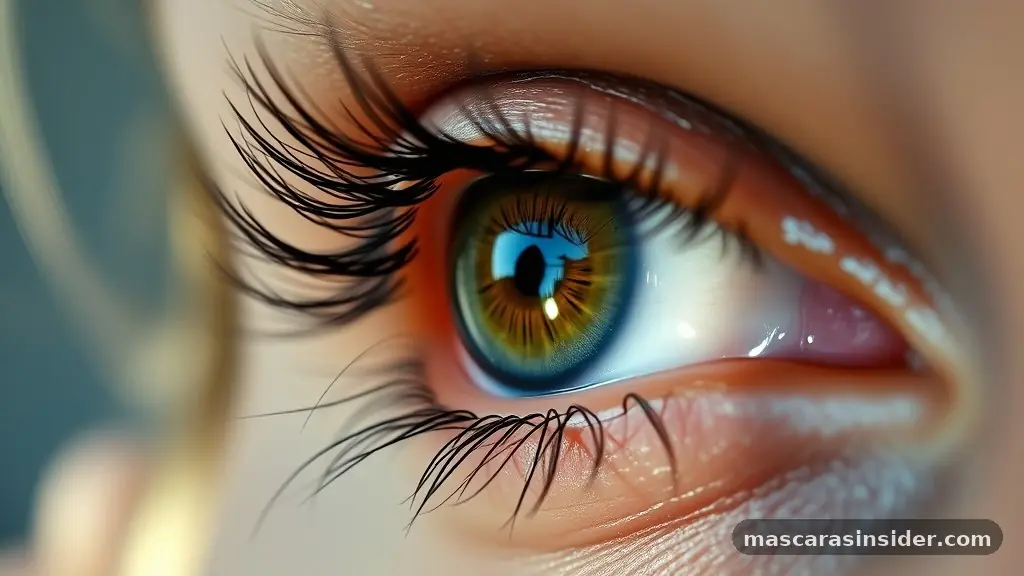
When you leave mascara on your eyelashes overnight, you are essentially coating them in a hardening substance that prevents them from moving naturally. Eyelashes are not just for aesthetic appeal; they serve a vital biological function by protecting your eyes from debris, dust, and sweat.
When mascara dries, it becomes brittle, making your lashes stiff and prone to breakage. Every time you toss and turn in your sleep, those stiffened lashes rub against your pillow, which can lead to premature shedding or snapping.
Over time, this mechanical stress weakens the hair follicle. If you consistently fail to remove your eye makeup, you might notice your lashes becoming thinner or shorter. Because lashes have a growth cycle, constant trauma from dried-out product can interrupt this cycle, leading to sparse lash lines.
Think of it like leaving hairspray in your hair every single night; eventually, the hair becomes dry, brittle, and damaged. By removing the product, you allow your lashes to rest, recover, and stay flexible, which is crucial for maintaining their natural volume and strength.
Risk of Eye Irritation and Infection
The skin around your eyes is the thinnest on your body, making it incredibly sensitive to the chemicals and pigments found in cosmetics. When you leave eye makeup on, there is a high probability that small flakes of dried product will migrate into the eye itself.
This foreign matter can cause significant irritation, redness, and a gritty sensation. In more severe cases, the ingredients in the mascara—such as preservatives or waxes—can trigger allergic reactions or contact dermatitis on the eyelids.
Beyond simple irritation, sleeping with makeup increases the risk of bacterial growth. Mascara wands and tubes are notorious for harboring bacteria, especially if they have been open for more than three months. By applying this product and then failing to remove it, you are effectively trapping those bacteria against your eyes for eight hours or more.
This creates a prime environment for conditions like conjunctivitis or styes. A stye is a painful, red lump that forms near the edge of the eyelid, often caused by an infected oil gland.
If you notice persistent redness or swelling, it is often a direct result of improper hygiene. You can find more information on common eye health concerns through the American Academy of Ophthalmology to better understand how to maintain ocular safety.
Clogged Pores and Skin Health
While we often focus on the lashes themselves, we must not forget that the skin surrounding the eye contains tiny pores and oil glands. When you neglect to remove your makeup, these pores become clogged with a mixture of pigment, wax, and the natural oils your skin produces overnight.
Clogged pores in the delicate eye area can lead to the formation of small, stubborn bumps known as milia. These are tiny cysts that often require professional intervention to remove, as they do not respond to standard acne treatments.
Furthermore, leaving makeup on prevents your skin from performing its natural repair process. At night, your skin cells turn over and regenerate; layers of product create a barrier that interferes with this cycle. This can lead to dullness, uneven texture, and premature signs of aging.
Over time, the lack of proper cleansing can contribute to dark circles and puffiness, as the skin struggles to breathe and recover from the day’s environmental stressors. If you are prone to acne, extending your makeup wear into your sleep hours is a recipe for breakouts along the lash line and the upper cheekbone area where the product may migrate.
The Problem of Concretions
A less discussed but serious consequence of chronic makeup retention is the formation of concretions. These are small, hard, calcified deposits that can form under the eyelid.
When tiny particles of mascara build up over time, they can become embedded in the conjunctiva, the thin membrane that lines the inside of your eyelids. This is not just a surface-level issue; these deposits can cause chronic foreign body sensations, which feel like a permanent piece of sand is stuck in your eye.
Removing these concretions often requires a visit to an eye doctor who must manually extract them. It is a painful and entirely preventable condition. By simply committing to a thorough cleansing routine every night, you avoid the accumulation of these particles.
If you wear waterproof mascara, the risk is even higher, as these formulas are designed to resist water and oil, making them notoriously difficult to remove without a dedicated makeup remover. Failure to break down these stubborn bonds leads to the accumulation of residue that contributes to these long-term ocular issues.
Comparing Makeup Removal Methods
Not all cleansing methods are created equal, and choosing the right one is essential to ensuring you actually get the product off. Many people rely on simple face wipes, but these are often insufficient for removing long-wear or waterproof mascara. Below is a comparison of common removal techniques to help you determine which is most effective for your needs.
| Method | Pros | Cons |
|---|---|---|
| Oil-based Cleanser | Dissolves waterproof formulas easily | Can leave a greasy residue if not rinsed |
| Micellar Water | Gentle, no rinsing required | May require multiple pads for heavy makeup |
| Makeup Wipes | Convenient and portable | Can be abrasive and leave residue behind |
| Dual-Phase Remover | Excellent for stubborn pigments | Must be shaken to mix ingredients |
How to Safely Remove Eye Makeup
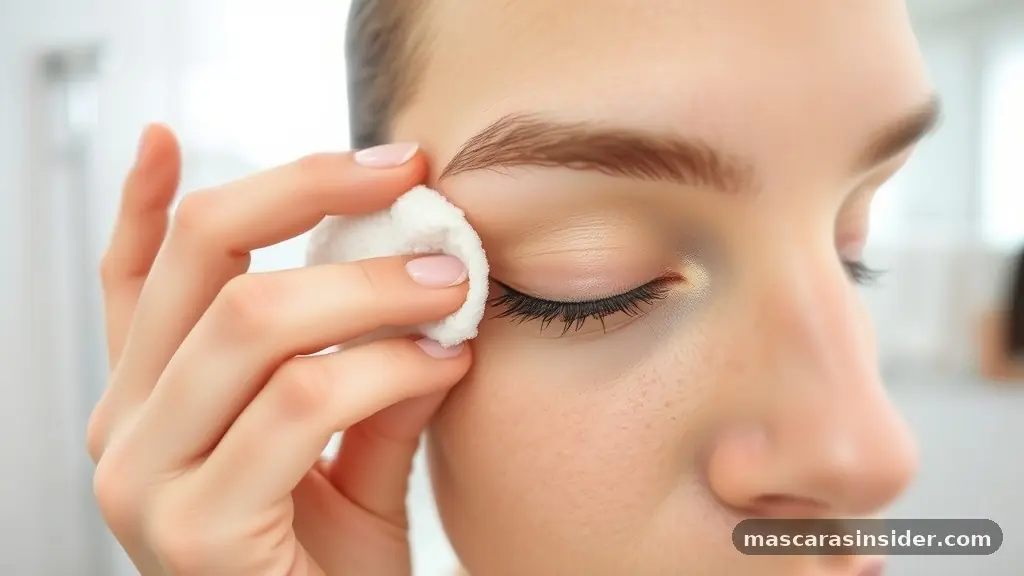
The process of removing your mascara should be gentle. Many people make the mistake of scrubbing their eyes aggressively, which is just as damaging as leaving the makeup on. Instead, you should use a technique that allows the product to dissolve before you wipe it away.
Start by saturating a cotton pad or a reusable cloth with a high-quality makeup remover. Place the pad over your closed eyelid and hold it there for at least 20 to 30 seconds.
This waiting period is crucial because it allows the solvent in the cleanser to break down the waxes and polymers in the mascara. Once the product has softened, gently glide the pad downward along the length of your lashes. Avoid pulling or tugging at the delicate skin, as this can lead to elasticity loss and fine lines.
If there is still residue between the lashes, use a clean cotton swab dipped in micellar water to carefully clear the lash line. Being thorough ensures that no pigment is left behind to migrate into the eye while you sleep.
Common Mistakes in Nightly Routine
Even those who attempt to wash their faces often fall into traps that compromise their results. One of the most common errors is using the wrong type of cleanser for the specific product they are wearing.
If you use a water-based cleanser on a heavy, waterproof mascara, you will likely spend more time rubbing your eyes to get it off, which causes mechanical damage. Always match your remover to your mascara formula to minimize the effort required.
Another mistake is failing to wash your face after using a makeup wipe. While wipes are helpful in a pinch, they often leave a film of surfactant and solubilized makeup on your skin. This film can clog pores and cause irritation throughout the night.
It is always better to follow up a wipe with a gentle, water-based face wash to ensure every trace of debris is gone. Finally, some people forget to clean their lower lash line, where mascara often migrates during the day. Failing to address the lower lashes can lead to just as much irritation as leaving it on the upper lashes.
The Long-Term Effects on Eye Health
Consistent neglect of your eye hygiene has cumulative effects that you might not notice immediately. Over months and years, the persistent irritation caused by residual makeup can lead to chronic dry eye syndrome.
When your oil glands, known as meibomian glands, become blocked by makeup debris, they cannot produce the necessary oils to keep your tears from evaporating too quickly. This results in eyes that feel constantly dry, itchy, and tired.
Furthermore, the skin around the eyes loses its ability to bounce back when it is subjected to constant inflammation. You may notice that the skin becomes thinner and more prone to discoloration.
By prioritizing the removal of your eye makeup, you are doing more than just cleaning your face; you are investing in the long-term health of your vision and the structural integrity of the skin surrounding your eyes. It is a small investment of time that prevents significant medical issues down the road.
Developing a Sustainable Nightly Habit
If you struggle to remove your makeup because you are too tired at the end of the day, consider moving your routine earlier. Many people find that washing their face as soon as they get home or immediately after dinner makes it much easier to commit to the habit.
By the time you are ready for bed, the hardest part of your self-care routine is already done. Keeping your supplies in an accessible spot, such as next to the bathroom sink or on your nightstand, also removes the friction that often leads to skipping the step.
Consider using tools that make the process more enjoyable. A high-quality silk or microfiber cloth can feel luxurious against the skin, making the process feel less like a chore and more like a spa-like wind-down. If you have a busy schedule, simplify your routine to the absolute essentials: a cleanser, a toner, and a moisturizer.
When the process is quick and effective, you are far more likely to stick with it every single night. Remember that consistency is the key to seeing results in your skin health and lash retention.
Items to Include in Your Nightly Kit
To ensure you are never left without the right tools, keep a dedicated kit for your nightly routine. Having the right products on hand makes it much harder to justify skipping the process. Here are the essentials you should keep stocked:
- A specialized oil-based or dual-phase eye makeup remover for stubborn formulas.
- Soft, lint-free cotton pads or reusable bamboo rounds.
- A gentle, pH-balanced facial cleanser to remove remaining residue.
- A soothing eye cream to hydrate the area after cleansing.
- Cotton swabs for detailed cleaning along the lash line.
By maintaining these items, you remove the excuse of not having the right supplies when you are exhausted. If you find that your eyes are particularly sensitive, look for products labeled as ophthalmologist-tested or fragrance-free to minimize the risk of reaction. Keeping your routine simple and effective is the best way to ensure you never have to worry about the negative consequences of sleeping in your makeup again.
Frequently Asked Questions
Is it okay to use face wipes if I am too tired to wash my face properly?
Using a face wipe is significantly better than leaving your mascara on, but it is not a perfect solution. If you must use a wipe, try to follow it up with a splash of water and a clean towel to remove any remaining chemical residue or dirt that the wipe may have missed.
How do I know if my mascara is causing an eye infection?
Symptoms of an eye infection include persistent redness, itching, burning, pain, or a thick discharge. If you notice any of these signs, stop using your eye makeup immediately and consult an eye doctor. Never ignore symptoms that persist for more than a day or two, as they could indicate a stye or bacterial conjunctivitis.
Does the type of mascara I use matter for overnight safety?
Yes, the formula matters. Waterproof mascaras are generally harder to remove and are more likely to cause issues if left on because they bond more tightly to the lashes. While no mascara is safe to sleep in, lightweight, water-washable formulas are generally easier to remove and less likely to cause mechanical damage to your lashes.
Should I replace my mascara regularly to prevent eye health issues?
You should replace your mascara every three months to prevent bacterial buildup. Even if the product is not finished, the wand can collect bacteria every time you use it. Keeping old mascara is a common cause of eye infections, and it is a simple habit change that can significantly improve your ocular safety.
Conclusion
Taking a few moments to remove your mascara before heading to bed is one of the simplest yet most effective ways to protect your eyes and keep your skin healthy. While the temptation to skip this step is real after a long day, the risks of irritation, infection, and long-term damage to your lashes are simply not worth the convenience. By establishing a consistent, gentle routine and keeping your supplies within reach, you can ensure that your eyes stay clear and your lashes remain strong.
Making this small commitment to your evening hygiene will pay off in the long run, allowing you to wake up feeling refreshed rather than dealing with the gritty, irritated consequences of sleeping with makeup on. Start tonight by clearing your eyes, and you will quickly see the benefits of a clean, healthy face.