
Many people find themselves questioning if tubing mascara is waterproof when they see it resisting smudges during a long, humid day. The truth is that while these products offer incredible staying power, they operate on a fundamentally different chemical level than traditional waterproof makeup.
You might be surprised to learn that their legendary resistance to smudging actually relies on a specific polymer technology that reacts to temperature rather than oil or moisture. Understanding this distinction is key to deciding whether this type of formula fits your lifestyle, especially if you are prone to watery eyes or need your makeup to hold up through a workout.
The Core Technology Behind Tubing Mascara
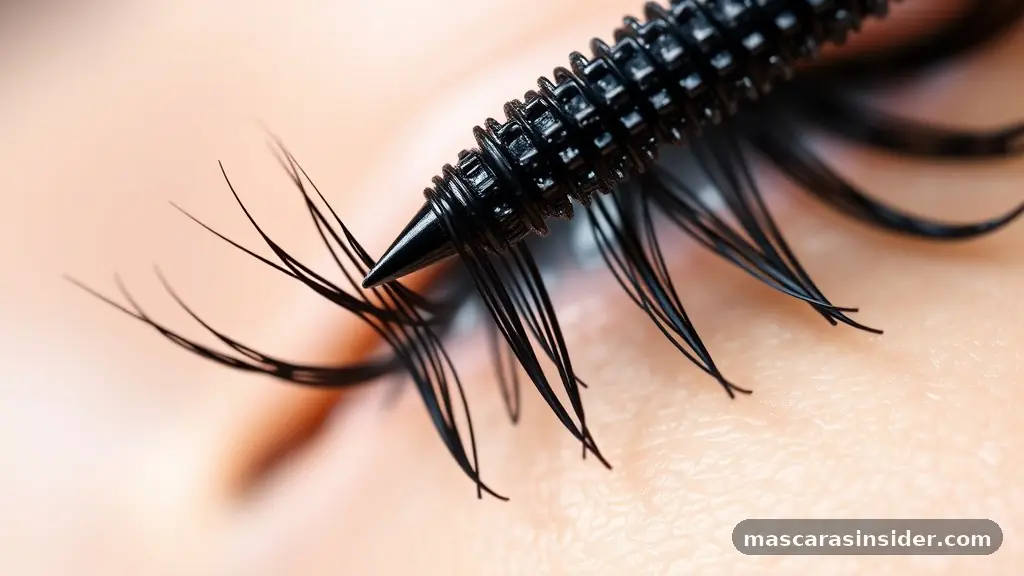
At its heart, tubing mascara is not a traditional wax-based formula. Instead of coating your lashes in thick pigments that dry hard, it uses specialized polymers that wrap around each individual lash like a tiny sleeve. Think of it as a flexible, synthetic jacket for your hair.
When you apply the product, these polymers bind to the lash and contract as they dry, creating a seamless, uniform tube. Because these tubes are physically locked onto the hair shaft, they don’t migrate, flake, or smudge the way wax-based products do.
Most regular mascaras rely on oils and waxes to build volume, which can easily break down if your skin produces natural oils throughout the day. Because tubing formulas are completely different, they avoid the “panda eye” effect that plagues so many makeup wearers.
However, this unique construction also means that the product does not technically qualify as waterproof in the traditional sense. It is better described as smudge-proof or sweat-resistant, but it lacks the heavy-duty sealants that characterize standard waterproof options.
Is Tubing Mascara Waterproof or Just Smudge-Proof?
If you are wondering specifically if tubing mascara is waterproof, the answer is a nuanced no. While it can handle a light drizzle or a bit of sweat, it is not designed for submersion.
The polymers that make up these tiny sleeves are engineered to soften and slide off when they encounter specific conditions. Specifically, they are programmed to release their grip when they meet warm water and gentle pressure.
In a pool or the ocean, the temperature and the constant agitation of the water will eventually cause those tubes to begin sliding off your lashes. You might end up with small black specks under your eyes after a swim, which is a classic sign that your mascara is losing its integrity.
If you need a product that will survive a literal dip in the water, you should stick to traditional oil-based waterproof formulas. But for daily wear, the smudge-proof nature of tubing technology is often far superior to standard options that aren’t marketed as waterproof.
How the Removal Process Differs
One of the most significant advantages of using these formulas is the ease of removal. Because the tubes are designed to slide off the lash, you do not need harsh makeup removers or vigorous rubbing that can damage your delicate eye area.
You simply soak your lashes in warm water, wait a few seconds, and gently pull or wipe the tubes away. It is a very clean process that leaves no residue behind.
This unique removal method is why many people with sensitive eyes or those who wear contact lenses prefer this style of makeup. You don’t have to worry about dissolving the product into your eyes with an oil-based cleanser.
The tubes come off in one piece, meaning you won’t have to deal with the stubborn staining that often happens with long-wear waterproof products. It is important to note that you must use warm water; cold water will not activate the polymer release, and trying to remove it without the right temperature can lead to lash breakage.
Comparing Tubing Mascara to Traditional Waterproof Formulas
To help you visualize how these products stack up against one another, it is helpful to look at their performance characteristics side by side. Traditional waterproof mascaras are designed to lock onto lashes with heavy waxes and resins, creating a barrier that is often difficult to remove. Tubing formulas, on the other hand, prioritize long-term wear and easy removal without the need for heavy scrubbing.
| Feature | Traditional Waterproof Mascara | Tubing Mascara |
|---|---|---|
| Primary Base | Waxes, Oils, Resins | Synthetic Polymers |
| Smudge Resistance | High | Very High |
| Removal Method | Oil-based cleanser | Warm water |
| Best For | Swimming, humid climates | Daily wear, oily eyelids |
As shown in the table, the choice between these two depends heavily on your specific needs. If you are going to be in the water for an extended period, the traditional waterproof formula is the safer bet. However, for everyday office wear or long events where you want to avoid smudging, the tubing formula is generally the better choice due to its gentle removal process and consistent look.
The Role of Temperature in Lash Performance
The relationship between temperature and tubing mascara is the most critical factor to keep in mind. Because the polymers are heat-sensitive, they remain completely stable in cold or room-temperature environments.
This is why the product is so effective during a long day; even if your eyelids get oily, the formula won’t react to those natural skin oils. It stays locked in place until you manually introduce the specific temperature and pressure required for removal.
If you live in a very hot climate, you might worry that the ambient temperature will cause your mascara to melt. Fortunately, standard body heat is not enough to trigger the release of the tubes.
It requires a sustained, direct application of warm water to break the bond. This makes them surprisingly resilient in high-heat environments where wax-based mascaras might become tacky or start to transfer onto the brow bone.
Common Misconceptions About Lash Health
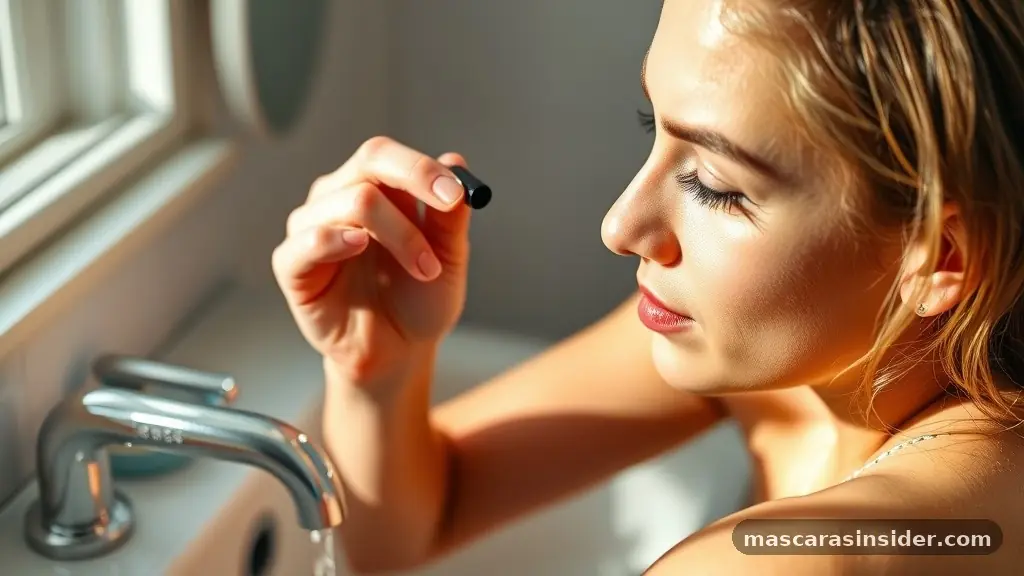
A common myth is that tubing mascara is bad for your lashes because of the “pulling” required for removal. In reality, the opposite is usually true.
Because you are removing the product with warm water rather than rubbing your eyes with cotton pads and harsh chemicals, you are actually causing less mechanical stress to your lashes. When you pull the tubes off gently, you are not pulling on the hair itself, but rather sliding the tube off the surface.
This process helps maintain the integrity of your natural lash line over time. Many people find that they experience less shedding when they switch to a tubing formula.
If you are currently seeing lashes on your cotton pad after using a traditional waterproof mascara, that is a sign of premature lash loss caused by the friction of removal. Switching to a tubing product can provide a much gentler experience that preserves the health of your eye area.
Finding the Best Formula for Your Needs
When you start searching for the perfect tube-based product, you will notice that not all brands perform the same way. Some are designed specifically for extreme volume, while others focus on a natural, defined look. You should look for keywords like “polymer-based” or “tubing” on the packaging, as many brands don’t explicitly advertise the technology even if they use it.
Reading a detailed review from someone with a similar lash type can be incredibly helpful. If you have stick-straight lashes, you might want a formula that holds a curl, which is a common challenge for tubing mascaras since they don’t have the same heavy wax content as traditional options. You can find more detailed information on how these products interact with different lash types by checking the official FDA guidance on cosmetic safety to ensure you are selecting products that meet high standards of quality and transparency.
Addressing Topical Gaps: Can You Use It With Lash Extensions?
One area where there is often confusion is whether you can use tubing mascara on lash extensions. Generally, the answer is no.
Because the removal process involves pulling the tubes off, you risk snagging the adhesive bond of your extensions, which can lead to premature shedding of your natural lashes. It is best to avoid any mascara when you have extensions, but especially formulas that rely on a physical removal process.
If you are trying to extend the life of a lash lift, however, tubing formulas can be a great choice. They are lightweight enough that they don’t weigh down the curl, and because they don’t require oil-based removal, they won’t interfere with the longevity of the lift. Just be sure to apply them sparingly to the tips of the lashes to avoid clumping, as these formulas can dry quite quickly and become difficult to layer if you take too long.
Techniques for Application and Longevity
To get the most out of your tubing mascara, you need to change your application technique slightly compared to standard formulas. Because the product dries in a specific shape, you want to ensure you get full coverage on the first or second pass. Once the tubes have formed, trying to add more layers can lead to a clumpy, uneven look that is difficult to fix without starting over.
Start at the base of your lashes and wiggle the brush upward to ensure the roots are fully coated. This creates the base for the tubes to attach to.
Avoid blinking rapidly immediately after application, as this can cause the wet product to transfer to your lid before the tubes have set. Once it is dry, it will stay in place for the entire day, resisting everything from humidity to accidental eye-rubbing.
Troubleshooting Common Issues
Even with the best products, you might run into issues like clumping or “spidery” lashes. This usually happens if the formula is getting older or if you are applying too many coats.
If you notice your mascara starting to get thick, you can add a drop or two of warm water to the tube to refresh the consistency, though this is a temporary fix. It is generally better to replace the tube every three months to keep the formula fresh.
If you find that your lashes look too thin, try using a lash primer underneath. A primer can add the volume that some tubing formulas lack, giving you the best of both worlds: the volume of a traditional mascara and the staying power of a tubing one. Just remember that once you use a primer, you may need a gentle eye makeup remover to take the primer off, which slightly negates the benefit of the easy-to-remove tubing mascara.
Frequently Asked Questions
Can you wear tubing mascara while swimming?
While tubing mascara is highly resistant to sweat and tears, it is not recommended for swimming. The polymers are designed to slide off when they encounter warm water and gentle pressure, so submersion in a pool or the ocean will likely cause the tubes to detach from your lashes.
Does tubing mascara run if you cry?
Tubing mascara is excellent for emotional moments because it does not smudge or run like traditional wax-based formulas. Even if your eyes water, the tubes will stay intact on your lashes. You would have to actively rub your eyes with warm water to get the product to come off.
What are the main disadvantages of tubing mascara?
The primary disadvantage is that it does not provide the same dramatic volume as heavy wax formulas, and it is not waterproof for swimming. Additionally, some users find the removal process strange at first, as they are not used to seeing little black “tubes” coming off their lashes in the sink.
Is tubing mascara safe for sensitive eyes?
Yes, it is generally considered one of the safest options for sensitive eyes. Because it can be removed with only warm water, you avoid the need for chemical-laden cleansers or oils that can irritate the eyes or cause blurry vision. It is also less likely to flake into your eyes during the day.
Final Thoughts on Tubing Mascara
Choosing the right mascara comes down to your personal priorities and daily routine. If you want a product that stays put through humidity, long shifts, and occasional watery eyes without the need for harsh chemicals, tubing mascara is an exceptional choice. While it isn’t technically waterproof for swimming, its unique ability to resist smudging makes it a reliable staple for almost any other situation.
By understanding how the polymers work and embracing the simple warm-water removal process, you can achieve a clean, long-lasting look that respects the health of your natural lashes. If you are tired of dealing with midday panda eyes, this technology is likely the solution you have been looking for.
Meta Description: Is tubing mascara waterproof? Discover the truth about how these polymer-based formulas work, why they resist smudging, and how to remove them safely.