
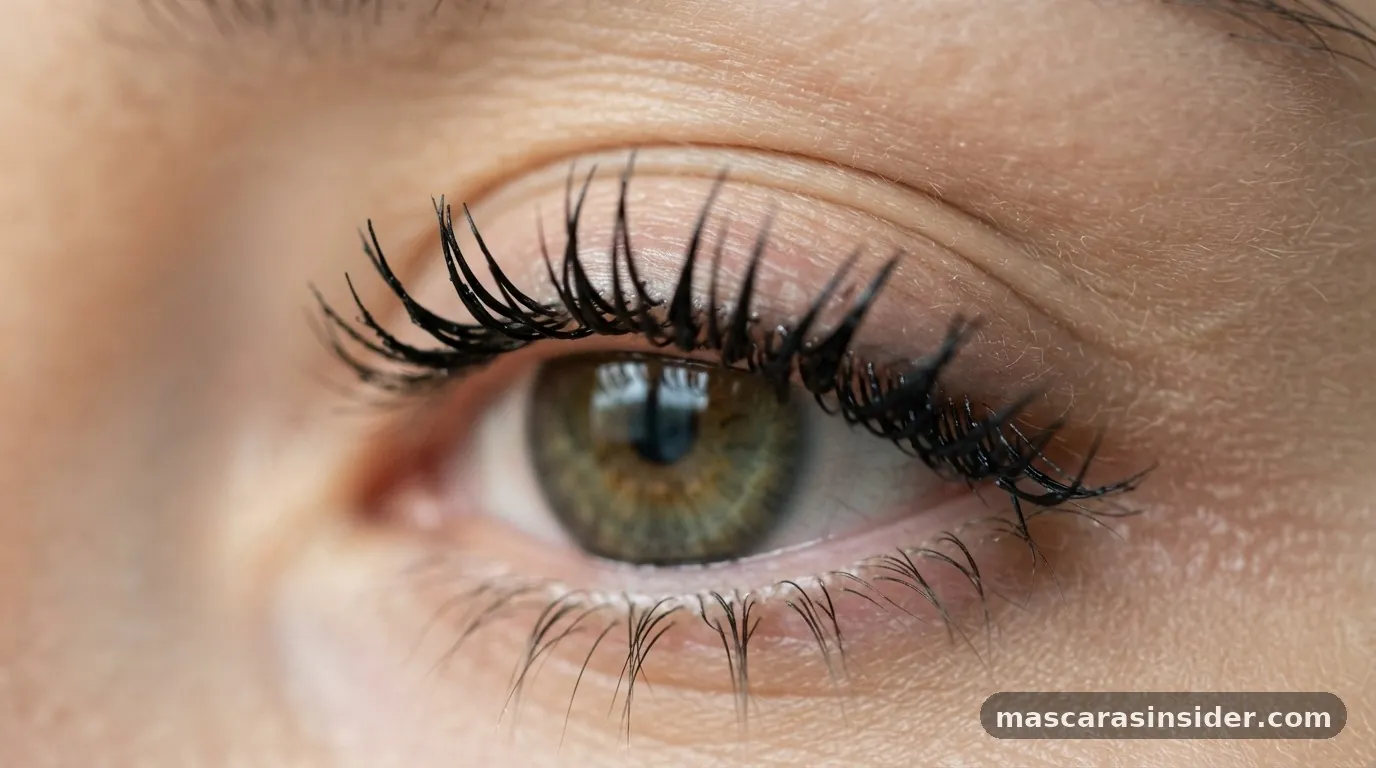
Understanding where does mascara go is the foundational step for anyone looking to achieve a polished, wide-awake look. While it might seem intuitive to simply swipe a wand across your eyes, professional makeup artistry relies on precise placement to transform the shape of the gaze and define the fringe of the lashes. Mascara is a cosmetic product designed to darken, thicken, lengthen, and define the eyelashes, acting as the final frame for your eye makeup.
Anatomy of Lash Placement and Product Distribution
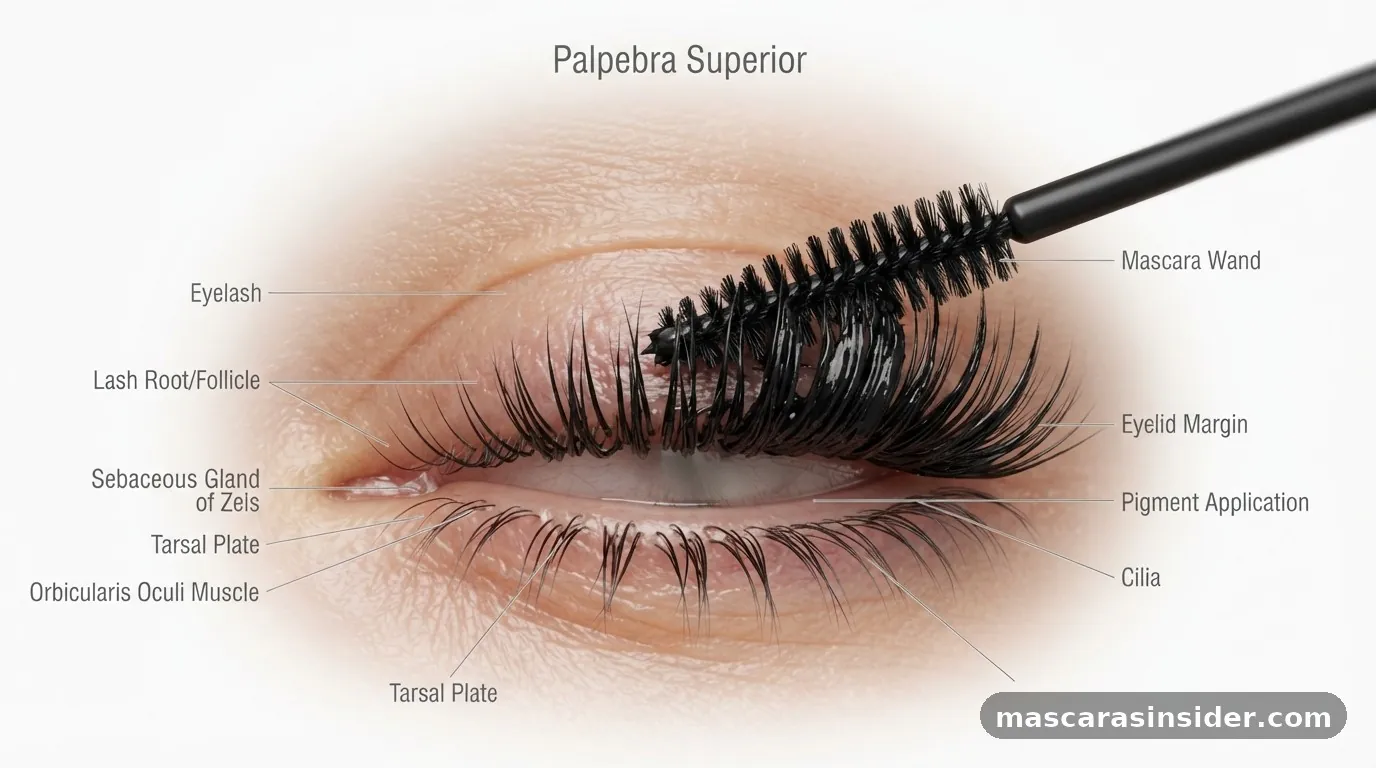
Mascara primarily goes on the upper and lower eyelashes, starting from the root and moving toward the tips to ensure even coverage. The primary purpose of applying the product at the very base of the lash line is to create the illusion of density and depth. By depositing a higher concentration of pigment at the roots, you create a natural “tightlining” effect that makes the lash line appear thicker.
Many beginners make the mistake of only coating the ends of their lashes, which often results in a weighed-down look that lacks structural integrity. Instead, think of your lashes as a canvas that requires a structural base. When you place the brush at the base, you are providing the foundation for the product to hold the curl.
This is where the lift effect originates. If you ignore the roots, you miss the opportunity to create a seamless transition from your eyeshadow or liner to the lashes themselves.
When you are working with a new formula, it is helpful to wipe excess product off the wand onto a tissue before application. This simple tip prevents the dreaded clumping that occurs when too much viscous pigment gathers on the bristles. Remember, you can always build up more layers, but removing excess clumps once they have dried on the lash is a tedious process that often requires starting your eye makeup from scratch.
Techniques for Upper vs Lower Lash Application
Where does mascara go when you want to achieve a balanced look? The application technique varies significantly depending on whether you are working on the upper or lower lid. For the upper lashes, focus on a zig-zag motion.
By wiggling the wand back and forth at the base, you ensure that every single hair is coated from all angles. This motion is essential for separating the lashes, as it combs through the fringe while depositing the black pigment.
For the lower lashes, the approach needs to be much lighter to avoid smudging or creating a “spider-leg” effect. Many people find that using the tip of the wand—or even a smaller, specialized brush—is the best way to reach those tiny, delicate hairs. Because the skin under the eye is prone to movement, you want to use a formula that sets quickly or is specifically designed to resist smudging.
1. Start by looking into a mirror at eye level.
2. Place the wand at the base of your upper lashes.
3.
Wiggle the wand horizontally to coat the roots.
4. Pull the wand upward toward the tips in a slow, steady motion.
5.
Use a clean spoolie to remove any excess if necessary.
6. Tilt your head forward to reach the lower lashes with the tip of the wand.
Selecting the Right Formula for Your Lash Type
The effectiveness of where you put your mascara often depends on the type of formula you choose. Not all products are created equal; some are designed for volume, while others focus on length or separation.
If you have naturally straight lashes, you might find that a waterproof or “vinyl” finish holds a curl better than a standard formula. These formulas contain polymers that harden as they dry, effectively locking the lash in its curled position.
If you are concerned about sensitivity or wearability, you should verify the ingredients in your kit. The skin around the eye is the thinnest on the face, making it highly susceptible to irritation.
If you find your eyes watering frequently, you may be using a formula that is too heavy or contains fragrances that trigger a reaction. Choosing a hypoallergenic option can make a massive difference in your daily routine.
| Mascara Type | Primary Benefit | Ideal For |
|---|---|---|
| Volumizing | Thickens the lash shaft | Sparse, thin lashes |
| Lengthening | Extends the reach of fibers | Short, blunt lashes |
| Waterproof | Humidity and moisture resistance | Long-wear, active days |
| Tubing | Clean removal with warm water | Sensitive eyes |
Addressing Common Application Challenges
Even when you know where does mascara go, managing the application process can be tricky. One of the most frequent complaints is the transfer of product onto the eyelid. This usually happens because the lashes are too long for the lid space or the formula is taking too long to dry.
A simple trick is to hold a small mirror below your chin and look down while applying. This stretches the eyelid slightly and keeps your lashes away from the skin, preventing transfer.
If you struggle with lashes sticking together, you need to rethink your brush usage. Most wands are designed to act as a comb. If you hold the wand vertically, you can use the very tip to separate individual lashes that have clumped together.
This is a pro-level tip that allows for precision. For those who want a more natural look, a single coat focused on the outer corners of the eyes can create a winged effect that opens up the gaze without looking overdone.
Consistency is key. If you are using an older product, you might notice that the formula has become thick or “gummy.” This is a sign that it is time to replace it.
Experts at the American Academy of Ophthalmology suggest that you should replace your eye makeup every three months to prevent bacterial growth. Keeping your bag or travel case clean is essential for eye health, as old products are prime breeding grounds for microorganisms that cause infections.
Integrating Mascara into a Full Makeup Routine
Where does mascara go in the sequence of your routine? Generally, it is the final step in your eye makeup, but some artists prefer to curl their lashes before applying any other product.
If you apply eyeshadow after mascara, you risk getting powder fall-out on your freshly coated lashes, which can make them look dull or grey. Apply your shadows and liner first, then finish with the mascara to ensure the deepest, most vibrant black pigment stays clean.
If you are going for a dramatic look, you might want to layer different types of mascaras. Start with a lengthening formula to set the base and extend the reach, then follow up with a volumizing formula to build thickness.
This layering technique allows you to customize your look based on the occasion. For a workday look, one coat is usually enough, but for a night out, you might want to build up to three coats.
Remember that the face as a whole should be considered. If you have very dark, heavy lashes but no other definition, your eyes might look overwhelmed.
Balancing your mascara with a bit of brow grooming or a light swipe of liner ensures that your eyes remain the focal point. The goal is to create a harmonious aesthetic where the lashes enhance the eye shape rather than distracting from it.
Topical Gaps and Advanced Tips
A common question that often goes unanswered is how to handle bottom lashes when you have dark circles or bags under your eyes. If you place mascara on the lower lashes when you have significant darkness, the shadow cast by the lashes can actually make the circles look more prominent.
In this case, skipping the lower lash mascara or using a brown or clear formula is often the better aesthetic choice. It keeps the area bright and prevents the “tired” look that heavy dark mascara can sometimes exacerbate.
Another gap in typical advice is how to deal with “super” straight lashes that refuse to hold a curl. If you find yourself in this category, don’t just rely on the mascara. Use a mechanical eyelash curler before you apply any product.
Heat the curler slightly with a hair dryer—test it on your wrist first to ensure it isn’t too hot—to create a more permanent lift. Once the lashes are curled, apply a waterproof formula immediately; the wax content in waterproof formulas sets the shape much faster than standard formulas.
Lastly, consider the “travel” aspect of your beauty habits. If you are constantly on the go, avoid bringing full-sized tubes that take up space and are prone to drying out.
Invest in a travel-sized kit that allows you to refresh your look without carrying unnecessary bulk. These smaller tubes are often fresher, meaning you get better performance, and they are much easier to keep organized in your daily bag.
Frequently Asked Questions
Should I apply mascara to the top of my lashes as well as the bottom?
Yes, applying a light coat to the tops of your lashes can help cover any eyeshadow fall-out and create a more uniform, deep black color. Just be careful not to weigh them down, as this can cause the curl to drop.
How do I remove mascara without damaging my natural lashes?
Use an oil-based cleanser or a dedicated bi-phase eye makeup remover. Apply the product to a cotton pad, press it gently against your closed eye for thirty seconds to break down the formula, and then sweep downward. Never pull or rub harshly.
Why does my mascara smudge under my eyes by the end of the day?
This usually happens because of natural oils on the skin or the use of heavy eye creams. Try setting your under-eye area with a translucent powder before applying mascara, or switch to a tubing formula which is specifically designed to resist smudging and flaking.
How many coats of mascara are too many?
Generally, two coats are sufficient for a defined, voluminous look. Applying more than three coats often leads to clumping, flaking, and a heavy, brittle feeling on the lashes. If you want more impact, focus on using a high-quality primer before your mascara.