
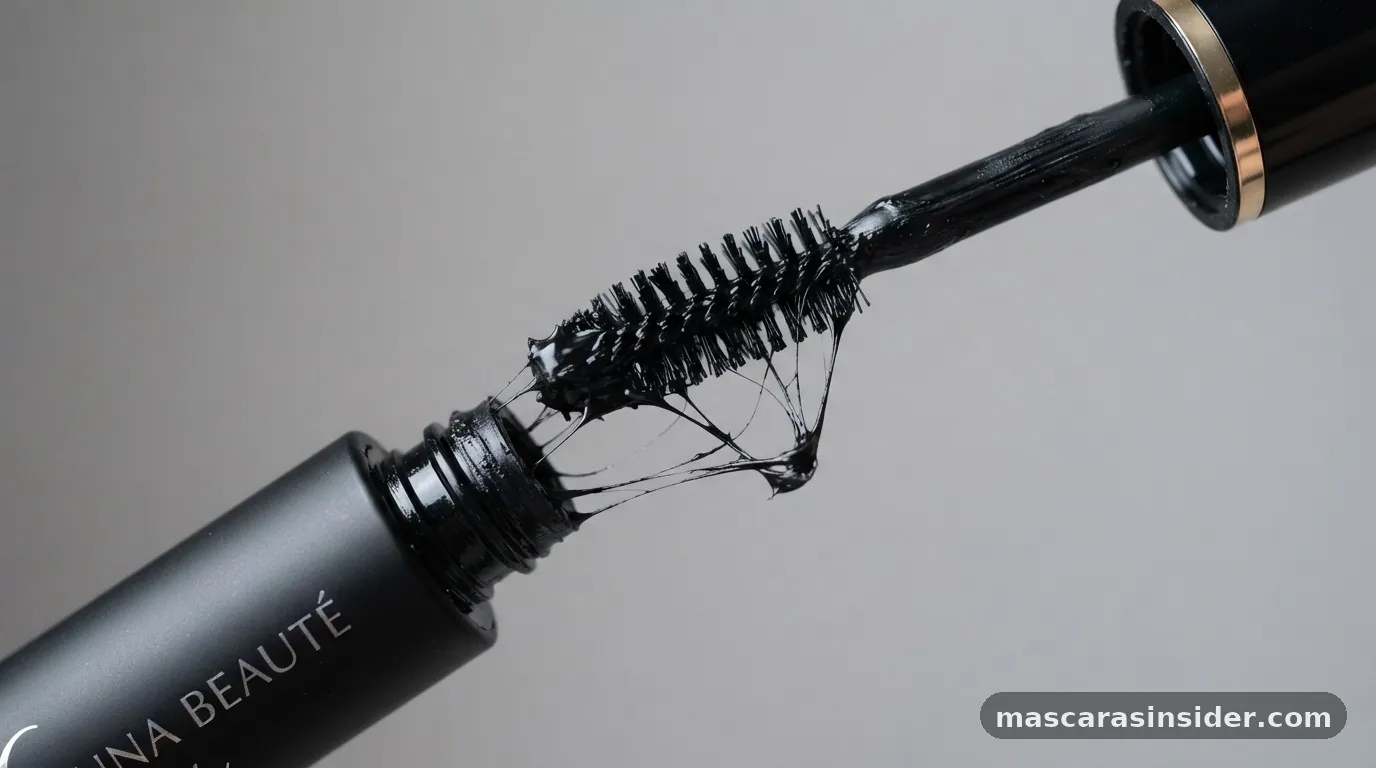
When you first open a tube of makeup, you might wonder what does mascara look like in its raw, liquid state before it transforms your gaze. Essentially, it is a viscous, pigmented emulsion designed specifically to coat and define the tiny hairs along your lash line. If you were to look closely at the product clinging to the wand, you would see a thick, dark substance that often resembles a creamy gel or a smooth paste.
It doesn’t look like a solid or a thin liquid, but rather a balanced mixture that holds its shape on the bristles while remaining fluid enough to glide over your eyelashes. This unique consistency is engineered to ensure it adheres to the hair without dripping or clumping excessively, providing the dramatic definition most people seek.
Visual Characteristics and Physical Consistency
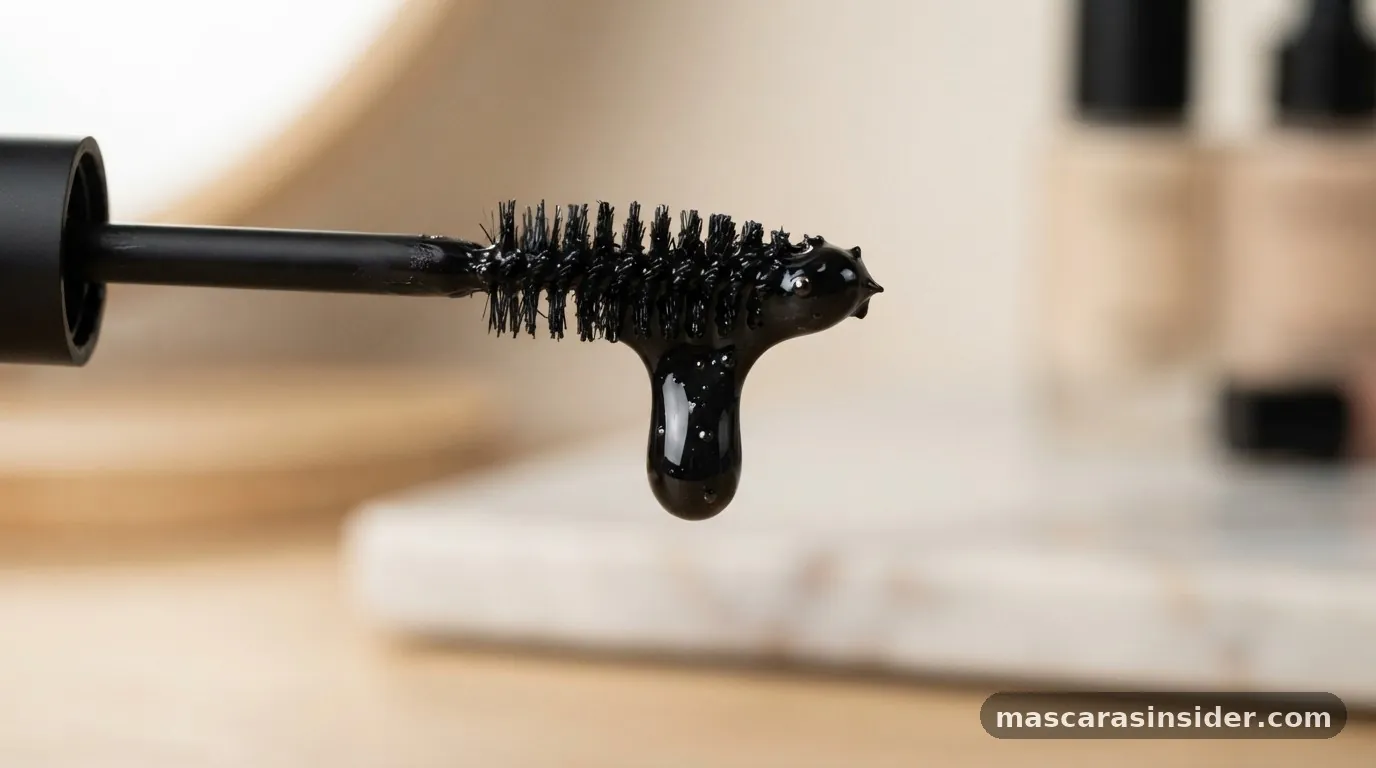
What does mascara look like when you pull the applicator out of the tube? Most commonly, it appears as a dark, glossy, or matte substance clinging to the spiraled bristles of a brush. The color is typically deep black, brown, or sometimes blue, depending on the specific product.
Because it is a cosmetic emulsion, it possesses a slight sheen that indicates its moisture content. This is crucial because if the substance were too dry, it would flake off, and if it were too thin, it would run into your eyes.
You will notice that the texture is uniform, free of grit, and feels somewhat tacky to the touch. This viscosity is what allows it to bridge the gap between individual lashes, creating the illusion of thicker, fuller hair.
The appearance of the formula changes slightly depending on the type of cosmetic you are using. For instance, a volumizing formula often looks thicker and more opaque, almost like a heavy cream, because it contains more waxes and pigments. In contrast, a lengthening formula might appear slightly more translucent or gel-like, focusing on polymers that stretch as they dry.
When you observe the product on the brush, you are seeing the result of complex chemical engineering. It is designed to cling to the surface of each lash, building layers that dry into a flexible, dark coating. This coating is what gives the eyes a frame, making them appear more prominent and alert.
The Anatomy of the Mascara Brush
You cannot discuss what the product looks like without examining the tool that delivers it. The brush, or spoolie, is an integral part of the experience. These wands come in many different shapes and sizes, each designed to manipulate the look of the lashes in a specific way.
Some brushes are thin and plastic, with short, rigid bristles that act like a comb to separate every single strand. Others are large, fluffy, and made of soft fibers, designed to deposit a significant amount of product for maximum volume. When you pull the wand out of the tube, the way the bristles are coated tells you a lot about how the application will go.
The relationship between the formula and the brush is symbiotic. If you have a high-volume formula, it usually requires a brush with more surface area to hold the product. If you are looking for a natural, wispy look, you will likely find a brush with a tapered or curved shape that allows for precise application near the inner corners of the eyes.
Watching the product sit on these bristles is the best way to understand its thickness. If the substance looks clumpy on the brush, it will likely look clumpy on your lashes. A high-quality cosmetic will look smooth, even, and consistent across the entire length of the applicator.
Understanding the Composition of Modern Mascaras
What is inside the tube that gives the product its specific look and feel? Mascaras are sophisticated mixtures of pigments, oils, waxes, and polymers. The pigments—usually iron oxides for black or brown shades—are what provide the intense color.
These particles are suspended in a base that is often a blend of water and waxes. The waxes, such as carnauba or beeswax, provide the structure, allowing the product to hold its shape once applied. This is why, when you look at a drop of fresh mascara, it holds a small, rounded shape rather than spreading out like water.
The polymers are the secret ingredients that make the product “look” like it is lengthening your lashes. These are long-chain molecules that form a flexible film as the water evaporates. When you apply the formula, these polymers align themselves along the hair shaft.
As the moisture leaves, they contract slightly, pulling the lashes upward and outward. This chemical process is why the product feels wet at first and then dries to a firm, smudge-resistant finish.
The balance of these ingredients determines everything from how long it lasts to how easily it can be removed at the end of the day. You can learn more about the safety and chemical standards of these ingredients through the official guidelines on eye cosmetic safety provided by the FDA.
Variations in Formula and Finish
Not all mascaras look the same once they are out of the tube and on your face. There are many different types, each intended to achieve a specific aesthetic goal. Some are designed for high-impact drama, appearing very dark and heavy, while others are subtle, meant to enhance your natural lash color without looking like you have worn makeup.
The finish can range from high-gloss, which catches the light, to a flat matte, which provides a more understated, sophisticated appearance. Understanding these differences helps you choose the right product for your needs.
1. Volumizing: These formulas appear thick and creamy, often containing fibers that build bulk around the lash.
2. Lengthening: These look more like a smooth, stretchy gel, designed to coat the ends of the lashes without adding too much weight.
3.
Curling: These are often formulated with specific resins that “set” the curl, appearing slightly more rigid once dry.
4. Water-resistant or Waterproof: These have a higher concentration of waxes and silicones, making them appear more waxy and less liquid than standard options.
The following table summarizes the primary differences in how these various types of products appear and behave during use.
| Mascara Type | Visual Texture | Primary Effect |
|---|---|---|
| Volumizing | Thick, opaque, creamy | Adds density and fullness |
| Lengthening | Fluid, gel-like, smooth | Extends the appearance of lashes |
| Waterproof | Waxy, dense, fast-drying | Resists smudging and moisture |
| Tubing | Elastic, film-forming | Forms “tubes” around each hair |
Common Application Challenges
Even if you understand what the product is supposed to look like, applying it correctly is a different skill entirely. Many people struggle with clumping, which happens when too much product is deposited in one spot. This makes the lashes stick together and look spidery rather than separated and defined.
To avoid this, it is essential to wipe excess product off the wand before you begin. A clean brush is your best friend when you want a natural look.
You should also start at the very base of the lashes and wiggle the wand slightly as you move toward the tips. This technique ensures that the roots are coated, which provides the best lift and definition.
Another common issue is smudging, which usually occurs when the formula is not fully dry or if the oils from your skin break down the cosmetic throughout the day. If you notice the product transferring to your eyelids, it might be that your formula is not compatible with your skin type, or perhaps you are applying too much near the base. Being mindful of the amount of product on your brush is the most effective way to prevent these issues.
Remember that you can always add more, but taking off excess product is much harder once it has dried. Practice makes a significant difference in how the final result looks on your face.
Addressing Topical Gaps: Safety and Removal
A frequently overlooked aspect of this topic is how the product looks when it is time to take it off. If you use a waterproof formula, it will look and feel very different during the removal process compared to a standard, water-soluble one. Waterproof mascara often requires an oil-based cleanser to break down the heavy waxes and polymers.
If you try to remove it with just water, it won’t budge, and you might end up pulling on your delicate lashes, which can cause damage. The product should come off easily with the right solvent; if you find yourself scrubbing, you are likely using the wrong type of remover for that specific formula.
It is also important to consider the shelf life of your makeup. What does an old tube look like compared to a fresh one? Over time, the solvents in the formula evaporate, causing the product to become dry, clumpy, and thick.
If you notice your mascara has become difficult to apply, or if it has developed an off-putting smell, it is time to replace it. Using expired eye makeup is a common cause of irritation and infections because the brush can harbor bacteria.
Keeping your products fresh is the best way to ensure they look good and stay safe for your eyes. Always prioritize hygiene, as the eyes are sensitive and prone to reactions.
Frequently Asked Questions
How often should I replace my mascara?
You should replace your tube every three months. Over this period, the formula dries out, and the wand can accumulate bacteria that may lead to eye infections. If you notice a change in texture or smell before then, discard it immediately to ensure safety.
Does the color of the mascara matter for older eyes?
Yes, color can make a difference. While black is standard, brown or deep navy can look softer and more natural on older eyes. These shades provide definition without the harsh contrast that sometimes draws attention to fine lines or makes the eyes look tired.
How do I fix clumpy eyelashes?
If your lashes look clumpy, use a clean, dry spoolie brush to comb through them while the product is still slightly damp. This separates the individual hairs and removes excess pigment, resulting in a cleaner, more defined look without needing to start your makeup over.
What is the best way to apply mascara for a natural look?
For a natural look, use a light hand. Wiggle the wand at the base of your lashes to create a subtle root-line definition, then pull the brush straight through to the tips. Avoid multiple heavy coats, as these create the thick, dramatic look that feels less natural.