
When you apply your favorite makeup each morning, you likely don’t give a second thought to the complex chemistry sitting on your lashes. Understanding what mascara is made of reveals a fascinating intersection of industrial chemistry and cosmetic artistry.
While the goal is simply to darken, lengthen, and thicken, the journey to achieving that look involves a precise blend of pigments, binders, and solvents designed to remain stable near your sensitive eyes. By peeling back the label, you can make more informed choices about the beauty products you introduce to your daily routine.
The Core Components of Modern Mascara
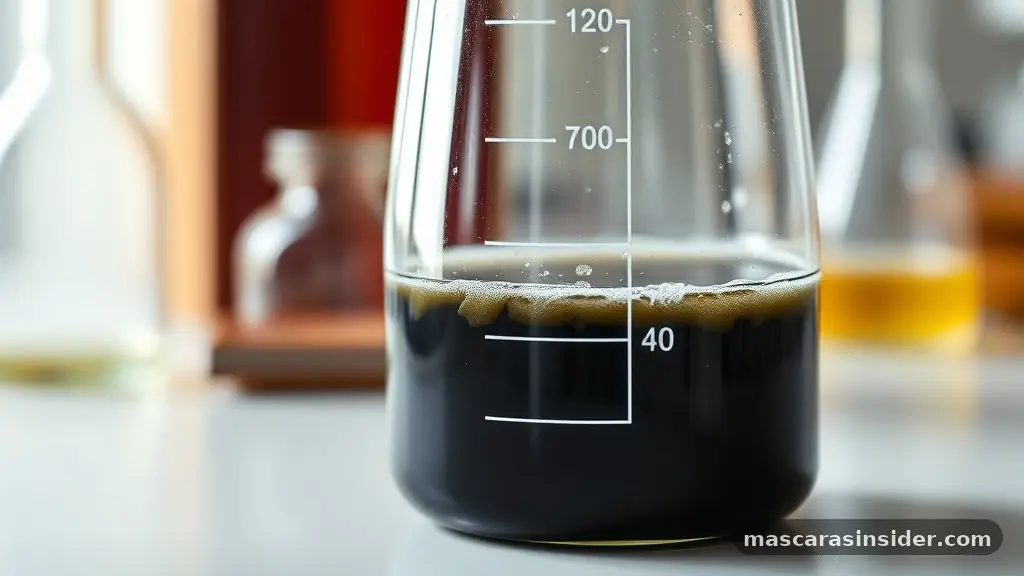
At its most basic level, mascara is a specialized emulsion. Most formulas are mixtures of water, waxes, and pigments that work together to coat each hair individually.
The water acts as a carrier for other ingredients, while the wax provides the structure needed to hold the shape of your lashes throughout the day. Without this balance, your makeup would either be too runny to apply or too stiff to wear comfortably.
The pigments are responsible for the intense color payoff you expect. Historically, these were simple soot or charcoal, but modern cosmetics rely on highly refined minerals and synthetic dyes to ensure safety and longevity.
Manufacturers carefully balance these components to ensure the product remains smooth inside the tube while drying quickly once it hits the air. This delicate chemical equilibrium is what separates a high-quality product from a clumpy, ineffective mess.
Decoding the Role of Waxes
Waxes are the backbone of any lash-enhancing product. They provide the body and texture that allow the formula to cling to your hair strands without smearing.
Common waxes include beeswax, carnauba wax, and candelilla wax. Each type of wax has a different melting point, which determines how well the product withstands heat and humidity.
If a formula uses too much wax, it becomes heavy and prone to flaking as it dries. Conversely, too little wax results in a thin, watery application that fails to provide volume.
Chemists often blend multiple types of waxes to achieve the perfect “slip”—the feeling of the brush gliding through your lashes while depositing a thick, uniform layer of color. This is why you might notice that some products feel creamier than others.
Pigments and the Science of Color
The deep, dramatic black color that defines most eye makeup is usually achieved using iron oxides or carbon black. Iron oxides are naturally occurring minerals that are highly stable and generally considered safe for use around the eyes.
They provide a rich, earthy tone that stays put. Carbon black, on the other hand, is a finely divided form of amorphous carbon that offers a much more intense, jet-black appearance.
Because carbon black is a synthetic pigment, it undergoes rigorous testing to ensure it is free of contaminants. Regulatory bodies monitor these pigments closely because they are applied so close to the ocular surface. The goal is to provide maximum contrast against the skin while maintaining a formula that doesn’t irritate or cause allergic reactions for the user.
Solvents and the Emulsion Process
Water is the primary solvent in most mascaras, but it isn’t the only liquid involved. To keep the waxes and pigments properly mixed, manufacturers use emulsifiers.
These substances act as a bridge between oil-based ingredients, like waxes, and water-based ingredients. Without an emulsifier, the product would quickly separate into a layer of oily sludge floating on top of watery pigment.
Some formulas also include volatile solvents that evaporate rapidly upon application. These are what make a product feel “fast-drying.”
As the solvent leaves the surface of your lashes, it leaves behind a film of wax and pigment that locks the look in place. This process is essential for preventing the dreaded “raccoon eye” effect that occurs when makeup transfers onto the skin under your eyes.
Waterproof Formulas vs. Traditional Variants
The primary difference between standard and waterproof mascara lies in the solvent used. Standard formulas are water-based, meaning they can be removed easily with soap and water or a gentle cleanser. Waterproof versions, however, are oil-based or solvent-based, utilizing ingredients like isododecane to create a barrier that repels moisture.
This hydrophobic barrier is highly effective at resisting tears, sweat, and humidity. However, because these products are designed to be water-resistant, they require specific oil-based makeup removers to break down the wax film. If you struggle with smudging, understanding this difference can help you choose a formula that matches your lifestyle and local climate.
| Feature | Standard Mascara | Waterproof Mascara |
|---|---|---|
| Primary Solvent | Water | Isododecane / Oils |
| Removal Method | Soap and Water | Oil-based Cleanser |
| Best For | Daily wear, sensitive eyes | Athletes, humid climates |
Additives for Performance and Longevity
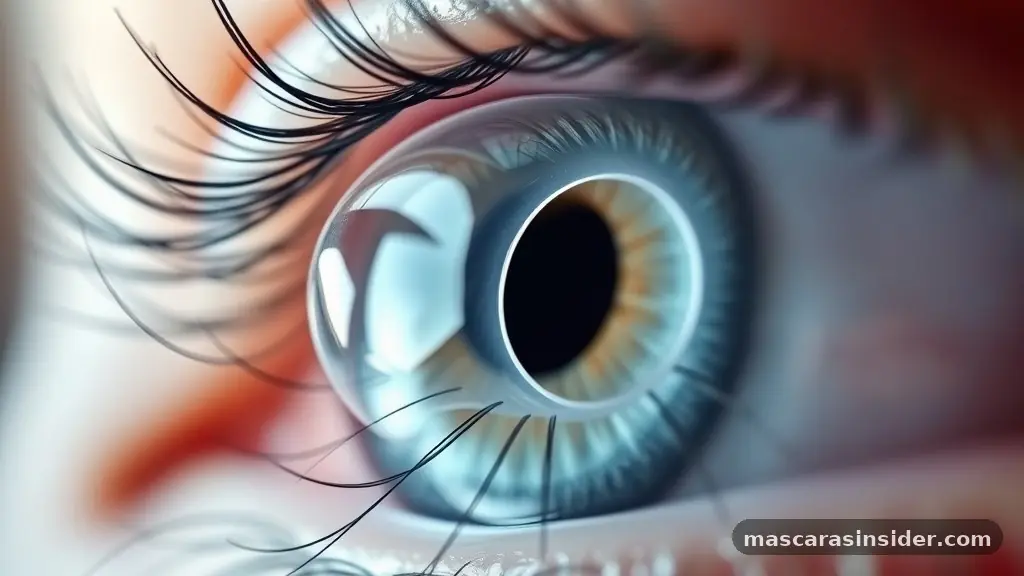
Beyond the basics, modern cosmetic chemistry adds a variety of functional ingredients to enhance your look. Polymers are often included to create a flexible film around the lash, preventing the product from cracking or flaking. These polymers act like a microscopic net, holding the lash in the desired position while providing a smooth, glossy finish.
Preservatives are another critical, yet often misunderstood, category of ingredients. Because mascara is a liquid product kept in a dark, warm, and humid environment—the perfect breeding ground for bacteria—preservatives are absolutely necessary.
Ingredients like phenoxyethanol or potassium sorbate keep the product sterile. Without them, your makeup would expire within days and pose a significant risk of infection to your eyes.
Addressing the Urban Legend: Bat Poop
A persistent myth in the beauty world suggests that mascara contains guano, or bat poop. This is entirely false. This rumor likely originated from a misunderstanding of the word “guanine.”
Guanine is a crystalline substance that creates a pearlescent or shimmering effect. While it was historically derived from fish scales, today it is almost exclusively produced synthetically or from non-animal sources.
It is common for consumers to wonder about the origins of their products, but you can rest assured that no reputable brand uses animal waste in their formulas. The beauty industry is governed by strict safety standards, and using such materials would be both illegal and technologically unnecessary. When you see “guanine” on a label, you are looking at a shimmer agent, not a waste product.
Vegan and Cruelty-Free Considerations
If you prefer products that align with your ethical values, you may search for vegan alternatives. Traditional mascara often contains beeswax or lanolin, both of which are animal-derived. Vegan brands replace these with plant-based waxes like carnauba or candelilla, and they use synthetic polymers instead of animal-based thickeners.
Transitioning to vegan products does not mean sacrificing performance. Many modern plant-based formulations rival their traditional counterparts in both volume and longevity. When shopping, look for certified labels that confirm the absence of animal byproducts.
You can find more information on industry standards for cosmetic labeling at the U.S. Food and Drug Administration’s cosmetics division.
Common Ingredients to Watch For
Not all ingredients are created equal, and some users prefer to avoid specific chemicals due to sensitivities. Thimerosal, a mercury-based preservative, was once common in older products but is now rarely used due to safety concerns. Many people also look for “paraben-free” labels because they prefer to minimize exposure to synthetic preservatives.
It is important to remember that “natural” does not always mean “safer.” Some natural essential oils can cause severe irritation or allergic reactions in the delicate skin around the eyes. Always patch-test new products if you have a history of sensitivity, regardless of whether the ingredients are synthetic or plant-derived.
- Waxes: Provide structure and shape.
- Pigments: Deliver the color (iron oxides, carbon black).
- Emulsifiers: Keep water and oil mixed together.
- Polymers: Create a flexible, flake-resistant film.
- Preservatives: Prevent bacterial growth in the tube.
- Solvents: Control the drying time and consistency.
The Evolution of Tubing Mascara
One of the most significant innovations in recent years is the development of “tubing” mascara. Unlike traditional formulas that paint your lashes with layers of wax, tubing mascara contains polymers that wrap around each individual lash in a tube-like structure. When you apply it, these polymers slide onto the hair and harden into a sleeve.
Tubing products are favored by many because they do not smudge or flake throughout the day. When it is time to remove them, you don’t need harsh oils; instead, the tubes slide off with warm water and gentle pressure. This technology represents a shift toward more advanced, film-forming chemistry that prioritizes both convenience and lash health.
Understanding Safety and Expiration
Your eyes are incredibly sensitive, which makes the safety of your makeup a top priority. Every time you pull the wand out of the tube and put it back in, you introduce air and potential bacteria into the container.
This is why you should never keep mascara for more than three months. Even if the product still looks and smells fine, the preservative system will have degraded, leaving you vulnerable to eye infections.
Never share your makeup with others. Sharing wands is the fastest way to transmit bacteria, viruses, and fungi between users.
If you notice any redness, itching, or swelling after using a product, stop immediately and discard it. Your health is far more important than any beauty look, and staying vigilant about expiration dates is the easiest way to prevent complications.
FAQ
Are there animal byproducts in mascara?
Some traditional formulas contain beeswax or lanolin, which are animal-derived. However, there are many excellent vegan alternatives available that use plant-based waxes and synthetic thickeners. Always check the ingredients list if you are strictly avoiding animal products.
Is it true that mascara contains bat poop?
No, this is a common urban legend. The confusion likely stems from the ingredient guanine, which provides a shimmering effect. Guanine is a crystalline substance that is now produced synthetically or derived from fish scales, never from bat waste.
What is the healthiest mascara to wear?
The healthiest option is a formula free from harsh synthetic preservatives, parabens, and artificial fragrances. Look for products that have been ophthalmologist-tested and ensure you replace your tube every three months to minimize the risk of bacterial contamination.
How do I know if my mascara is safe?
Safe products are those manufactured by reputable companies that adhere to strict cosmetic regulations. Always check for an expiration date and avoid using any product that has an unusual smell, texture, or causes irritation to your eyes upon application.
Final Thoughts
Understanding what mascara is made of allows you to move past the marketing hype and focus on the science that actually performs. From the emulsifiers that hold the formula together to the specialized polymers that define modern tubing technology, every ingredient serves a specific purpose in your daily beauty routine. Whether you opt for a classic wax-based formula or a high-tech tubing alternative, knowing what is inside the tube helps you make better decisions for your eye health.
Remember to prioritize freshness by replacing your products regularly and to keep your wands to yourself. By staying informed about these chemical components, you can enjoy your makeup with confidence and keep your lashes looking their best.
Meta Description: Curious about what mascara is made of? Discover the science behind pigments, waxes, and polymers, and learn how to choose safe, effective beauty products.