

Finding a reliable method that removes waterproof mascara without damaging your delicate eye area is a common beauty struggle. Because these formulas are designed to resist tears, rain, and humidity, they often cling to your lashes with stubborn tenacity. Using the wrong technique can lead to premature lash loss or irritation of the surrounding skin.
Fortunately, there are several proven ways to break down these resilient polymers, ranging from specialized oils to professional-grade emulsions. Understanding what removes waterproof mascara effectively will help you maintain healthy lashes while ensuring your nightly routine remains simple, quick, and entirely irritation-free.
The Science Behind Waterproof Mascara Removal
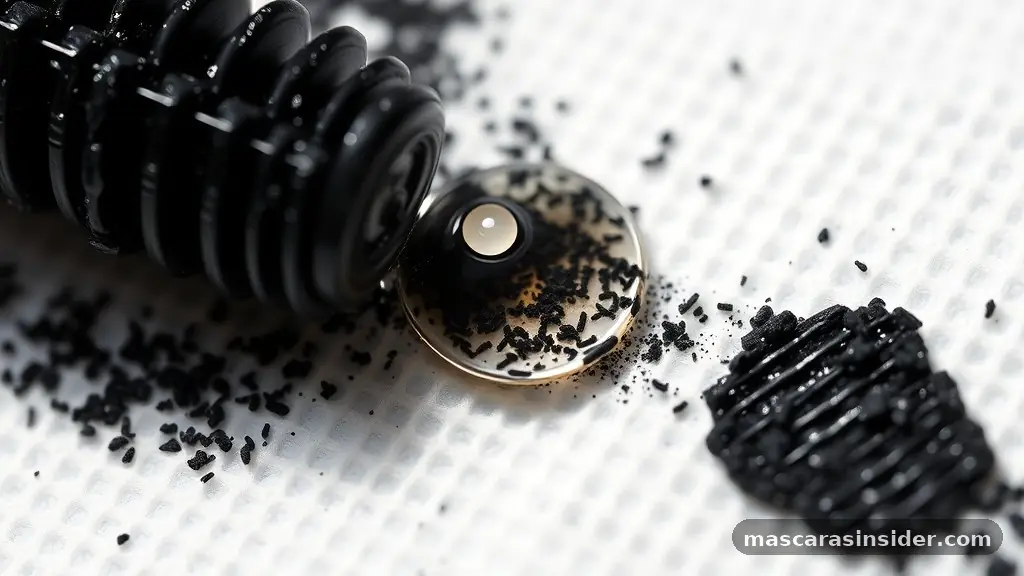
Waterproof mascara typically contains hydrophobic ingredients like carnauba wax, beeswax, or isododecane. These substances are intentionally crafted to repel water, meaning that standard soap and water will rarely do the trick. If you try to wash them away with just a basic face wash, you will likely find yourself tugging at your lids, which is the primary cause of lash breakage and skin micro-tears.
To successfully dissolve these formulas, you need a solvent that matches their chemical composition. In chemistry, the phrase “like dissolves like” is the golden rule.
Because your mascara is oil-based or wax-based, you must introduce an oil-based product to break the bonds holding the pigment to your hair follicles. Once the oil penetrates the wax coating, the mascara slides off effortlessly, requiring minimal physical effort from you.
Utilizing Cleansing Balms for Superior Results
Cleansing balms have become a favorite in the beauty industry because they transform from a solid wax-like texture into a silky oil upon contact with skin. This makes them exceptionally effective for removing waterproof mascara without the mess often associated with liquid oils. When you apply a small amount to your fingertips, the heat from your skin melts the product, allowing it to coat each lash thoroughly.
When using a balm, it is important to massage it into your lashes while your eyes are closed. This allows the product to penetrate the mascara layers without stinging your eyes. After massaging for about thirty seconds, you will notice the pigment breaking down.
Add a few drops of warm water to emulsify the balm into a milky consistency, then rinse. This process is highly efficient and usually eliminates the need for aggressive scrubbing or multiple cotton rounds.
The Role of Micellar Water in Your Routine
Micellar water has gained a reputation for being a gentle yet powerful cleanser. It contains tiny spheres of oil molecules, known as micelles, suspended in soft water.
These micelles act like magnets, lifting dirt, sebum, and waterproof makeup away from the surface of the skin. While standard micellar water is excellent for daily use, you should ensure you are using a version specifically formulated for waterproof makeup if you want the best results.
To use this method effectively, saturate a soft cotton pad with the solution. Press the soaked pad against your closed eyelid for fifteen to twenty seconds. This “soaking” period is critical; it gives the micelles time to break down the waterproof barrier before you attempt to wipe.
Once the time is up, gently slide the pad downward. You should see the mascara transfer onto the cotton rather than staying on your lashes. For more detailed information on skin health, you can refer to the American Academy of Dermatology guidelines on proper makeup removal.
Natural Oils as a Budget-Friendly Alternative
Many people look for household solutions when they run out of their usual cleanser. Natural oils such as coconut, jojoba, or almond oil are highly effective at breaking down stubborn eye makeup.
These oils are lipid-rich, meaning they easily dissolve the waxes found in long-wear mascaras. Because they are natural, they often provide a conditioning benefit to the lashes, which can be helpful if your hair feels brittle from frequent makeup use.
However, there is a catch: you must be careful with the quality and type of oil you choose. Coconut oil, for instance, is comedogenic for some people, meaning it might clog pores if left on the skin.
Always follow up an oil cleanse with a gentle foaming cleanser to ensure no residue remains. If you have sensitive skin, perform a patch test on your inner arm before applying any new oil directly to your eye area to prevent potential reactions.
The Importance of Technique and Pressure
One of the biggest mistakes people make when removing waterproof mascara is applying too much force. The skin around your eyes is the thinnest on your body, and the lashes themselves are fragile.
Even with the right product, if you are rubbing your eyes vigorously, you are inviting premature wrinkles and lash loss. The key is patience rather than pressure.
Instead of scrubbing back and forth, focus on the “hold and slide” technique. Saturate your cleansing medium, place it against the lashes, and hold it there. This allows the product to do the heavy lifting.
Once the mascara has softened, a single, gentle swipe downward should remove the bulk of the pigment. If any residue remains, repeat the process with a fresh area of the cotton pad or a clean fingertip rather than increasing the intensity of your rubbing.
Comparing Common Removal Methods
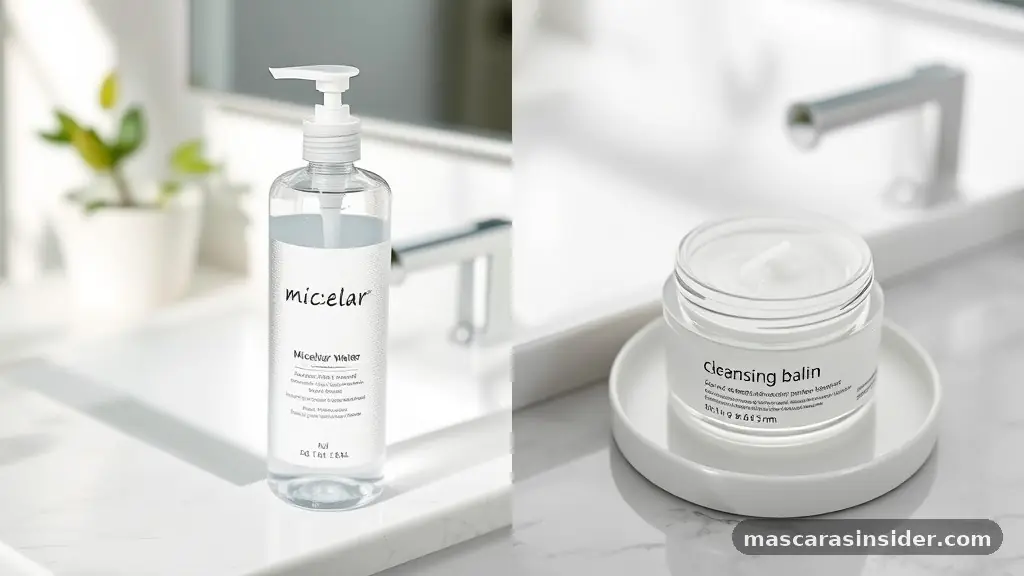
Selecting the right tool for your specific needs depends on your skin type and the specific mascara formulation you use. Some products are “tubing” mascaras, which require only warm water, while others are heavy-duty waterproof formulas that require a double-cleanse approach.
| Method | Best For | Key Benefit |
|---|---|---|
| Cleansing Balm | Heavy-duty waterproof formulas | Deep cleaning without friction |
| Bi-Phase Remover | Sensitive eyes | Quick dissolution of stubborn pigment |
| Micellar Water | Light to medium makeup | Gentle, no-rinse convenience |
| Natural Oils | Dry skin and lash conditioning | Affordable, natural ingredients |
Choosing the Right Tools for Removal
Your choice of tool is just as important as the cleanser itself. Using rough, disposable wipes can be abrasive, especially when you are trying to remove waterproof products that require extra attention.
Instead, opt for soft, reusable bamboo pads or high-quality cotton rounds. These materials hold the product better and are less likely to leave behind lint that can irritate your eyes.
If you prefer using your fingers, ensure they are clean and dry before starting. The warmth of your fingertips is actually a secret weapon in melting waxes.
For those who wear contact lenses, always remove them before beginning your eye makeup removal process. This prevents any oil or makeup particles from getting trapped behind the lens, which could cause significant discomfort or eye infections.
Common Mistakes to Avoid
Many users inadvertently damage their lashes by rushing the process. Leaving mascara on overnight is a frequent habit, but it is one of the most damaging things you can do.
Mascara left on while you sleep can lead to lash breakage as you toss and turn against your pillow. Furthermore, the pigment can migrate into the eye, causing irritation or even styes.
Another common error is using a cleanser that is not intended for the eye area. Facial cleansers with harsh acids or acne-fighting ingredients like salicylic acid are too aggressive for the delicate eye contour.
These products can strip the skin of its natural moisture, leading to dryness and flaking. Always verify that your chosen product is ophthalmologist-tested and safe for the sensitive periorbital region.
Addressing Topical Gaps in Makeup Removal
A frequently overlooked aspect of removing waterproof mascara is the cleanup of the lash line itself. Often, we remove the main body of the mascara but leave residual pigment tucked between the lash roots. Over time, this buildup can lead to clogged hair follicles, which may cause inflammation or prevent healthy lash growth.
To clear these gaps, use a clean, soft-bristled makeup brush or a cotton swab dipped in your chosen remover. Gently trace the lash line to pick up those last bits of pigment.
This detail-oriented approach ensures that your eyes are completely clean before you apply your nightly eye cream. By maintaining a clean lash line, you promote the health of your follicles and ensure your eyes feel refreshed and rejuvenated every morning.
Establishing a Consistent Nightly Ritual
Consistency is the cornerstone of healthy skin and strong, long-lasting lashes. If you find the process of removing waterproof mascara cumbersome, you are more likely to skip it, which leads to long-term issues.
Create a ritual that you actually enjoy. For many, this means using a luxurious balm that smells pleasant or a cooling micellar water that feels refreshing after a long day.
Keep your chosen remover accessible. If your bathroom counter is cluttered, you might find yourself reaching for the wrong product or skipping the step entirely.
By keeping your cleanser, pads, and a gentle face wash together in one spot, you streamline your routine. Remember that the goal is to remove the product gently and efficiently, preserving the integrity of your lashes for the long term.
Frequently Asked Questions
What can I use if I run out of waterproof mascara remover?
If you are out of specialized remover, a small amount of coconut, jojoba, or olive oil can effectively break down waterproof formulas. Simply apply a tiny amount to your fingertips, massage gently over closed lids, and wipe away with a damp, warm cloth before washing your face.
Does Vaseline remove waterproof mascara?
Yes, petroleum jelly is an effective solvent for waterproof mascara because it is oil-based. However, it is quite thick and can be difficult to rinse off completely. Use a very small amount and ensure you follow up with a thorough facial cleanse to prevent potential pore clogging.
Why do my lashes fall out when removing mascara?
Lash loss during removal is usually caused by excessive rubbing or using the wrong type of cleanser. If you have to pull or tug to get the product off, you are damaging the hair follicles. Always use an oil-based product to dissolve the mascara so it slides off easily.
How do I remove mascara without getting product in my eyes?
Always keep your eyes firmly closed during the removal process. If you are using a liquid remover, do not oversaturate the cotton pad, as excess liquid can drip into your eyes. Pressing the pad against the lids rather than wiping back and forth also helps keep the product contained.
Maintaining Long-Term Lash Health
Mastering the art of what removes waterproof mascara is about more than just aesthetics; it is a fundamental part of maintaining the health of your eyes and the longevity of your lashes. By choosing the right solvent, using a gentle touch, and ensuring you clear the roots of your lashes, you protect yourself from irritation and breakage. Whether you prefer the convenience of micellar water or the deep-cleansing properties of a luxurious balm, the best method is one that leaves your skin feeling clean and hydrated.
Incorporate these steps into your nightly routine to ensure that your eyes look bright and your lashes remain healthy, week after week. If you ever experience persistent redness or discomfort, it is always a good idea to consult a professional to ensure your chosen products are compatible with your unique skin needs.
Meta Description: Discover exactly what removes waterproof mascara safely. Learn expert techniques, product recommendations, and tips to protect your lashes from damage.