
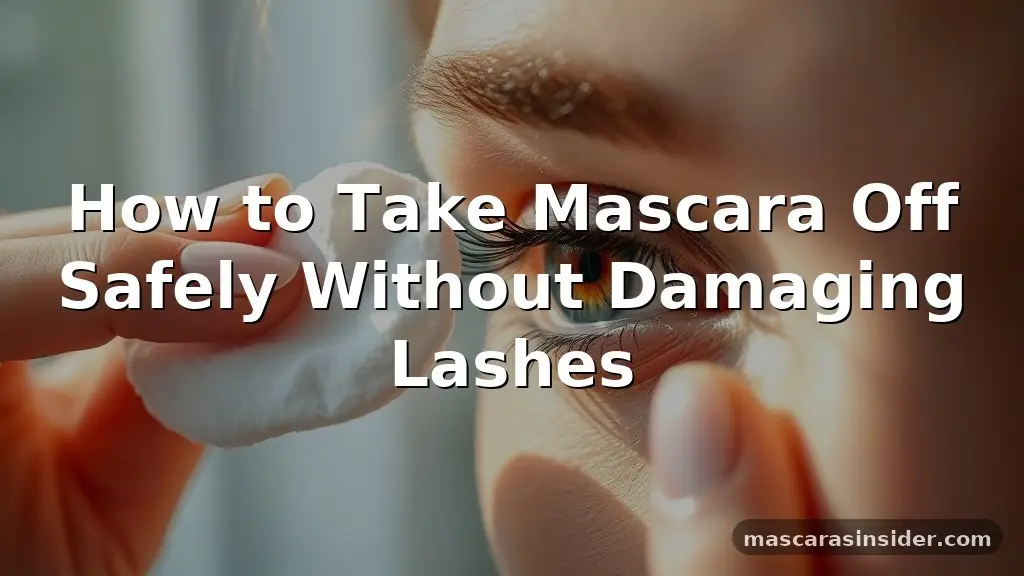
Removing eye makeup at the end of a long day often feels like a chore, yet learning how to take mascara off properly is the single most important habit for maintaining healthy lashes. If you frequently rush through this process or pull at your eyes, you risk breakage and irritation that can compromise your delicate eye area over time.
Instead of scrubbing aggressively, you need a method that breaks down stubborn formulas while nourishing the skin. By switching to a more intentional approach, you protect the health of your hair follicles and keep your eyes looking refreshed and bright every morning.
Understanding the Chemistry of Your Mascara
Most modern formulas are designed to adhere strongly to your hair to prevent smudging or flaking throughout the day. When you look at the ingredients, you will often find waxes, polymers, and pigments that bond to the lash fiber.
Waterproof variants are particularly tenacious because they contain ingredients designed to repel moisture, meaning simple tap water will never be enough to dissolve them. Understanding that your product is built to last helps you realize why a gentle, oil-based approach is often superior to harsh physical friction.
When you attempt to remove these products, you are essentially trying to reverse a chemical bond. If you use a harsh soap or just water, you only succeed in drying out the hair, which leads to brittle lashes that snap easily.
High-quality removers work by softening the wax and polymer film, allowing you to slide the product off rather than scraping it away. This chemical breakdown is the secret to preserving your natural lash volume.
Why Physical Friction Damages Your Eye Area
The skin around your eye is the thinnest on your entire body, making it incredibly susceptible to stretching and premature fine lines. When you rub your eyes vigorously with a dry towel or a rough cotton pad, you are putting unnecessary stress on the dermis.
This friction often results in broken capillaries, localized puffiness, and the loss of individual lashes. The goal is to let the product do the work for you, rather than relying on your own strength to wipe away the pigment.
If you notice that your cotton pad is stained with little black hairs after you finish, that is a clear sign you are being too rough. Those are your own lashes, and they take weeks, sometimes months, to grow back. By adopting a “press and hold” technique instead of a “scrub and wipe” motion, you ensure that the product dissolves completely before you ever touch the sensitive skin of your eyelid.
The Benefits of Oil-Based Cleansers
Oil is the gold standard for breaking down cosmetic waxes and resins. Because oil dissolves oil, an oil-based cleanser or makeup remover will melt away even the most stubborn waterproof mascara in seconds.
Many people fear that using oil near their eyes will cause breakouts or styes, but when you use a proper, non-comedogenic formula, the risk is minimal. These products are specifically designed to be rinsed away, leaving no residue behind.
Beyond efficacy, oil-based cleansers provide a conditioning benefit. Many formulas include jojoba, almond, or argan oil, which can actually strengthen the hair follicles over time.
By incorporating these ingredients into your nightly routine, you are essentially giving your lashes a mini-treatment while you remove your makeup. This dual-action approach saves you time and improves the long-term health of your hair.
Mastering the Micellar Water Technique
Micellar water has become a staple for many because it is lightweight and requires no rinsing. These solutions contain tiny particles called micelles that act like magnets to draw out impurities and lift pigment away from the lash line. To use this effectively, you must be patient.
Saturate a cotton pad, press it firmly against your closed eye, and hold it there for thirty seconds. This wait time is non-negotiable if you want the liquid to reach the base of your lashes.
After the wait, gently sweep the pad downward. You should see the mascara transfer onto the cotton rather than staying on your skin.
If there is still residue, repeat the process with a fresh pad rather than scrubbing harder. Micellar water is excellent for those with sensitive eyes, as it lacks the heavy fragrance or alcohol content found in some traditional makeup removers.
Safe Alternatives When You Lack Specialized Products
Sometimes you find yourself without your usual supplies, perhaps while traveling or staying over at a friend’s place. In these instances, you can turn to pantry staples, provided you are careful.
A small amount of olive oil or coconut oil on a clean cotton swab can work wonders. Simply apply a tiny amount to the lashes, wait for it to soften the formula, and wipe away with a clean cloth.
However, caution is required when using household oils. Make sure you don’t use too much, as excess oil can cloud your vision if it drips into your eye. Always follow up with a gentle facial cleanser to remove the oil residue so it doesn’t clog your pores overnight.
While these DIY methods are effective in a pinch, they shouldn’t replace a dermatologist-tested product long-term, as household oils aren’t always pH-balanced for the delicate eye area. You can learn more about proper eye care and makeup safety through professional resources.
Comparing Common Removal Methods
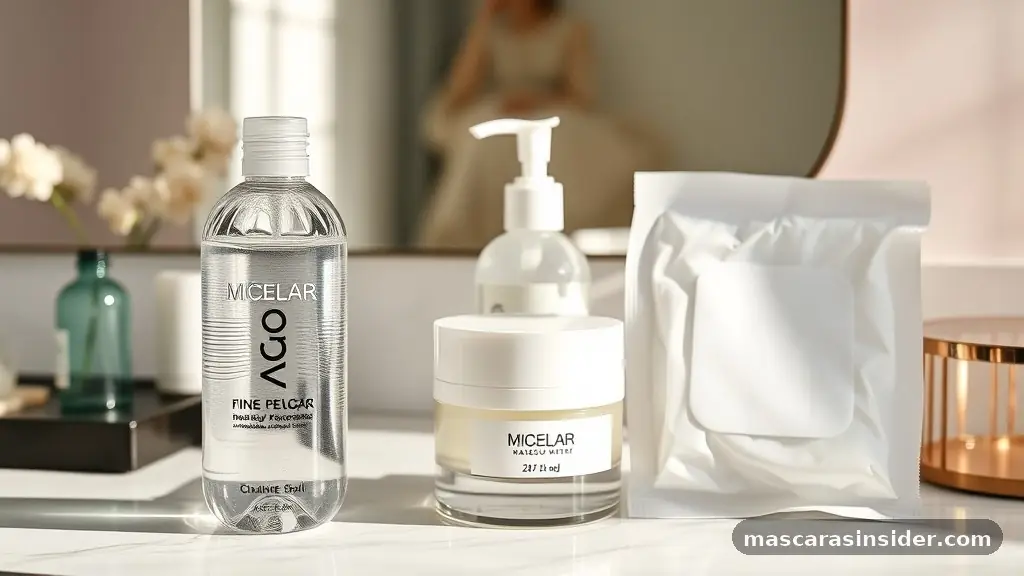
Different products require different levels of care and effort. The table below outlines how various cleansing methods stack up when you are dealing with different types of mascara.
| Method | Best For | Effort Level |
|---|---|---|
| Oil-Based Cleanser | Waterproof & Long-wear | Low |
| Micellar Water | Sensitive Skin & Light Makeup | Medium |
| Cleansing Balm | Heavy Makeup & Dry Skin | Low |
| Water & Soap | Standard Mascara Only | High (Not Recommended) |
The Importance of the Double Cleanse
If you wear heavy makeup, a single wash is rarely enough. The double cleanse method is a standard practice in many skincare routines for a reason.
You start with an oil-based cleanser or balm to break down the makeup, then follow up with a water-based gel or cream cleanser to remove any remaining film and dirt. This ensures that your pores remain clear and your eyes are completely free of product debris.
Skipping the second step can leave behind a thin layer of makeup and oil that attracts dust and pollutants throughout the night. This buildup is a major cause of irritation and can lead to clogged hair follicles along the lash line. By taking the extra minute to perform a proper double cleanse, you create a blank canvas for your skin to repair itself while you sleep.
Common Mistakes That Lead to Lash Loss
Many people unknowingly sabotage their lash growth through habits that seem harmless. Using old, expired products is a primary offender.
Mascara tubes are breeding grounds for bacteria, and as the formula dries out, it becomes clumpier and harder to remove. Replacing your tube every three months is a rule you should never break, not just for hygiene, but for the ease of your nightly removal routine.
Another common mistake is pulling at the lashes during the day. If you have a habit of rubbing your eyes when you are tired or stressed, you are weakening the roots.
When you combine this daytime stress with a nightly routine that involves aggressive scrubbing, you are essentially guaranteeing lash thinning. Be mindful of your hand movements and try to treat your eyes with the same tenderness you would apply to a baby’s skin.
Integrating Tools for Better Results
While cotton pads are traditional, they aren’t your only option. Many people find that using a soft, reusable microfiber cloth provides a more gentle experience.
These cloths are designed to grip makeup particles without the need for excessive rubbing. Some people also utilize specialized silicone lash combs to gently work the cleanser through the lashes, ensuring that every individual hair is coated and cleaned.
Regardless of the tool you choose, cleanliness is vital. If you use reusable cloths, make sure they are washed frequently in a fragrance-free detergent. If you prefer disposable cotton rounds, ensure they are high-quality and don’t leave behind lint, which can easily get trapped in the eye and cause significant irritation or infection.
Establishing a Consistent Nightly Routine
Consistency is the key to healthy skin and strong lashes. If you only take your makeup off half the time, you are inviting long-term damage.
Make the act of removing your mascara a meditative part of your wind-down ritual rather than a rushed task. By setting aside time for your skincare, you are less likely to cut corners and more likely to use the proper techniques.
Start by tying your hair back and washing your hands. Apply your chosen cleanser to dry skin and lashes. Massage it in with your fingertips, using small circular motions.
Let it sit for a moment, then rinse with lukewarm water. Use a soft towel to pat—never drag—your face dry. This simple, systematic approach ensures that you never go to bed with product residue on your face.
Frequently Asked Questions
Is it okay to use baby shampoo to remove mascara?
While some people suggest baby shampoo for its non-irritating formula, it is often too drying for the delicate skin around the eyes. It may effectively remove some pigment, but it can strip the natural oils from your lashes, leading to breakage. It is better to use a dedicated eye makeup remover.
How do I know if my mascara is completely removed?
You can check by gently wiping a clean, damp cotton pad across your lower lash line. If the pad remains clean, you have successfully removed the product. If you see dark streaks, continue with your cleansing routine until the pad comes away completely free of residue or pigment.
Will leaving mascara on overnight cause infections?
Yes, sleeping in mascara can cause significant issues. The product can flake off into your eye, causing corneal abrasions, and the buildup can block hair follicles, leading to styes or infections like blepharitis. Always ensure your lashes are clean before you go to sleep to protect your ocular health.
What should I do if I get makeup remover in my eye?
If you accidentally get product in your eye, rinse it immediately with cool, clean water or a sterile saline solution. Keep your eye open and flush it gently until the stinging stops. If the irritation persists for more than a few minutes or vision remains blurry, contact an eye care professional.
Maintaining Long-Term Lash Health
Taking care of your lashes is a lifetime commitment. By choosing the right products and perfecting your technique, you ensure that your lashes remain full and healthy.
Always prioritize gentle methods over speed, and remember that the health of your eyes is far more important than the convenience of a quick scrub. If you find that your lashes are consistently thinning, reassess your products and ensure your removal process isn’t the culprit.
Start by evaluating the cleansers you currently use. If they feel harsh or require too much scrubbing, look for gentler alternatives that prioritize hydration and effortless removal.
Your eyes will thank you for the extra care, and you will notice a significant difference in the longevity and appearance of your lashes. Take the time to build a routine that works for your lifestyle and stick to it, ensuring that you wake up every morning with refreshed, clean, and healthy-looking eyes.
Meta Description: Learn how to take mascara off safely and effectively without damaging your delicate lashes or skin with these expert tips and gentle techniques.