
Finding yourself out of cleanser when you need to remove stubborn mascara is a common beauty dilemma. Whether you are traveling, ran out of supplies, or simply want a more natural approach to your evening routine, knowing how to take off mascara without makeup remover is a valuable skill.
By utilizing common household items that act as effective solvents, you can break down pigments and waxes without relying on harsh commercial products. This process focuses on dissolving the bonds of the mascara while protecting your delicate eye area, ensuring your lashes remain healthy and free of debris before you head to bed.
Understanding the Chemistry of Mascara Removal
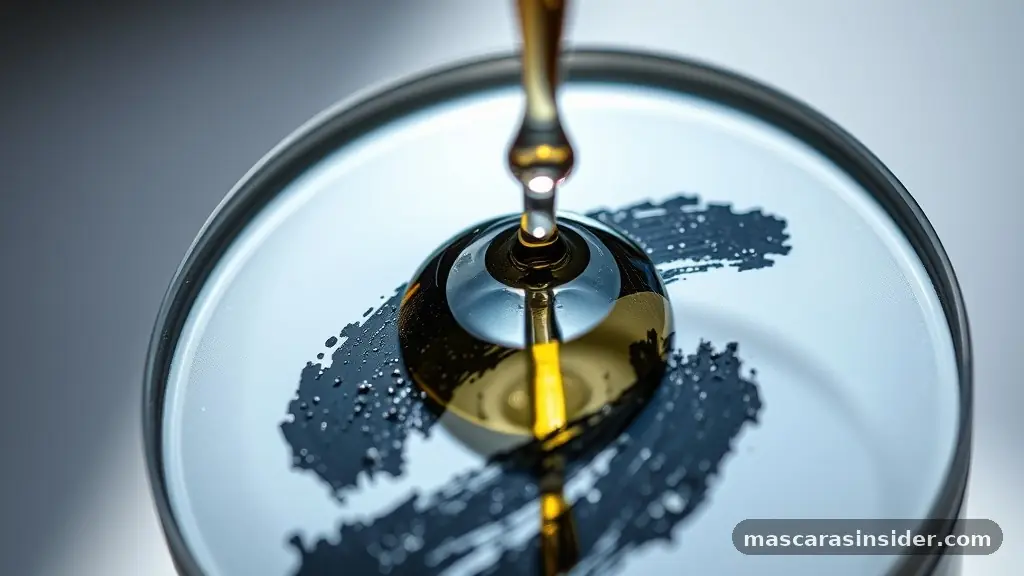
To effectively remove eye makeup, you must understand what you are actually trying to break down. Most mascaras, especially the long-wearing or waterproof varieties, rely on a combination of waxes, pigments, and film-forming polymers.
These ingredients are designed to repel water, which is why simply splashing your face with water often results in smearing rather than removal. To lift these substances, you need a lipid-based solvent that can penetrate the hydrophobic barrier of the product.
When you use a standard makeup remover, you are utilizing a mix of surfactants and oils to emulsify the product. In the absence of these specialized bottles, you can replicate this chemistry using pantry staples. Oils are particularly effective because they mimic the natural sebum produced by your skin, allowing them to soften the hardened mascara.
By applying a gentle oil to your lashes, you facilitate the breakdown of the wax, turning the stubborn crust into a substance that can be easily wiped away. This is the fundamental principle behind the oil cleansing method, which is widely recognized for its ability to dissolve makeup without stripping the skin of its natural moisture.
Utilizing Household Oils for Effective Cleaning
Many people already have the perfect makeup solvent sitting in their kitchen cabinets. Oils like coconut oil, olive oil, and jojoba oil are excellent at dissolving even the most resilient mascara formulas.
Coconut oil, in particular, is highly effective because it has a low melting point and is packed with fatty acids that nourish the lashes while cleaning. If you have sensitive skin, however, be mindful that coconut oil can be comedogenic for some, potentially leading to breakouts if not rinsed away thoroughly.
Sweet almond oil is another fantastic, lightweight option that is often gentler on the delicate skin around the eyes. To use these oils, simply warm a small amount between your fingertips and gently massage it into your closed eyelids. Focus on the base of the lashes where the mascara is most concentrated.
As you massage, you will feel the mascara begin to loosen. Follow this by using a soft, damp microfiber cloth to wipe away the oil and the dissolved pigment. This method is not only efficient but also provides a moisturizing treatment for your lashes, which can help prevent eyelash breakage over time.
The Role of Petroleum Jelly in Makeup Removal
Petroleum jelly is a classic, reliable standby for those wondering how to take off mascara without makeup remover. It acts as an occlusive agent that effectively traps moisture and softens the hard, dried-up mascara on your lashes.
Because it is a thick, jelly-like substance, it stays exactly where you put it, making it ideal for targeting specific areas without dripping into your eyes. It is particularly useful for removing stubborn waterproof formulas that seem immune to water and soap.
To use petroleum jelly for this purpose, take a small amount on a clean cotton swab or your fingertip. Apply a thin layer to your lashes, ensuring you coat them from root to tip. Let it sit for about a minute; this resting period allows the jelly to soften the film-forming polymers in the mascara.
Once the product has softened, use a clean cotton pad to gently swipe downward. You will notice the mascara coming off in clumps rather than smearing across your skin. Always follow up with a gentle facial cleanser to ensure no residue remains, as lingering petroleum jelly can sometimes feel heavy or cause blurred vision if it migrates into the eyes.
Benefits of the Oil Cleansing Method
The oil cleansing method is more than just a substitute for remover; it is a holistic approach to skincare. By using oil to lift makeup, you avoid the harsh friction often associated with scrubbing at your eyes with disposable makeup wipes.
Frequent, aggressive rubbing is a leading cause of premature wrinkles and irritation in the orbital area. When you choose to use an oil-based approach, you prioritize the integrity of your skin barrier and the long-term health of your lashes.
Emulsification is the key step here. When you mix a small amount of warm water with the oil on your face, it turns into a milky consistency that is much easier to rinse off. This process ensures that you aren’t leaving behind a film that could clog pores.
For those with particularly sensitive eyes, using a natural oil avoids the synthetic fragrances and preservatives found in many store-bought wipes. This method leaves your skin feeling hydrated and supple, rather than tight and dry, which is a common complaint after using traditional, alcohol-based removers.
Techniques for Minimizing Lash Damage
Your lashes are delicate, and improper removal techniques can lead to significant eyelash breakage. When you remove mascara, the goal should be to lift the product off, not to pull or tug at the hair follicles. If you find yourself having to scrub hard, you need more time for your chosen solvent to work.
Patience is the most critical factor in maintaining lash health. Always apply your chosen oil or jelly and allow it to sit for at least sixty seconds before attempting to wipe it away.
When wiping, use a gentle downward motion. Avoid rubbing back and forth, as this creates unnecessary tension on the lashes. If you are using a microfiber cloth, ensure it is damp with warm water.
The warmth helps to soften the mascara, while the texture of the cloth provides just enough grip to remove the residue without causing irritation. If you notice lashes falling out on your cotton pad, it is a sign that you are being too rough or that your mascara is too dry. Consider applying a conditioning serum or a light coating of castor oil after your nightly routine to keep the lashes strong and flexible.
Navigating Sensitive Skin and Eye Irritation
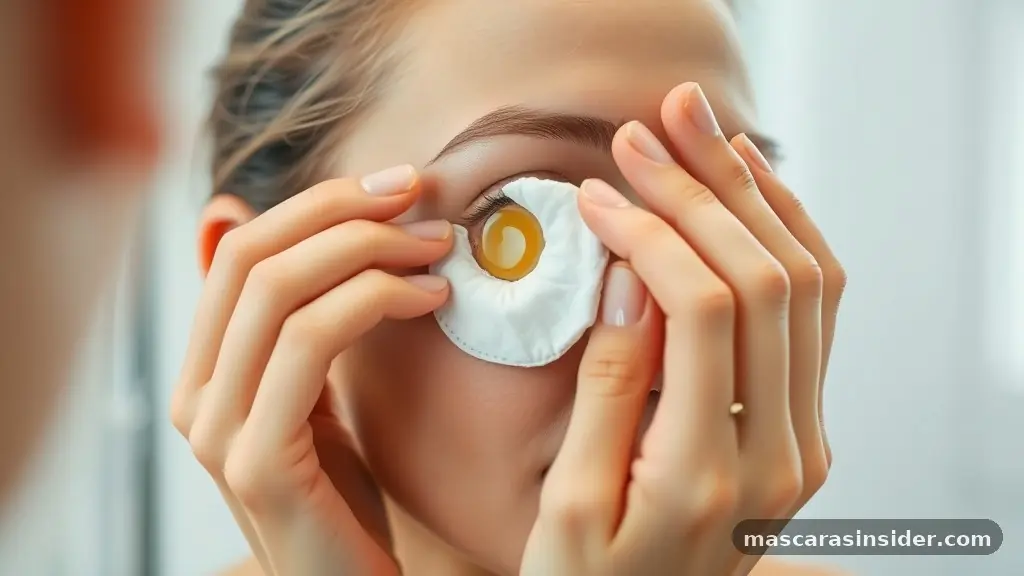
If you have sensitive skin, you are likely already wary of new products. The beauty of using simple ingredients like jojoba oil or sweet almond oil is that you know exactly what is going into your routine.
These oils are generally well-tolerated and less likely to cause the stinging or burning sensation often associated with commercial makeup removers. However, even natural products can cause issues if they are not removed properly.
If you experience any redness or eye irritation, stop using the product immediately and rinse your eyes with cool, clean water. It is also important to consider the cleanliness of your tools. Using a dirty cloth or re-using a cotton pad can introduce bacteria to the eye area, leading to infections like sties or conjunctivitis.
Always use a fresh, clean surface for each eye. If you find that your eyes are particularly reactive, stick to the simplest oils and avoid adding essential oils or fragrances to your DIY removal solution. Keeping your routine simple is the best defense against unwanted reactions.
Comparing Common Removal Methods
It is helpful to weigh your options based on what you have available and your specific skin type. The following table compares common household items used for removing mascara, highlighting their effectiveness and best use cases.
| Method | Effectiveness | Best For | Consideration |
|---|---|---|---|
| Coconut Oil | High | Dry/Normal Skin | Can be comedogenic |
| Petroleum Jelly | High | Waterproof Mascara | Requires thorough rinsing |
| Jojoba Oil | Medium-High | Sensitive Skin | Lightweight, non-greasy |
| Baby Oil | High | Stubborn Pigment | Contains mineral oil |
Addressing Topical Gaps: Water and Soap
A common question is whether you can simply use water and soap to get the job done. While water alone is rarely sufficient for waterproof mascara, warm water can help loosen water-soluble formulas.
However, using regular hand or body soap on the delicate eye area is generally discouraged. Most soaps have a high pH that can disrupt the natural acid mantle of your skin, leading to dryness and irritation.
If you must use a cleanser, choose a gentle, non-foaming facial cleanser that is specifically formulated for the face. Apply it to the eye area with your fingertips, massaging gently, and then rinse thoroughly. If you find that the mascara is still not budging, do not force it with a washcloth.
Instead, revert to an oil-based method. Using a proper facial cleansing technique ensures you are removing buildup without damaging your skin barrier, which is essential for long-term dermatological health.
The Importance of the Double Cleansing Method
If you wear a full face of makeup, the double cleansing method is your best friend. Even if you aren’t using a dedicated makeup remover, this two-step process ensures every trace of product is gone. First, use an oil-based cleanser—or your chosen household oil—to dissolve the mascara and foundation.
This step targets the oil-soluble impurities. Once the oil has broken everything down, rinse it away with warm water.
The second step involves using a water-based facial cleanser to wash away any remaining oil, dirt, or debris. This dual approach is highly effective because it treats different types of residue. By the end of this process, your skin should feel clean but not stripped.
It is the most thorough way to ensure your pores remain clear and that no makeup residue is left behind to cause irritation or breakouts overnight. This routine is particularly beneficial if you have been using heavier oils like coconut or olive oil as your first step.
Creating a Sustainable Routine
Developing a routine that works for you is about consistency and comfort. You don’t need a shelf full of expensive bottles to maintain healthy skin and lashes.
By understanding the basics of how to take off mascara without makeup remover, you gain flexibility and control over your beauty habits. Whether you choose to keep a jar of petroleum jelly on your nightstand or a bottle of jojoba oil in your bathroom cabinet, having a reliable plan B is always a smart move.
Remember that the goal is to be gentle. Your eyes are among the most sensitive parts of your body, and they deserve care that prioritizes their health. Avoid the temptation to pull at your lashes or use harsh paper towels.
Instead, invest in a few high-quality microfiber cloths that you can wash and reuse. This not only makes your routine more sustainable but also provides a soft, effective way to remove makeup every single night. When you treat your skin with kindness, the results will show in the clarity and health of your complexion.
Frequently Asked Questions
Is it safe to use baby oil to remove mascara?
Baby oil is essentially mineral oil, which is highly effective at dissolving waterproof mascara. It is generally safe for the eye area, but ensure you rinse it off thoroughly afterward, as the residue can be quite heavy and might clog pores or blur your vision if left on too long.
Can I just use water to remove mascara?
Water alone is usually insufficient for removing most modern mascaras, particularly waterproof ones. While warm water can help soften some water-based formulas, it won’t break down the oils and waxes in most products. You will almost always need an oil-based solvent to ensure the makeup is fully removed.
How do I prevent eyelash breakage during removal?
The best way to prevent breakage is to avoid rubbing or pulling. Apply your chosen oil or jelly and allow it to sit for at least a minute to soften the mascara. Once the product is dissolved, use a gentle downward swipe with a soft cloth to remove the residue without tugging on the lashes.
Does petroleum jelly cause milia or acne around the eyes?
For some people, petroleum jelly can be occlusive enough to cause small bumps or milia if used heavily or not rinsed away. If you have oily or acne-prone skin, it is better to use a lighter oil like jojoba, which is less likely to cause congestion in the pores around the eye area.
Conclusion
Mastering the art of how to take off mascara without makeup remover allows you to maintain a healthy skincare routine regardless of what supplies you have on hand. By leveraging the power of oils and gentle, lipid-based solvents, you can effectively cleanse your lashes while protecting the delicate skin around your eyes. Remember that patience is your greatest tool; giving your chosen oil time to emulsify the mascara will always yield better results than aggressive scrubbing.
Whether you prefer the simplicity of coconut oil or the targeted effectiveness of petroleum jelly, you now have the knowledge to keep your eyes clean and your lashes strong. Start experimenting with these methods tonight to find the perfect, natural solution that fits your lifestyle.