
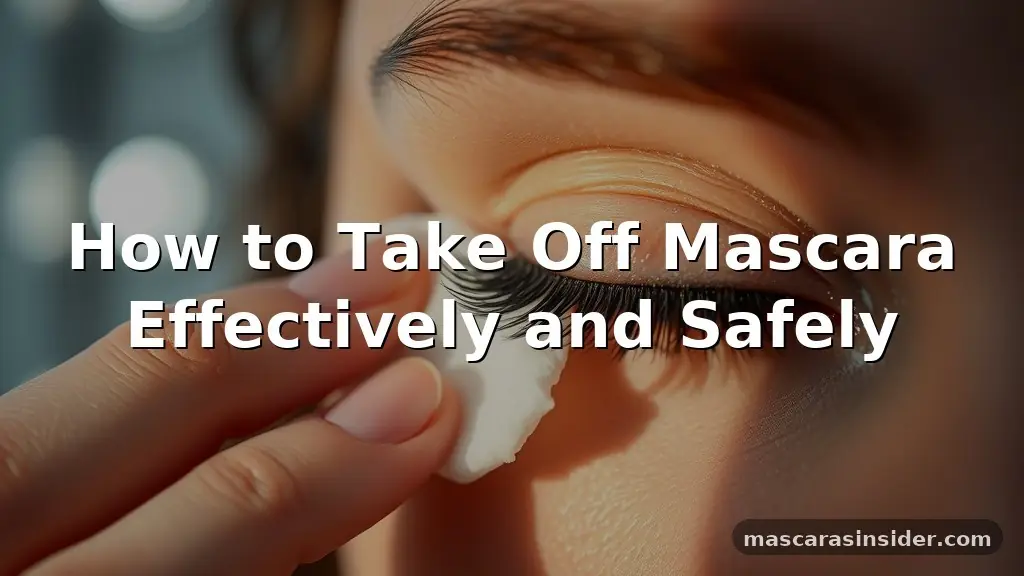
Removing mascara at the end of a long day is a ritual that protects your eye health and keeps your lashes looking their best. Failing to properly clear away pigment can lead to brittle lashes, irritation, or even infection, so mastering the technique is essential for your long-term beauty routine.
Whether you are dealing with stubborn waterproof formulas or standard daily wear, knowing how to take off mascara without causing damage or tugging is a skill that saves you time and frustration. Let’s look at the most effective methods for keeping your eye area clean, healthy, and refreshed without unnecessary stress or effort.
Understanding the Chemistry of Mascara
Mascara formulations vary significantly based on their intended finish and longevity. Most standard formulas are water-based, meaning they can be dissolved relatively easily with a mild cleanser or micellar water.
However, waterproof mascara relies on volatile silicones and waxes that are specifically designed to repel moisture. This is why a splash of water and a standard facial soap will often fail to move these products, leaving you with smudged residue that lingers around the lash line.
When you look at the ingredients list, you will notice that waterproof options often contain isododecane or beeswax. These components create a film that is resistant to rain, sweat, and tears. To break down these ingredients, you need a substance that can emulsify the wax.
This is where oil-based removers shine. By introducing an oil phase to your routine, you effectively dissolve the chemical bonds holding the pigment to your lashes, allowing the product to slide off rather than being scraped away.
The Importance of Gentle Removal
Your lashes are delicate, and the skin around your eyes is the thinnest on your entire body. When you scrub aggressively, you risk snapping individual hairs, which can lead to sparse patches over time.
Furthermore, pulling on the eyelid skin can accelerate the formation of fine lines and wrinkles. Professional dermatologists often emphasize that the goal of removing makeup should always be minimizing friction.
If you find yourself needing to rub your lids repeatedly, it is a sign that your chosen product or technique is not working efficiently. Instead of relying on physical force, you should rely on the chemistry of your cleanser.
A gentle approach ensures that you aren’t irritating the sensitive mucous membranes of the eye, which can lead to redness or puffiness the next morning. Taking the time to let the product do the work is a simple investment in your long-term eye health.
Choosing the Right Tools for Success
Not all applicators are created equal when it comes to cleaning the eye area. Using a rough towel or an abrasive cloth can cause micro-tears and irritation.
Instead, look for soft, high-quality materials that can hold onto the product while being gentle on the skin. Reusable bamboo rounds or organic cotton pads are excellent choices because they are absorbent and soft.
If you are using a liquid makeup remover, a cotton pad is your best friend. It allows you to hold the liquid against the lashes for a sustained period, which is crucial for breaking down stubborn formulas.
If you prefer using your fingers, look for a cleansing balm that melts upon contact with skin temperature. These products are often easier to control and provide a luxurious, massage-like experience that feels much less like a chore than traditional methods.
Mastering the Double Cleanse Method
The double cleanse is arguably the most effective way to ensure every trace of pigment is gone. This technique involves using an oil-based cleanser or balm first, followed by a water-based gel or foam cleanser. The first step targets the oil-soluble makeup, while the second step clears away any remaining residue, sweat, and environmental pollutants that gathered on your face throughout the day.
To perform this correctly, start with dry hands and a dry face. Massage your oil-based product into the lashes, focusing on the roots where buildup tends to hide. Once the mascara has visibly dissolved into a dark slurry, rinse it away with warm water.
Follow this immediately with your regular face wash to clean the skin beneath the lashes. This method is particularly useful for those who wear heavy eye makeup or long-wear formulas.
Dealing with Stubborn Waterproof Formulas

Waterproof mascara is notorious for being difficult to shift, but the secret lies in the dwell time. Do not attempt to wipe it off immediately after applying your remover. Instead, saturate a cotton pad with a dual-phase oil-and-water remover and press it gently against your closed eyelid.
Hold it there for at least thirty seconds. This wait time is what allows the solvent to break down the waterproof polymers.
After the time is up, gently swipe downward along the lashes. You should notice the product transferring onto the pad without any need for pulling.
If there is still mascara caught between the lashes, you can use a clean, damp cotton swab dipped in a tiny amount of oil to carefully clean the lash line. This targeted approach prevents the dreaded “raccoon eyes” that often occur when you try to wash your face in a hurry.
Natural Alternatives for Sensitive Skin
If you find that commercial makeup removers irritate your eyes, you might consider natural alternatives. Many people find success using high-quality jojoba or sweet almond oil.
These oils are lightweight and have a similar profile to the skin’s natural sebum, making them less likely to cause clogged pores or milia around the eyes. Simply apply a small drop to your fingertips, massage it into the lashes, and wipe away with a damp cloth.
It is important to note that if you choose to use oils, you must be careful about purity. Always ensure you are using cosmetic-grade oils rather than food-grade products, which may contain impurities. For a more structured look at what works best for different needs, consider the following comparison table.
| Method | Best For | Pros |
|---|---|---|
| Cleansing Balm | Waterproof Mascara | Deep cleaning, non-drying, easy to control |
| Micellar Water | Sensitive Skin | No rinsing required, gentle, fragrance-free |
| Dual-Phase Remover | Heavy/Layered Makeup | High efficacy, breaks down stubborn waxes |
Avoiding Common Mistakes
One of the biggest mistakes people make is sleeping in their mascara. Even if you are exhausted, leaving product on your lashes overnight can cause them to become brittle and eventually break off.
Furthermore, the pigment can fall into the eye, leading to potential infections or clogged oil glands along the lash line. Make a habit of keeping your makeup removal products right next to your bed if you find yourself struggling to reach the sink.
Another common error is using too much pressure. If you are wiping your eyes and seeing eyelashes on your cotton pad, you are likely pulling too hard.
Your lashes have a natural growth cycle and will shed, but excessive loss is a clear sign that your technique needs adjustment. Always aim for a “press and lift” motion rather than a back-and-forth scrubbing motion, which is the primary cause of mechanical lash loss.
The Role of Skincare After Removal
Once the mascara is gone, your skincare routine should focus on soothing and hydration. The skin around the eyes is prone to dryness, which can be exacerbated by the surfactants in many cleansers.
Applying a gentle, fragrance-free eye cream can help restore the moisture barrier. Look for ingredients like ceramides, hyaluronic acid, or peptides that support the health of the delicate skin.
If you feel like your lashes are looking a bit tired, you might also consider using a lash conditioning serum. These products are often applied at night and contain nutrients that help strengthen the hair follicle. While not strictly part of the removal process, this step ensures that your lashes remain resilient, making them better prepared for the next time you apply makeup.
Addressing Topical Gaps
Many people ask about what to do if they get mascara on their clothing while taking it off. It happens to the best of us!
If you accidentally smudge mascara on a shirt or towel, do not rub it with water immediately, as this can spread the pigment. Instead, use a small amount of laundry detergent or an oil-based makeup remover on the spot, let it sit for a few minutes, and then blot it with a clean cloth before washing.
Another gap in common knowledge involves the shelf life of makeup removers. Just like your mascara itself, your remover can expire. If your product has changed color, smell, or consistency, it is time to discard it.
Using expired products around the eyes is a leading cause of bacterial contamination. Always check the period-after-opening (PAO) symbol on the bottle to ensure you are using the product within its safe window.
Professional Tips for Lash Health
If you wear extensions or use a lash lift, your removal process needs to be even more specialized. Oil-based removers can actually break down the adhesive used for extensions, so you must stick to oil-free, water-based cleansers specifically formulated for lash safety. Always check with your technician for their recommended product list.
For those who use standard mascara, remember that the way you apply the product matters as much as how you remove it. Avoid “pumping” the wand in and out of the tube, as this pushes air into the product, drying it out and encouraging bacterial growth.
A fresher, smoother mascara formula is significantly easier to remove at the end of the day. You can find more detailed advice on eye hygiene at the American Academy of Ophthalmology, which offers excellent guidance on maintaining ocular health.
- Always wash your hands before touching your eye area to prevent bacteria transfer.
- Use a clean cotton pad for each eye to avoid cross-contamination.
- If you wear contact lenses, remove them before you begin the cleansing process.
- Avoid using products containing harsh alcohols, which can dry out the lash hair.
- Be patient; allow the remover to sit on the lashes for at least 20 seconds.
- Check your mirror to ensure no pigment is left trapped between the lashes.
FAQ
What is the easiest way to take mascara off?
The easiest way is to use a high-quality cleansing balm. You simply massage it onto dry lashes, let it sit for a moment to dissolve the wax and pigment, and then rinse it away with warm water. It is fast, efficient, and requires zero tugging or abrasive scrubbing.
Can I use vaseline to remove mascara?
Yes, petroleum jelly is an effective way to remove mascara because it is oil-based and can break down stubborn waxes. However, it can be very heavy and difficult to wash off completely, so it is best to follow up with a gentle facial cleanser to ensure your pores remain clear.
Is it okay to use just water for mascara removal?
Water alone is generally ineffective for most mascaras, especially waterproof versions. It often leads to smearing the product across your face rather than removing it. You need a surfactant or an oil to properly lift the pigments and waxes away from your lashes and skin.
How do I stop losing eyelashes during removal?
Lash loss during removal is almost always caused by mechanical friction. Stop scrubbing and start using the “press and hold” method. By saturating your lashes with a remover and waiting for the product to dissolve, you allow the mascara to slide off effortlessly, which preserves your natural lashes.
Conclusion
Taking off mascara is a vital step in any beauty routine, serving as a protective measure for both your lashes and the delicate skin surrounding your eyes. By prioritizing gentle techniques and choosing the right products for your specific formula, you can ensure that your nightly cleanup is effective rather than damaging. Whether you opt for a nourishing cleansing balm or a reliable micellar water, the key is consistency and patience.
Remember that the health of your eyes and the longevity of your lashes depend on how well you care for them after the makeup comes off. Take your time, be kind to your skin, and enjoy the refreshed feeling of a clean face before you head to bed. If you have questions about specific product ingredients, always check the labels or consult with a dermatologist to find what works best for your unique needs.
Meta Description: Learn the safest, most effective ways for taking off mascara without damaging your lashes or skin. Follow these expert tips for a clean, healthy routine.