
Learning how to take waterproof mascara off without causing unnecessary irritation or breakage is a foundational skill for any beauty enthusiast. Because these formulas are designed to resist sweat, tears, and moisture, they adhere tightly to your lashes, often requiring a bit more patience than standard mascara.
If you find yourself scrubbing at your eyes, you are likely putting too much stress on the delicate skin around your lids and risking lash loss. By choosing the right solvents and using the correct techniques, you can melt away even the most stubborn pigments while keeping your eye area healthy and hydrated.
Understanding the Chemistry of Waterproof Formulas
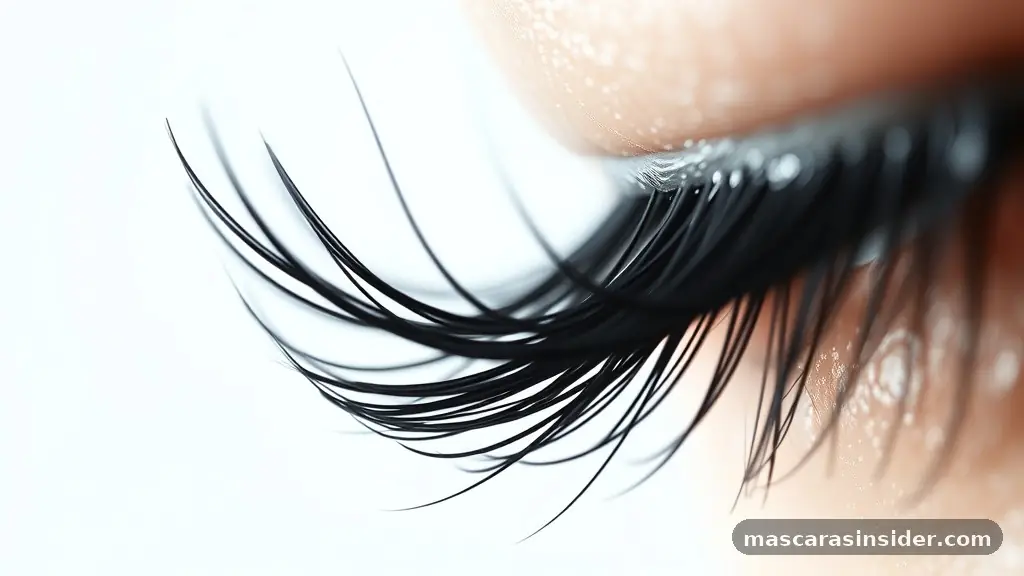
Waterproof mascara is essentially formulated with hydrophobic polymers and waxes that repel water. While this makes your look last through a rainy day or an intense workout, it also creates a barrier that standard soap and water cannot easily penetrate.
When you try to rinse these products off with just water, the formula remains intact, leading many to rub their eyes aggressively. This friction is exactly what you want to avoid, as the skin around the eyes is the thinnest on the face and highly prone to premature aging.
The key to successfully breaking down these stubborn waxes is to use a substance that is chemically similar to the ingredients within the mascara. Since waterproof products are oil-based or wax-based, they respond best to oil-based solvents.
By applying an oil-based medium, you essentially dissolve the bond between the mascara and your lashes, allowing the product to slide off effortlessly rather than being pulled away. Understanding this simple chemical principle allows you to shift from a mindset of scrubbing to one of dissolving.
Selecting the Right Makeup Remover
Not all products are created equal when you need to remove waterproof mascara. You generally have three main categories of effective removers: dual-phase liquid removers, cleansing balms, and natural oils.
Dual-phase removers contain both an oil component and a water-based component that you shake to combine before application. These are specifically designed to tackle high-performance makeup without leaving a greasy residue behind.
Cleansing balms are another fantastic option for those who prefer a more luxurious, spa-like experience. These solid waxes melt into a silky oil upon contact with your body heat, effectively loosening thick layers of mascara as you massage them into the lashes.
If you are looking for a more minimalist approach, high-quality botanical oils can work wonders. Regardless of your choice, ensure the product is ophthalmologist-tested to prevent stinging or blurred vision.
The Proper Technique for Dissolving Pigment
The biggest mistake people make when learning how to take waterproof mascara off is rushing the process. You must give the solvent time to work.
Start by saturating a clean cotton pad or a reusable bamboo round with your chosen remover. If you are using a cleansing balm, take a small amount on your fingertips and warm it up between your hands before gently pressing it onto your closed eyes.
Once the product is applied, hold the pad or your fingers against your lashes for at least 20 to 30 seconds. This “soaking” period is crucial because it allows the oil to penetrate the wax coating of the mascara. Do not rub back and forth yet.
After the waiting period, gently sweep the pad downward in the direction of your lash growth. You will notice the mascara transferring onto the pad rather than staying stuck to your eyes. If any residue remains, repeat the process with a fresh pad rather than pressing harder.
Using Natural Oils for Gentle Removal
Many people successfully use household oils to remove stubborn eye makeup. Coconut oil is a popular choice due to its ability to melt quickly and its moisturizing properties for the delicate skin around the eyes.
However, it is important to choose a high-quality, cold-pressed oil to avoid potential impurities. Apply a tiny amount to your fingertips, massage it into the lashes, and wipe away with a damp, warm cloth.
While natural oils are effective, they can sometimes leave a heavy film over the eyes, temporarily blurring your vision. This is perfectly normal and usually dissipates within a few minutes.
If you have oily or acne-prone skin, be sure to follow up with your regular foaming cleanser to remove any residual oil from your lids and lash line. This prevents the oil from clogging pores or causing milia, which are small white bumps that can develop under the eyes.
Comparing Common Removal Methods
Choosing the best method often depends on your skin type and the specific brand of mascara you use. The following table compares the most common approaches to help you decide which fits your lifestyle and routine.
| Method | Best For | Pros | Cons |
|---|---|---|---|
| Dual-Phase Remover | Heavy-duty waterproof mascara | Fast, effective, oil-free finish | Requires shaking, can be drying |
| Cleansing Balm | Full-face makeup wearers | Nourishing, gentle, no cotton waste | Can be messy, requires rinsing |
| Natural Oils | Sensitive or dry skin | Natural, budget-friendly | Can cause temporary blurriness |
Addressing the Topical Gaps
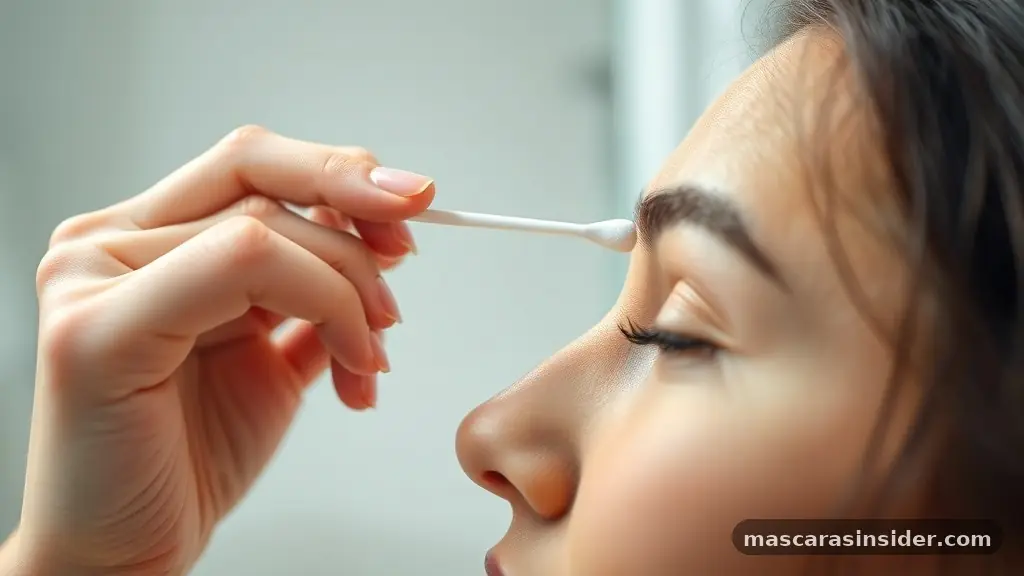
A common frustration is when mascara seems to “clump” or stick to the lash line even after using a remover. This usually happens because the product has settled between the roots of the lashes.
To address this, use a clean, soft-bristled spoolie brush or a cotton swab dipped in your remover. Gently wiggle the swab at the base of the lashes to break up the dried product that fingers or pads might miss.
Another gap in many routines is the failure to cleanse the waterline. Even if you don’t wear eyeliner, tiny particles of mascara often migrate to the inner rim of the eye. If left uncleaned, these pigments can cause irritation or even infections.
To clean this area, use a pointed cotton swab dipped in micellar water to carefully trace the waterline. Always move from the inner corner of the eye outward to ensure you aren’t pushing debris back into the tear duct.
The Role of Double Cleansing
If you wear waterproof mascara daily, incorporating a double cleansing routine is the most effective way to maintain eye health. The first step involves using an oil-based cleanser or balm specifically to break down the makeup. The second step involves using a gentle, water-based cleanser to wash away the oil, dirt, and any remaining makeup particles from the skin.
This two-step process ensures that you aren’t leaving any heavy oils on your face while guaranteeing that every trace of pigment is removed. By ensuring your lashes are completely clean every night, you allow them to remain flexible and soft.
Stiff, mascara-coated lashes are more prone to snapping when you sleep, so a thorough cleanse is essentially an insurance policy for your lash health. You can find more information on proper daily skin care practices through the American Academy of Dermatology.
Common Mistakes to Avoid
When you learn how to take waterproof mascara off, you will quickly realize that technique is more important than the product itself. Avoid using harsh rubbing motions, as this stretches the skin and accelerates the formation of fine lines. Never use regular soap to remove waterproof makeup; it is not formulated to break down waxes and will likely just strip your skin of its natural moisture, leading to tightness and irritation.
Another frequent error is using tissues to remove makeup. Tissues are often abrasive and can leave behind tiny paper fibers that get trapped in your eyes, causing significant discomfort.
Always stick to soft cotton pads, bamboo rounds, or a clean, microfiber cloth designed for makeup removal. If you are using a cloth, ensure it is washed frequently to avoid transferring bacteria back onto your eyelids.
Post-Removal Care for Lashes and Skin
After you have successfully removed your makeup, your eyes might feel a little sensitive. It is important to follow up with a soothing eye cream or a light moisturizer to replenish the hydration that the removal process may have depleted. Look for products containing hyaluronic acid or ceramides, which help support the skin barrier around the eyes.
If you find that your lashes are feeling brittle, you might consider applying a lash serum or a drop of castor oil before bed. While these products won’t remove your makeup, they help condition the hair follicles, ensuring that your lashes remain strong and resilient against the daily wear and tear of waterproof formulas. Consistency is the secret to healthy lashes, so treat this post-removal step as a vital part of your evening ritual.
Creating a Sustainable Routine
Transitioning to more sustainable habits can change how you view your nightly routine. Instead of relying on disposable cotton pads, consider investing in washable microfiber makeup remover pads.
These are highly effective at grabbing onto pigments and can be tossed into the laundry with your towels. They are not only better for the environment but also much softer on your skin than traditional disposable options.
Furthermore, consider the ingredients in your products. Many people find that switching to a high-quality cleansing balm reduces the number of steps in their routine while providing a better experience for their skin.
When you find a product that works, stick with it. Regularly changing your makeup remover can sometimes lead to unexpected reactions, so once you find a gentle, effective cleanser, keep it as a staple in your vanity.
Frequently Asked Questions
What is the most effective way to dissolve waterproof mascara?
The most effective way is to use an oil-based cleanser or a dual-phase makeup remover. These products contain oils that break down the hydrophobic waxes in waterproof mascara. By applying the product and letting it sit on the lashes for at least 30 seconds, you allow it to dissolve the makeup without the need for harsh scrubbing.
Can I use Vaseline to take off waterproof mascara?
Yes, petroleum jelly can effectively break down waterproof mascara because it is oil-based. Use a tiny amount on your fingertips, massage it gently into your lashes, and wipe it away with a warm, damp cloth. Be careful not to get it directly inside your eyes, as it can cause temporary blurriness.
Why does my mascara stay on even after I wash my face?
Waterproof mascara is designed to be insoluble in water, so standard face wash or soap will not remove it. If you are only using water or a water-based cleanser, the formula will remain intact. You must use an oil-based product to dissolve the wax-based bonds of the mascara.
Is it bad to leave waterproof mascara on overnight?
Yes, leaving mascara on overnight is harmful to your lashes and your eye health. The hardened formula can make your lashes brittle, causing them to break while you sleep. Additionally, trapped makeup can lead to irritation, styes, or clogged follicles along the lash line, which may cause inflammation or infection.
Final Thoughts
Mastering the art of how to take waterproof mascara off is about patience and using the right tools. By prioritizing oil-based cleansers and allowing them time to dissolve the product, you protect your lashes from breakage and keep the sensitive skin around your eyes supple. Whether you prefer a luxurious cleansing balm or a simple natural oil, the goal remains the same: a gentle, thorough cleanse that leaves your eyes refreshed and ready for rest.
If you have been struggling with stubborn pigments or lash loss, try adjusting your technique to include a longer soak time and softer, more deliberate movements. Your lashes will surely thank you for the extra care, and you will find that your nightly routine becomes a peaceful moment of self-care rather than a stressful chore. If you have questions about your specific skin sensitivity, feel free to share your experience or reach out for more tailored advice.