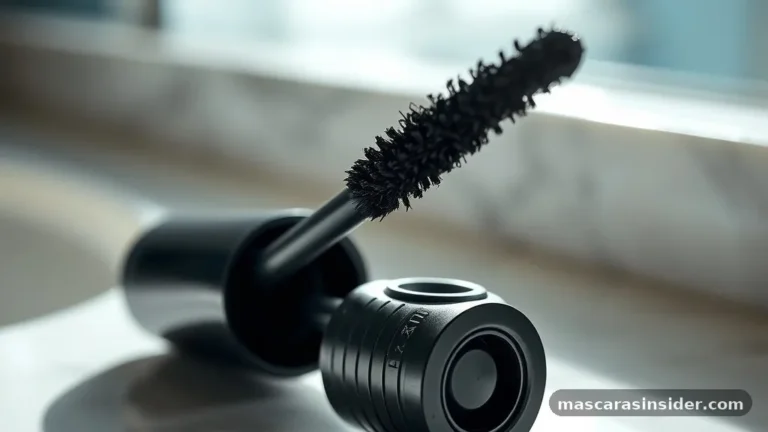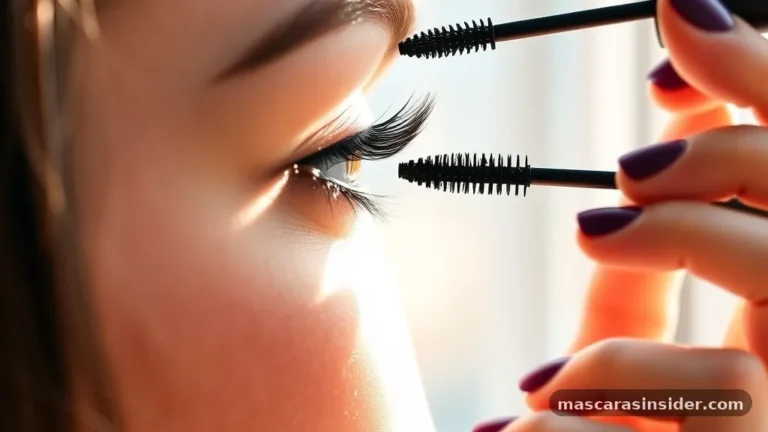
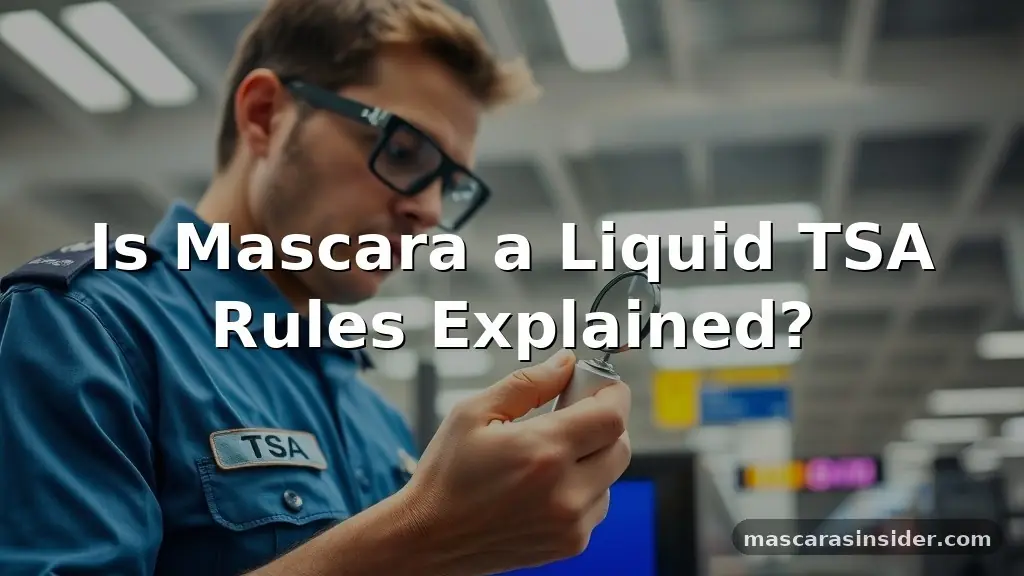
Figuring out whether your favorite beauty products belong in your carry-on or checked luggage often feels like a guessing game. When you are standing in a long security line, the last thing you want is for a TSA agent to pull your bag aside because you weren’t sure if mascara is a liquid TSA officials count toward your limit.
Understanding how airport security classifies these common cosmetic items ensures that your travel experience remains smooth and stress-free. By knowing exactly what counts as a liquid, you can confidently pack your essentials without worrying about losing your expensive makeup at the checkpoint.
Classifying Mascara Under Current Regulations
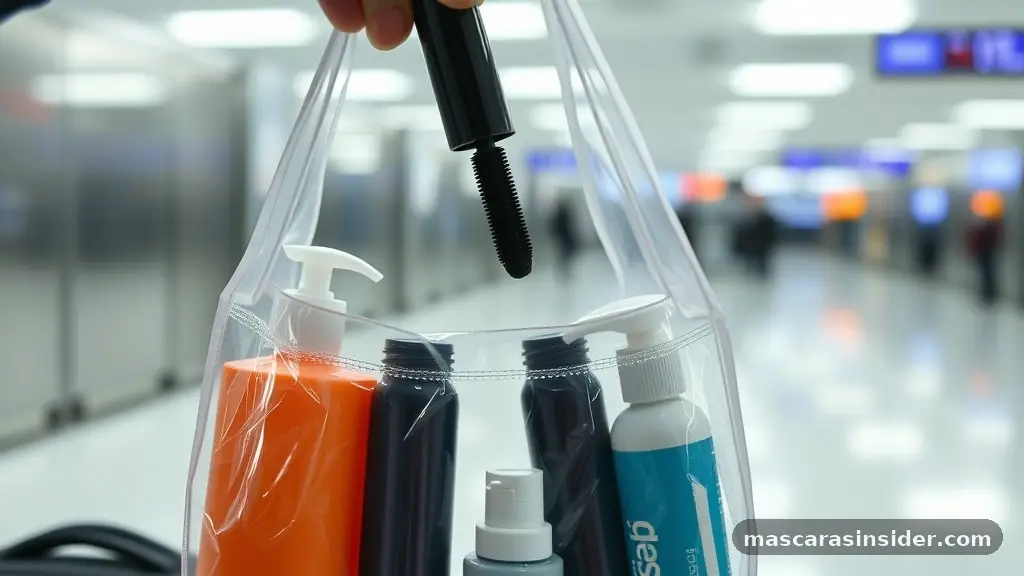
The Transportation Security Administration categorizes items based on their physical state. If it can be spilled, sprayed, spread, pumped, or poured, it is generally treated as a liquid. Because mascara has a viscous, gel-like consistency, it falls squarely into this category.
Even though it is applied with a wand and not poured from a bottle, airport security agents view it as a liquid product. This means you must treat it exactly like your shampoo, toothpaste, or face wash when you are preparing for your flight.
Since the agency enforces the 3-1-1 rule, you must ensure that your tube of mascara fits within the parameters set for all carry-on liquids. You do not need to worry about the specific volume of the tube if it is a standard size, but it must be stored in your transparent, quart-sized bag.
Many travelers mistakenly assume that because mascara is a small item used specifically for the eye area, it receives an exemption. This is not the case, and assuming otherwise could lead to the disposal of your product at the security checkpoint.
The 3-1-1 Rule for Makeup Products
The cornerstone of air travel security regarding toiletries is the 3-1-1 rule. This simple guideline dictates that every liquid, gel, or aerosol you bring in your carry-on must be in a container that is 3.4 ounces (100 milliliters) or less.
All of these individual containers must fit comfortably into one clear, quart-sized, resealable plastic bag. When you pack makeup, you should view your mascara as just one of many components competing for that limited space.
Because your quart-sized bag is often tight, you need to be strategic about which items you prioritize. If you carry a full makeup kit, you might find that your liquids bag fills up faster than you anticipated.
This is why many experienced travelers opt for travel-sized versions of their favorite items or consolidate their liquid makeup into smaller, leak-proof containers. By adhering strictly to these rules, you avoid unnecessary delays and ensure that your beauty routine stays intact once you reach your destination.
Why Consistency Matters at Security
Security screeners look for items that have a fluid nature. While a solid lipstick is not typically considered a liquid, cream-based products are treated differently. A cream blush, a liquid concealer, or a tube of mascara all share a texture that is malleable and fluid.
When you pass through the scanner, these items are grouped together by the technology used to identify potential threats. If an item has a texture that could be manipulated or is fundamentally a liquid in its container, the agents will require it to be separated from your luggage.
This classification system exists to maintain a consistent standard across all airports. By keeping the definition of liquids broad, the security staff can apply the same logic to every traveler, regardless of the brand or type of cosmetic.
Understanding that your mascara is a liquid TSA agents will scrutinize helps you prepare your bag before you even arrive at the airport. It is far better to be over-prepared and have your liquids easily accessible than to be caught off guard while in the security queue.
Packing Strategies for Your Makeup
Efficiency is the name of the game when you are trying to pack makeup for a flight. Since you only have one quart-sized bag for all your liquids, you should prioritize the items you truly need during your trip.
If you are going on a short weekend getaway, you might consider leaving the heavy, full-sized foundation at home and bringing only a small amount in a sample container. This leaves more room for your mascara, eyeliner, and other eye-related products that you use daily.
Organizing your bag in a way that makes it easy to pull out is also essential. Most airports require you to remove your liquids bag from your carry-on and place it in a separate bin during screening. If your bag is buried under clothes or electronics, you will create a bottleneck for yourself and other passengers.
Keep your liquids bag near the top of your carry-on or in an external pocket so you can grab it quickly. This small habit makes the transition through security much faster and significantly less stressful.
Comparing Liquid and Solid Cosmetics
Not all beauty products are created equal when it comes to airport security. Some items are clearly liquids, while others occupy a gray area.
Knowing the difference helps you decide which products can stay in your main luggage and which must go into your quart-sized bag. The following table highlights how different common cosmetic items are typically classified by security personnel.
| Product Type | Classification | TSA Requirement |
|---|---|---|
| Mascara | Liquid/Gel | Must be in quart-sized bag |
| Pressed Powder | Solid | Can remain in carry-on |
| Cream Blush | Liquid/Gel | Must be in quart-sized bag |
| Lipstick | Solid | Can remain in carry-on |
| Liquid Concealer | Liquid | Must be in quart-sized bag |
As the table demonstrates, the texture of the product is the primary factor. If you are ever in doubt about a specific item, the safest bet is to place it in your quart-sized bag. You will never be penalized for having a solid item in your liquids bag, but you will certainly be inconvenienced if you have a liquid item outside of it.
Managing Eye Makeup During Travel
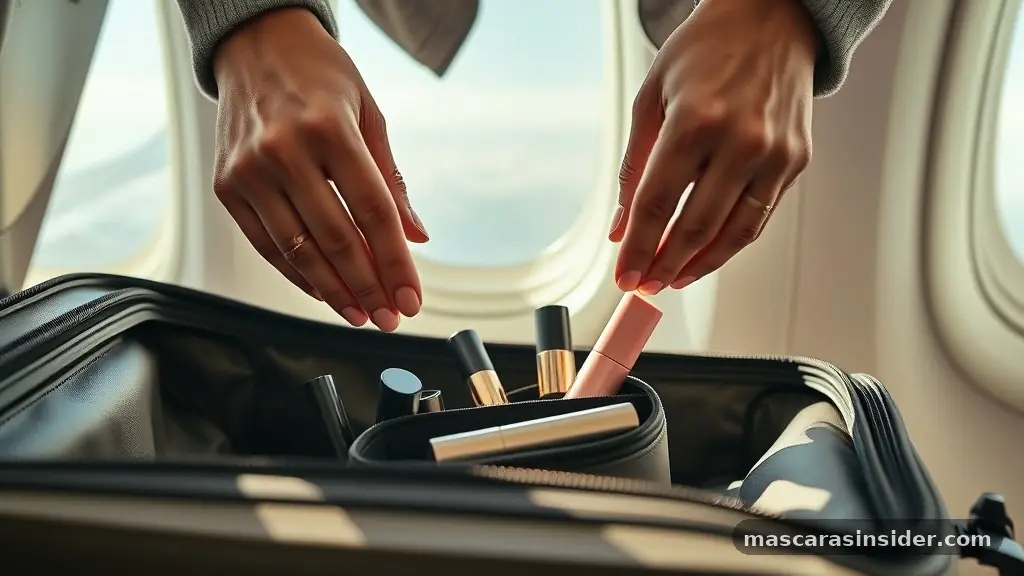
Your eye makeup, including mascara and liquid eyeliner, requires special care because the containers are often small but prone to leaking. Temperature changes in the cargo hold or even in the cabin can cause pressure to build up inside tubes.
If you pack your makeup in a secure, leak-proof pouch within your quart-sized bag, you protect your other belongings from potential spills. This is particularly important for high-end mascaras that might be expensive to replace if they leak.
Additionally, consider the shelf life of your products when traveling. Mascara, in particular, should be replaced regularly to prevent eye infections.
If you are taking a long trip, bringing a fresh tube is often better than relying on an older one that might be near the end of its life. By combining good packing habits with an understanding of the rules, you can maintain your beauty standards without compromising on safety or compliance with travel regulations.
Dealing with Exceptions and Special Cases
Sometimes, travelers have medical or specialized needs that require larger quantities of liquids. If you have a specific medical necessity for a liquid, such as a specialized eye treatment or a prescription cream, you must declare it to the security officer.
These items are often exempt from the 3.4-ounce limit, but they must be presented separately for inspection. Do not assume your items will be automatically granted an exemption; always inform the officer before the screening process begins.
For standard makeup, however, there are very few exceptions. Even expensive designer mascara is subject to the same rules as a budget-friendly alternative.
The security screening process is focused on the contents and the volume, not the brand or the cost. By keeping your items within the standard guidelines, you avoid the need for special declarations and ensure that your transit through the airport is as seamless as possible.
Addressing Topical Gaps in Security Knowledge
Many travelers ask if there is a difference between domestic and international travel regarding these rules. While individual countries may have their own variations, the fundamental rules regarding liquids are remarkably consistent across most international hubs.
The 3.4-ounce limit is a global standard for cabin baggage. If you are traveling internationally, it is always a good idea to check the specific requirements of your destination, but you can generally rely on the 3-1-1 rule as a baseline.
Another common question involves multi-use palettes. If you have a palette that contains both powders and cream-based products, the entire item is usually treated as a liquid if the creams are significant. To be safe, pack any palette that contains creams in your liquids bag.
This proactive approach prevents the security staff from having to open your palette to inspect individual components, which could damage the product. You can find more detailed information on official travel guidelines at the official Transportation Security Administration website to ensure you are looking at the most current policies.
Common Mistakes to Avoid
One of the biggest mistakes travelers make is failing to check their carry-on for hidden liquids before leaving for the airport. A forgotten tube of mascara in a side pocket or a travel-sized lotion at the bottom of a bag can lead to a secondary screening.
Always take a moment to double-check your pockets and compartments. This simple act of organization saves you time and prevents the frustration of losing items to the trash bin.
Another mistake is overstuffing the quart-sized bag. The bag needs to be able to close securely. If you have to force the zipper, you are likely carrying too much, or your containers are too large.
If you find yourself in this situation, move some of your items to your checked luggage. Checking a bag is often worth the extra effort if it means you can carry your full collection of liquids without the stress of adhering to the strict carry-on limits.
The Importance of Being Prepared
The goal of airport security is to ensure the safety of all passengers, and the liquid rules are a vital part of that mission. By understanding that your mascara is a liquid TSA agents look for, you are doing your part to keep the lines moving.
Preparation is the best way to handle the complexities of modern travel. When you know the rules, you can focus on the excitement of your trip rather than the anxiety of the security checkpoint.
Make it a habit to keep your travel-sized liquids in a dedicated bag that is always ready to go. This “go-bag” saves you time every time you prepare for a flight and ensures you never leave home without your essentials.
By being organized and informed, you turn a potentially stressful part of the journey into a routine task. Enjoy your travels, and remember that with a little bit of planning, you can bring everything you need to feel your best.
Frequently Asked Questions
Do I have to take my mascara out of my bag at the airport?
Yes, you are required to remove your quart-sized bag containing your liquids, including mascara, from your carry-on luggage. Placing it in a separate bin allows the security officers to scan it efficiently, ensuring that your items comply with the current rules for travel.
Can I bring multiple tubes of mascara in my carry-on?
You can bring multiple tubes as long as they all fit comfortably inside your single quart-sized bag. The primary constraint is not the number of items, but the total volume of all liquids combined and the capacity of the clear plastic bag used for transport.
Is waterproof mascara treated differently than regular mascara?
No, all types of mascara are classified as liquids or gels by security. Whether it is waterproof, thickening, or lengthening, it must be stored in your liquids bag. The chemical composition does not change how the security scanners perceive the item during the screening process.
What happens if my mascara is over 3.4 ounces?
Standard mascara tubes are almost always well under 3.4 ounces. If you somehow have a professional-sized or oversized product that exceeds this limit, it will not be permitted in your carry-on. You must either place it in your checked luggage or surrender the item at the checkpoint.
Conclusion
Navigating airport security is much simpler when you understand how common beauty items are classified. Remembering that mascara is a liquid TSA agents include in their 3-1-1 rule will save you from unnecessary complications at the checkpoint. By keeping your eye makeup and other liquid essentials in a clear, quart-sized bag, you ensure that you are fully prepared for your journey.
Take the time to organize your liquids before you head to the airport, and you will find that the entire process becomes far more manageable. If you have any specific concerns about your items, always check the latest regulations before you depart. Safe travels, and feel free to reach out if you have more questions about packing for your next adventure.
Meta Description: Is mascara a liquid TSA rule confusing you? Learn how to pack your eye makeup and comply with the 3-1-1 liquid policy for a stress-free flight.