
Understanding what mascara is made out of is a common curiosity for beauty enthusiasts who want to know exactly what they are applying to their delicate eye area. While the tube may seem simple, the chemistry inside is a precise blend of pigments, waxes, and oils designed to coat and lengthen lashes. Whether you are curious about the origins of specific components or simply want to decode a complex ingredient list, getting a clear picture of these formulations can help you choose the right product for your needs.
The Core Components of Modern Mascara
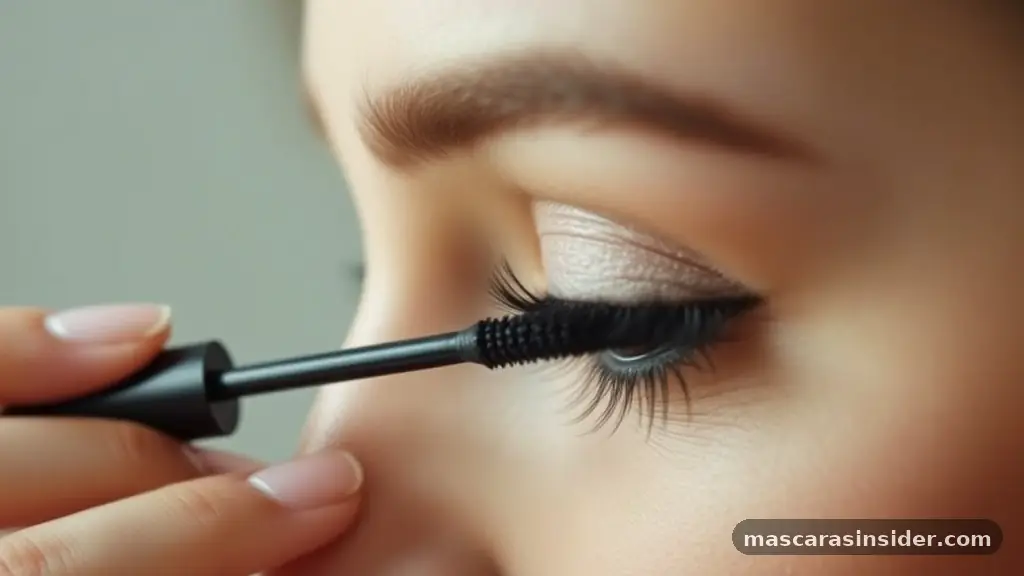
At its most basic level, mascara is a mixture of pigments, oils, waxes, and preservatives. These ingredients work in harmony to ensure the product glides onto your lashes smoothly without clumping or smudging.
Manufacturers carefully balance these elements to create specific effects, such as volume, curl, or length. The base of most formulas is a combination of water and oil, which creates an emulsion that holds the pigment in place until you are ready to wash it off.
Waxes are perhaps the most vital component in any mascara formula. They provide the structure that allows the product to build thickness around each lash. Common waxes include beeswax, carnauba wax, and paraffin.
These substances are naturally sticky and malleable, which helps the mascara adhere to the fine hairs of your lashes. By adjusting the ratio of these waxes, formulators can create products that either hold a curl well or offer a softer, more flexible finish throughout the day.
Pigments and the Quest for Deep Black
The dramatic look of dark lashes is achieved through high-quality pigments. The most common pigment used in professional cosmetics is carbon black.
This fine powder provides an intense, opaque color that stands out against the skin. In the industry, carbon black is prized for its ability to absorb light, creating that sought-after jet-black appearance that defines many popular beauty products.
Because safety is a priority in eye makeup, these pigments are rigorously tested to ensure they do not cause irritation. Synthetic iron oxides are also frequently used to create softer shades of brown or charcoal.
These minerals are stable and safe for use near the eye, providing the color payoff that users expect from their daily makeup routine. When you examine a product label, you will often find these listed as “CI 77499” or similar technical codes.
Demystifying the Bat Poop Myth
One of the most persistent urban legends in the beauty world is the idea that mascara contains bat poop. It is time to set the record straight: this is entirely false.
The confusion likely stems from a misunderstanding of the word “guanine.” Guanine is a crystalline material that creates a shimmering, pearlescent effect in various cosmetics, including eyeshadows and some mascaras.
In nature, guanine can be found in the scales of fish or even in bird guano. However, the guanine used in modern cosmetics is almost exclusively synthetic or sourced from processed fish scales, not from bat waste.
You can rest assured that your favorite beauty items are produced under strict hygienic standards. The Food and Drug Administration provides extensive guidelines on the safety and labeling of cosmetics to ensure that no such unsanitary materials ever make it into your makeup bag.
Waterproof vs. Washable Formulas
The primary difference between standard and waterproof mascaras lies in their base solvent. Washable formulas are typically water-based, meaning they are easy to remove with simple soap and water.
These are great for everyday use when you do not need your makeup to survive a swim or a rainy day. However, because they are water-soluble, they can run if you get teary or sweat heavily during a workout.
Waterproof versions, on the other hand, rely on volatile solvents or higher concentrations of oils and waxes that repel moisture. These formulas are designed to stay put through humidity and water exposure.
The trade-off is that they are much harder to remove and require an oil-based makeup remover to dissolve the stubborn, water-resistant film. If you frequently wear waterproof makeup, it is essential to be gentle when cleansing to avoid damaging your lashes.
The Role of Polymers and Film Formers
To achieve a long-lasting look that doesn’t flake, chemists add polymers and film-forming agents to the mix. These ingredients create a thin, flexible coating around each lash.
Think of it like a protective sleeve that locks in the pigment and prevents it from crumbling onto your cheeks by the end of the day. Without these polymers, the wax and pigment would likely break apart as your lashes move and blink.
These film formers are also responsible for the “tubing” technology found in many modern products. Tubing mascaras wrap each individual lash in a polymer tube that slides off cleanly with warm water, rather than smearing like traditional oil-based pigments. This innovation has changed how many people view their daily routine, offering a smudge-proof experience that is still incredibly easy to remove at night.
Common Ingredients in Mascara Formulations
When you look at a label, the sheer number of scientific names can be intimidating. However, most of these serve specific, functional purposes.
Beyond the pigments and waxes, you will find a variety of emollients that keep the formula from drying out inside the tube. These oils, such as castor oil or mineral oil, ensure the brush picks up the right amount of product every time you use it.
| Ingredient Category | Primary Function | Examples |
|---|---|---|
| Waxes | Structure and thickness | Beeswax, Carnauba |
| Pigments | Color and opacity | Carbon Black, Iron Oxides |
| Film Formers | Hold and smudge-resistance | Acrylates Copolymer |
| Preservatives | Shelf-life and safety | Phenoxyethanol |
Safety and Preservatives
Because mascara is applied so close to the eye, it is one of the most heavily regulated items in a makeup collection. Preservatives are non-negotiable in these formulas.
Since the brush goes from your lashes into the tube and back again, it can introduce bacteria into the product. Preservatives prevent the growth of mold and microbes, ensuring that your mascara remains safe for the duration of its shelf life.
In the past, ingredients like thimerosal were used as preservatives, but these have largely been phased out due to concerns about sensitivity. Modern brands prefer safer alternatives like phenoxyethanol or caprylyl glycol. Always check the ingredient list if you have a known history of eye allergies, and remember that mascara should generally be replaced every three months to minimize the risk of contamination.
Vegan and Cruelty-Free Considerations
Many consumers are looking for vegan options that exclude animal-derived ingredients like beeswax or shellac. If you are reading labels, look for plant-based waxes such as candelilla or sunflower wax, which offer similar performance to traditional beeswax. Many brands now highlight these formulations, making it easier than ever to find high-performing products that align with your ethical preferences.
It is also worth noting that “vegan” does not always mean “natural.” A product can be entirely synthetic and still be vegan.
If you prefer natural ingredients, look for brands that emphasize botanical oils and mineral-based pigments. Whether you choose a conventional product or a specialized vegan formula, the core mechanics of how the product coats your lashes remain largely the same.
Why Mascara Clumps and Flakes
If your makeup starts looking spider-like or flaky, it is usually a sign that the formula is either old or the application technique needs adjustment. Over time, the solvents in the tube evaporate, causing the waxes to become thicker and harder to apply evenly. This is why you should never “pump” the wand in and out of the tube, as this forces air inside and accelerates the drying process.
Flaking, on the other hand, often happens when the film-forming polymers lose their flexibility. If you apply too many layers, the product becomes brittle and begins to snap off as you move your eyes.
To get the best look, apply one or two coats while the product is still fresh, and avoid layering once the first coat has completely set. This simple change can make a massive difference in how your lashes look throughout the day.
Topical Gaps: What You Should Know
There is often a gap between what marketing claims and what the product actually does. For instance, many products claim to “grow” your lashes.
While some formulas contain conditioning agents like keratin, panthenol, or peptides that can improve the appearance of lash health, they do not function as medical-grade hair growth treatments. These ingredients act more like a leave-in conditioner for your hair, coating the shaft to make it look thicker and healthier.
Another common question concerns whether mascara can cause permanent damage. In reality, modern cosmetics are quite safe when used as directed. The biggest risk comes from sleeping in your makeup or using expired products.
When you leave mascara on overnight, it can cause lashes to become brittle and break, or lead to eye irritation. Always take the time to remove your eye makeup thoroughly before going to bed.
Frequently Asked Questions
Is it safe to use mascara every single day?
Yes, using it daily is perfectly safe provided you choose a reputable brand and follow proper hygiene practices. Always ensure you are not sharing your wand with others to avoid cross-contamination. If you notice any redness or itching, discontinue use immediately and consult a professional.
How do I know if my mascara has expired?
Most experts recommend replacing your tube every three months. If the product develops an unusual smell, changes texture, or becomes excessively clumpy, it is time to toss it. Never add water or oil to an old tube to “revive” it, as this can introduce harmful bacteria.
Does mascara contain spider legs or fish scales?
No, mascara does not contain spider parts. While some older cosmetic traditions or niche products may have used fish scales for shimmer, modern formulations rely on synthetic minerals or pigments. The rumors regarding spider legs or bat guano are simply myths that have no basis in reality.
What ingredients should I avoid if I have sensitive eyes?
Those with sensitive eyes should look for formulas labeled as hypoallergenic or ophthalmologist-tested. Ingredients like synthetic fragrances and certain strong preservatives can sometimes cause reactions. If you struggle with irritation, consider choosing a formula that is free from parabens and heavy perfumes to minimize the risk.
Conclusion
Understanding what mascara is made out of helps take the mystery out of your daily routine. By identifying the roles of waxes, pigments, and film-forming polymers, you can make more informed choices about the beauty products you bring into your home. Whether you prioritize a natural ingredient list, long-lasting wear, or ease of removal, there is a formulation designed to meet your specific preferences.
Remember that the safety of your eye makeup depends just as much on your habits as it does on the ingredients list. By keeping your tubes fresh, avoiding the urge to pump the wand, and always removing your makeup before sleep, you can enjoy the benefits of these products while keeping your lashes healthy. Feel free to reach out if you have more questions about specific formulations or if you are looking for tips on finding the perfect product for your unique lash type.