
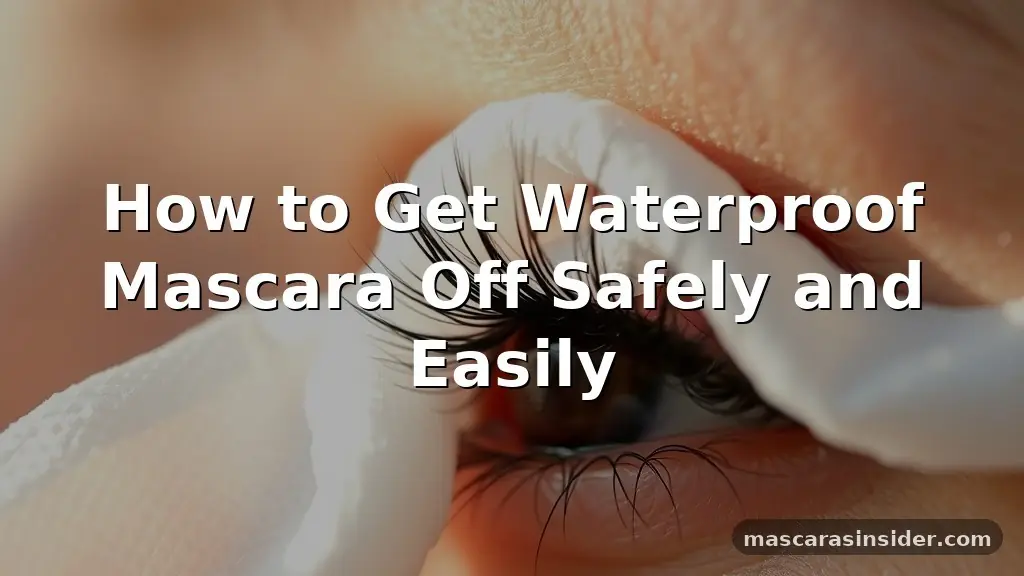
Removing stubborn eye makeup at the end of a long day often feels like a chore, especially when you have relied on long-wearing formulas that refuse to budge. Many people struggle with getting waterproof mascara off because they scrub too hard, which can lead to lash breakage and irritation of the delicate skin around the eyes.
Understanding the right techniques and choosing the appropriate products can transform this nightly routine from a frustrating battle into a quick, soothing experience. By prioritizing your eye health and using the right chemistry, you can ensure your lashes stay healthy while keeping your nighttime routine efficient and effective.
Understanding the Chemistry of Waterproof Formulas
Waterproof mascara is designed to withstand moisture, humidity, and even tears. To achieve this, manufacturers incorporate hydrophobic ingredients like waxes and volatile silicones that create a seal around each hair.
Unlike standard formulas that dissolve easily with water-based cleansers, these ingredients are specifically engineered to resist hydration. When you try to rinse them away with just soap and water, you are essentially trying to mix oil and water, which explains why the product stays firmly attached to your lashes.
To break this bond, you need a solvent that can dissolve those waxes and silicones. This is why oil-based products are the most effective tools for the job.
Lipophilic substances—meaning fat-loving substances—can penetrate the waterproof coating and lift it away from the surface of your lashes without requiring abrasive force. When you understand that you are fighting a chemical barrier rather than just a cosmetic layer, it becomes clear why gentle, oil-based dissolution is far superior to physical scrubbing.
The Role of Oil-Based Cleansers
Oil-based cleansers are arguably the most effective way to address the challenge of removing stubborn eye makeup. Because oil dissolves oil, applying a cleansing oil to your lashes allows the product to break down the waterproof polymers instantly.
You don’t need to rub; you simply need to let the product sit on the lashes for a few seconds. This method is the gold standard for maintaining the integrity of your lashes and the health of your eyelids.
When selecting an oil cleanser, look for ingredients like jojoba, almond, or mineral oil. These substances are generally well-tolerated by the skin and are excellent at lifting away pigments.
You can apply the oil directly to your fingertips and gently massage your closed eyes. The warmth of your skin helps the oil melt the mascara, making it easy to wipe away with a damp cloth or a soft cotton pad.
Using Micellar Water for Sensitive Eyes
If you prefer a lighter sensation than a heavy oil, micellar water is a fantastic alternative. These formulas contain tiny balls of oil molecules called micelles suspended in soft water.
These micelles act like magnets, attracting and lifting dirt, oil, and makeup away from your skin. While standard micellar water might struggle with heavy-duty waterproof formulas, many brands now offer “biphase” versions specifically designed for the task.
Biphase micellar water consists of two distinct layers: one water-based and one oil-based. When you shake the bottle, the two layers combine to create a potent solution that is both effective at dissolving waterproof wax and gentle enough to avoid stinging. It is an excellent choice for those who wear contact lenses or have particularly sensitive eyes, as it doesn’t leave a greasy residue behind.
Best Practices for Using Cotton Pads
The tool you use to remove your makeup is just as important as the cleanser itself. Many people make the mistake of using rough, thin tissues that pull on the skin.
Instead, opt for high-quality cotton pads or reusable bamboo rounds. These materials provide a soft surface that holds the product well and allows you to apply consistent pressure without dragging the skin.
To get the best results, soak your pad thoroughly with your chosen remover. Don’t just wipe; place the saturated pad over your closed eyelid and hold it there for about 15 to 30 seconds. This “soaking” period is crucial.
It gives the product time to break down the waterproof seal. Once the time is up, gently swipe downward toward the tips of your lashes. If there is still residue, repeat the process with a fresh part of the pad rather than scrubbing the same spot repeatedly.
Avoiding Common Mistakes That Damage Lashes
One of the most common mistakes people make is pulling or tugging at their lashes during the removal process. Your lashes are delicate, and consistent physical trauma will lead to breakage and thinning. If you find yourself having to pull at the makeup to get it off, it is a sign that your cleanser isn’t strong enough or that you haven’t allowed it enough time to work.
Another error is failing to cleanse the root of the lash. Waterproof mascara often builds up right at the base of the lash line, which can clog follicles and cause irritation or even styes.
Take the time to carefully clean the lash line using a cotton swab dipped in your cleanser. This detail-oriented approach ensures that no remnants are left behind, keeping your eyes clean and healthy throughout the night.
Comparing Removal Methods
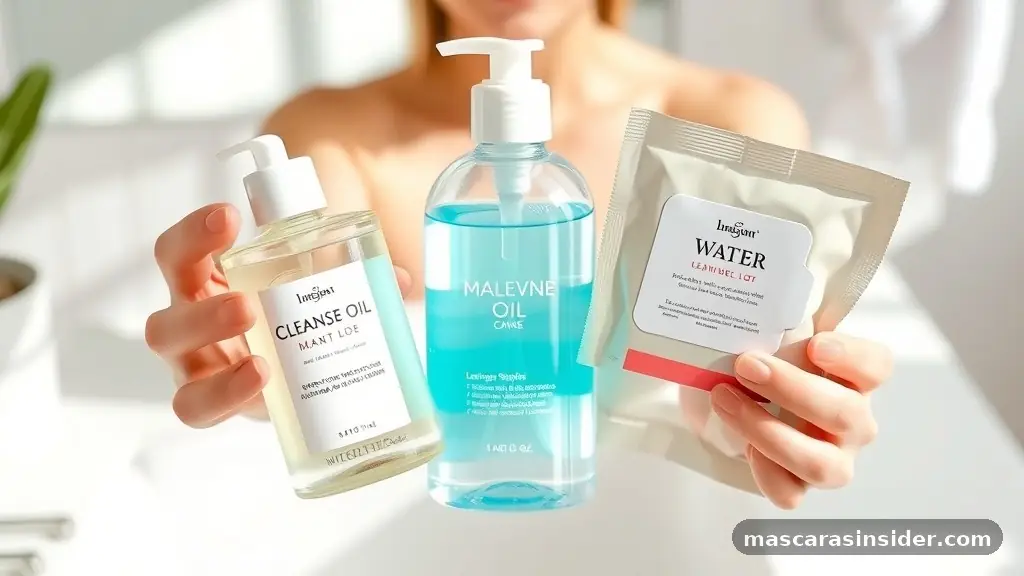
Selecting the right method depends on your skin type, the density of your mascara, and your personal comfort preferences. The following table compares common approaches to help you decide which technique works best for your specific routine.
| Method | Best For | Key Benefit |
|---|---|---|
| Cleansing Oil | Heavy makeup wearers | Fastest dissolution |
| Biphase Micellar | Sensitive eyes | No greasy residue |
| Cleansing Balm | Dry or mature skin | Nourishing feel |
| Natural Oils | Budget-conscious | Minimal ingredients |
Natural Alternatives Found at Home
If you find yourself out of commercial makeup remover, you might be surprised to find effective solutions in your kitchen pantry. Natural oils like coconut oil or extra virgin olive oil are excellent at breaking down waterproof formulas.
Because they are pure fats, they act similarly to high-end cleansing oils. Simply warm a small amount between your fingers and massage it onto your lashes.
However, be mindful of your skin type. If you are prone to acne, coconut oil might be too comedogenic for use on your face, so be sure to wash your face thoroughly with a gentle foaming cleanser afterward.
Always avoid getting any oil directly into your eye, as it can cause temporary blurriness. While these home remedies are effective, they lack the emulsifiers found in professional products that make rinsing away the oil much easier.
The Importance of a Double Cleanse
Double cleansing is a foundational practice in many effective skincare routines. The first step involves using an oil-based cleanser to remove the bulk of the waterproof makeup, sunscreen, and daily grime.
The second step involves using a water-based cleanser to remove any remaining impurities and the oily residue left by the first step. This two-part process ensures that your skin is truly clean without needing to use harsh, drying soaps.
By incorporating a double cleanse, you ensure that your pores remain clear and your eyes are free of debris. This is particularly important if you wear waterproof makeup daily.
Over time, failing to remove every trace of pigment can lead to dullness and irritation. A proper double cleanse sets the stage for the rest of your skincare products to penetrate effectively, ensuring you wake up with a fresh, bright complexion.
Addressing Topical Gaps in Makeup Removal
A common issue that isn’t often discussed is the “morning panda eye” effect, where residue from the night before migrates down the face. This usually happens when the initial cleaning wasn’t thorough enough.
To address this, ensure that you are cleansing not just the lashes, but also the skin directly under the eye and the waterline. Using a clean, damp cloth in a circular motion can help pick up the tiny particles that often get missed.
Another gap in standard advice is the care of lash extensions. If you have extensions, you must avoid oil-based cleansers entirely, as they will dissolve the glue. Instead, use a lash-extension-safe foaming cleanser.
This specialized product is designed to clean the lashes without compromising the bond, ensuring your extensions last as long as possible while still removing daily buildup. You can find more information on eye health and hygiene through resources like the American Academy of Ophthalmology, which emphasizes the importance of keeping the eyelid margin clean.
Maintaining Lash Health Long-Term
Beyond the act of removing makeup, maintaining the health of your lashes requires a holistic approach. Avoid waterproof formulas for everyday use if possible.
Reserve them for special occasions or days when you know you will be exposed to humidity or water. This reduces the frequency with which you have to perform deep-cleaning routines, giving your lashes a break from the mechanical stress of removal.
Consider incorporating a lash serum into your routine if you feel your lashes have become brittle. These products often contain peptides and vitamins that help strengthen the hair follicle.
Combined with a gentle removal process, a good serum can help your lashes grow longer and thicker over time. Remember that consistency is key; your lashes follow a growth cycle, and healthy habits will pay off over several weeks.
FAQ
Can I remove waterproof mascara with just water?
No, water alone is ineffective against the hydrophobic waxes in waterproof mascara. Attempting to remove it with water will only lead to excessive scrubbing, which can damage your lashes and irritate the sensitive skin around your eyes. You must use an oil-based solvent to break the bond.
Is it okay to leave waterproof mascara on overnight?
Leaving mascara on overnight is not recommended. It can cause the lashes to become stiff and prone to breakage. Furthermore, the buildup can lead to clogged hair follicles, which may result in eye irritation or the development of styes. Always cleanse your eyes before going to sleep.
What should I do if my eyes sting during removal?
If your eyes sting, you are likely using a product that is too harsh or accidentally getting the remover inside your eye. Switch to a formula labeled “ophthalmologist-tested” or “for sensitive eyes.” If stinging persists, rinse your eyes immediately with cool water and choose a simpler, fragrance-free oil.
How do I know if I have removed all the mascara?
After cleansing, use a clean, damp white cotton pad to gently swipe over your closed eyelid and lashes. If the pad shows no traces of dark pigment, your lashes are clean. If you see streaks, repeat the cleansing process specifically focusing on the lash roots.
Final Thoughts
Effectively managing your evening routine is essential for maintaining the health of your eyes and the longevity of your lashes. By moving away from harsh scrubbing and embracing oil-based dissolution, you protect the delicate skin around your eyes while ensuring a thorough clean. Whether you opt for a professional cleansing oil or a simple, effective home remedy, the key remains the same: give the product time to work and treat your lashes with the care they deserve.
Taking these extra few minutes each night prevents long-term damage and keeps your eyes looking their best. If you have found a specific technique or product that works wonders for your skin, feel free to share your experience with others who might be struggling with the same beauty challenges.
Meta Description: Learn how to get waterproof mascara off safely using gentle, effective techniques that protect your lashes and skin from irritation and breakage.