
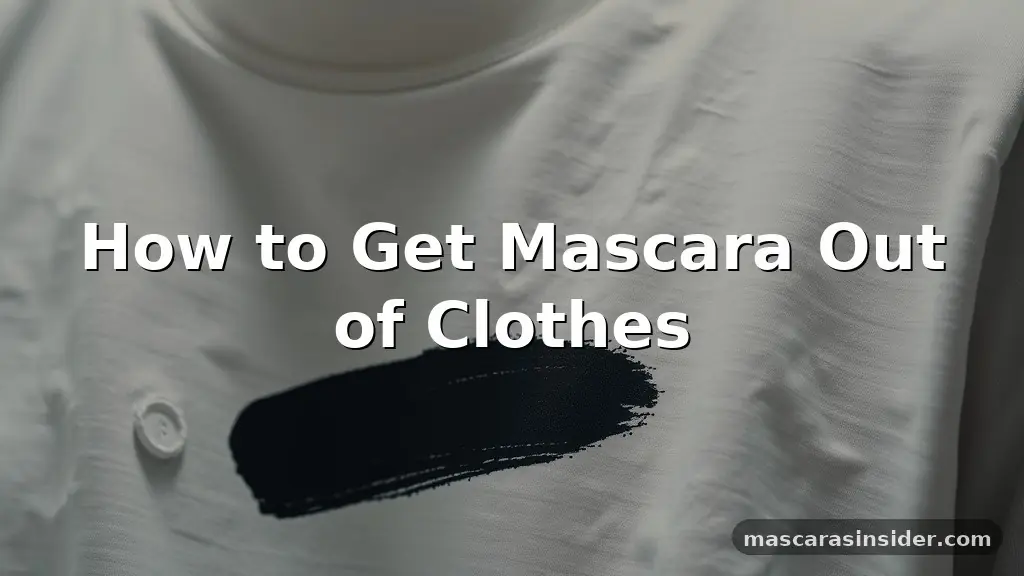
Accidentally brushing your wand against your favorite top is a common morning mishap that can ruin your mood. Whether you are dealing with a fresh smudge or a dried-on mark, figuring out how to get mascara out of clothes often feels daunting because of the product’s waxy, pigment-rich composition. Mascara is specifically formulated to be water-resistant and long-lasting on your lashes, which makes it notoriously stubborn when it transfers to fabric.
However, with the right approach and a bit of patience, you can successfully lift these dark spots without damaging your garments. By acting quickly and using the correct agents, you can restore your clothing to its original state.
Understanding Why Mascara Stains Are So Stubborn
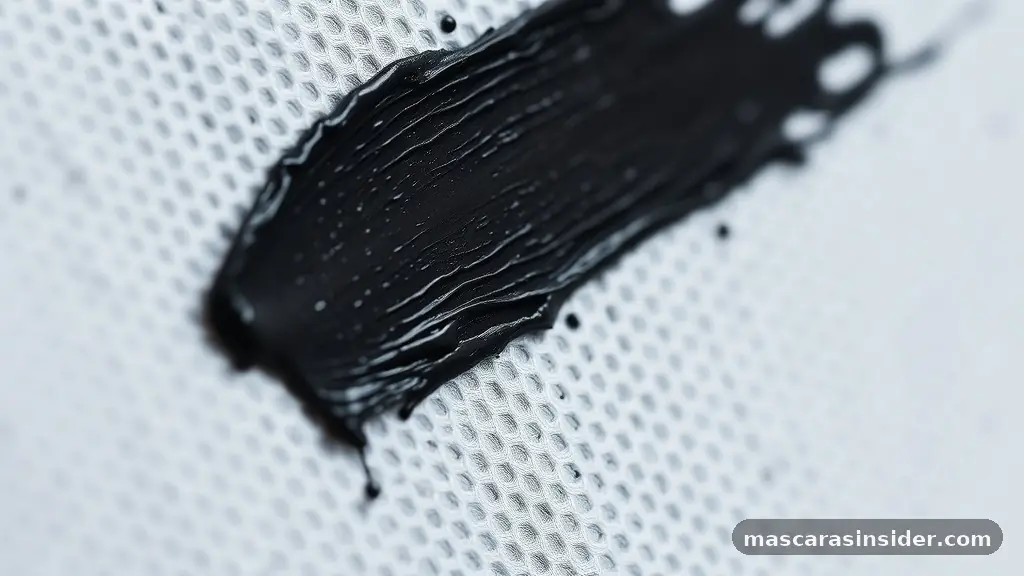
Mascara isn’t like normal dirt; it is a complex cosmetic formulation designed to adhere to hair fibers and resist moisture. Most modern formulas contain a mixture of waxes, oils, and high-intensity pigments like iron oxides or carbon black. These ingredients are engineered to stay put even when you blink or face humidity, which is great for your eyes but challenging for your laundry.
When mascara touches your fabric, the oils and waxes immediately start to bond with the fibers. If the formula is waterproof, it creates a hydrophobic barrier that repels water-based cleaners. This is why simply throwing a stained shirt into the wash with regular detergent often fails to remove the mark.
The heat of the wash cycle can even set the waxes deeper into the weave, making the stain permanent. Understanding that you are fighting a combination of oil and pigment is the first step toward effective removal.
Immediate Steps for Fresh Mascara Smudges
When you first notice a fresh smudge, your primary goal is to prevent the product from settling into the fabric fibers. Resist the urge to rub the area, as this will only push the mascara deeper into the material and spread the stain over a larger surface area. Instead, reach for a clean, dry cloth or a paper towel and gently lift the excess product off the top of the fabric.
If the mascara is still wet, you can use a dull butter knife or the edge of a credit card to carefully scrape away the excess. Work from the outside of the stain toward the center to avoid enlarging the affected area.
Once you have removed the loose bits, you can move on to a spot-treatment method. Remember that speed is your best friend here; the longer the oils sit on the thread, the harder they will be to extract.
The Role of Gentle Dish Soap in Stain Removal
One of the most effective ways to break down the waxy components of mascara is by using a high-quality grease-cutting dish soap. Because dish soap is specifically designed to dissolve lipids and oils, it is surprisingly gentle on most fabrics while being aggressive on cosmetic waxes. This is a staple in most households and serves as an excellent pre-treatment solution for stubborn makeup stains.
To use this method, apply a small drop of clear dish soap directly to the stained area. Using your finger or a soft-bristled toothbrush, gently work the soap into the fibers using a circular motion. Let the soap sit for about 10 to 15 minutes to fully penetrate the wax.
Afterward, rinse the area with cold water, checking to see if the pigment is lifting. If the stain is still visible, you may need to repeat the process before tossing the garment into the wash.
Using Makeup Remover to Lift Pigment
If you have a dedicated oil-based or bi-phase makeup remover on hand, it can be a lifesaver for getting mascara out of clothes. These products are formulated to dissolve the exact ingredients found in your mascara tube. Because they are designed for the delicate skin around your eyes, they are generally safe to use on most clothing materials, though you should always check the care label first.
Apply a small amount of the remover to a white cotton pad or a clean cloth. Blot the stained area repeatedly rather than rubbing.
As the mascara pigment transfers from the clothing to the cotton pad, switch to a clean section of the pad to ensure you aren’t just pushing the dirt back into the garment. This method works exceptionally well for cotton and synthetic blends, but be mindful of silks or delicates that might react to the specific solvents in your remover.
The Importance of Temperature Control
Temperature plays a critical role in the success of your stain removal efforts. Many people mistakenly reach for hot water, thinking it will “melt” the stain away.
In reality, heat can cause the oils and waxes in mascara to liquefy further and penetrate deeper into the fabric weave. Furthermore, high heat can permanently set certain pigments, making them impossible to remove later.
Always use cold water when rinsing or soaking a mascara-stained garment. Cold water helps keep the waxy components of the makeup in a semi-solid state, which prevents them from spreading.
If you are using a pre-treatment spray or a laundry detergent, ensure that you follow the manufacturer’s guidelines regarding water temperature. Consistent use of cold water throughout the entire cleaning process will significantly improve your chances of a successful outcome.
Comparing Stain Removal Agents
Different fabrics and stain types require different approaches. Use the table below to determine which agent might be best for your specific situation.
| Cleaning Agent | Best For | Effectiveness |
|---|---|---|
| Clear Dish Soap | General cotton/synthetic blends | High |
| Oil-based Makeup Remover | Waterproof mascara formulas | Very High |
| Rubbing Alcohol | Sturdy fabrics like denim | Moderate |
| Enzyme-based Detergent | Deep-set or older stains | High |
Handling Stains on White and Delicate Fabrics
White clothing is particularly susceptible to mascara stains, as the dark pigment stands out immediately. When dealing with white items, you have the advantage of being able to use a slightly stronger bleaching agent, but you must be careful not to damage the fibers. A diluted solution of hydrogen peroxide can often lift the final traces of a stain that soap couldn’t remove.
For delicate fabrics like silk or wool, avoid harsh chemicals or excessive scrubbing. These materials can easily fray or lose their shape if treated too aggressively.
If you have a mascara stain on a silk blouse, it is often best to consult a professional cleaner rather than experimenting with household remedies. If you must attempt it at home, use only a very mild detergent and test a small, inconspicuous area of the fabric first to ensure colorfastness.
When to Consider Professional Cleaning
While many mascara stains can be handled at home, there are times when professional intervention is the safer choice. If the garment is labeled “Dry Clean Only,” do not attempt to wash it or treat it with water-based solutions. Water can cause water spots or shrinkage on sensitive fabrics, and the agitation of a home washing machine can ruin the structural integrity of a structured blazer or dress.
Professional dry cleaners have access to specialized solvents and cleaning methods that are specifically designed to lift oils and waxes without harming the fabric. If you have already tried a gentle, non-abrasive method at home and the stain remains, do not keep trying more aggressive techniques. Doing so may damage the fibers.
Take the garment to a professional and clearly point out the stain, as identifying the source of the mark helps the technician choose the right solvent. You can learn more about professional care standards at the Federal Trade Commission guide on care labeling.
Common Mistakes to Avoid
Many people inadvertently make the situation worse by using the wrong tools or techniques. One of the biggest mistakes is using a colored washcloth to blot the stain; the dye from the cloth can transfer onto your garment, creating a secondary stain. Always use a white cloth or paper towel so you can see exactly how much pigment you are removing.
Another common error is putting the garment in the dryer before the stain is completely gone. The intense heat of a dryer acts as an iron, sealing the mascara into the fibers for good.
After you have treated the stain and washed the garment, always air dry it and inspect the area closely. If the mark is still present, repeat the treatment process before allowing the item to go near a tumble dryer.
Preventative Habits for Makeup Application
While accidents happen, you can minimize the risk of mascara transfers by adjusting your morning routine. Consider applying your makeup before you get dressed, especially if you are wearing a delicate fabric or a top that needs to be pulled over your head. If you must apply makeup after dressing, use a silk scarf or a light towel to cover your chest and shoulders, creating a protective barrier between your lashes and your clothes.
Additionally, ensure your mascara is completely dry before you start moving around or changing clothes. Rushing the drying process is a primary cause of accidental smudges.
If you tend to be in a hurry, consider using a faster-drying formula or a setting spray that prevents the product from migrating. Small changes in how you handle your cosmetics can save you a significant amount of stress and laundry time in the long run.
Expert Tips for Long-Lasting Stains
If you discover an old, dried-on mascara stain that has already been through the wash, don’t panic. While it is certainly more difficult to remove, it isn’t impossible.
Start by re-hydrating the stain with a small amount of glycerin or a specialized enzyme-based laundry pre-treater. These products help break down the protein and oil bonds that have hardened over time.
Allow the garment to soak in a basin of cool water with a small amount of detergent for at least an hour. This extended soak gives the cleaning agents enough time to penetrate the fibers and loosen the dried pigment.
After the soak, gently rub the area with a soft brush and rinse well. Patience is essential here; you may need to repeat this cycle several times to see significant improvement.
FAQ Section
Can mascara come out of clothing completely?
Yes, in most cases, mascara can be removed from clothing if you act quickly and use the right approach. The key is to avoid heat and to use an oil-dissolving agent like dish soap or makeup remover to break down the waxy formula before washing.
Does mascara stain permanently?
While mascara is designed to be long-lasting, it is not usually permanent. However, if you apply heat from a dryer to a stained garment, you can “set” the wax and pigments into the fibers, which makes the mark extremely difficult or even impossible to remove.
Does dish soap actually remove makeup stains?
Yes, dish soap is highly effective at removing mascara because it is formulated to cut through grease and oils. Since mascara relies on waxes and oils to stay on your lashes, dish soap helps break these components down, allowing them to be rinsed away from the fabric.
What is the best way to remove mascara from white clothes?
For white clothing, you should start with an oil-based makeup remover or dish soap to lift the pigment. If a faint shadow remains, you can carefully use a mild oxygen-based bleach or a diluted hydrogen peroxide solution, provided the fabric type allows for it.
Conclusion
Successfully removing mascara from your clothes comes down to understanding the nature of the product. By treating the stain as an oil-based issue and avoiding the temptation to use heat or aggressive rubbing, you significantly increase your chances of saving your favorite garments. Always prioritize gentle, effective solvents like clear dish soap or makeup remover, and remember to check the care label on your clothing before applying any treatment.
If you find yourself facing a stubborn mark, stay patient and repeat your cleaning steps rather than rushing the process. With the right tools and a careful, methodical approach, you can keep your wardrobe looking fresh and free from those pesky cosmetic smudges. If you have any specific tips or success stories of your own, feel free to share them, as learning from common experiences helps us all keep our clothing in top condition.
Meta Description: Learn how to get mascara out of clothes with these expert tips. Discover the best methods to remove stubborn makeup stains without damaging your fabrics.