The persistent rumor that mascara is made from bat poop has circulated for decades, often surfacing in internet forums and playground gossip. While the idea of applying guano to your lashes sounds like a bizarre beauty nightmare, it is entirely unfounded in modern manufacturing.
Consumers frequently worry about the origins of their cosmetics, and the confusion likely stems from a misunderstanding of specific chemical names and historical industrial practices. By examining the actual chemistry behind your favorite makeup items, you can separate internet folklore from the reality of how these products are safely formulated for daily use.
The Origins of the Bat Poop Myth
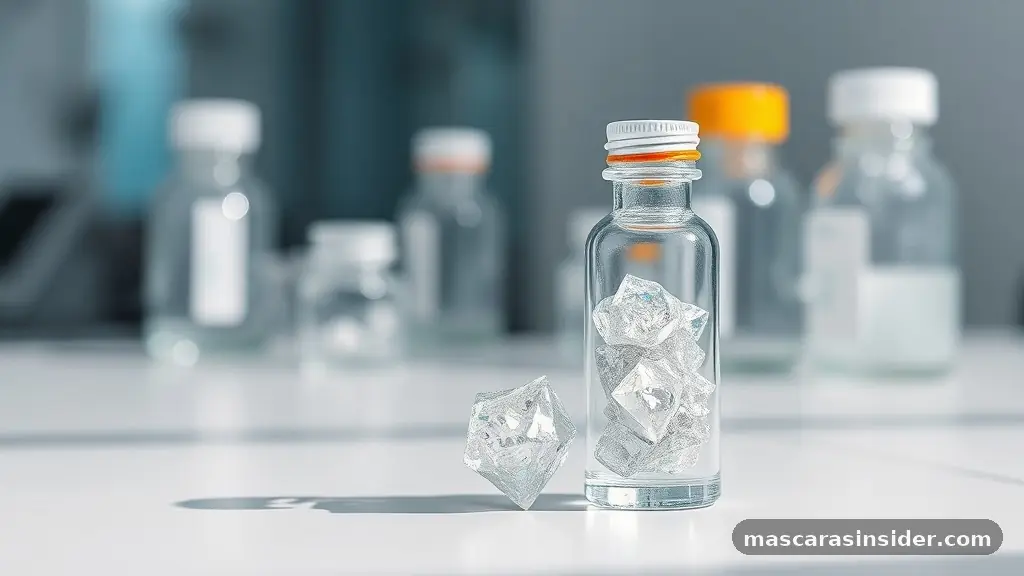
The legend claiming that mascara contains bat droppings likely gained traction due to a phonetic similarity between the word “guano”—the term for bat waste—and the ingredient “guanine.” In the world of cosmetics, guanine is a naturally occurring, shimmering substance that provides a pearlescent effect. Because people heard that certain beauty products contained “guanine,” the leap to “guano” was an easy, albeit incorrect, linguistic jump for skeptics to make.
This myth persists because it taps into a general anxiety about what we put on our bodies. When consumers see long, unpronounceable chemical names on a label, it is natural to wonder about their source.
However, the beauty industry is heavily regulated, and the use of animal waste in mass-produced eye products would be both a health violation and a logistical impossibility. No mainstream brand uses bat excrement in their formulas, as it provides no functional value and would pose significant safety risks.
Understanding Guanine in Beauty Products
To understand why people ask if mascara is made from bat poop, we must look at the role of guanine. Guanine is a crystalline material that occurs naturally in nature.
It is a nitrogenous base found in the DNA and RNA of all living organisms. In the context of cosmetics, it is prized for its ability to reflect light, creating a lustrous, metallic, or pearlescent finish in everything from eyeshadows to nail polishes.
Historically, the guanine used in cosmetics was extracted from fish scales. Specifically, the silvery scales of herring were processed to harvest the crystalline structures that give fish their natural sheen.
Today, while some high-end luxury products might still use natural guanine, most manufacturers have shifted to synthetic alternatives. These synthetic versions of mica or bismuth oxychloride achieve the same shimmering effect without requiring the harvesting of fish or the involvement of any organic waste products.
The Real Ingredients Inside Your Mascara
When you look at the back of a mascara tube, you will see a list of components that are carefully balanced to provide color, texture, and adhesion to your lashes. The primary goal of any mascara formulation is to darken, thicken, and lengthen the appearance of hair fibers. These formulations rely on a combination of waxes, pigments, and film-forming polymers.
Carbon black is perhaps the most common pigment used to achieve the deep, intense black color that defines the product. Waxes—such as beeswax, carnauba wax, or paraffin—are used to structure the mascara, allowing it to coat the hair evenly without clumping.
Meanwhile, polymers help the formula stay on the lashes throughout the day, preventing smudging or flaking. None of these substances have any relation to guano or any other form of animal waste.
The Role of Regulatory Oversight
The safety of cosmetics is not left to chance; it is governed by strict regulatory bodies like the FDA in the United States and the European Medicines Agency in Europe. These agencies require that all ingredients used in beauty products are tested for safety and toxicity. If a manufacturer attempted to use an ingredient as hazardous as bat waste, they would face immediate legal action, massive fines, and a permanent ban from the market.
Furthermore, the manufacturing process for makeup is incredibly sterile. Companies adhere to Good Manufacturing Practices (GMP) to ensure that products are free from contamination.
This involves rigorous testing at every stage of production, from the sourcing of raw materials to the final bottling of the product. The idea that a batch of mascara could contain animal feces is simply incompatible with the controlled environments required to produce modern cosmetics.
Why Animal-Derived Ingredients Are Declining
The shift toward cruelty-free and vegan beauty has significantly changed how brands source their components. As more people demand transparency, many companies have abandoned ingredients that require animal processing, such as traditional beeswax or natural guanine. This transition makes the rumor about bat droppings even more obsolete, as the industry is moving toward fully synthetic or plant-based alternatives.
If you are concerned about the ethics of your makeup, you can easily verify the source of your products. Vegan-certified brands explicitly exclude any animal-derived components, ensuring that your mascara is made without even the most common animal by-products. Checking for these certifications is a simple way to gain peace of mind and avoid the stress caused by unfounded internet rumors regarding the contents of your makeup bag.
Comparing Common Mascara Components
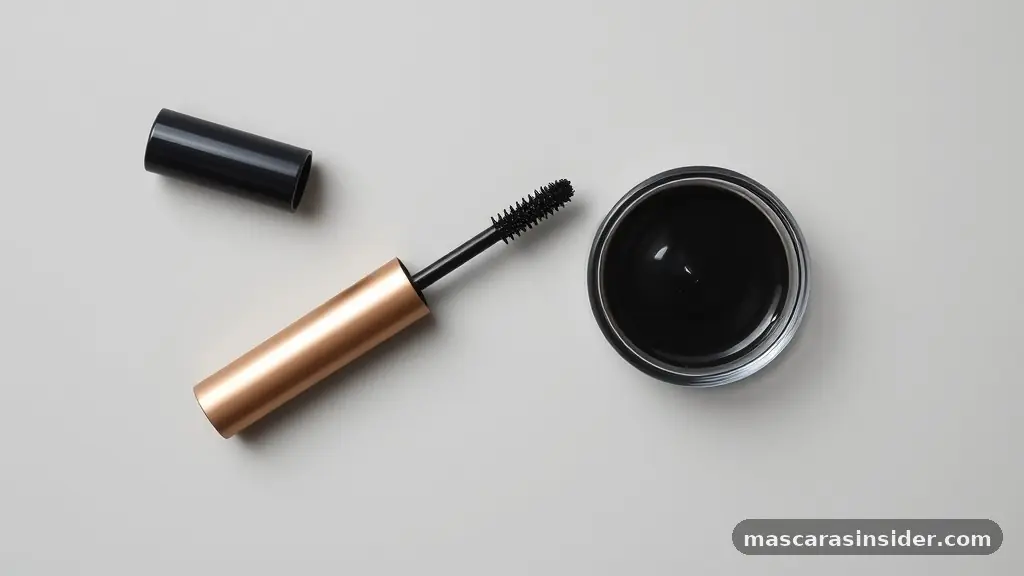
To help clarify what is actually in your mascara, it is helpful to look at how different components function. The following table breaks down the common categories of ingredients found in standard formulations and their specific purposes.
| Ingredient Category | Common Examples | Purpose |
|---|---|---|
| Pigments | Iron Oxides, Carbon Black | Provides color and depth |
| Waxes | Beeswax, Carnauba | Adds volume and structure |
| Polymers | Acrylates Copolymer | Ensures long-wear and adhesion |
| Preservatives | Phenoxyethanol | Prevents bacterial growth |
Addressing the Topical Gap: Are There Hidden Animal Ingredients?
While bat poop is clearly not an ingredient, some consumers are rightly curious about other animal-derived substances that might be present in their beauty items. For example, some mascaras traditionally used shellac, which is a resin secreted by the lac insect.
Others may contain lanolin, which is derived from sheep’s wool. These are legitimate animal-derived ingredients, but they are vastly different from the concept of waste products.
If you want to avoid these specific animal-derived items, you should look for the “vegan” label on your packaging. Vegan products rely on synthetic resins and plant-based waxes to mimic the properties of shellac and beeswax.
This distinction is important for those who follow a plant-based lifestyle, as it allows them to make informed choices without falling for the misinformation surrounding the “bat poop” myth. You can learn more about how the FDA regulates cosmetic safety to understand the strict standards that protect consumers from harmful substances.
Common Misconceptions About Beauty Products
The internet is rife with myths regarding the composition of various cosmetics. Aside from the guano story, there are persistent rumors about “spider legs” being used to create volume or “fish scales” being used in lipsticks.
While the fish scale connection is rooted in the historical use of guanine, the idea that spiders are used is entirely fictional. These myths often spread because they sound shocking, which drives engagement on social media platforms.
When you encounter a claim about a product containing something gross or dangerous, it is essential to look for the ingredient list. By law, manufacturers must list all components on the packaging or the product’s website. If you see a name you do not recognize, a quick search on a reputable chemical database will reveal its true identity, usually showing it to be a common, safe, and synthetic chemical.
How to Read Your Own Makeup Labels
Learning to interpret an ingredient list is an empowering skill for any beauty enthusiast. Most lists follow the International Nomenclature of Cosmetic Ingredients (INCI), which is a standardized system used globally. If you want to know if a product contains anything you find objectionable, you can look for specific keywords that indicate animal origin.
- Beeswax (Cera Alba): Derived from honeybees.
- Lanolin: Derived from sheep’s wool.
- Carmine: A red pigment derived from crushed cochineal insects.
- Guanine: Can be derived from fish scales or synthetic sources.
- Shellac: Derived from the lac insect.
By learning these names, you can take control of your beauty routine. If you are worried about animal products, focusing on these terms will help you avoid them far more effectively than worrying about myths like bat poop.
The Future of Cosmetic Manufacturing
The future of the cosmetics industry is increasingly focused on biotechnology and green chemistry. Scientists are now able to engineer ingredients in the laboratory that are identical to those found in nature but without the need for animal harvesting. This means that even ingredients that were once controversial are being replaced by cleaner, more sustainable versions.
As consumers continue to hold brands accountable, the push for transparency will only grow stronger. The days of mysterious, proprietary blends are fading.
Soon, every product will likely come with a detailed breakdown of how each ingredient was sourced and what its environmental impact is. This evolution will eventually put an end to myths like the one about bat droppings, as the production process becomes fully transparent to the end user.
FAQ
Is it true that some mascaras contain animal waste?
No, there is no evidence that any mascara product contains bat poop or any other form of animal excrement. Such ingredients would be hazardous, unstable, and entirely ineffective at providing the color or volume required for a beauty product.
Why do people think mascara is made from guano?
The myth exists due to the confusion between the word “guano,” which is bat waste, and “guanine,” a shimmering, crystalline substance used in cosmetics. Because guanine is a common ingredient, the phonetic similarity led to the creation of an urban legend.
What is guanine actually made of?
Guanine is a natural compound found in the DNA and RNA of all living things. In cosmetics, it is used for its pearlescent, shimmering effect. While it was once sourced from fish scales, most modern beauty brands now use synthetic guanine to ensure the product is cruelty-free.
Are there any animal ingredients I should watch out for?
If you are strictly vegan, you may want to avoid ingredients like beeswax, lanolin, carmine, and shellac. While these are not waste products, they are derived from animals or insects. Always check the packaging for a “vegan” or “cruelty-free” certification for peace of mind.
Conclusion
The persistent rumor that mascara is made from bat poop is a clear example of how misinformation can take root in the beauty community. By understanding that “guanine” is a legitimate cosmetic ingredient unrelated to “guano,” you can enjoy your favorite beauty products without fear. Modern manufacturing standards are incredibly rigorous, ensuring that everything from your mascara to your foundation is safe, stable, and free from contaminants.
If you ever find yourself questioning the safety of a product, the best approach is to examine the ingredient list directly. By familiarizing yourself with common components and looking for reputable certifications, you can confidently build a beauty routine that aligns with your values.
Don’t let internet myths dictate your choices; instead, rely on the transparency of modern labels and the safety standards that keep the beauty industry running smoothly. Feel free to share this information with friends who might still be wondering about the truth behind their mascara.
Meta Description: Is mascara made from bat poop? Learn the truth behind this common beauty myth and discover what really goes into your favorite cosmetic products today.