
Removing eye makeup, especially stubborn formulas, often feels like a chore that requires more effort than it should. If you find yourself scrubbing at your eyelids or pulling on your lashes just to get the black pigment off, you are likely doing more harm than good.
Learning the right techniques for how to get mascara off safely ensures your delicate eye area remains healthy and your lashes stay intact. With the right approach, you can dissolve even the most resilient formulas in seconds without unnecessary tugging or irritation.
Understanding the Chemistry of Mascara Removal
To effectively break down the pigments and waxes found in modern cosmetics, you must understand what you are trying to dissolve. Most traditional formulas are water-based, but many people prefer waterproof varieties that rely on polymers and oils to repel moisture. These water-resistant ingredients are designed to stay put through humidity, sweat, and tears, which makes them notoriously difficult to remove with just soap and water.
When you attempt to wash away these products with standard face wash, the surfactants often fail to penetrate the waxy barrier. This is why you might wake up with “raccoon eyes” the next morning even after a thorough wash.
Using the wrong solvent can force you to rub your skin, which is the leading cause of premature wrinkles and lash breakage. By selecting a product that matches the composition of your mascara, you turn a difficult task into a simple, friction-free process.
Selecting the Right Solvent for Your Needs
Not all removers are created equal, and your choice should depend on the specific type of product you use daily. If you are a fan of heavy-duty, long-wear formulas, you need a solvent that can handle high-performance polymers. Oil-based cleansers are generally the most effective because they share a chemical affinity with the waxes used in waterproof products.
If you have sensitive skin, you should opt for fragrance-free or hypoallergenic formulas that avoid harsh alcohols. Alcohol-based toners or astringents can strip the delicate skin around your eyes of essential moisture, leading to dryness and flaking. Always check the ingredient list for soothing components like chamomile, aloe, or vitamin E, which help maintain the health of your lash line while you work.
The Proper Technique for Using a Cotton Pad
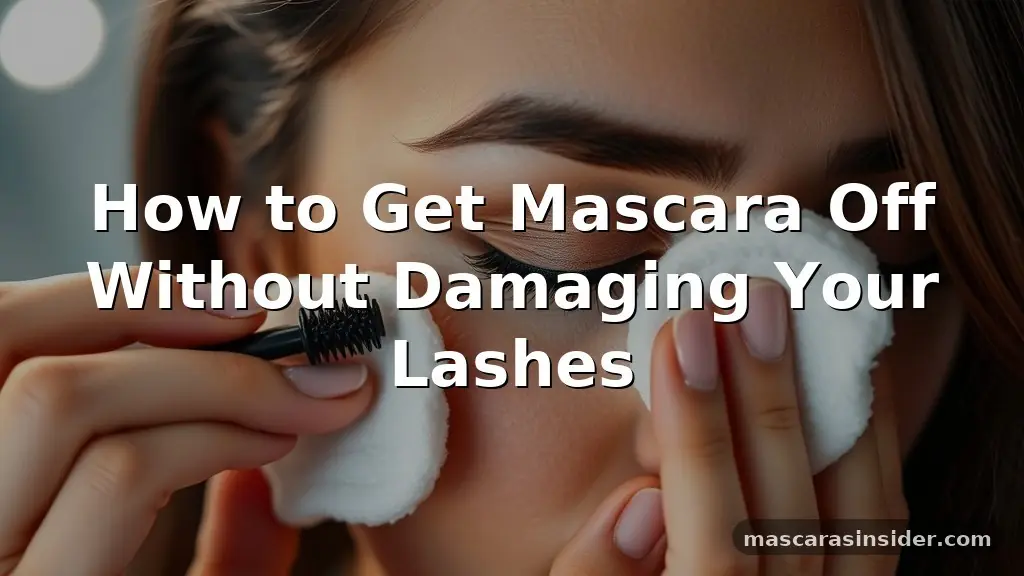
The way you hold and press your cotton pad significantly impacts how quickly the product lifts from your lashes. Many people make the mistake of rubbing the pad back and forth across their eyelids, which creates friction and causes lashes to fall out prematurely. Instead, you should saturate a soft cotton pad with your chosen remover and place it gently over your closed eye.
Allow the pad to sit there for at least thirty seconds. This “soaking” period is crucial because it gives the solvent enough time to break down the bonds of the mascara.
Once the time has passed, use a light, downward sweeping motion to gently wipe the product away. You should never feel like you are pulling or stretching the skin; if the mascara isn’t coming off, simply hold the pad there for a few more seconds to continue the process.
Why Double Cleansing is a Game Changer
For those who wear a full face of makeup, a single wash is rarely enough to remove everything. The double cleanse method involves using an oil-based cleanser first to dissolve the heavy, waxy layers of mascara and foundation. Once the oil has broken everything down, you follow up with a water-based cleanser to remove any remaining residue and clean the skin itself.
This method is highly recommended by dermatologists because it prevents clogged pores and ensures that no pigment is left behind to irritate your eyes overnight. By incorporating this into your evening routine, you spend less time scrubbing and more time enjoying a clean, refreshed face. You can find more information on general skin health and hygiene at the American Academy of Dermatology, which provides expert insights into maintaining your skin’s natural barrier.
Removing Waterproof Mascara Without Irritation
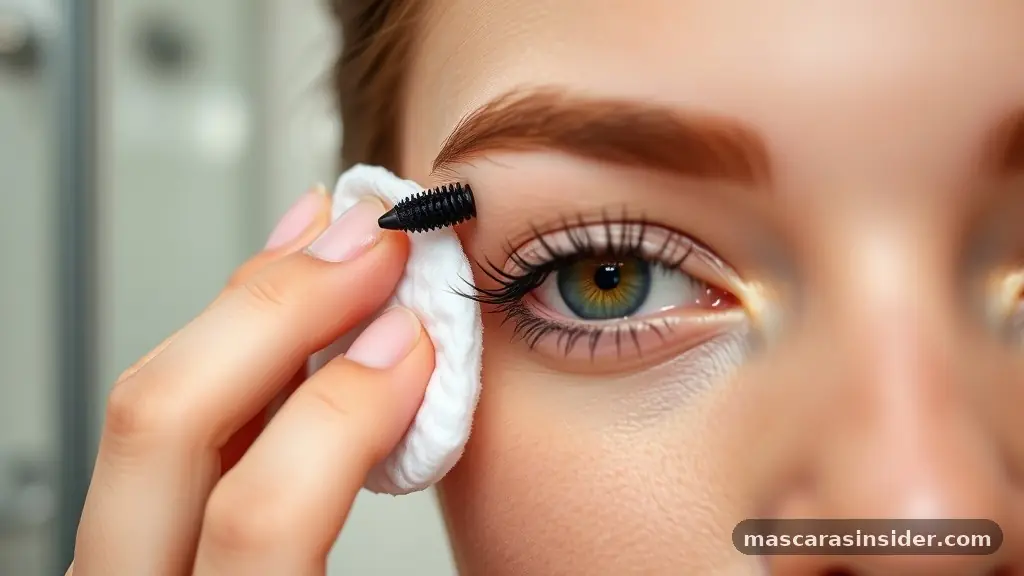
Waterproof formulas require a bit of extra patience, as they are specifically engineered to resist water. If you try to remove them with a standard gel cleanser, you will likely end up with smudges that simply won’t budge.
The secret to success here is to use a dedicated bi-phase makeup remover. These products contain two layers—an oil layer and a water layer—that you must shake together before use.
The oil layer acts as a solvent for the waterproof polymers, while the water layer helps to rinse away the greasiness. When you apply this to your lashes, the oil coats each individual hair, effectively loosening the grip of the mascara. After the oil has done its work, you can easily wipe away the dissolved product without needing to exert any pressure on your lash follicles.
Natural Alternatives for Mascara Removal
If you find yourself out of commercial products, several household items can serve as effective substitutes. Coconut oil, jojoba oil, and almond oil are excellent at breaking down cosmetic waxes because they are lipid-heavy. To use these, take a tiny amount of oil on your fingertips or a clean cotton swab and gently massage it into your lashes.
While these natural oils are effective, you must be careful to rinse them off thoroughly with a gentle cleanser afterward. Leaving a thick layer of oil on your eyelids can sometimes lead to milia, which are small, white bumps that form under the skin. Furthermore, if you are prone to acne, be cautious about using heavy oils around the eye area, as they can migrate into your pores.
Table: Comparing Common Makeup Removal Methods
| Method | Best For | Pros | Cons |
|---|---|---|---|
| Bi-phase Remover | Waterproof Mascara | Quick and thorough | Can leave oily residue |
| Micellar Water | Light/Everyday Makeup | No rinsing required | May require multiple pads |
| Cleansing Balm | Full Face/Heavy Makeup | Gentle and hydrating | Requires a washcloth |
| Natural Oils | Emergency Situations | Inexpensive and natural | Can clog pores if not rinsed |
Common Mistakes That Lead to Lash Loss
Many people inadvertently cause damage to their eyelashes through simple, avoidable errors. One of the most common mistakes is “scrubbing” the eyes with a dry towel or a rough washcloth.
The skin around your eyes is the thinnest on your body, and it does not have the same elasticity as the rest of your face. Repeated pulling can lead to sagging and, more importantly, can cause your eyelashes to snap or pull out at the root.
Another frequent error is failing to remove makeup entirely before going to sleep. Mascara that is left on overnight dries out and becomes brittle, which makes your lashes prone to breakage the next morning when you wash your face or apply fresh makeup. Even if you are exhausted, taking that extra minute to ensure your lashes are clean is an essential investment in their long-term health and length.
Tips for Maintaining Healthy Lashes After Removal
After you have successfully removed your mascara, it is a good idea to treat your lashes with a little extra care. Many people find that using a lash serum or a light coating of castor oil helps to condition the hairs and prevent them from becoming brittle. These treatments can strengthen the lash follicle, which is particularly important if you wear mascara every single day.
Be mindful of the tools you use as well. If you use a lash curler, make sure the rubber pad is clean and replaced regularly.
Using a dirty curler can harbor bacteria that might cause an eye infection, and a worn-out pad can crimp your lashes instead of curling them. Keeping your brushes and tools sanitized is just as important as the actual removal process itself.
Addressing Sensitivity and Eye Irritation
If you notice that your eyes are red or stinging during the removal process, you are likely using a product that contains an irritant. Many conventional makeup removers use preservatives or fragrances that can trigger contact dermatitis in sensitive individuals. If your eyes feel inflamed or itchy, stop using your current product immediately and switch to a formula designed for “sensitive eyes.”
It is also worth noting that contact lens wearers should be extra cautious. You should always remove your lenses before beginning your nightly routine to ensure that no oil or makeup residue gets trapped behind the lens. Using a water-based micellar water is often the safest bet for those who wear contacts, as it is less likely to leave a film that could interfere with your vision.
Frequently Asked Questions
What is the most effective way to remove mascara?
The most effective method is using an oil-based cleanser or a bi-phase makeup remover. By saturating a cotton pad and letting it sit on your lashes for thirty seconds, you allow the oil to dissolve the wax and pigments, enabling you to wipe them away without any harsh scrubbing.
Can I use baby oil to take off my makeup?
Yes, baby oil can work in a pinch because it is mineral oil-based and very effective at breaking down water-resistant ingredients. However, it is quite heavy and can feel greasy, so you should always follow up with a gentle facial cleanser to remove the residue from your skin.
Is it bad to sleep with mascara on?
Yes, sleeping with mascara on is detrimental to your lash health. The product hardens overnight, making your lashes brittle and prone to breaking. Additionally, the trapped pigments can cause eye irritation, inflammation, or even lead to infections if bacteria build up around your lash line.
What should I do if I get makeup remover in my eyes?
If you accidentally get remover in your eyes, flush them immediately with cool, clean water or a sterile saline solution. Keep your eyes closed for a moment to let the water wash away the product. If irritation persists or you experience vision blur, contact an eye care professional.
Conclusion
Mastering the art of how to get mascara off your lashes is about prioritizing gentle techniques over aggressive force. By choosing the right solvent for your specific mascara type and allowing it the necessary time to dissolve the product, you protect your delicate eye area and ensure your lashes remain healthy and strong. Consistent, thorough removal every single night prevents buildup and irritation, setting the stage for a refreshed appearance the next morning.
If you find your current routine causes redness or breakage, experiment with different formulas until you find one that works for your skin type. With these simple habits, you can keep your eyes looking bright and your lashes long and fluttery for years to come.
Meta Description: Learn how to get mascara off safely without damaging your lashes. Discover the best techniques, tools, and products for removing stubborn eye makeup.