

Knowing exactly how long does mascara last is essential for maintaining healthy eyes and achieving the best application results. Most beauty experts and dermatologists agree that you should replace your mascara every three months to avoid potential issues. Because the product is applied directly to your delicate lash area, it acts as a magnet for microbes that thrive in dark, moist environments.
Keeping track of when you opened your tube helps you avoid the risks associated with using old makeup. By understanding the signs of spoilage and the importance of timely replacement, you can protect your vision while ensuring your lashes look their best every single day.
The Three-Month Rule for Mascara Replacement
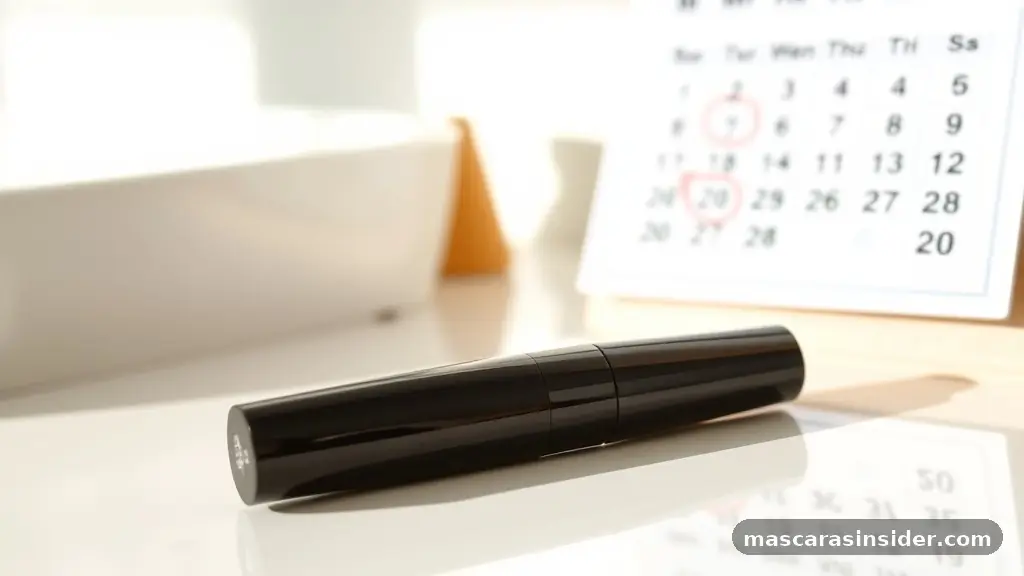
The general consensus in the beauty industry is that you should toss your mascara after three months of use. This timeframe is not an arbitrary suggestion made by companies to sell more product; it is a safety precaution based on the way mascara is formulated and used.
Every time you pull the wand out of the tube and pump it, you introduce air and potential contaminants into the container. Over time, these elements degrade the stability of the formula and create a breeding ground for microorganisms.
When you use a product consistently for more than 90 days, the preservatives inside the tube begin to lose their effectiveness. These preservatives are designed to keep the formula stable, but they cannot fight off an infinite amount of environmental exposure.
Once they break down, the liquid formula becomes vulnerable. Following the three-month rule is the easiest way to prevent common eye infections, such as conjunctivitis, which can be painful and require medical intervention.
Why Bacteria Love Your Mascara Tube
Your eyes are incredibly sensitive, and the area around them is home to a natural microbiome that can easily be disrupted. When you apply mascara, the wand touches your lashes and then returns to the tube, potentially carrying skin cells, oils, and microscopic debris back into the reservoir.
This environment is perfect for bacteria to multiply. Because mascara is a liquid or cream-based product, it provides the moisture necessary for these organisms to survive and grow.
Even if you are careful about hygiene, you cannot completely prevent the transfer of bacteria. Once a colony begins to form inside the tube, every subsequent application puts that bacteria directly onto your lashes and near your tear ducts.
The risk is compounded if you tend to share your makeup with others or if you use testers in retail stores. Keeping your products personal and replacing them on a strict schedule is a fundamental aspect of eye hygiene.
Signs Your Mascara Has Expired
Sometimes, a tube of mascara will show obvious signs of expiration well before the three-month mark. You should always pay attention to the physical state of your product, as environmental factors like heat and humidity can cause formulas to spoil faster than expected. If your makeup starts behaving differently, it is time to discard it immediately, regardless of when you purchased it.
The most common indicators that your mascara has gone bad include:
- A noticeable change in the smell, often described as a sharp, chemical, or “off” odor.
- The formula becoming clumpy, dry, or difficult to apply smoothly to the lashes.
- A separation of the ingredients where the pigment and the oils no longer mix properly.
- The product flaking off your lashes throughout the day, even if it is a long-wear formula.
- An irritating sensation or redness around the eye area immediately after application.
The Impact of Pumping the Wand
Many people have a habit of pumping the mascara wand in and out of the tube to coat the brush more heavily. This action is one of the most common mistakes in makeup application, as it forces air into the tube. Air is the enemy of liquid beauty products because it accelerates the oxidation process, which causes the formula to dry out and lose its consistency.
When the formula dries out, it becomes brittle. This not only makes your lashes look spidery and clumpy but also increases the likelihood of the product flaking into your eyes. Furthermore, the excess air provides the oxygen that many types of bacteria need to flourish.
Instead of pumping, try gently swirling the wand around the inside of the tube to pick up the product. This simple change in technique can help your mascara maintain its intended texture for the full duration of its shelf life.
Storage Tips to Extend Product Longevity
While you should never keep mascara longer than three months, proper storage can help ensure it stays in good condition until it is time to replace it. Avoid keeping your makeup in the bathroom, as the frequent temperature fluctuations and high humidity from showers create a stressful environment for cosmetic formulas. The moisture in a bathroom can encourage mold growth and speed up the degradation of the product’s preservatives.
Instead, store your mascara in a cool, dry place away from direct sunlight. A bedroom vanity or a dedicated makeup drawer is ideal. Keeping the lid screwed on tightly after every use is also non-negotiable.
If the cap is left loose, the formula will dry out rapidly, and you risk dust or other particles entering the tube. Treat your makeup like a perishable item, because that is exactly what it is.
Distinguishing Between Unopened and Opened Products
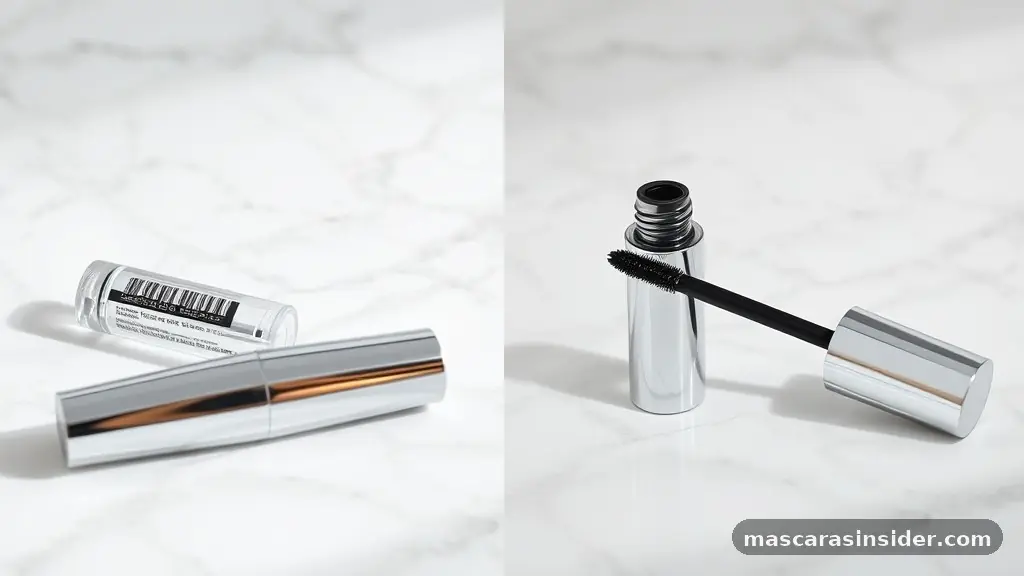
It is important to understand the difference between the shelf life of an unopened product and one that has been put into use. An unopened tube of mascara can often last for up to two or three years if it is stored in a climate-controlled environment.
This is because the seal is intact, preventing air and bacteria from infiltrating the formula. However, once you break that seal, the clock starts ticking.
Always check the packaging for the “Period After Opening” (PAO) symbol, which looks like a small jar with a lid and a number followed by the letter “M.” This number indicates how many months the product is safe to use once opened.
Even if the manufacturer suggests a longer period, it is safer to stick to the three-month rule for products used near the eyes. If you find an old tube of mascara at the back of your drawer and you cannot remember when you opened it, the safest course of action is to throw it away.
The Risks of Using Expired Makeup
Using expired mascara is not just about having clumpy lashes; it is a genuine health risk. The U.S.
Food and Drug Administration provides comprehensive guidelines on eye cosmetic safety, emphasizing that ingredients in these products can become breeding grounds for germs. When you introduce these germs to your eyes, you are susceptible to conditions like styes, blepharitis, and even corneal abrasions if the product dries into hard, abrasive flakes.
If you have sensitive skin or a history of allergies, using old makeup is even more dangerous. The chemical breakdown of the formula can lead to contact dermatitis, causing the skin around your eyes to become red, swollen, and itchy.
If you ever experience persistent irritation after using a specific product, stop using it immediately and consult a healthcare professional. It is never worth compromising your eye health for the sake of finishing a tube of makeup.
Comparing Different Types of Mascara
Not all mascaras have the same requirements. Some formulas are designed to last longer or perform better under specific conditions, which can influence how they feel over time. Waterproof formulas, for example, contain different polymers and waxes that might feel different as they age compared to standard water-based formulas.
| Mascara Type | Typical Texture | Replacement Urgency |
|---|---|---|
| Standard Volumizing | Creamy, buildable | High (3 months) |
| Waterproof | Waxy, long-lasting | High (3 months) |
| Tubing Mascara | Polymer-based | Moderate (3 months) |
| Natural/Organic | Oil/Water base | Very High (2 months) |
Natural or organic mascaras often contain fewer or weaker preservatives, meaning they can spoil much faster than conventional options. If you prefer “clean” beauty brands, be extra vigilant about the smell and consistency of your product. You might find that these formulas need replacing closer to the two-month mark rather than the standard three.
Hygiene Habits for Your Lashes
Beyond replacing your mascara, your daily habits play a huge role in keeping your eyes healthy. Always remove your eye makeup completely before going to sleep. Leaving mascara on overnight causes the lashes to become brittle and prone to breakage, and it also increases the risk of the product flaking into your eyes while you toss and turn.
Use a gentle, oil-based or micellar cleanser to break down the formula without pulling or tugging on the delicate skin around your eyes. If you use a lash curler, make sure to clean the rubber pad regularly.
Old makeup buildup on your curler can transfer bacteria back onto your lashes every time you use it. Maintaining a clean beauty routine is just as important as the products you choose to purchase.
Topical Gaps and Common Misconceptions
A common question is whether you can “revive” dried-out mascara by adding water or eye drops. You should never add liquids to your mascara tube.
Doing so dilutes the preservatives, making them ineffective and creating an environment where bacteria can grow rapidly. While adding a few drops might make the formula feel smooth again, you are essentially creating a petri dish for infection.
Another misconception is that expensive, high-end mascaras last longer than drugstore versions. The price tag has no bearing on the stability of the preservatives. Whether you spend $5 or $50, the chemistry remains the same, and the three-month rule applies equally to all.
Do not let the cost of the product trick you into keeping it past its safe expiration date. Your vision is priceless, and the cost of a new tube is small compared to the potential medical expenses of an eye infection.
FAQ
Can I use 5 year old mascara if it has never been opened?
Even if the tube is unopened, the chemical preservatives will have degraded over five years. The formula is likely unstable, separated, and potentially contaminated by the breakdown of its own components. It is not safe to use and should be discarded regardless of the seal.
How do I know if my mascara is expired?
Look for changes in texture, such as clumping or dryness, and pay attention to any unusual, sharp, or chemical smells. If the product causes redness, itching, or irritation during or after application, it is definitely time to stop using it and replace the tube.
What happens if I use expired mascara?
Using expired mascara significantly increases your risk of developing eye infections like conjunctivitis or styes. The product can harbor bacteria that are easily transferred to your eyes, leading to inflammation, swelling, and potential damage to the delicate skin and tissues around your lash line.
Should I replace my mascara more often if I wear it every day?
While the three-month rule is the standard, those who wear mascara every single day may find that their product dries out or becomes contaminated faster. If you use it daily, you might notice the quality declining closer to the eight or ten-week mark. Trust your senses.
Conclusion
Protecting your eye health starts with understanding that mascara is a temporary beauty tool with a finite lifespan. By adhering to the three-month replacement guideline, you minimize the risk of bacterial growth and ensure that your makeup performs as intended. Always monitor your products for changes in scent or texture, and avoid habits like pumping the wand that can shorten the life of your formula.
Proper storage and a consistent cleaning routine for your lashes will keep your eyes safe and your look fresh. If you are ever in doubt about the age of a tube, it is always better to err on the side of caution and start fresh with a new purchase.
Meta Description: Learn how long does mascara last to keep your eyes safe. Discover why you should replace your mascara every three months and how to spot expired makeup.