The widespread internet rumor that your favorite mascara is made out of bat poop has persisted for years, often surfacing on social media as a shocking “fact” about the beauty industry. While it is easy to see why such a bizarre claim would go viral, the reality behind the ingredients in your makeup bag is far less dramatic and much more scientific.
Understanding whether your lashes are coated in guano requires a look at how cosmetics are actually formulated and where these common myths originate. By separating urban legend from industrial chemistry, we can clarify exactly what goes into the products you apply to your eyes every single day.
The Origin of the Bat Poop Myth
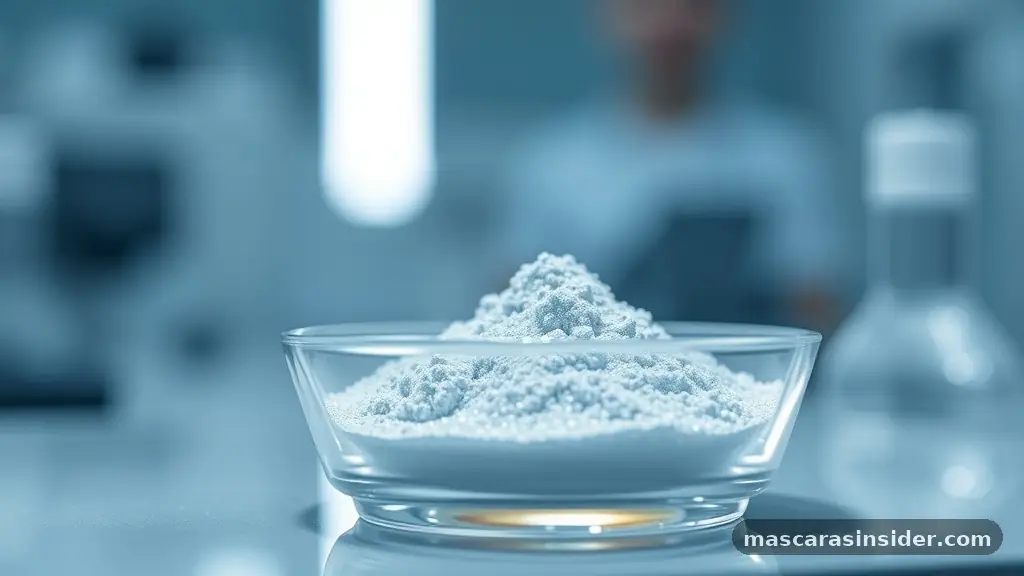
The persistent belief that mascara is made out of bat poop likely stems from a linguistic misunderstanding involving the word guanine. In the cosmetics industry, guanine is a common additive used to provide a pearlescent or shimmery effect to various beauty products, including nail polish, eyeshadows, and some mascaras.
Because the word sounds phonetically similar to guano—the term for bat excrement—the internet quickly conflated the two concepts. It is a classic example of how a slight similarity in terminology can lead to a long-standing urban legend that spreads faster than the truth.
There is absolutely no connection between the chemical compound guanine and bat droppings. Guano is a waste product primarily composed of nitrogen, phosphorus, and potassium, which makes it an excellent fertilizer, but it has no place in the delicate chemistry of eye makeup.
If a manufacturer were to include actual fecal matter in a cosmetic product, it would not only be a health hazard but a massive violation of global safety regulations. Regulatory bodies like the FDA in the United States and the European Commission maintain strict standards for cosmetic ingredients, ensuring that nothing remotely like bat excrement ever touches your skin.
What Is Guanine and Why Is It Used?
Since the confusion often centers on the ingredient guanine, it is helpful to understand what it actually is and where it comes from. Guanine is a crystalline material that occurs naturally in various biological organisms, and it is prized in the cosmetics world for its ability to reflect light.
When ground into a fine powder, it creates a shimmering, iridescent finish that gives products a high-end, luminous appearance. It is not a secret additive, but rather a functional component that serves a very specific aesthetic purpose in the formulation of many beauty items.
Historically, the guanine used in makeup was derived from fish scales, particularly from herring. The scales are processed to extract the crystalline guanine, which is then purified and added to formulas for lipsticks, mascaras, and blushes. While some brands still use natural sources, the rise of synthetic alternatives has changed the landscape significantly.
Today, many companies utilize synthetic mica or bismuth oxychloride to achieve that same pearlescent effect without relying on animal-derived ingredients. This shift has made it much easier for consumers to find products that align with their ethical values.
The Reality of Mascara Ingredients
When you look at the back of your mascara tube, you will see a long list of chemical names that might look intimidating, but none of them are derived from bats. The typical mascara formula is a complex mixture designed to lengthen, thicken, and darken your lashes while remaining safe for the sensitive eye area.
Most products are composed of a base of water, waxes, and pigments. The waxes, such as beeswax, carnauba wax, or paraffin, provide the structure that holds the product to your lashes, while oils help keep the formula smooth and spreadable.
Pigments are what give mascara its deep black or brown color, with the most common being carbon black or iron oxides. These are standard industrial pigments used across the entire cosmetics industry because they are stable, non-toxic, and provide excellent coverage.
Other essential ingredients include preservatives, which are strictly necessary to prevent the growth of bacteria in a product that is constantly being exposed to air and skin. Without these preservatives, a tube of mascara would become a breeding ground for microorganisms within just a few days of opening.
Addressing the Vegan and Cruelty-Free Movement
The question of whether mascara contains animal products is a major concern for the growing number of people who prioritize vegan beauty. Because traditional mascaras often contained ingredients like beeswax or shellac, many people became hyper-vigilant about what they were putting on their faces. This heightened awareness is likely another factor that contributed to the rise of the “bat poop” myth; people were already suspicious of animal-derived ingredients and were primed to believe the worst about the industry.
Fortunately, the beauty industry has responded to consumer demand by creating high-performance vegan alternatives. If you are worried about animal ingredients, you can easily look for products that explicitly state they are vegan. These formulas replace traditional waxes like beeswax with plant-based alternatives like carnauba or candelilla wax.
You can learn more about how to identify safe and ethical products through resources provided by the U.S. Food and Drug Administration, which offers clear guidelines on cosmetic labeling and safety requirements.
Common Ingredients in Mascara
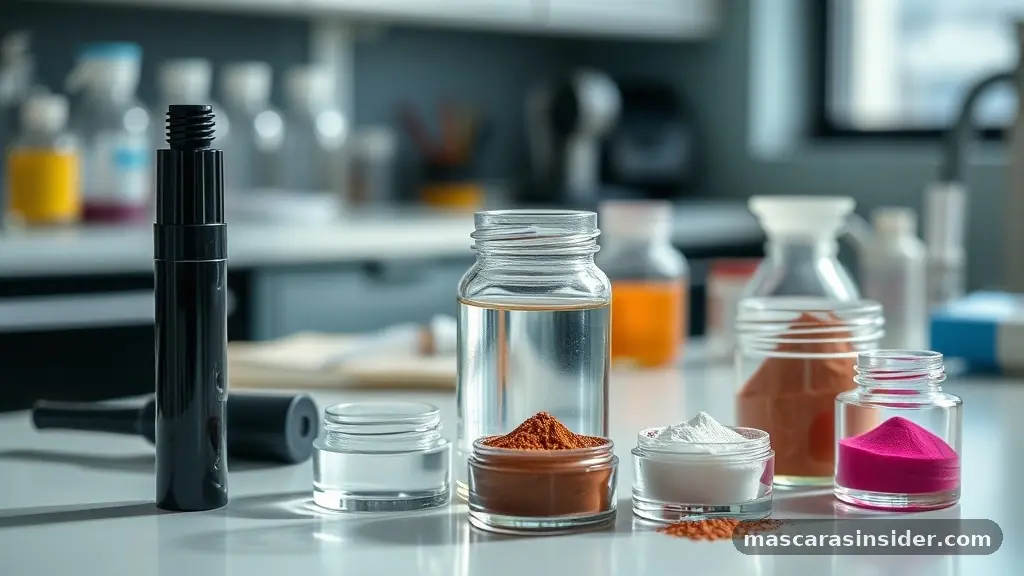
To demystify what you are actually applying to your eyes, it helps to break down the primary components found in most standard formulas. While every brand has a proprietary blend, the building blocks remain largely the same. The following table provides a quick reference for the types of substances you might find in your makeup.
| Ingredient Category | Common Examples | Primary Function |
|---|---|---|
| Waxes | Beeswax, Carnauba Wax | Provides texture and structure |
| Pigments | Iron Oxides, Carbon Black | Delivers color and opacity |
| Oils | Castor Oil, Mineral Oil | Ensures smooth application |
| Polymers | Acrylates Copolymer | Helps the mascara adhere to lashes |
Why Myths About Cosmetics Persist
The longevity of the story that mascara is made out of bat poop is a fascinating study in human psychology. In an era of social media, sensational headlines often travel much faster than boring, scientific facts.
A claim that a beauty product contains animal waste is shocking, and shock value is the primary currency of viral content. Once a myth takes hold, it becomes difficult to debunk because people are naturally inclined to share content that triggers a strong emotional response, such as disgust or surprise.
Furthermore, the complexity of chemical labels often alienates the average consumer. When a person sees a list of ingredients they cannot pronounce, they are more likely to believe a simple, albeit false, explanation than to spend time researching the actual functions of those chemicals.
The industry has not always been transparent about its supply chains, which created a vacuum of information that rumors were happy to fill. Today, however, brands are much more open about their sourcing, which is the best way to combat these persistent urban legends.
The Role of Regulatory Oversight
It is important to emphasize that the cosmetics industry is heavily regulated to protect public health. Any ingredient used in a product that comes into contact with the eyes must undergo rigorous safety testing.
The idea that a manufacturer could include bat guano—which is full of bacteria, fungi, and potentially harmful pathogens—without the FDA or other global health agencies intervening is impossible. These agencies monitor products for contamination and ensure that all ingredients are deemed safe for their intended use.
If you ever have concerns about a specific product, you can check the manufacturer’s website for their ingredient list or look for third-party certifications. Most reputable brands are happy to provide detailed information about their sourcing and manufacturing processes. By relying on official sources rather than social media rumors, you can make informed decisions about your personal care routine without falling victim to unnecessary fear-mongering regarding your favorite beauty items.
Understanding Guanine vs. Guano
The confusion between the crystalline substance guanine and the fertilizer guano is the single biggest contributor to this myth. It is essential to remember that while the words share a linguistic root, they are entirely different substances in practice.
Guanine is a nitrogenous base that is a fundamental building block of life, found in the DNA and RNA of all living organisms. In the context of beauty, it is processed into a pigment that provides a shimmery effect.
Guano, on the other hand, is a specific term for the excrement of bats and seabirds. It is a complex mixture of organic matter and is strictly used for agricultural purposes. There is no overlap between the two in the production of cosmetics.
When you purchase a product that contains “guanine” on the label, you are buying a light-reflecting agent, not a waste product. The clarity provided by ingredient lists is your best tool for navigating these misconceptions and ensuring you know exactly what you are buying.
How to Choose Safe Mascara
If you are still feeling uneasy about the contents of your makeup bag, there are several steps you can take to ensure you are using products that match your comfort level. First, start reading the ingredient labels on the back of the packaging.
If you see a term you do not recognize, a quick search on an official cosmetic database will usually reveal its purpose. Many brands now offer “clean” beauty lines that prioritize transparency and avoid certain ingredients that some consumers prefer to skip.
You might also consider looking for products that are certified by independent organizations. These certifications often verify that a product is free from animal testing and animal-derived ingredients, giving you peace of mind.
Remember that personal preference plays a huge role in choosing beauty items; what works for one person might not work for another. The most important thing is to prioritize products that make you feel confident and comfortable, rather than ones that are surrounded by internet drama.
Common Questions About Mascara Ingredients
Is it true that all mascara contains fish scales?
Not all mascaras contain fish scales. While guanine derived from fish was historically common for creating a pearlescent effect, many modern formulas use synthetic alternatives like mica or bismuth oxychloride. Always check the ingredient list or the brand’s website if you are looking for specific animal-free options.
Are there any animal products in my mascara?
Some mascaras may contain animal-derived ingredients such as beeswax, shellac, or lanolin. If you are following a vegan lifestyle, look for products that specifically state they are vegan, which typically use plant-based waxes like carnauba or candelilla instead of animal byproducts.
What happens if I accidentally get mascara in my eyes?
While mascara is formulated to be safe, it can cause mild irritation if it gets into your eyes. If this happens, rinse your eyes gently with clean water or a saline solution. If the irritation persists, consult a healthcare professional to ensure there is no underlying issue or infection.
How often should I replace my mascara?
It is generally recommended to replace your mascara every three months. Because it is a liquid product used near the eyes, it can collect bacteria over time. Replacing it regularly helps prevent eye infections and ensures that the formula remains effective and safe to use.
Conclusion
The idea that your mascara is made out of bat poop is definitively false, born from a simple confusion between the words guanine and guano. While the beauty industry uses many ingredients that sound complex or mysterious, they are subject to strict safety standards and regulatory oversight. By understanding that guanine is a light-reflecting pigment and that cosmetic formulations are designed for safety, you can put these internet myths to rest.
If you are concerned about the ingredients in your beauty products, the best approach is to read labels, look for vegan certifications, and stick to reputable brands that prioritize transparency. You do not need to worry about the origins of your mascara when you shop with knowledge. Feel free to explore new brands and find the perfect formula for your lashes, secure in the knowledge that your makeup bag is free from any unwanted surprises.