
Creating your own beauty products is a rewarding way to take control of what goes on your face. When you learn how to make mascara at home, you gain the ability to choose high-quality components while avoiding the synthetic chemicals often found in mass-market cosmetics. Whether you are aiming for a cleaner beauty routine or simply want to experiment with DIY chemistry, crafting your own eye makeup is straightforward and effective.
By selecting the right base and pigment, you can achieve a look that enhances your lashes without the irritation that sometimes accompanies store-bought formulas. This process allows you to tailor the consistency and longevity of your product to suit your specific needs.
Understanding the Core Components of Natural Mascara
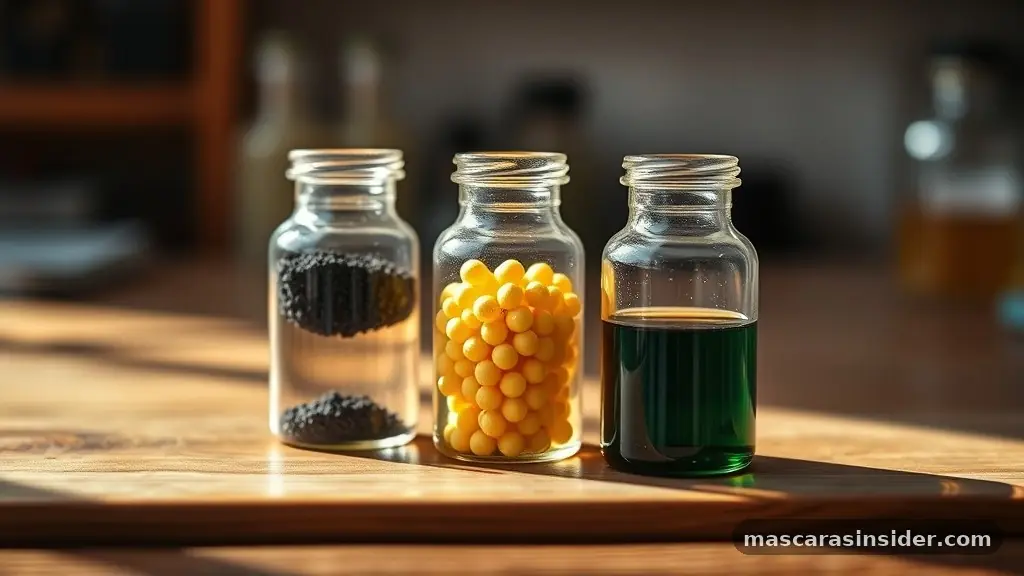
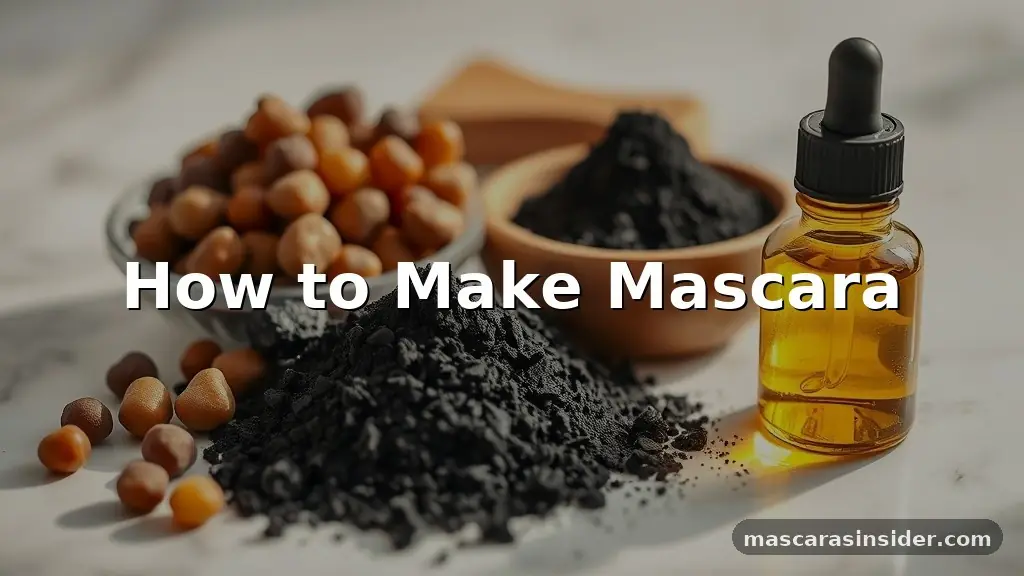
At its heart, a basic lash-darkening formula relies on three specific types of ingredients: a binder, a pigment, and a stabilizing agent. When you look at how to make mascara, you will notice that most successful recipes use a combination of oils and powders.
The oil provides the necessary glide, allowing the product to coat your lashes evenly without clumping. Meanwhile, the pigment—usually a fine, dark powder—provides the depth of color required to make your eyes pop.
The most common binder used in these recipes is coconut oil, which offers a smooth texture and is generally gentle on the delicate skin around the eyes. Because coconut oil can melt at room temperature, it is often paired with a thickening agent like bentonite clay.
This clay not only helps the formula adhere to your lashes but also acts as a stabilizer, ensuring the mixture stays put throughout the day. Understanding the relationship between these materials is the first step toward mastering your own cosmetic formulations.
Selecting High-Quality Ingredients for Safety
Because your eyes are exceptionally sensitive, the quality of the materials you use is paramount. You should always opt for organic, food-grade ingredients whenever possible.
If you are using activated charcoal, ensure it is of high purity and ground into a fine, cosmetic-grade powder. Gritty or large particles can be uncomfortable and potentially damaging to your ocular surface.
Another essential component is aloe vera gel, which is frequently used to help the mixture hold together. You must look for pure, high-quality vera gel that is free from added alcohols or fragrances, as these can sting the eyes upon application. When you source these items, check the labels carefully.
You want to avoid products that contain hidden preservatives or dyes that could cause reactions. By focusing on simple, clean components, you minimize the risk of irritation and ensure that your final product remains as natural as possible.
The Basic Recipe for Homemade Mascara
If you are ready to start, the most reliable approach involves a simple ratio of ingredients. A standard starting point is to mix one teaspoon of coconut oil with one teaspoon of aloe vera gel.
To this, you will add about half a teaspoon of activated charcoal powder. This combination creates a base that is creamy enough to apply but firm enough to coat your lashes effectively.
You can mix these in a small bowl using a clean spoon. Stir the mixture vigorously until it reaches a uniform, dark consistency. If you find the mixture is too thin, you can add a tiny amount of bentonite clay or a little more charcoal to thicken it up.
Conversely, if it is too thick for your liking, adding a drop or two of warm water can help smooth it out. This trial-and-error process is a normal part of learning how to make mascara, so do not be afraid to adjust the ratios slightly to find what works best for your lashes.
Hygiene and Storage Considerations
One major challenge with DIY cosmetics is the lack of a strong preservative system. Commercial products contain complex chemical stabilizers that prevent bacterial growth, but homemade versions are inherently more perishable. Because you are using organic materials like coconut oil and aloe, your mixture can become a breeding ground for bacteria if not handled correctly.
Always use sterilized equipment when preparing your batch. Wipe down your mixing bowl and spoon with high-proof rubbing alcohol before you begin. Once the mixture is ready, store it in a small, airtight container.
It is highly recommended to use a clean mascara tube if you have one, or a small jar that you can keep tightly sealed. Keep your finished product in a cool, dark place, away from direct sunlight or humidity. If you notice any changes in smell, color, or texture, discard the mixture immediately, as these are signs of contamination.
Tools You Need to Get Started
Before you begin the mixing process, having the right tools on hand will make the experience much more efficient. You do not need a laboratory, but a few specific items will help you achieve a professional-looking result.
- A clean, empty mascara tube with a wand for easy application.
- A small glass bowl for mixing the components.
- A tiny spatula or a clean spoon to combine the ingredients.
- A small funnel to help transfer the finished formula into the tube.
- A dropper or pipette for precise measurement of liquid ingredients.
- Isopropyl alcohol for sanitizing your workspace and tools.
Having these tools ready allows you to focus on the chemistry rather than fumbling with household items that might not be clean or suitable. Using a dedicated mascara tube is particularly helpful because the wiper at the top of the tube helps remove excess product from the wand, ensuring you get an even coat on your lashes every time you use it.
Comparing Homemade and Commercial Mascara
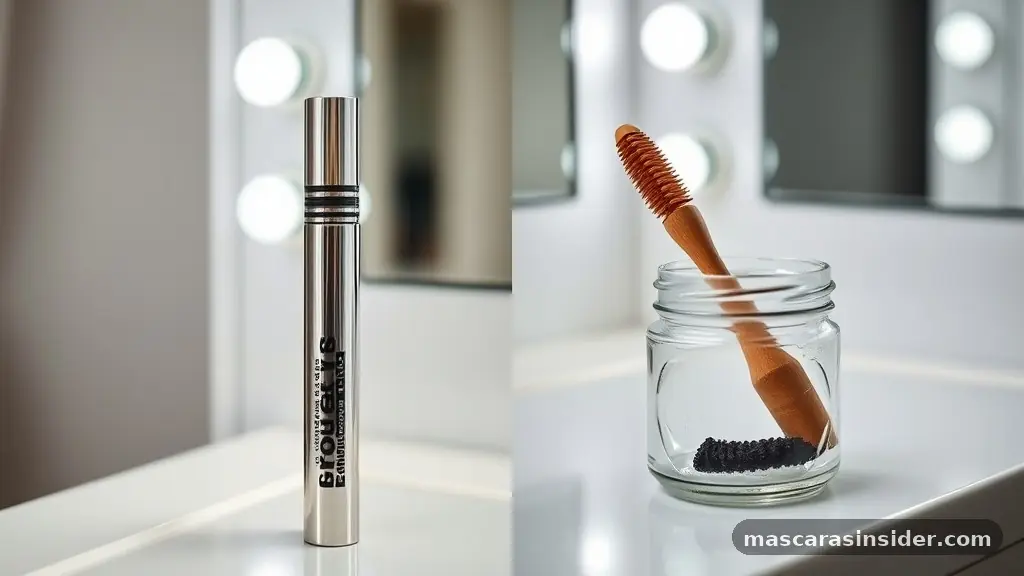
Understanding the differences between what you make at home and what you buy in stores is essential for managing your expectations. Commercial products are designed for extreme longevity, often lasting for months and resisting water, sweat, and rubbing. Homemade versions are typically more delicate.
| Feature | Homemade Mascara | Commercial Mascara |
|---|---|---|
| Ingredients | Natural, minimal | Synthetic, complex |
| Longevity | Short-term (daily) | Long-wear |
| Preservation | None (use quickly) | High (chemically preserved) |
| Cost | Low per batch | High per unit |
As the table shows, the trade-off for using natural ingredients is a shorter shelf life. While a commercial tube might last three months, a DIY batch should generally be used within a few weeks and kept in the refrigerator to extend its stability. Being aware of these differences helps you decide when to reach for your homemade creation and when a store-bought alternative might be more appropriate for a long event or specific weather conditions.
Troubleshooting Common Texture Issues
Sometimes, your first attempt at a recipe might not behave exactly as you expect. You might find that the mixture is too clumpy or that it flakes off after a few hours.
Clumping is usually a sign that the charcoal powder has not been fully incorporated into the oil and gel base. To fix this, spend more time whisking the mixture until it is perfectly smooth.
If you find that the product flakes off your lashes, it often means there isn’t enough binder. Adding a tiny bit more aloe vera gel can help the product “stick” to the lash hair better. On the other hand, if the mascara smudges under your eyes, it is likely that the coconut oil is melting too quickly due to your body heat.
In this case, increasing the proportion of bentonite clay can help “set” the mascara, making it more resistant to smudging. Remember, you are working with natural substances, so slight variations in temperature and humidity in your environment will affect performance.
The Role of Bentonite Clay in Your Formula
Bentonite clay is a fascinating ingredient that serves as the backbone of many natural cosmetic recipes. It is an absorbent aluminum phyllosilicate clay that forms a colloidal suspension when mixed with water. In your DIY mascara, it acts as a thickening agent that gives the formula body.
Beyond its physical properties, bentonite clay is known for its ability to bind to impurities. While its primary role here is structural, it helps ensure that the charcoal pigment stays suspended in the oil rather than settling at the bottom of your container. When you add this clay to your mix, ensure it is finely sifted.
Any large lumps of clay will result in a gritty texture that can be very unpleasant when applied to the base of your lashes. If you are interested in the science of these ingredients, you can find more information on official cosmetic safety guidelines provided by government regulatory bodies.
Addressing Topical Gaps and Common Misconceptions
Many people wonder if they can make mascara that is truly waterproof. The honest answer is that without synthetic polymers or heavy-duty waxes, a truly waterproof natural mascara is nearly impossible to achieve.
Most DIY recipes are “washable,” meaning they will come off easily with water or a gentle cleanser. Do not be misled by recipes claiming to be waterproof using only natural oils and waxes; they will likely smudge if you get caught in the rain.
Another common question involves the use of Vaseline. While some people use petroleum jelly as a base, it is a byproduct of the oil industry and not considered a “natural” ingredient by many enthusiasts.
If you prefer to avoid petroleum-based products, stick to plant-based oils like coconut, jojoba, or castor oil. Castor oil, in particular, is a favorite among DIY beauty fans because it is thought to promote lash health and thickness, though it is thinner than coconut oil and may require more clay to achieve the right viscosity.
Establishing a Routine for Fresh Batches
Because you shouldn’t keep your homemade mascara for long, the best practice is to make small, fresh batches. Instead of trying to fill an entire mascara tube that will last for months, consider making a smaller amount that you can use up in two weeks. This approach keeps the product fresh and reduces the risk of bacterial growth.
You can keep your ingredients in small, labeled jars to make the mixing process quick and easy. When you notice your supply running low, take five minutes to whip up a new batch.
By treating your mascara like a food product—something that is fresh and needs to be used promptly—you develop a safer and more hygienic beauty habit. This also gives you the flexibility to adjust your recipe based on the season; for instance, you might want a slightly thicker, more stable formula during the hot summer months and a lighter, more moisturizing one during the winter.
Final Tips for Application Success
Applying your homemade product requires a slightly different technique than using a standard store-bought wand. Because the formula is natural, it may not dry as quickly as synthetic versions. After applying one coat, wait a few seconds before adding a second layer to prevent the lashes from clumping together.
If the product feels too light, you can build it up by layering, but be patient with the drying time. Use a clean spoolie brush to comb through your lashes after application; this is a great way to separate them and remove any excess product.
If you ever experience redness or itching after using your DIY formula, stop using it immediately and wash your eyes thoroughly with water. Your comfort is the most important part of the process, and you should always prioritize your eye health above the aesthetic result.
Frequently Asked Questions
How long does homemade mascara stay fresh?
Because homemade mascara lacks strong synthetic preservatives, it should be used within two to three weeks. Always keep the container tightly closed and store it in a cool, dark place to minimize the risk of bacterial growth. If you notice any unusual odor or texture, discard it immediately.
Can I use this mascara if I wear contact lenses?
It is generally not recommended to use DIY eye makeup if you wear contact lenses. Particles from the charcoal or clay can easily get trapped behind the lens, causing irritation or scratching. If you choose to do so, proceed with extreme caution and prioritize using high-quality, fine-milled powders.
Is it possible to make colored mascara?
Yes, you can experiment with colors by substituting the activated charcoal with other natural pigments. For example, some people use beet root powder for a reddish tint or spirulina powder for a green hue. However, ensure that any pigment you choose is safe for use around the eyes.
Why does my homemade mascara smudge so easily?
Smudging usually occurs because the oils in the recipe are reacting to the natural warmth of your skin. To reduce smudging, try increasing the amount of bentonite clay in your recipe to help set the formula, or apply a very light dusting of translucent powder under your eyes to absorb excess moisture.
Conclusion
Learning how to make mascara is an empowering step toward a more conscious beauty routine. By understanding how to balance oils, clays, and pigments, you can create a customized product that suits your preferences while staying free of synthetic additives. Start with small batches to ensure freshness and always prioritize hygiene when handling your cosmetic supplies.
As you experiment with different ratios and natural components, you will find the perfect formula that enhances your lashes safely and effectively. Enjoy the process of crafting your own makeup and feel confident in the quality of the products you choose to use every day. If you have questions or want to share your own favorite adjustments to the process, feel free to reach out and share your results.
Meta Description: Learn how to make mascara at home with this comprehensive guide. Discover natural ingredients, simple recipes, and essential tips for safe beauty.