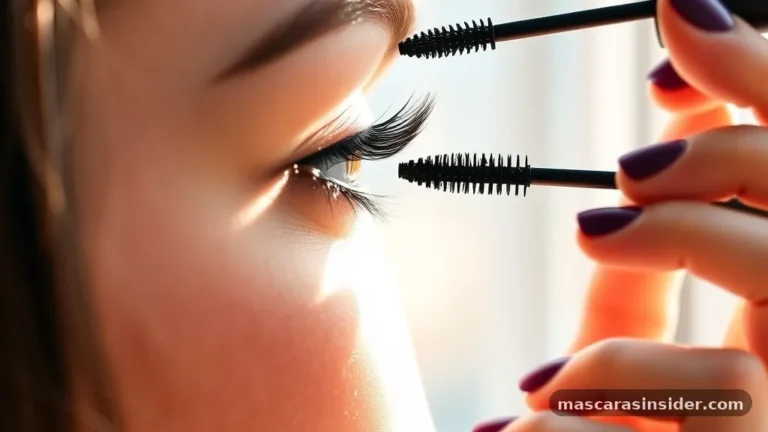


If you have ever dealt with the frustration of raccoon eyes by midday, you have likely encountered the specific promise of what is tube mascara. Unlike standard products that coat your lashes in a layer of pigment, this technology acts more like a protective sleeve. It is a distinct approach to eye makeup that relies on polymers rather than waxes or oils to define your look.
By understanding the mechanical difference in how these products adhere to your hair follicles, you can decide if the switch is right for your daily routine. This article breaks down the science, the application process, and why so many people are making the permanent move to this smudge-proof alternative.
The Fundamental Difference in Formulation
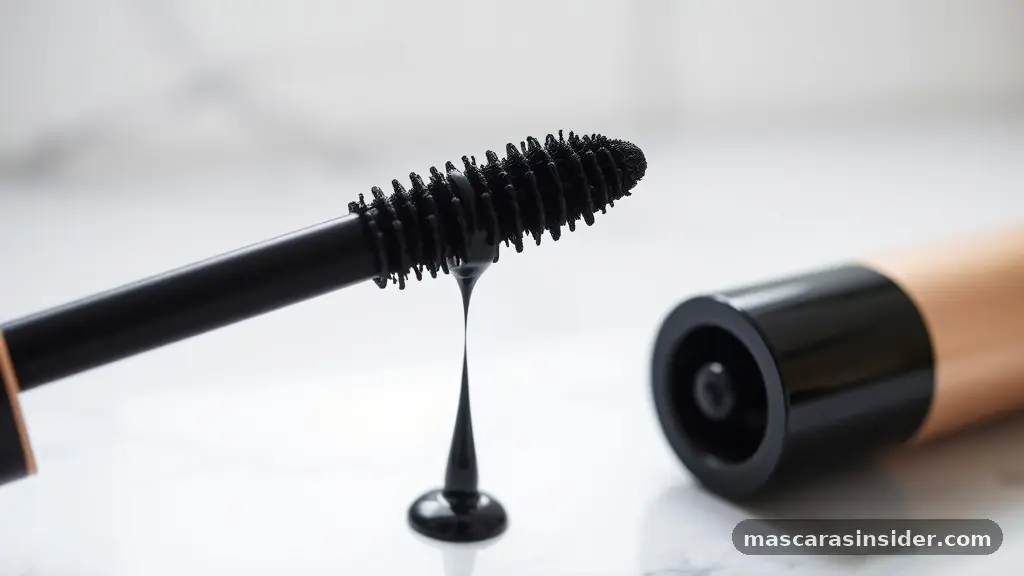
To grasp what is tube mascara, you must first distinguish it from the standard options found at every drugstore. Traditional formulas are essentially a mix of waxes, oils, and pigments designed to paint your lashes black.
They sit on top of the lash hair, which makes them susceptible to heat, humidity, and natural skin oils. When these elements interact with the wax, the product can soften, slide down your face, or crumble into tiny flakes that irritate your eyes.
Tubing technology is fundamentally different because it utilizes polymers—specifically acrylic copolymers—that wrap around each individual lash. As the product dries, it creates a flexible, cohesive tube that hugs the hair from root to tip.
Because these polymers form a physical structure rather than a smearable paste, the product does not melt or dissolve when exposed to the typical environmental factors that ruin a standard makeup look. This is why you rarely see the dreaded dark circles under the eyes with this specific type of formula.
Why Polymer Technology Prevents Smudging
The primary selling point for most users is the lack of smudging. Because the tubes are water-resistant and oil-resistant, they do not budge when you touch your face or when your eyelids get a bit oily throughout the afternoon.
If you have deep-set eyes or hooded lids that usually push mascara onto your brow bone, you will notice a significant improvement immediately. The tubes stay firmly attached to the lashes until you choose to break the seal.
Another advantage of this structural design is the resistance to flaking. Standard formulas often become brittle as they dry, leading to little black specks falling onto your cheeks.
Since the polymers in tubing products are designed to be flexible and elastic, they move with your lashes rather than cracking under the pressure of blinking. This makes them an excellent choice for people who wear contact lenses or have sensitive eyes that are easily irritated by falling debris.
The Unique Removal Process
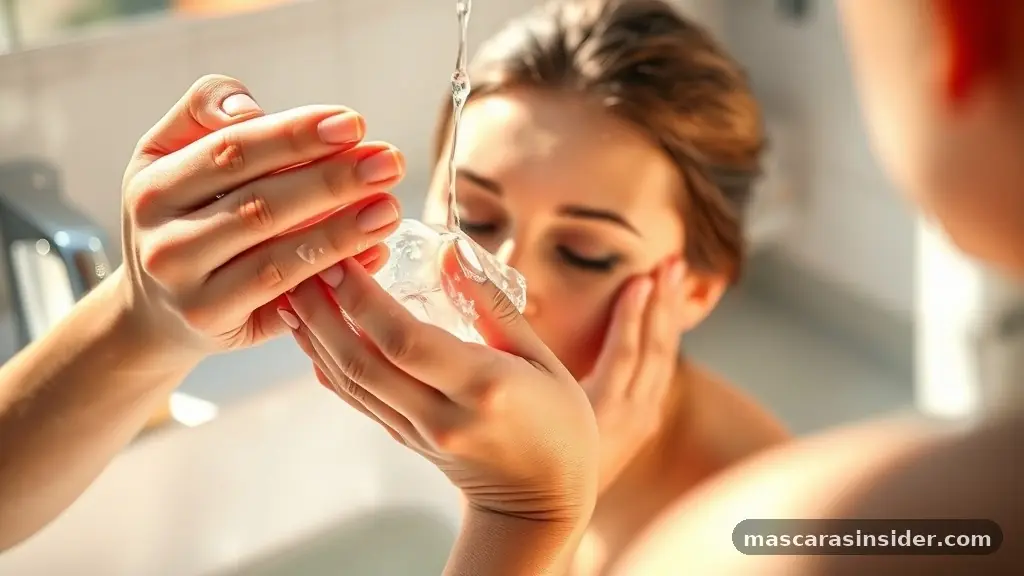
Perhaps the most surprising aspect of learning what is tube mascara is discovering how easy it is to remove. You do not need harsh makeup removers, oil-based cleansers, or aggressive scrubbing that can damage your delicate lash line. In fact, these products are designed specifically to be removed with nothing more than warm water and gentle pressure.
When you splash your eyes with warm water, the temperature causes the polymers to lose their grip on the lashes. You can then gently slide the tubes off with your fingertips or a wet washcloth. It is a satisfying process that often results in seeing little black “tubes” in your sink, which can be alarming the first time you see them.
This removal method is arguably the healthiest way to manage your eye makeup, as it eliminates the need for tugging or pulling at the roots. You can find more information on the importance of gentle eye makeup safety from the American Academy of Ophthalmology to ensure you are protecting your vision while looking your best.
Application Techniques for Optimal Results
Applying tubing mascara is a bit different from your standard routine. Because the formula relies on wrapping each hair, you need to be deliberate with your brush strokes.
Start at the very base of your lash line and wiggle the wand upward to ensure the polymers have a solid foundation to grip. If you do not coat the base, the tubes may not form correctly, which can lead to a less dramatic effect or premature shedding.
Many users find that these formulas are excellent for building length. Since the tubes extend beyond the natural tip of the lash, you can essentially “grow” your lashes with every additional coat. However, you must work quickly.
Once the polymers begin to set, adding more product can cause the tubes to clump or become uneven. It is usually best to apply one or two generous coats and then leave them alone to dry completely. Avoid the temptation to comb through them once they are partially set, as this can break the structural integrity of the tubes.
Comparing Tubing vs Traditional Formulas
Deciding between these two categories often comes down to your personal lifestyle and the look you want to achieve. The following table highlights the key differences that users experience when testing these products against one another.
| Feature | Traditional Mascara | Tube Mascara |
|---|---|---|
| Removal | Requires makeup remover | Warm water only |
| Longevity | Prone to smudging | High resistance to oil/sweat |
| Finish | Often thicker/volumizing | Focuses on length/separation |
| Lash Health | Can be hard to remove | Gentle, no tugging |
As shown in the table, the choice usually depends on whether you value high-volume, dramatic density or long-lasting, clean wear. If you want a thick, heavy lash look, you might find that traditional waxes perform better. If you prioritize a smudge-free experience that survives a long workday or a gym session, the tubing approach is the clear winner.
Debunking Myths About Lash Damage
A common misconception is that because these products form a “tube,” they might suffocate or dry out the natural hair. In reality, the opposite is often true.
Because you are not using heavy-duty, oil-based cleansers every single night, you are doing significantly less damage to your follicles. The physical act of rubbing your eyes to remove waterproof traditional formulas is one of the leading causes of lash breakage and premature loss.
By using only warm water to slide the tubes off, you preserve the natural health of your hair. You are not stripping the lashes of their natural oils or causing mechanical stress.
For individuals who have brittle or sparse lashes, transitioning to this method can lead to a noticeable improvement in overall lash health over time. There is no evidence to suggest that the polymers themselves are harmful to the hair structure; they are generally inert and designed specifically for cosmetic use around the sensitive eye area.
Identifying the Right Product for Your Needs
Not all tubing mascaras are created equal. Some brands, like Thrive Causemetics, have gained popularity specifically for their tubing-based formulas that prioritize length and ease of removal.
When shopping, look for terms like “tubing,” “polymer-based,” or “water-removable” on the packaging. Many brands now explicitly state that their product is “tubing” because it has become a highly sought-after feature in the beauty industry.
If you are unsure whether a product is a true tubing formula, check the ingredients list for terms like “acrylates copolymer” or “ammonium acrylates copolymer.” These are the building blocks of the tubes. If you see a long list of waxes like beeswax, carnauba wax, or paraffin, it is likely a traditional formula that will behave like standard mascara regardless of the brand’s marketing claims.
Common Challenges and How to Solve Them
Even with the best products, you may encounter a few hurdles when making the switch. One common complaint is that these formulas can feel slightly thinner or less “buildable” than heavy wax-based options. If you are used to a very thick, dramatic look, you might find the initial application feels a bit lightweight.
To combat this, try using a lash primer underneath. A good primer adds bulk to the lashes, giving the tubing polymers a larger surface area to latch onto.
Another issue involves the “tubes” falling into your eyes during the removal process. While the material is non-toxic, having small particles in your eye can be irritating. Ensure you are using enough warm water to fully soften the polymers before you start sliding them off.
If you try to remove them while they are still firm, they may break into smaller, sharper pieces rather than sliding off in a smooth, cohesive strand. Patience is key to a mess-free removal.
Addressing Topical Gaps in Beauty Knowledge
Many people ask if these products are “waterproof.” This is a point of confusion that needs clarification. True tubing mascaras are “water-resistant” in the sense that they will not run if you cry, sweat, or get caught in a light rain.
However, they are not “waterproof” in the traditional sense because they are designed to dissolve in warm water. If you go swimming, the combination of motion and water might eventually cause the tubes to loosen, though they are much more reliable than standard non-waterproof formulas.
Another gap in knowledge is whether you can layer these over other types of mascara. It is generally not recommended. If you put a tubing formula over a wax-based one, the tube will form around the wax, which defeats the purpose.
When you go to remove it, the tube will slide off, but the wax underneath will remain, potentially causing a mess. It is best to use a tubing product on clean, bare lashes to get the full benefit of the technology.
The Role of Precision in Modern Beauty
The shift toward tubing technology reflects a broader trend in the beauty world: the move toward functional, high-performance makeup. Consumers are no longer satisfied with products that look good for an hour and then fail. They want items that work with their biology and lifestyle.
Tubing mascara represents a perfect intersection of chemistry and convenience. It is a precise solution to a universal problem—the struggle of keeping eye makeup in place without sacrificing lash health.
As beauty standards continue to evolve, we are likely to see even more innovation in this space. Brands are already experimenting with different polymer structures to create more volume, curl, and even conditioning benefits within the tube itself. By understanding the core mechanics of what is tube mascara, you are better equipped to navigate the crowded beauty aisles and select products that actually deliver on their promises.
FAQs
Is tubing mascara the same as waterproof mascara?
No, they are different. Waterproof mascara uses waxes and oils that require harsh chemical removers. Tubing mascara uses water-soluble polymers that do not dissolve in sweat or oil but slide off easily when exposed to warm water and gentle pressure, making them a healthier alternative for daily use.
Can I wear tubing mascara if I have sensitive eyes?
Yes, these products are often excellent for sensitive eyes. Because they do not smudge or flake into the eye throughout the day, they cause less irritation. Furthermore, the removal process is much gentler, as it does not require rubbing or the use of potentially irritating chemical makeup removers.
Does tubing mascara make my lashes look shorter?
Actually, it often makes them look longer. The polymers are designed to extend past the tip of your natural lash, creating a “tube” that adds length. While they may not provide the same heavy, dramatic volume as wax-based formulas, they are highly effective at defining and lengthening individual lashes.
What happens if I get my face wet while wearing it?
A little bit of water, such as sweat or light rain, will not affect the tubes because they require warm water and physical manipulation to slide off. However, if you are swimming or rubbing your eyes while they are wet, the tubes may begin to loosen and come off.
Conclusion
Understanding what is tube mascara changes the way you approach your daily beauty routine. By opting for polymer-based formulas, you gain a reliable, smudge-proof look that respects the health of your lashes. The transition requires a slight change in application and removal habits, but the benefit of avoiding raccoon eyes and harsh scrubbing is well worth the effort.
Whether you are looking for a long-wearing solution for a busy work schedule or a gentle option for sensitive eyes, this technology offers a practical way to keep your lashes looking defined and clean from morning until night. Feel free to experiment with different brands to find the specific formula that works best for your unique lash type and desired aesthetic.