
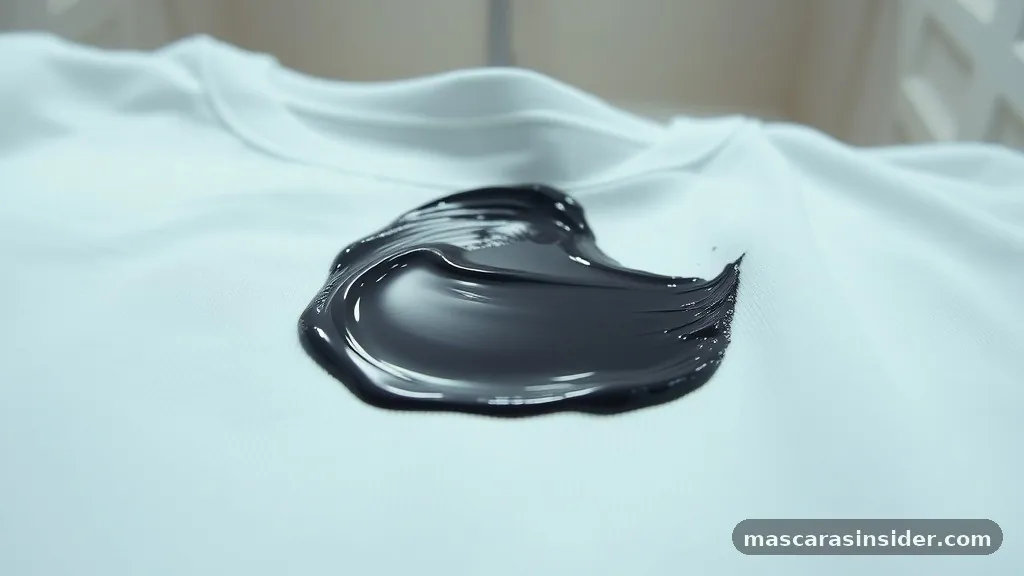
You lean in toward the mirror, one careful swipe of the wand, and then it happens. A black smudge lands right on your collar.
Or maybe you brushed against your shirt while getting dressed and now there’s a dark streak where there shouldn’t be one. Mascara stains are sneaky like that, and because most formulas are built to survive tears, sweat, and a full day of wear, they don’t just rinse away when you want them to.
The good news? You don’t need to toss the garment or resign it to loungewear-only status.
With the right approach and a little patience, most mascara marks come out completely. This guide walks you through exactly what to do, whether the stain is fresh or has been sitting for a week.
Why Mascara Is Such a Stubborn Stain
To beat a stain, it helps to know what you’re fighting. Mascara isn’t a simple pigment.
It’s a blend of waxes, oils, polymers, and dark pigments (usually iron oxides or carbon black) designed to cling to your lashes and stay put. That’s great for your makeup routine and terrible for your laundry.
Waterproof mascara is the toughest of the bunch. Regular formulas are water-soluble to a degree, but waterproof versions add silicones and film-forming ingredients specifically so water rolls right off. Toss that shirt straight into a hot wash and you might actually cook the stain in.
The three components you’re dealing with:
- Oils and waxes — these need something that breaks down grease, like dish soap or an oil-based makeup remover.
- Pigment — the dark color that stains the fibers and needs lifting, not spreading.
- Polymers — the film that makes waterproof formulas so clingy.
Because there’s oil in the mix, water alone won’t cut it. You need a solution that dissolves grease.
And because there’s pigment, you have to lift it out rather than grind it deeper into the fabric. Get both of those right and you’re most of the way there.
First Steps: What to Do the Moment It Happens
Speed matters more than almost anything else. A fresh mascara stain is far easier to remove than one that’s dried and set. If you catch it right away, your odds jump dramatically.
Resist the urge to rub. Rubbing feels productive, but it pushes the pigment deeper into the fibers and spreads a small spot into a bigger mess.
Instead, blot. Grab a clean paper towel or cloth and gently lift the excess mascara off the surface.
Here’s the immediate game plan:
- Scrape off any thick, gloppy excess with a spoon or dull knife edge. Work from the outside of the stain inward.
- Blot the area with a dry paper towel to soak up what you can.
- Flip the garment over and rinse the back of the stain under cold water. This pushes the pigment out the way it came instead of driving it through the fabric.
- Never use hot water at this stage — heat sets protein and oil stains.
If you’re out and about with no supplies, even a dab of cold water and a napkin will limit the damage until you get home. Just blot, don’t scrub. That one habit alone saves a lot of shirts.
How to Remove Mascara From Clothing With Dish Soap
For most fabrics and most mascaras, plain dish soap is the hero. It’s formulated to break down grease, which is exactly what you need against those waxy, oily ingredients. A blue liquid dish soap works especially well because it’s a strong degreaser.
Here’s the method:
- Place the stained area face-down on a clean, folded towel or a stack of paper towels.
- Apply a small amount of dish soap directly to the back of the stain.
- Add a splash of cold or lukewarm water and work the soap into a light lather with your fingertips.
- Let it sit for five to ten minutes so the soap can break down the oils.
- Gently rub the fabric against itself, or use a soft toothbrush to work the stain loose.
- Rinse thoroughly with cold water and check your progress.
You’ll often see the pigment transfer onto the towel underneath, which is a sign it’s working. Repeat the process if a shadow remains.
For a light stain, one round usually does it. Deeper stains might need two or three passes before you reach for the washing machine.
Warm water can help the soap cut through oil more effectively once you’re past the initial rinse, but keep it away from any stain you haven’t tackled yet. When in doubt, stay cool.
Makeup Remover and Other Effective Solutions
It makes sense that the product built to dissolve mascara off your face works on fabric too. An oil-based or micellar makeup remover can lift a mascara stain nicely, especially on sturdier materials. Dab a little onto a cotton pad or cloth and gently press it into the stain, then blot with a clean section of cloth to lift the loosened pigment.
Micellar water is gentle enough for delicate items, though it may need a few applications. Oil-based removers are more powerful against waterproof formulas but can leave their own greasy residue, so follow up with a dish soap treatment to clear the oil.
Other things that genuinely help:
- Rubbing alcohol — good for cutting through waterproof mascara. Test it on a hidden seam first, since it can affect some dyes.
- Laundry detergent applied directly — work a small amount into the stain as a pre-treatment before washing.
- Baking soda paste — mix with a little water for a mild abrasive that helps on lighter fabrics.
- Stain remover sticks or sprays — handy for pre-treating before the wash cycle.
Whatever you use, always work from the outer edge of the stain toward the center. That keeps it from spreading. And test any strong solution on an inconspicuous area of the garment before going all in, particularly with colored or delicate fabrics.
Comparing Your Cleaning Options
Not every solution suits every situation. Here’s a quick reference to help you pick the right one based on the fabric and the type of mascara you’re dealing with.
| Method | Best For | Watch Out For |
|---|---|---|
| Dish soap | Cotton, most everyday fabrics, regular mascara | Can be drying on delicates if overused |
| Makeup remover | Fresh stains, waterproof formulas | Oil-based versions leave residue |
| Rubbing alcohol | Waterproof mascara, tough set-in marks | May fade some dyes; spot test first |
| Laundry detergent | Pre-treating before a machine wash | Less effective alone on waterproof types |
| Baking soda paste | Light stains, white cotton | Too abrasive for silk or wool |
White clothes deserve a special note. For a stubborn shadow on white cotton, an oxygen-based stain remover or a diluted hydrogen peroxide solution can lift the last of the pigment. Skip chlorine bleach unless the care label allows it, because it can react with the iron oxides in mascara and leave a yellowish mark that’s harder to fix than the original stain.
Removing Dried and Set-In Mascara Stains
Life happens. Sometimes you don’t notice the mark until the shirt’s been sitting in the hamper for days, or worse, until it’s come out of the dryer. A dried, set-in stain is harder, but rarely hopeless.
Start by loosening the crusted mascara. Gently scrape away any dried flakes with your fingernail or a dull edge, being careful not to damage the weave.
Then rehydrate the stain by soaking it. Fill a bowl with cold water and a squirt of dish soap or a scoop of laundry detergent, and let the garment soak for 30 minutes to an hour.
After soaking, apply your degreaser of choice directly and work it in gently. For dried waterproof mascara, rubbing alcohol on a cotton ball is often your best bet. Dab, don’t rub, and keep switching to a clean spot on the cotton so you’re lifting pigment away rather than moving it around.
The American Cleaning Institute recommends treating stains before they set and always checking the results before machine drying, since heat locks in whatever’s left. You can read more about their stain removal basics for a broader rundown on tackling tough marks.
Repeat the treatment as many times as needed. Patience beats aggression here. Several gentle rounds will outperform one frustrated scrubbing session every time.
Washing and Final Steps
Once you’ve pre-treated the stain and it looks like it’s gone (or nearly gone), it’s time to wash. But there’s a right way to do this so all your effort doesn’t unravel in the machine.
Check the stain one more time before it goes in. If any darkness lingers, treat it again. Do not put the garment in the dryer until the stain is fully gone, because dryer heat will bake the remaining pigment into the fibers permanently.
A few pointers for the wash:
- Wash the item alone or with similar colors so any loosened pigment doesn’t transfer.
- Use the coolest water setting the fabric allows for treated stains.
- Add a scoop of oxygen-based stain booster to your regular detergent for extra lifting power.
- Once the cycle finishes, inspect the fabric in good light before drying.
Air drying is your safest option after treating any stain. If the mark is truly gone and you’re confident, a normal dry cycle is fine.
When you’re not sure, hang it up. Mascara does come out in the wash when it’s been pre-treated properly, but a raw untreated stain thrown straight into the machine usually survives the trip.
Frequently Asked Questions
How do you get dried mascara out of clothes?
Scrape off dried flakes first, then soak the garment in cold water with dish soap or detergent for up to an hour to rehydrate the stain. Apply a degreaser or rubbing alcohol, blot gently to lift the pigment, and repeat until it’s gone. Avoid heat until the stain has fully cleared.
What removes mascara easily?
Dish soap is the most reliable everyday option because it cuts through the oils and waxes in mascara. Makeup remover, micellar water, and rubbing alcohol also work well, especially on waterproof formulas. The key is choosing something that breaks down grease and lifting the stain rather than rubbing it in.
Does mascara come out of clothes in the wash?
It can, but only if you pre-treat the stain first. Tossing an untreated mascara mark straight into the machine often isn’t enough, and hot water or the dryer can set it permanently. Treat the spot with dish soap or a stain remover, then wash on a cool setting.
What should I do if I get mascara on my shirt at school or out?
Blot the excess with a dry napkin, then dab the area with a little cold water. Don’t rub, since that spreads the stain.
If there’s soap in the bathroom, a tiny amount worked in gently can help. Then treat it properly with dish soap or makeup remover once you get home.
How do I get mascara out of white clothes?
After pre-treating with dish soap, use an oxygen-based stain remover or diluted hydrogen peroxide to lift any remaining shadow from white cotton. Avoid chlorine bleach, which can react with the iron oxides in mascara and leave a yellow tint that’s tricky to remove.
Final Takeaways
Mascara stains look scary, but they follow rules you can use to your advantage. Move fast, blot instead of rub, and always reach for a grease-cutting solution like dish soap or makeup remover rather than water alone. Keep everything cool until the stain is gone, and never let heat touch it until you’re certain.
Fresh stains come out in minutes with a little dish soap and cold water. Dried ones ask for more patience and a soak, but they usually surrender too. The single biggest mistake people make is running a stained garment through the dryer before checking their work, so make that final inspection a habit.
Treat the mark, confirm it’s gone, then dry. Your clothes will thank you.