

Knowing how often you should replace mascara is a fundamental aspect of maintaining proper eye hygiene. Many beauty enthusiasts keep their favorite tubes long past their prime, unaware of the hidden risks lurking inside the container. Because mascara is a liquid product applied directly to the delicate area around your eyes, it creates a perfect environment for microorganisms to thrive.
By understanding the timeline for safe usage, you can protect your vision while ensuring your makeup application remains smooth and effective. Staying informed about these timelines helps you avoid common pitfalls that lead to irritation or more serious complications.
The Three-Month Rule for Eye Safety
Most dermatologists and makeup professionals agree that you should replace mascara every three months. This timeframe isn’t just a suggestion from manufacturers to sell more products; it is a vital guideline based on the chemistry of the formula. Once you open a tube, the protective preservatives inside begin to break down, and the environment becomes compromised.
The wand acts as a shuttle, moving back and forth between your lashes and the tube. With every application, you are introducing skin cells, oils, and environmental debris into the container.
These organic materials serve as food for microorganisms. Over the course of twelve weeks, the concentration of these substances can reach levels that are no longer safe for your delicate ocular tissues.
If you find yourself holding onto a tube of mascara for six months or even a year, you are significantly increasing your risk of developing an infection. While the product might still appear to function, the invisible reality inside the tube is quite different. Prioritizing your health over the cost of a replacement is always the smarter choice.
Understanding Bacterial Growth in Cosmetics
The science behind why we must replace our makeup regularly comes down to the rapid rate at which bacteria can multiply. A tube of mascara is a warm, dark, and moist environment—the exact conditions that pathogens love. Even with modern preservatives designed to extend shelf life, no formula remains sterile indefinitely once it has been exposed to the air.
When you pump the wand into the tube to get more product, you are actually forcing air inside. This oxygenation process accelerates the degradation of the stabilizing agents. As these agents lose their potency, the internal environment shifts from a controlled, safe space to a breeding ground for staph and other opportunistic bacteria.
Research from the U.S. Food and Drug Administration highlights that cosmetics, particularly those used around the eyes, require strict adherence to hygiene standards to prevent contamination.
If you notice any changes in the smell, texture, or consistency of your product, it is a clear indicator that the microbial balance has shifted. Never try to “revive” an old product by adding water or oil, as this further dilutes the preservatives and invites even faster growth.
Identifying Signs of Expired Product
Beyond the calendar date, your senses are the best tools for determining if it’s time to toss your makeup. Even if you haven’t hit the three-month mark, you should stop using the product if you notice any “off” characteristics.
A fresh tube should have a specific, mild scent or no scent at all. If your mascara starts to smell like vinegar, damp earth, or just generally sour, it has likely expired.
Texture is another massive red flag. If the liquid has become clumpy, stringy, or excessively dry, the chemical structure has changed.
This often happens because the solvents in the formula have evaporated, leaving behind a thick residue that is difficult to apply evenly. Trying to force this dry product onto your lashes can cause them to become brittle and prone to breakage.
Furthermore, pay attention to the performance of the mascara. If it starts flaking off onto your cheeks throughout the day, it is a sign that the binding agents are failing. Flakes falling into your eyes are not just annoying; they are physical irritants that can scratch the surface of the cornea and create entry points for bacteria.
The Risks of Ignoring Expiration Dates
Ignoring the recommendation to replace mascara every few months can lead to a variety of uncomfortable and potentially dangerous health issues. The most common consequence is a case of conjunctivitis, or pink eye.
This condition causes redness, itching, discharge, and significant discomfort. Because the bacteria are already inside the mascara, you are essentially reapplying the infection to your own eyes every morning.
In more severe scenarios, contaminated products can lead to styes or even corneal ulcers. These conditions are not only painful but can sometimes require professional medical intervention. When you introduce pathogens to the eye, you bypass the body’s natural defenses, such as eyelashes and tears, which usually work to keep foreign particles away from the sensitive mucous membranes.
It is also important to consider the long-term impact on your lash health. Using expired, clumpy products can cause your eyelashes to stick together and pull out during removal.
Over time, this can lead to thinning lashes. Keeping your makeup fresh ensures that the application process remains gentle, protecting both the eye itself and the follicles that support your lash growth.
Best Practices for Hygiene During Use
Knowing how often you should replace mascara is only half the battle; how you handle the product during those three months matters just as much. Simple habits can prevent premature contamination and keep your formula stable for its full, intended lifespan.
- Never share your mascara with friends, as this is the fastest way to transmit bacteria between different people.
- Avoid pumping the wand in and out of the tube, as this pushes air and contaminants into the reservoir.
- Always remove your eye makeup completely before going to sleep to prevent residue from entering the eyes overnight.
- Store your makeup in a cool, dry place away from direct sunlight, which can break down ingredients.
- Clean the wand periodically with a disposable spoolie if you feel the brush has collected too much debris.
By following these habits, you extend the integrity of the product and minimize the risk of irritation. Remember that your eyes are one of the most sensitive parts of your body. Treating your makeup with the same care you would treat your skincare or medications is essential for long-term health.
Common Myths About Mascara Longevity
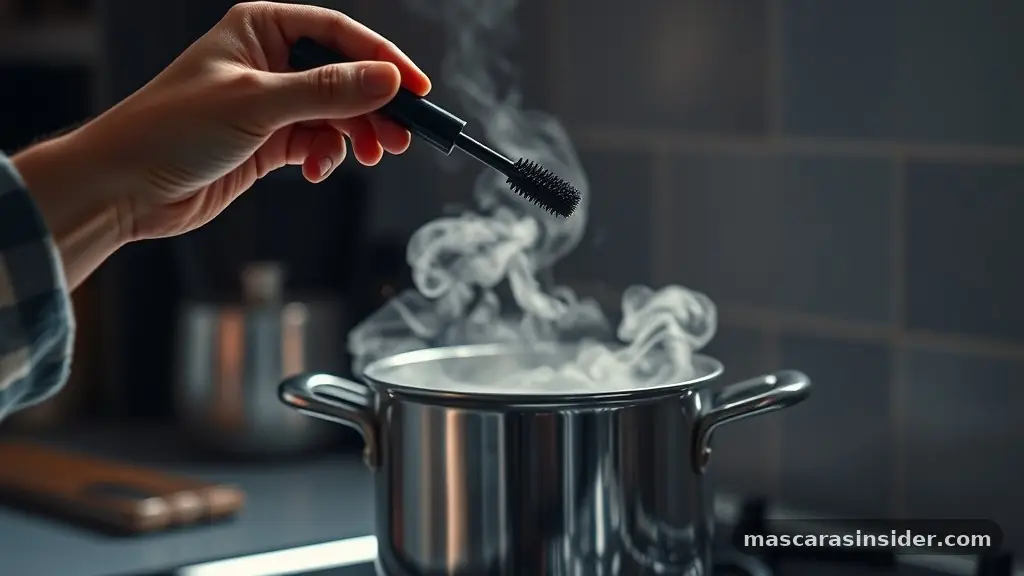
There are many myths circulating in the beauty community about extending the life of makeup. One of the most dangerous is the idea that you can “sanitize” a wand by boiling it or adding alcohol to the tube.
These methods are ineffective and often counterproductive. Boiling can melt the plastic components of the brush, while adding substances to the tube destroys the chemical balance that keeps the formula safe.
Another common misconception is that “natural” or “organic” mascaras last longer or are safer. In reality, these products often lack the robust synthetic preservatives found in traditional formulas, meaning they can actually be more susceptible to bacterial growth. If you choose to use natural products, you must be even more diligent about checking the expiration date and watching for signs of spoilage.
Some people believe that if a product is expensive, it doesn’t need to be replaced as often. Price has nothing to do with the rate at which bacteria grow. Whether you buy a budget-friendly option from the drugstore or a luxury brand, the microbial clock starts ticking the moment you break the seal.
Comparison of Makeup Expiration Timelines
While we focus on mascara, it is helpful to look at how other eye products compare in terms of their longevity. The eyes are a high-risk zone for all types of makeup, and maintaining a consistent replacement schedule across your entire kit is the best way to stay safe.
| Product Type | Average Recommended Life | Primary Risk Factor |
|---|---|---|
| Mascara | 3 Months | Bacterial buildup in tube |
| Liquid Eyeliner | 3-4 Months | Contamination of the tip |
| Cream Eyeshadow | 6 Months | Moisture-rich environment |
| Powder Eyeshadow | 12-24 Months | Surface debris collection |
| Pencil Eyeliner | 12-18 Months | Can be sharpened to remove bacteria |
As shown in the table, liquid-based products consistently require more frequent replacement than powders. This is because liquids provide the moisture necessary for bacterial life, whereas dry powders are much less hospitable to microorganisms.
How to Track Your Makeup Purchases
If you find it difficult to remember when you opened a specific tube, there are several simple strategies you can use to stay on track. One of the easiest methods is to write the date on the bottom of the tube with a permanent marker. This takes two seconds and provides a clear, objective reminder of when the product entered your rotation.
Alternatively, you can use a digital approach. Many beauty enthusiasts use simple mobile apps or even a recurring calendar alert on their phone to track when they start a new product.
If you buy a new mascara, set a reminder for three months out. When the notification pops up, it serves as a prompt to either finish the tube or toss it in the bin.
Another strategy is to align your makeup replacement with a regular life event. For instance, you could commit to replacing your mascara at the start of every season—Spring, Summer, Fall, and Winter. This creates a natural rhythm that makes it much easier to remember, ensuring that you are never using a product that has been open for more than a few months.
Addressing Topical Gaps in Cosmetic Hygiene
Many people wonder if there is a difference between waterproof and standard formulas regarding expiration. While waterproof formulas contain different polymers, they are still subject to the same bacterial contamination risks as regular versions. Some users mistakenly believe that because waterproof mascara is “tougher,” it is more resistant to spoilage.
This is not the case. The bacteria that contaminate your makeup do not care about the water resistance of the formula; they care about the nutrients and moisture present in the tube.
Another gap in common knowledge involves the use of mascara after a recent eye infection. If you have suffered from an eye infection, you must discard all eye makeup used leading up to the diagnosis.
Even if you feel better, the bacteria may still be living inside the tube, waiting to re-infect you. It is a small price to pay to ensure you don’t end up in a cycle of recurring infections.
Finally, consider the applicator itself. While it is rare for the average consumer, some makeup artists use disposable wands for every single application. If you have particularly sensitive eyes, buying a pack of disposable spoolies and using a fresh one each time—without ever putting the wand back into the tube—can significantly extend the safety and quality of your product.
The Importance of Proper Removal
The final stage of mascara safety occurs at the end of the day. Leaving your makeup on overnight is one of the most common mistakes people make.
Mascara that remains on the lashes while you sleep can rub off onto your pillowcases and sheets, where it can collect dust and allergens. Even worse, it can migrate into your eyes while you toss and turn, causing irritation and clogging the small glands along your lash line.
Using a dedicated, gentle eye makeup remover is vital. Avoid rubbing your eyes harshly, as this can damage the delicate skin and cause lash loss. Instead, saturate a cotton pad with a makeup remover, hold it against your closed eyelid for a few seconds to let the product dissolve the mascara, and then gently wipe downward.
This process ensures that you aren’t leaving any residue behind. When you remove your makeup thoroughly, you reduce the amount of product that needs to be cleaned out of your eyes by your natural tears. This leads to a healthier eye environment and ensures that your lashes remain strong and hydrated for the next morning’s application.
Frequently Asked Questions
Is it safe to use mascara that is 5 months old?
You should avoid using mascara that is five months old. By this time, the internal preservatives have likely depleted, and the risk of bacterial growth is significantly higher. Using it increases your chances of developing eye infections, so it is safer to replace it immediately.
How do I know if my mascara has gone bad?
Look for changes in the smell, texture, or performance of the product. If it smells sour, has become clumpy or dry, or begins to flake during the day, it has expired. If you notice any redness or itching after application, stop using it right away.
Does waterproof mascara last longer than regular mascara?
Waterproof mascara does not last longer than regular formulas. While it holds up better against tears and humidity, it is equally susceptible to bacterial contamination once opened. You should still follow the standard three-month replacement rule to ensure your eye health and safety.
What is the healthiest way to apply mascara?
The healthiest application method involves using a clean wand, avoiding pumping the brush into the tube, and never sharing your product with others. Always ensure your lashes are clean before application and remove all traces of the product before going to sleep at night.
Final Thoughts on Eye Health and Makeup
Maintaining the health of your eyes is a lifelong commitment that starts with the small, daily choices you make regarding your beauty routine. Knowing how often you should replace mascara is a vital part of this process, acting as a simple but effective barrier against unnecessary infections and irritation. While it may feel like a waste to discard a product that still contains liquid, the potential cost of an eye infection far outweighs the price of a new tube.
By keeping track of your purchases, practicing good hygiene during application, and listening to the signs your body gives you, you can enjoy your makeup without compromising your vision. Make it a habit to check your collection regularly and swap out your old products for fresh ones. Your eyes will thank you for the extra care, and you’ll enjoy a much smoother, more professional makeup application every single time you reach for your favorite mascara.
Meta Description: Discover exactly how often you should replace mascara to keep your eyes healthy and avoid painful infections. Learn the best hygiene practices today.