

Discovering your favorite makeup has turned into a clumpy, unusable mess is a common frustration for anyone who wears cosmetics regularly. Finding out how to revive mascara quickly can save you from a last-minute panic when you are preparing for work or an evening out.
Rather than discarding a tube that still has plenty of product left inside, you can use a few simple techniques to restore its smooth consistency. This process is generally safe when done with the right ingredients, ensuring you get every last bit of value from your purchase while keeping your eye makeup looking flawless and fresh.
Understanding Why Your Mascara Dries Out
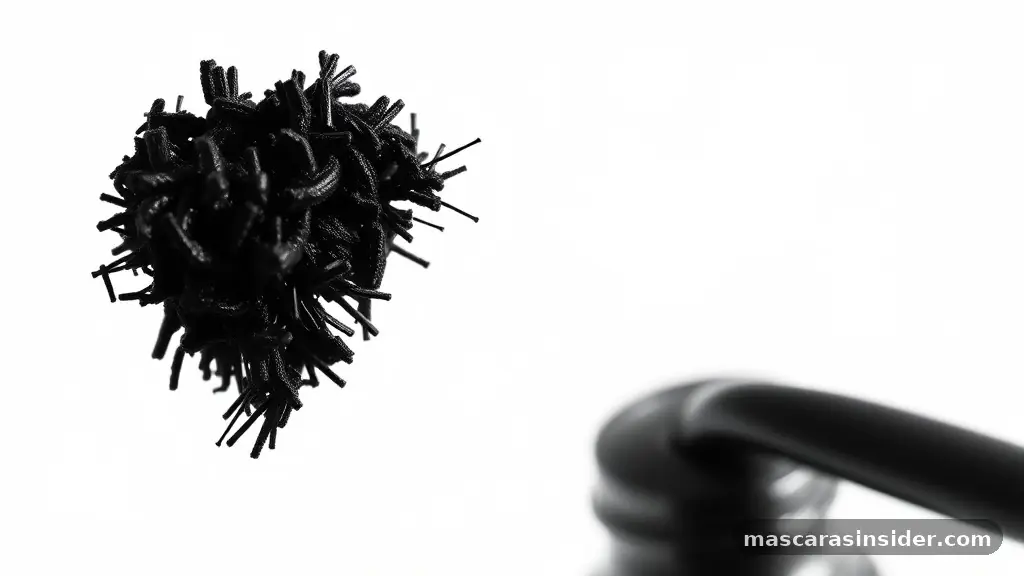
The primary reason your makeup loses its smooth texture is simple exposure to air. Every time you pull the wand out of the mascara tube, oxygen enters the container. Over time, this air causes the formula to oxidize and thicken, eventually leading to a dry, clumpy consistency that is difficult to apply.
Many people unknowingly accelerate this process by repeatedly pumping the wand in and out of the tube. This action pushes air deep into the barrel, which significantly shortens the lifespan of your product.
Another factor is the natural evaporation of the solvents used in the formula. Manufacturers design these products to have a specific viscosity for even application, but once the seal is broken, those volatile ingredients begin to escape.
If you store your makeup in a warm or humid environment, like a bathroom that gets steamy from showers, the breakdown happens even faster. Keeping your items in a cool, dry place can help preserve the formula for a longer period.
The Hot Water Trick for Quick Restoration
One of the most effective ways to soften a hardened formula involves using a little hot water. This method is gentle and does not require you to introduce foreign substances into the tube, making it a favorite for those with sensitive skin.
To perform this, place your sealed tube inside a cup of warm water for about five to ten minutes. The heat helps to loosen the pigments and oils trapped inside, allowing the product to regain its original, smooth texture.
Make sure the water is warm rather than boiling. Excessive heat can damage the plastic packaging or degrade the chemical preservatives in the formula. Once you remove the tube from the water, roll it between your palms for a few seconds.
This friction generates a little extra heat and helps distribute the now-liquefied product evenly along the wand. This technique is often enough to give you a few extra weeks of use from a product that seemed destined for the trash.
Using Saline Solution to Thin the Formula
If heat alone does not provide the desired results, you might need to add a small amount of liquid to rehydrate the pigments. A contact lens or saline solution is the safest and most recommended additive for this purpose. Because these solutions are formulated to be sterile and pH-balanced for use near the eyes, they are much safer than oils or tap water, which could introduce bacteria or cause irritation.
To use this method, add just one or two drops of the solution into the container. Do not overdo it, as adding too much liquid will turn the formula into a watery, runny mess that will smudge easily on your eyelids.
After adding the drops, insert the wand and twist it gently against the sides of the tube to mix the solution into the formula. Remember that you are trying to rehydrate, not dilute, so start with the smallest amount possible and test the consistency before adding more.
The Dangers of Pumping the Wand
Many users develop a habit of pumping wand movements to gather more product on the bristles. While this feels like it is loading the brush more effectively, it is actually the fastest way to ruin your makeup.
Every time you push the brush down, you force a pocket of air into the bottom of the container. This creates a cycle of oxidation that causes the contents to dry out much faster than they would otherwise.
Instead of pumping, try a swirling motion. Insert the brush and rotate it in a circular motion against the inside wall of the tube. This picks up the product without forcing air into the chamber.
If you feel like you are not getting enough coverage, it is better to wipe the excess off the tip and re-insert the brush once rather than pumping it multiple times. Changing this simple habit can add significant time to the life of your cosmetic products.
When to Replace Your Makeup for Safety
While learning how to revive mascara is a great way to save money, you must prioritize your health. All eye products have a finite shelf life, typically ranging from three to six months once opened.
Even if you manage to keep the texture smooth, the preservatives in the formula lose their effectiveness over time. This makes the tube a potential breeding ground for bacteria, which can lead to infections like conjunctivitis.
If you notice a change in the smell of the product, or if it causes any itching, redness, or burning upon application, stop using it immediately. These are signs that the product has expired or become contaminated. You can find more information about cosmetic shelf life and safety guidelines at the U.S.
Food and Drug Administration website. Never try to salvage a product that has been sitting in your drawer for more than six months, as the risk to your vision is not worth the cost of a replacement.
Comparing Methods for Reviving Dried Makeup
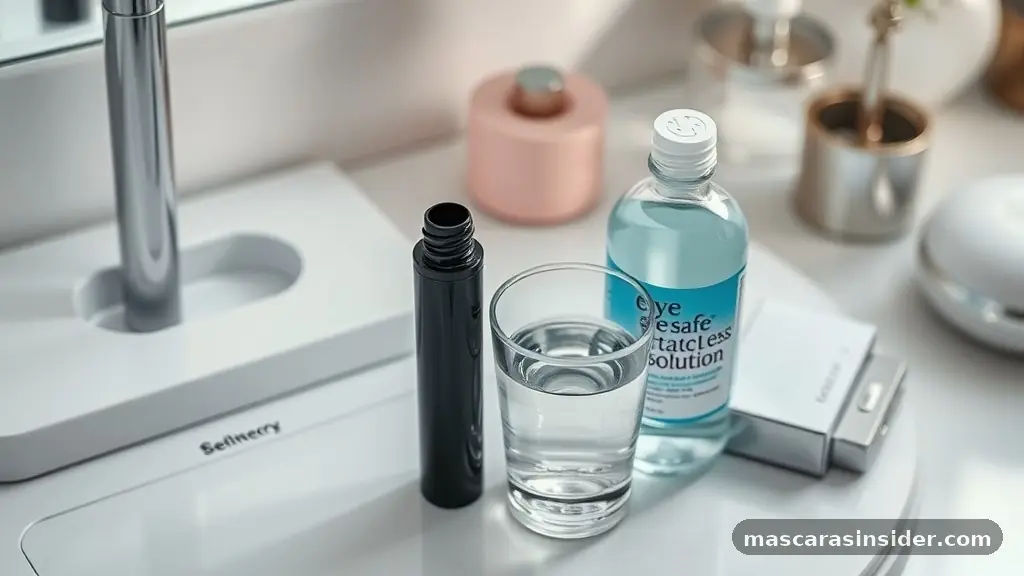
Choosing the right approach depends on how dry the product has become and what you have on hand. The following table highlights the most common methods and their effectiveness.
| Method | Ease of Use | Safety Level | Best For |
|---|---|---|---|
| Hot Water Bath | High | Very Safe | Slightly thick or clumpy formulas |
| Saline/Lens Solution | Medium | Safe | Very dry, stiff, or old formulas |
| Eye Drops (Lubricating) | Medium | Safe | Quick fixes when saline isn’t available |
| Coconut/Baby Oil | Low | Risk of Irritation | Not recommended for eye area |
Common Mistakes That Lead to Early Dryness
Beyond the habit of pumping the wand, several other environmental and usage factors contribute to a shortened product lifespan. Leaving the cap loose is a common error that leads to rapid moisture loss.
Always ensure you hear a definitive click or feel the cap tighten completely after every use. A new tube should always be sealed tight, but even a slightly loose cap allows air to circulate, which will turn your cream into a dry, clumpy paste in just a few days.
Storage location matters immensely. Many people keep their makeup in a bathroom vanity, which is often the worst place due to fluctuating temperatures and humidity. If you have a dedicated vanity or a cool, dark drawer in your bedroom, move your cosmetics there.
Keeping them away from direct sunlight and heat sources like radiators or hair dryers will keep the formula stable for much longer. These minor adjustments to your daily routine can prevent you from needing to perform repairs in the first place.
Cleaning the Wand for Better Application
Sometimes, the issue isn’t the formula itself but rather the buildup of dried product on the bristles. Over weeks of use, the brush can accumulate layers of old makeup, making it difficult to apply the product smoothly.
This buildup causes clumps and prevents the bristles from separating your lashes properly. To fix this, you can clean the wand using a gentle makeup remover or warm, soapy water.
After washing the wand, let it dry completely before putting it back into the tube. If you place a wet brush back inside, you will introduce water into the formula, which can lead to bacterial growth and spoilage. A clean wand ensures that every stroke is precise and even.
If the brush has become permanently warped or the bristles are fraying, no amount of cleaning will help. In that case, it is time to accept that the product has reached the end of its useful life.
Natural Alternatives vs. Synthetic Solutions
You might have heard of using oils like coconut or baby oil to restore consistency. While these oils can certainly make the texture smoother, they are generally not recommended for use near the eye.
Oils can cause a film to form over your contact lenses or, worse, clog the tear ducts and glands along your lash line. This can lead to styes or persistent irritation that requires medical attention.
Stick to water-based solutions like saline or specialized eye drops. These are formulated to be compatible with the delicate tissues of the eye.
If you find that your product is so dry that it requires a significant amount of oil to become usable, it is likely too old to be saved safely. Using a product that has lost its chemical stability is simply not worth the potential discomfort or infection risk.
Essential Tips for Longevity
To maintain your makeup longer, consider these proactive steps to prevent it from drying out in the first place:
- Store your items in a cool, dark place away from direct sunlight.
- Always double-check that the cap is screwed on tightly after every use.
- Avoid sharing your eye makeup with others to prevent bacterial contamination.
- Wipe the rim of the tube with a makeup wipe occasionally to ensure a perfect seal.
- Replace your mascara every three months to ensure maximum safety and performance.
By following these habits, you will find that you rarely need to worry about fixing a dried-out tube. Proper maintenance is the best approach to keeping your beauty routine stress-free and effective. Remember, if the product has changed color, developed an unusual odor, or is causing irritation, it is time to discard it regardless of how well you have maintained it.
Frequently Asked Questions
Is it safe to use water to thin out my mascara?
It is generally better to avoid adding plain tap water to your makeup tube. Tap water contains minerals and potential bacteria that can contaminate the product and cause eye infections. Use sterile saline solution or contact lens solution instead, as these are formulated to be safe for the eyes.
How do I know if my mascara is truly expired?
Check the packaging for the PAO (Period After Opening) symbol, which looks like a little jar with a number like 3M or 6M. If you have passed this timeframe, or if the product smells off, has changed texture significantly, or causes irritation, it is time to replace it.
Can I use eye drops instead of saline solution?
Yes, lubricating eye drops are a safe alternative to saline solution. They are designed to be compatible with the eye and can effectively rehydrate a dry formula. Just ensure you use a basic, preservative-free version if possible, and only add one or two drops to avoid making the consistency too thin.
Why does my mascara get clumpy so quickly?
Clumping is usually a sign of oxidation caused by air entering the tube. This often happens because of the habit of pumping the wand. Additionally, storing your makeup in a hot or humid bathroom can cause the solvents in the formula to evaporate, leading to a faster transition from creamy to clumpy.
Reviving Your Makeup Routine
Learning how to revive mascara is a practical skill that helps you get the most out of your favorite products while avoiding unnecessary waste. By using safe, sterile methods like the warm water bath or adding a few drops of saline solution, you can extend the life of your makeup and ensure a smooth, clump-free application every time. Remember that these tricks are meant for temporary fixes; they are not a substitute for regular replacement.
Keeping your tools clean and storing them in a cool, stable environment will prevent many of these issues from arising in the first place. Stay mindful of the expiration dates to keep your eyes healthy and your look fresh. If you have any other tips that have worked for you, feel free to share your experiences with your fellow beauty enthusiasts.
{“description”:”Learn how to revive mascara effectively with simple, safe techniques. Discover tips to prevent clumping and extend the life of your eye makeup.”}