
Finding yourself without your usual bottle of cleanser when you need to remove waterproof mascara without makeup remover can be a frustrating experience. Waterproof formulas are specifically designed to resist moisture, sweat, and tears, meaning they anchor themselves firmly to your lashes using polymers and waxes that standard soap simply cannot dissolve.
While it is tempting to scrub your eyes until the product comes off, this approach often leads to lash breakage and irritation of the delicate skin around your eyes. Fortunately, several household staples can safely break down these stubborn bonds, allowing you to clean your face effectively while maintaining the health of your lashes.
Understanding the Chemistry of Waterproof Formulas
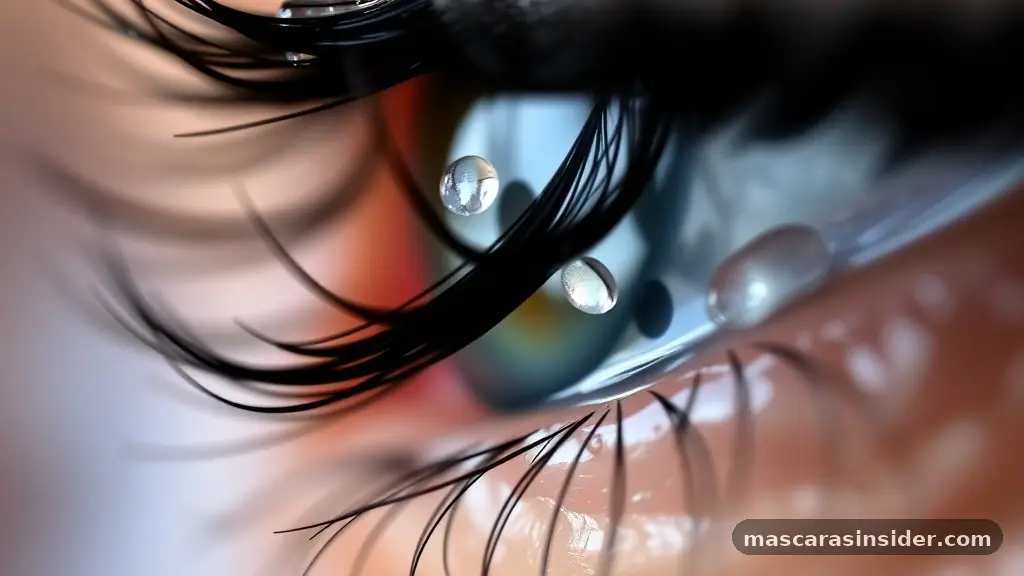
Waterproof mascara relies on hydrophobic ingredients to maintain its hold throughout the day. These products typically contain a blend of volatile siloxanes, waxes like beeswax or carnauba, and synthetic polymers that form a water-resistant film over each lash. Because water and standard water-based cleansers cannot penetrate this film, the product remains stubbornly in place during a splash of water or a light rain shower.
To remove these substances, you must introduce a solvent that can dissolve the wax and polymer matrix. In chemistry, the principle of “like dissolves like” applies here; because the mascara is oil-based or wax-based, an oil-based substance is the most effective tool to break down the bond.
Understanding this chemical interaction is the secret to removing stubborn makeup without causing unnecessary friction or trauma to your eyelids. By applying a substance that softens these waxes, you allow the mascara to slide off the lash rather than scraping it away.
Using Natural Oils as Effective Solvents
Household oils are often the most accessible and effective alternatives for removing stubborn eye makeup. Extra virgin olive oil, coconut oil, or even sweet almond oil can serve as excellent solvents because their fatty acid composition mimics the lipids in the mascara’s binding agents. When you apply a small amount of oil to your closed eyelid, it begins to soften the hardened polymers, effectively turning the mascara back into a semi-liquid state.
To use this method, place a small amount of oil on a clean cotton pad or your fingertips. Gently press the pad against your closed lashes for about thirty seconds. This “soaking” period is critical, as it gives the oil time to penetrate the layers of mascara.
Once the product has softened, you can wipe downward in the direction of your lash growth. Be careful not to pull or tug, as this can lead to premature lash shedding. After the mascara is removed, wash your face with a gentle cleanser to ensure no oily residue remains, which could otherwise clog pores or cause temporary cloudiness in your vision.
The Role of Petroleum Jelly in Makeup Removal
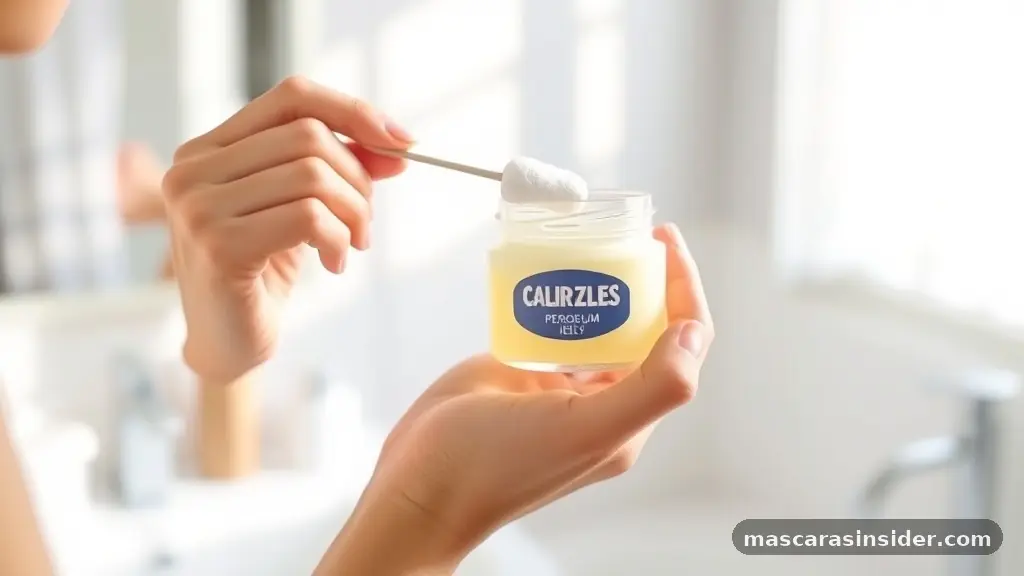
Petroleum jelly is a staple in many households and functions similarly to heavy mineral oils. Because it is occlusive and thick, it creates a barrier that helps trap the natural heat of your skin, which in turn softens the mascara waxes more quickly than lighter oils might. Many people prefer this method because the texture is less likely to drip into the eyes compared to liquid oils, providing more control during the application process.
When using petroleum jelly to remove waterproof mascara, apply a very thin layer to your lash line using a clean spoolie or a cotton swab. Let it sit for a minute or two, allowing the heat from your skin to soften the product.
Because it is highly viscous, you may find that it takes a little extra effort to wash away afterward. A double-cleansing routine is recommended here: first, use a warm, damp washcloth to wipe away the jelly and dissolved makeup, then follow up with your regular face wash to remove any remaining waxy film.
Safety Precautions for Sensitive Eye Skin
The skin around the eyes is the thinnest on the entire body, making it exceptionally prone to irritation, allergic reactions, and fine lines caused by mechanical stress. When you are removing waterproof mascara without makeup remover, you must prioritize gentleness above all else. Avoid using harsh household chemicals, abrasive scrubs, or products that contain fragrances or alcohols, as these can sting the eyes and strip the moisture barrier of the surrounding skin.
If you wear contact lenses, always remove them before attempting to take off your makeup. Oils and petroleum jelly can create a film over lenses that is difficult to clean, and trapped debris can cause significant irritation.
If you notice any redness, swelling, or persistent burning after using a household item to clean your eyes, rinse the area thoroughly with cool water and discontinue the method immediately. If irritation persists, consult the guidance provided by the American Academy of Ophthalmology regarding safe eye care and makeup hygiene.
The Double Cleansing Technique
Regardless of the method you choose, adopting a double-cleansing routine is the most effective way to ensure your skin is completely clean. This method involves two distinct steps: first, using an oil-based substance to dissolve the waterproof mascara, and second, using a water-based cleanser to remove the remaining residue and any leftover oil. This two-part approach ensures that you don’t leave behind a film that could lead to milia or breakouts.
The first step is about breaking down the makeup. As discussed, oils or balms are essential here. The second step is about cleaning the skin.
By using a gentle, foaming or gel cleanser after the oil phase, you effectively lift away the dissolved mascara and the oil used to remove it. This leaves your lashes clean and your skin refreshed. Many people find that this method is actually more effective than using standard commercial makeup removers, which can sometimes be too harsh or contain preservatives that irritate the eyes.
Comparing Common Household Alternatives
Choosing the right household product often depends on what you have in your pantry and your specific skin type. While oils are generally safe, those with extremely acne-prone skin should be cautious when using heavy oils like coconut oil, which can be comedogenic. In those instances, lighter oils like jojoba or fractionated coconut oil may be better suited.
| Alternative | Best For | Texture |
|---|---|---|
| Olive Oil | Dry skin | Liquid |
| Petroleum Jelly | Stubborn mascara | Thick/Occlusive |
| Baby Oil | Quick removal | Light/Mineral-based |
| Jojoba Oil | Sensitive/Acne-prone | Light/Non-comedogenic |
Why Scrubbing is Counterproductive
A common mistake when struggling to remove waterproof mascara is the tendency to scrub the lashes aggressively. This behavior is fundamentally counterproductive.
The mascara is bonded to the hair shaft; pulling on it doesn’t just remove the makeup—it often pulls the lash out by the root or breaks the lash mid-length. Over time, this results in thinner, shorter lashes and potential gaps in your lash line.
Instead of scrubbing, focus on “soaking.” The goal is to allow the solvent to do the heavy lifting for you. When you apply your chosen oil or balm, let it sit on the closed eyelid.
If you feel you need to move the product around, use a gentle circular motion with your fingertip, but never use a back-and-forth sawing motion with a dry cotton pad. By respecting the fragility of the lash hairs, you ensure that they remain thick and healthy, which naturally makes your mascara look better the next time you apply it.
Maintaining Lash Health During Removal
Removing waterproof makeup is only half the battle; the other half is ensuring the health of the lashes themselves. Waterproof formulas can be quite drying, which makes the lashes brittle over time.
If you frequently wear waterproof mascara, it is a good idea to incorporate a lash conditioner or a simple swipe of castor oil into your nightly routine. This helps to rehydrate the hair and prevent the brittleness that can lead to breakage.
Furthermore, ensure that the tools you use to remove makeup are clean. If you are using a washcloth, make sure it is freshly laundered. If you are using cotton pads, ensure they are soft and lint-free.
Many people make the mistake of using rough paper towels or tissues, which can scratch the delicate skin around the eyes and leave behind fibers that cause irritation. Investing in a few reusable microfiber makeup remover cloths can be a game-changer for your eye care routine.
Common Mistakes to Avoid
Many individuals inadvertently cause damage by using the wrong products or techniques. One major mistake is using soap that is not formulated for the face. Hand soaps or body washes often contain high levels of surfactants that are far too stripping for the eye area.
This can cause the skin to become tight, dry, and potentially inflamed. Always reach for a dedicated facial cleanser or a gentle oil.
Another frequent error is failing to wash the eyelids thoroughly after using an oil-based remover. While oil is great for dissolving wax, leaving it on the skin overnight can lead to blocked oil glands in the eyelids.
This can result in small bumps called styes or even chronic inflammation of the eyelid margin, known as blepharitis. Always finish your routine by ensuring the lash line and the lid area feel clean and free of heavy residue.
Addressing Topical Gaps in Makeup Removal
One question that often arises is why some waterproof mascaras seem impossible to remove even with oil. The answer usually lies in the specific type of polymers used in the formula. Some “tubing” mascaras, which are often confused with waterproof ones, do not dissolve in oil at all.
Instead, they require warm water and gentle pressure to slide the “tubes” off the lash. If you find that oil is not working, try using a warm, damp cloth and gently massaging the lashes with warm water; if the mascara comes off in small, tube-like clumps, you are likely dealing with a tubing formula rather than a traditional waterproof one.
Additionally, many people worry about the “cloudy vision” that sometimes occurs when using oil to remove eye makeup. This happens when the oil migrates into the tear film.
While this is generally harmless and temporary, it can be avoided by using a thicker medium like a cleansing balm or petroleum jelly, which is less likely to run than a thin liquid oil. Always keep your eyes firmly closed during the entire removal process to minimize this migration.
Frequently Asked Questions
Will Vaseline damage my eyelashes?
No, petroleum jelly is generally safe for the eye area and can actually help condition lashes. However, it is thick and can cause temporary blurry vision if it gets into your eyes. Use a very small amount and ensure you wash it off thoroughly afterward to prevent clogged pores.
Can I use soap and water to remove waterproof mascara?
Standard soap and water are usually ineffective against waterproof mascara because they cannot dissolve the wax-based polymers. Attempting to scrub it off with soap often leads to significant irritation and damage to the eyelashes, as you will likely need to rub too hard to get the product off.
How do I know if my mascara is a tubing formula?
Tubing mascaras form tiny water-resistant polymers around each lash. You can identify them if they don’t smear when wet but slide off in distinct “tubes” when soaked with warm water. They do not require oil-based removers and are actually removed more easily with warm water than with oils.
Is it safe to use coconut oil around the eyes?
For most people, coconut oil is an effective and safe makeup remover. However, it is highly comedogenic, meaning it can clog pores. If you are prone to milia or acne around your eyes, it is better to choose a non-comedogenic oil like jojoba or a dedicated cleansing balm.
Conclusion
Successfully removing your eye makeup without a specialized product is entirely achievable when you understand the chemistry of the formulas you are using. By utilizing oil-based household staples and allowing them time to dissolve the stubborn waxes and polymers, you can keep your lashes healthy and your skin irritation-free. Remember that the key to a successful routine is patience; letting the oil soak into the lashes prevents the need for harsh scrubbing and protects the delicate eye area.
Consistent, gentle care is the most effective way to maintain the health and appearance of your lashes over the long term. If you find that your current method is causing redness or discomfort, switch to a milder alternative and ensure you are always finishing your routine with a thorough, gentle cleanse.
meta description: Learn how to remove waterproof mascara without makeup remover using simple household items, gentle techniques, and effective double-cleansing tips.