

If you have ever wondered what does mascara primer do to your daily beauty routine, you are certainly not alone in seeking that extra edge for your eye makeup. Many people find themselves frustrated by lashes that fall flat, clump together, or simply refuse to hold a curl throughout the day.
A dedicated lash primer acts as a foundational base, smoothing the hair cuticle and creating a uniform surface for your pigmented mascara to grip. By understanding how this specific product functions, you can significantly improve the longevity, volume, and overall impact of your eye look without needing professional extensions or expensive treatments.
The Fundamental Purpose of Lash Primers
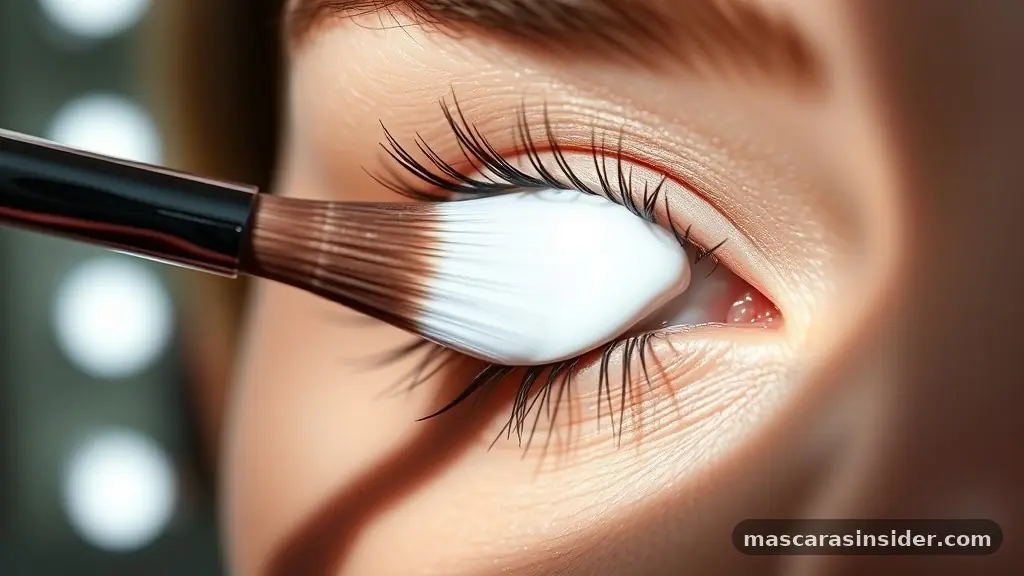
At its core, a lash primer is designed to prepare your eyelashes for the application of color. Think of it like a wall primer before you apply paint; it creates an even, adhesive surface that allows the final coat to perform at its best. When you apply a primer, you are essentially coating each individual hair with a specialized formula that adds immediate thickness and structure.
Most formulas are designed to be lightweight, ensuring they don’t weigh down your natural lashes. This is crucial because if a base coat is too heavy, your lashes will droop almost immediately after you curl them. By providing a structural scaffold, these products ensure that your mascara doesn’t just sit on top of the lash, but rather wraps around it, creating a more dramatic, fanned-out effect that stays put for hours.
Enhancing Volume and Length
One of the primary reasons beauty enthusiasts reach for a primer is the promise of significant volume and length. When you apply the product, the fibers or conditioning agents within the formula cling to the lashes, effectively extending their reach. This creates a thicker base before you even touch your main tube of mascara.
For those struggling with thin or sparse hairs, the difference is often night and day. The primer fills in the gaps, making your lash line appear denser and more robust.
When you follow up with a lengthening or volumizing mascara, the pigments have more surface area to grab onto. This synergy allows you to achieve a dramatic look that would otherwise require multiple messy layers of heavy, clumping mascara.
Preventing Smudging and Flaking
If you often find yourself checking the mirror only to see dark circles under your eyes, you are likely dealing with smudging. This usually happens when the natural oils on your eyelids break down the mascara formula over time. A quality lash primer acts as a barrier, sealing the lash and preventing the oils from reaching the mascara pigments.
Many primers also contain film-forming polymers that help lock the mascara in place. This makes your look much more resistant to humidity, sweat, and the occasional watery eye.
By creating a protective layer, the primer ensures that your makeup remains as sharp at the end of the day as it was when you first applied it. This is especially helpful for those using non-waterproof mascaras who still want the longevity benefits of a more durable product.
The Role of Conditioning Ingredients
Beyond the aesthetic benefits, many modern lash primers are infused with nourishing ingredients designed to keep your lashes healthy. Since we subject our eyelashes to daily curling, tugging, and heavy product removal, they can become brittle and prone to breakage. A high-quality primer often serves as a conditioning treatment during the day.
You will frequently find additives like panthenol, castor oil, or various plant-based waxes in these formulas. These components work to hydrate the hair, keeping it flexible and soft rather than stiff and dry. When your lashes are healthy and supple, they are less likely to break during your makeup removal process, which in turn helps you maintain a fuller, more natural lash line over the long term.
Choosing Between Tinted and White Formulas
When shopping for a primer, you will quickly notice that there are two main varieties: white and tinted. White primers are the most common; they make it easy to see exactly where you have applied the product, ensuring you get full coverage from root to tip. However, you must be diligent about covering the white completely with your black mascara, or you might end up with a greyish, dusty look.
Tinted formulas, often in shades like soft black or deep brown, are designed to blend more easily. They are excellent for those who want a more subtle look or for people who don’t want to worry about missed spots. While a white primer might provide a slightly more intense contrast that makes your black mascara pop, a tinted version is often more forgiving and faster to apply during a busy morning routine.
Mastering the Application Technique
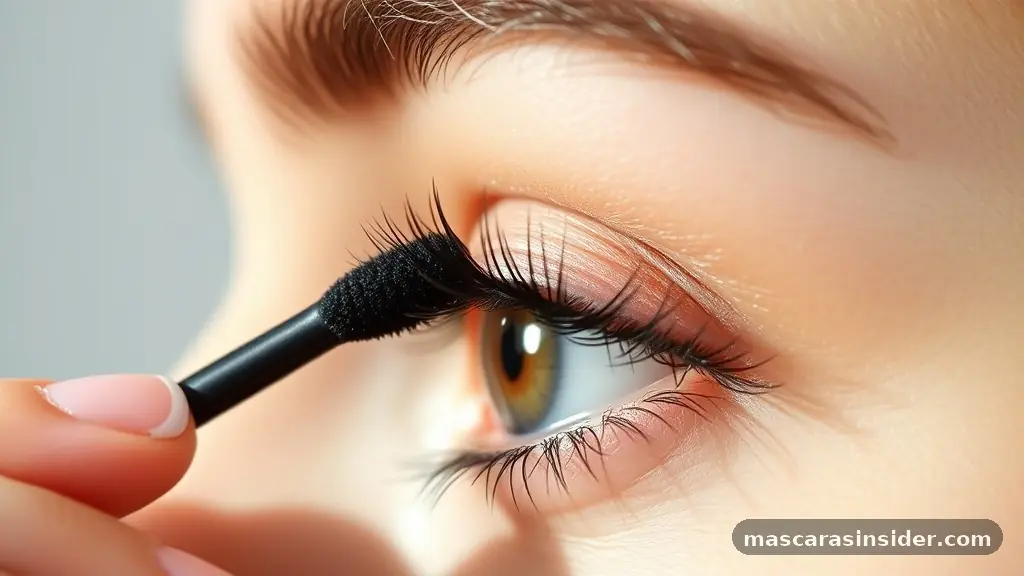
Applying primer is a simple step, but technique matters if you want to avoid clumpy results. Start at the very base of your lashes, wiggling the brush back and forth to ensure you coat the roots thoroughly. This wiggling motion creates the foundation for the volume you are looking to achieve.
Once the roots are covered, pull the brush through to the tips in one smooth, sweeping motion. It is vital to let the primer dry completely before you apply your main mascara.
If you apply the next coat while the primer is still wet, the two formulas will mix and cause clumping. A good rule of thumb is to wait about 30 seconds, or until the primer feels tacky but not wet to the touch.
Compatibility with Different Mascara Types
Not every primer works perfectly with every mascara, which is why it helps to think in terms of pairings. If you are using a very dry, thickening mascara, you might want a primer with more slip to help the brush glide through. Conversely, if you are using a very wet, lengthening mascara, a primer with more wax content can help provide the structural support needed to keep the lashes upright.
It is helpful to look for testers or travel-sized versions if you are unsure how your current mascara will react to a new primer. Generally, products from the same brand are designed to work together, but there is no rule against mixing and matching. You can find more information on safe beauty practices through the official FDA guidance on eye makeup safety to ensure you are using products that are gentle on your delicate eye area.
Comparing Popular Primer Features
To help you decide what works best for your specific needs, it is helpful to look at how different features stack up. Some formulas focus strictly on volume, while others prioritize conditioning or extreme hold.
| Feature | Benefit | Best For |
|---|---|---|
| Fiber-Infused | Adds length and density | Thin, short lashes |
| Conditioning | Prevents breakage | Brittle or dry lashes |
| Water-Resistant | Locks in curl | Active lifestyles |
| Tinted Base | Seamless blending | Quick makeup routines |
Common Mistakes to Avoid
Even with the best products, it is easy to fall into traps that ruin your eye look. One of the most frequent errors is applying too much product.
Because a primer is meant to be a base, you only need a thin layer. Using a heavy hand will cause your lashes to stick together, making it nearly impossible to get a clean, fanned-out finish with your mascara.
Another mistake is failing to clean your mascara wand or the primer brush regularly. Old product buildup on the brush can lead to clumping and uneven application.
If you find your lashes looking spidery, take a moment to wipe your brushes clean with a bit of makeup remover or simply run them under warm water and let them dry periodically. This simple maintenance keeps your tools in top shape.
Integrating Primer into Your Routine
If you are wondering where to place this step in your makeup flow, it should always go after your eyeshadow but before your mascara. If you apply eyeshadow after your mascara and primer, you run the risk of fallout landing on your freshly coated lashes, which can make them look dull or dusty.
By keeping the primer as the final step before the mascara, you ensure that the pigments remain vibrant and the lashes stay defined. If you use a lash curler, always curl your lashes before applying the primer. Applying a curler to lashes that are already coated in a drying primer can cause them to stick to the metal, leading to painful tugging or even breakage.
Addressing Frequently Asked Questions
Do you really need to use a lash primer every day?
You certainly don’t have to use one daily, but it is highly beneficial if you struggle with lashes that lose their curl or smudge easily. For a natural, “no-makeup” look, you can even wear a tinted primer on its own to define your lashes without the intensity of black mascara.
How do you effectively remove mascara primer?
Because primers are designed to be long-wearing and often contain waxes, they can be slightly harder to remove than standard mascara. Use an oil-based makeup remover or a dedicated cleansing balm to break down the formula. Gently massage the product into your lashes and let it sit for a few seconds before wiping away.
Does mascara primer expire quickly?
Like all eye makeup, primers have a shelf life, usually around three to six months after opening. Because the brush goes back and forth into the tube, it can collect bacteria over time. If you notice a change in smell, texture, or if it starts causing irritation, it is time to replace it.
Can you use a primer with waterproof mascara?
Yes, you absolutely can. Using a primer under waterproof mascara can actually make the removal process easier, as the primer creates a barrier between the tough waterproof formula and your natural lashes. This reduces the amount of harsh scrubbing required to get your makeup off at the end of the day.
Conclusion
Understanding what does mascara primer do for your look is the first step toward achieving the long, voluminous lashes you have always wanted. By acting as a structural base, a conditioning treatment, and a protective barrier, these products offer a significant upgrade to any standard makeup bag. Whether you are aiming for a dramatic, high-impact style or simply want your everyday mascara to stay fresh until the evening, a good primer provides the consistency and performance you need.
Experimenting with different formulas and application techniques will help you find the perfect match for your lashes. As you refine your routine, you will likely find that this small, extra step becomes an essential part of your beauty ritual, leaving your lashes looking healthier and more sensational than ever before.