
Many beauty enthusiasts worry about whether daily makeup routines are harming their natural features, and often, the question of whether does mascara damage your eyelashes lingers in the back of their minds. While mascara is a staple in most cosmetic bags, the physical act of applying and removing it can impact the health of your delicate follicles.
Eyelashes are essentially hair, and just like the hair on your head, they require specific care to prevent thinning and breakage. Understanding the mechanics of how these products interact with your eye area is the first step toward maintaining long, healthy lashes while still enjoying your favorite beauty looks.
The Mechanics of Eyelash Health and Makeup
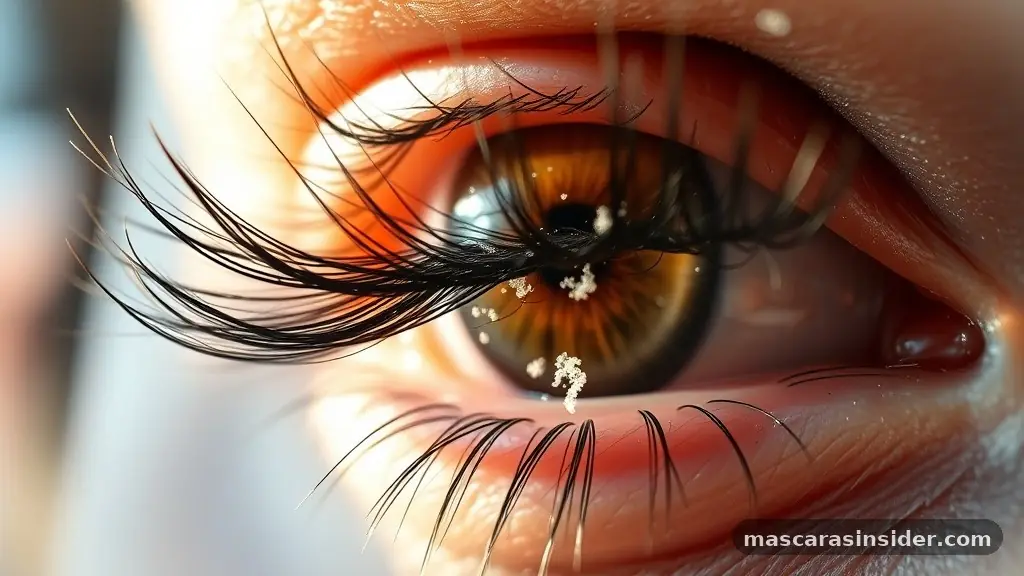
Eyelashes serve a vital biological function, protecting your eyes from dust, debris, and sweat. Because they are so close to the eye, the skin and follicles in this area are incredibly sensitive. When you apply makeup, you are adding weight and texture to these fine hairs.
If the product is applied correctly and removed gently, the impact is minimal. However, improper use can lead to mechanical stress.
The primary way damage occurs is through friction. When you apply mascara, you are coating the lash in a polymer-based formula that dries and stiffens.
If this formula is too heavy or if you are aggressive during the removal process, you can easily cause the lashes to snap. Think of your lashes like fine silk threads; they can handle a light coating of color, but they cannot withstand repeated, forceful tugging or scrubbing.
Why Waterproof Formulas Require Extra Care
Waterproof mascaras are notorious for their stubborn hold. These products are designed to withstand moisture, humidity, and tears, which means they contain stronger resins and waxes.
While this is great for longevity, it poses a significant challenge during your evening skin care routine. If you find yourself scrubbing your eyes to get every last bit of product off, you are likely causing significant damage.
The chemicals used in waterproof formulas often bind tightly to the lash shaft. To remove them, you need a high-quality oil-based cleanser or a dedicated makeup remover that dissolves the wax. Without the right solvent, the mascara remains stuck to the lashes, leading to a stiff, brittle texture that makes the lashes prone to snapping when you move, sleep, or rub your eyes.
The Role of Gentle Removal Techniques
If you want to know if does mascara damage your eyelashes, look no further than your nightly cleansing ritual. Many people treat their eye area like the rest of their face, using harsh foaming cleansers that require aggressive rubbing.
This is the number one cause of lash loss. Instead, you should focus on a “soak and slide” method.
To protect your lashes, saturate a cotton pad with a gentle, oil-based remover. Hold the pad against your closed eyelid for thirty seconds. This allows the product to break down the mascara’s bond without requiring any friction.
Once the makeup has softened, gently wipe downward following the natural curve of the lash. This simple change in technique can prevent the premature shedding that many people mistake for natural loss.
Common Ingredients That Affect Lash Integrity
Not all mascaras are created equal. Some formulations are packed with nourishing ingredients like panthenol, castor oil, or peptides, which can help support the health of your lashes. Conversely, some cheaper or older formulas may contain drying agents or high concentrations of alcohol that strip the hair of its natural moisture.
When shopping for products, consider looking for those that claim to be “conditioning” or “enriched.” These formulas keep the lashes flexible, which is key to preventing breakage.
If a mascara makes your lashes feel like stiff, dry wire, it is a sign that the product is likely causing stress to the follicle. Always check the ingredient list for potential irritants if you have sensitive skin or a history of allergic reactions to cosmetics.
The Link Between Mechanical Stress and Lash Loss
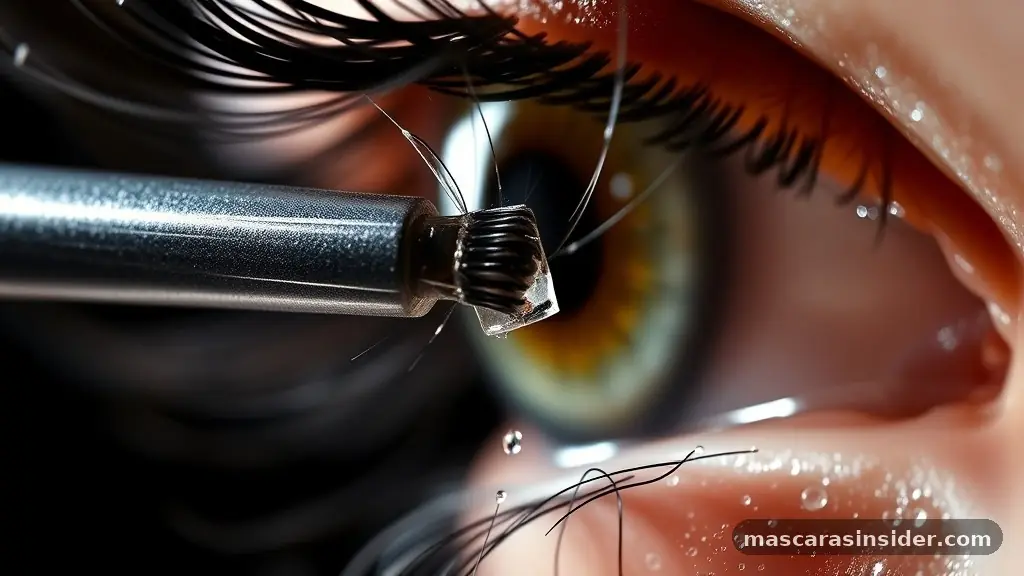
Breakage is different from shedding. Natural lash shedding occurs as part of the hair growth cycle, where a lash reaches the end of its life and falls out to make room for a new one.
Mechanical damage, however, is when the lash breaks mid-shaft due to external pressure. When you use an eyelash curler after applying mascara, you are inviting disaster.
Curling your lashes after the mascara has dried is a recipe for breakage. The curler clamps down on the stiffened, coated hair, often snapping it right at the base or the middle.
Always curl your bare lashes first, then apply your makeup. This creates a safe foundation and ensures that your lashes remain flexible and protected throughout the day.
Evaluating the Impact of Daily Wear
Is it bad to wear makeup every single day? The answer depends on your hygiene habits. If you are diligent about removing every trace of product before bed, your lashes will likely remain healthy.
If you are prone to sleeping in your makeup, you are causing significant harm. Mascara left on overnight turns into a hard, crusty layer that acts like sandpaper against your pillowcase.
This friction while you sleep can lead to significant lash loss over time. Furthermore, leaving product on the lash line can clog the oil glands around the eyes, potentially leading to styes or inflammation. Giving your eyes a “makeup-free” day once or twice a week can also provide a much-needed break, allowing the follicles to rest and recover from the weight of daily products.
How to Identify Signs of Lash Damage
It is important to recognize the signs of damage before it becomes severe. If you notice that your lashes look thinner, shorter, or are falling out in clumps, you need to reassess your routine immediately. Other indicators include redness along the eyelid margin, persistent itching, or a feeling of heaviness when you blink.
If you suspect your current mascara is the culprit, try switching to a tubing mascara. These formulas wrap each lash in a water-soluble polymer that slides off easily with warm water and a gentle touch. They are widely considered the gold standard for lash safety because they eliminate the need for harsh scrubbing or oily removers that might irritate the eyes.
Comparing Different Types of Mascara Formulations
Not all products impact your lashes in the same way. The table below outlines how different types of makeup interact with the natural structure of your lashes.
| Mascara Type | Ease of Removal | Risk of Breakage | Best Practice |
|---|---|---|---|
| Waterproof | Low | High | Use oil-based cleansers only |
| Volumizing | Medium | Moderate | Soak before wiping |
| Tubing | High | Low | Use warm water soak |
| Natural/Organic | High | Low | Check for allergens |
Addressing Topical Gaps: The Truth About Lash Growth Serums
Many people wonder if they can counteract mascara damage with growth serums. While some serums can help, they are not a substitute for proper care.
Most effective lash serums contain prostaglandin analogs or peptides that encourage the hair to stay in the growth phase longer. However, these products can sometimes cause side effects like skin darkening or eye irritation.
If you are dealing with significant breakage, focus on internal health first. Ensure you are getting enough protein and biotin in your diet, as these are the building blocks of hair.
You can also explore official eye health guidelines to ensure your makeup habits align with professional safety standards. Remember that no serum can fix lashes that are being physically broken by an aggressive curler or a harsh removal process.
Practical Tips for Long-Term Lash Care
- Replace your mascara every three months to prevent bacterial buildup.
- Avoid pumping the wand inside the tube, as this introduces air and dries out the formula.
- Use a clean spoolie brush to detangle your lashes before applying makeup.
- Always remove eye makeup before washing your face to avoid smearing it into the lash line.
- Consider using a lash conditioner at night to keep the hair hydrated and flexible.
- Never share your eye makeup products with others to avoid cross-contamination.
Frequently Asked Questions
Are eyelashes healthier without mascara?
Eyelashes are generally in their best condition when they are clean and free of heavy, drying formulas. While wearing high-quality mascara is typically safe, the natural state of the lash is always healthier because it is free from the mechanical stress of application and removal.
Is it bad for your eyelashes to wear mascara every day?
Wearing mascara every day is not inherently bad, provided you are meticulous about your nightly cleaning routine. The damage usually comes from improper removal or using waterproof formulas that are difficult to wash away without significant friction or pulling on the lash line.
Will my lashes grow back if they are damaged?
Yes, eyelashes follow a natural growth cycle and will grow back if the follicle remains healthy. If you have caused damage through breakage, the existing lashes will eventually shed and be replaced by new growth, provided you stop the harmful habits that caused the breakage in the first place.
What is the best type of mascara to prevent damage?
Tubing mascaras are widely considered the safest option for your lashes. Instead of clinging to the hair with waxes or resins, they form tiny tubes around each lash that slide off easily with warm water, eliminating the need for aggressive scrubbing or harsh chemical removers.
Conclusion
Maintaining the health of your lashes is entirely possible while still enjoying the benefits of your favorite makeup. The core of the issue regarding does mascara damage your eyelashes usually comes down to your removal habits rather than the product itself. By choosing gentler formulas, investing in high-quality oil-based cleansers, and avoiding harsh mechanical tools like curlers on coated lashes, you can prevent breakage and keep your natural lashes looking full and vibrant.
Focus on being gentle with your eye area, prioritize clean products, and always listen to what your lashes are telling you. If you notice irritation or thinning, take a break and let your eyes recover. With a consistent, mindful approach, you can keep your lashes long and healthy for years to come.
Meta Description: Does mascara damage your eyelashes? Learn the truth about lash breakage, safe removal techniques, and how to maintain healthy lashes while wearing makeup.