
If you have spent any time scrolling through social media, you have likely encountered the persistent urban legend claiming that bat poop is a secret component in your favorite eye makeup. It is the kind of bizarre, sensational claim that spreads like wildfire online because it sounds just gross enough to be true.
Many people wonder if there is actually bat poop in mascara, leading to a great deal of unnecessary concern about the safety of their beauty routine. Understanding where these rumors originate and what is actually inside your makeup bag will help clear up the confusion once and for all.
The Origin of the Bat Poop Myth
The rumor that mascara contains bat droppings, scientifically known as guano, is a classic example of a internet-driven myth that relies on confusion over terminology. At the heart of this misunderstanding is the chemical compound known as guanine. In the world of biology, guanine is one of the four main nucleobases found in DNA and RNA.
However, in the cosmetics industry, guanine is a crystalline substance used as a pearlescent pigment to provide shimmer and shine to various products. Because the words “guanine” and “guano” sound phonetically similar, people have conflated the two over the years.
This linguistic confusion is the primary driver behind the viral claims you see on platforms like TikTok and Reddit. When consumers hear that their makeup contains guanine, they search for the definition, see the connection to guano, and assume the worst. In reality, the cosmetic ingredient is not derived from animal waste.
It is a synthetic or naturally sourced crystalline material that has nothing to do with bats. The persistence of this myth highlights how easily technical-sounding ingredient lists can be misinterpreted by the public, especially when they encounter terms that resemble words associated with biological waste.
What Actually Is Guanine in Cosmetics?
To understand why this confusion exists, we must look at what guanine actually does for your lashes. Guanine is a crystalline material that creates a pearlescent effect, often referred to as “pearl essence.” It reflects light, which is why it is highly valued in products that require a subtle, luminous finish.
While it is true that guanine was historically derived from the scales of fish, modern manufacturing has shifted significantly. Most companies now use synthetic versions to achieve the same visual effect without relying on animal byproducts.
The transition toward synthetic ingredients has been a major trend in the beauty industry. Brands are increasingly moving away from animal-derived components to satisfy the growing demand for ethical and vegan-friendly options.
Even when guanine is sourced from fish scales, it is a byproduct of the commercial fishing industry rather than a result of harvesting animal waste. By understanding the distinction between the chemical compound guanine and the biological material guano, you can see that the notion of bat feces being an intentional additive is entirely unfounded.
Debunking the Connection to Animal Waste
It is important to clarify that no reputable cosmetics manufacturer uses bat guano in their formulations. Bat guano is rich in nitrogen and phosphorus, making it an excellent fertilizer for gardens, but it possesses none of the chemical properties required for makeup stabilization, pigmentation, or application.
Adding waste material to a cosmetic product would be counterproductive and dangerous. Mascaras are formulated in sterile laboratory environments where every single ingredient is chosen for its safety, stability, and performance.
The FDA and other international regulatory bodies maintain strict guidelines regarding the types of substances that can be included in personal care items. These agencies require that all ingredients must be proven safe for use around the sensitive area of the eyes.
If a brand were to include biological waste in their product, they would face immediate recalls, massive lawsuits, and the permanent loss of their reputation. The idea that a company would risk its entire business model to add an ineffective, unsanitary, and expensive-to-process material like bat poop is logically inconsistent with how the modern beauty industry operates.
Common Ingredients Actually Found in Mascara
When you look at the back of a tube of mascara, you will see a long list of chemical names that might look intimidating. However, these are standard components designed to keep the formula smooth, pigmented, and long-lasting.
Understanding these components helps demystify the product and puts the “bat poop” rumor into perspective. Most high-quality mascaras are composed of a blend of waxes, oils, pigments, and film-forming polymers.
- Waxes: These provide the structure that allows the mascara to coat your lashes and hold a curl. Common types include beeswax, carnauba wax, and candelilla wax.
- Pigments: Iron oxides are the most common source of color, providing that deep black or brown hue. Carbon black is also frequently used to achieve an intense, dark finish.
- Oils: Mineral oils, castor oil, or plant-based oils help keep the formula creamy and prevent it from drying out inside the tube.
- Polymers: These help the mascara adhere to the lashes, preventing smudging and flaking throughout the day.
- Preservatives: Essential for preventing bacterial growth, ensuring the product remains safe for use for several months after opening.
The Role of Carbon Black and Other Pigments
Carbon black is an ingredient that often appears on labels, and because of its name, some people worry it is something harmful. In reality, carbon black is a finely divided form of carbon that is used as a pigment to create a rich, deep black color.
It is a staple in many cosmetics, including eyeliners and mascaras, and it is highly effective at providing the contrast needed to make your eyes pop. It has absolutely no relation to animal excrement, despite the occasional conspiracy theory that suggests otherwise.
The use of pigments in the beauty industry is heavily regulated. Manufacturers must ensure that the carbon black used is of high purity to avoid any contamination with polycyclic aromatic hydrocarbons.
By sticking to established, high-quality brands, you ensure that the pigments used on your eyes are refined and safe. The industry has spent decades perfecting these formulas to ensure that they are not just effective at lengthening your lashes but are also completely inert and non-irritating to the delicate skin around your eyes.
Why Fish Scales Were Historically Used
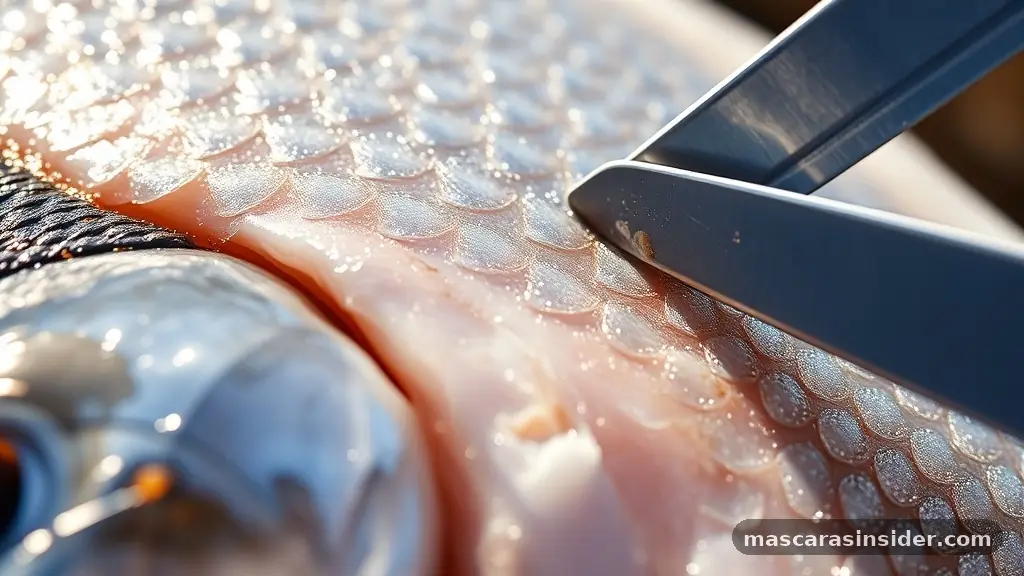
While the bat poop rumor is false, there is a grain of truth regarding the use of animal products in the past. Historically, the pearlescent “guanine” used in cosmetics was indeed sourced from the scales of herring and other fish.
This process involved scraping the scales and processing them to extract the crystalline material that provides that signature shimmer. This practice was common in the mid-20th century, but it has largely fallen out of favor due to the high cost and the rise of more ethical alternatives.
Today, most companies have shifted to synthetic alternatives. These synthetic versions of guanine are created in a lab, providing a more consistent product that is also cruelty-free. If you are concerned about animal products, you should look for the “vegan” label on your beauty products.
This designation confirms that the item does not contain any ingredients derived from animals, including fish scales. For a deeper look at how cosmetic regulations ensure our safety, you can visit the official FDA page on cosmetics to learn about ingredient labeling and safety standards.
Comparing Traditional and Modern Formulation Trends
The evolution of mascara formulation is a fascinating study in modern chemistry. Early versions of makeup were often made with simple mixtures of coal dust and petroleum jelly, which were messy and difficult to apply.
As the industry matured, researchers began developing more complex formulas that could withstand heat, humidity, and movement. This progress led to the development of waterproof mascaras, lengthening formulas, and volumizing options that we see on shelves today.
The table below highlights the differences between common myths and the reality of how these ingredients are managed in the modern laboratory setting.
| Ingredient/Myth | Common Misconception | Scientific Reality |
|---|---|---|
| Guanine | Thought to be bat guano | Crystalline pigment for shimmer |
| Carbon Black | Thought to be toxic soot | High-purity black pigment |
| Animal Byproducts | Used for bulk or texture | Rarely used; mostly replaced by synthetics |
| Preservatives | Dangerous chemicals | Essential to prevent eye infections |
Addressing Topical Gaps: Why Misinformation Spreads
One of the reasons the bat poop myth persists is the lack of transparency in how cosmetics are labeled. Ingredient lists use the INCI (International Nomenclature of Cosmetic Ingredients) system, which relies on scientific names. To the average consumer, names like “CI 77266” or “Guanine” do not provide immediate clarity.
When people see these complex names, they turn to the internet for answers. Unfortunately, search results are often dominated by sensationalist blogs that prioritize clicks over scientific accuracy.
This information gap allows myths to thrive. When a reader searches for “is bat poop in mascara,” they are often met with “shocking” revelations that are actually just misunderstandings of chemistry. By providing clear, science-backed explanations, we can bridge this gap.
The beauty industry has a responsibility to educate consumers, but it is also up to the reader to be skeptical of claims that sound too sensational to be true. If a claim sounds like it was designed to make you panic, it is almost certainly a marketing tactic or a misunderstanding of scientific jargon.
How to Read Your Mascara Ingredient List
If you want to be absolutely sure about what is in your makeup, you should learn the basics of reading an ingredient list. Start by looking for the most common fillers, such as water, waxes, and polymers.
If you see “guanine” listed, you now know that it is simply a pigment used for luster, not a biological byproduct of a bat. If you see “CI” followed by a number, that is a Color Index number, which identifies the specific pigment used in the product.
You can also use online databases that allow you to search for specific ingredients to see their safety profiles and origins. These resources are invaluable for anyone with sensitive skin or specific ethical concerns.
By taking the time to understand the components of your makeup, you remove the power of fear-based marketing and urban legends. You will find that the vast majority of ingredients in your mascara are common, well-studied chemicals that have been used safely for decades.
The Importance of Product Safety and Hygiene
While you do not need to worry about bat poop, you should be concerned about the hygiene of your mascara. Mascaras are a common source of eye infections if they are not used correctly.
The dark, moist environment inside the tube is the perfect breeding ground for bacteria if the wand is contaminated. This is why it is recommended to replace your mascara every three months, regardless of whether you have finished the product or not.
Never share your mascara with others, as this is the fastest way to transmit bacteria from one person to another. If you notice a change in the smell or consistency of your mascara, throw it away immediately.
These practical steps are far more important to your eye health than worrying about mythical ingredients. By focusing on proper usage and hygiene, you protect your vision far more effectively than you would by trying to avoid non-existent components like bat excrement.
Frequently Asked Questions
Is it true that mascara ingredients are dangerous?
No, mascara ingredients are not inherently dangerous. They are strictly regulated by health authorities to ensure they are safe for use around the eyes. While some individuals may experience allergic reactions to specific components, the chemicals themselves are tested for safety and stability before they ever reach the retail shelf.
What should I do if I think my makeup contains harmful substances?
If you are concerned about the safety of a specific product, you should check the brand’s official website for their full ingredient list. You can also consult the FDA’s database or third-party safety rating sites to see if the product has been flagged for any concerns. Stop using the product if you have a reaction.
Are there truly vegan mascaras available?
Yes, there are many excellent vegan mascaras on the market today. These products are formulated without any animal-derived ingredients, including beeswax or fish-derived guanine. You can easily find these by looking for a “vegan” or “cruelty-free” certification on the packaging or by checking the brand’s ingredient list for plant-based waxes.
Why does the myth about bat poop keep spreading?
The myth persists because of the phonetic similarity between “guanine” and “guano.” Because people rarely study chemical nomenclature, they assume the worst when they see complex, unfamiliar names on the back of their makeup tubes. Viral social media posts further amplify this confusion by prioritizing shock value over factual accuracy.
Conclusion
The persistent rumor that there is bat poop in mascara is entirely false and stems from a simple confusion between the chemical compound guanine and the biological term guano. You can rest assured that your favorite eye makeup does not contain animal waste. Modern cosmetic formulations are complex, strictly regulated, and designed with safety as the top priority.
Instead of worrying about urban legends, focus your attention on practicing good hygiene, such as replacing your mascara every three months and avoiding sharing your products. By staying informed and relying on credible information, you can continue to enjoy your beauty routine with complete peace of mind. If you found this information helpful, feel free to share it with friends who might also be curious about what is really inside their makeup bag.