
Mastering the art of applying lash makeup requires more than just swiping a wand across your eyes. Whether you are aiming for a wide-awake look or a dramatic, evening-ready aesthetic, knowing how to do mascara effectively changes your entire face. It is the final touch that defines your gaze, adds depth, and frames your eyes with precision.
By focusing on technique, tool selection, and product consistency, you can achieve professional results that last all day without smudging. This guide breaks down the essential steps to help you elevate your beauty routine and achieve a flawless, lash-lift effect every single time.
Understanding Your Lash Type and Product Selection
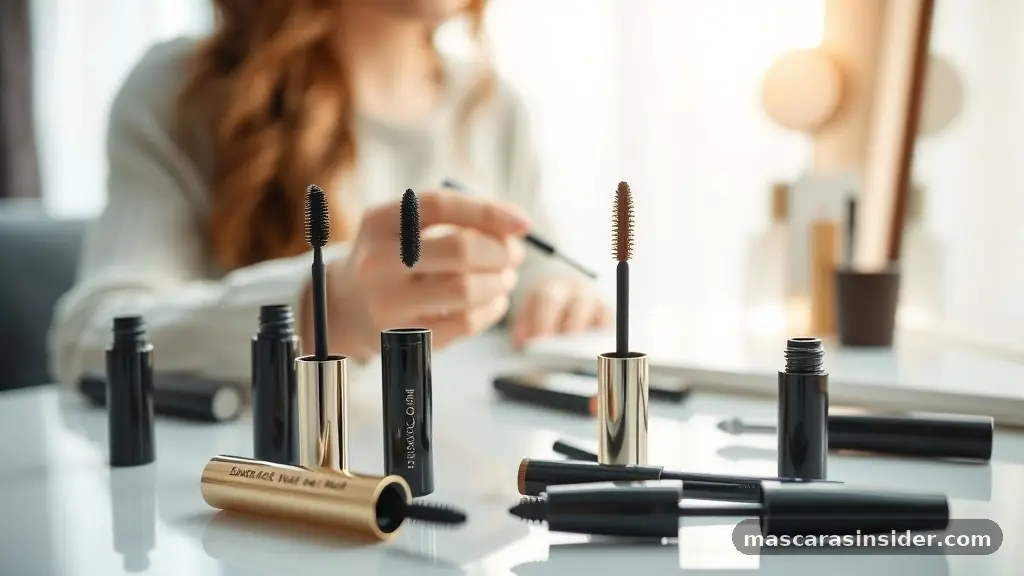
Before you even open the tube, you must identify what your lashes actually need. Not all formulas are created equal, and using the wrong one can lead to droopy, heavy-looking lashes.
If your natural lashes are straight and stubborn, a waterproof formula is often the best choice because it holds a curl much better than a standard, water-soluble variety. On the other hand, if you prioritize volume, look for a thicker, pigmented formula that contains waxes and polymers designed to build bulk.
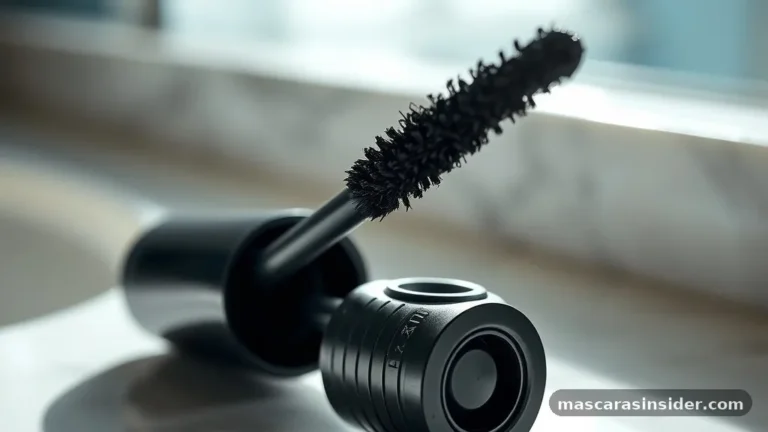
Understanding the wand shape is equally critical to your success. A curved wand is generally designed to follow the natural contour of your eye, making it easier to reach the inner corner lashes.
A thick, bristled brush is typically intended for volumizing, while a thin, rubberized wand is superior for separation and reaching the roots. If you are prone to smudging, consider maintaining good lash health by choosing tubing mascara, which wraps individual lashes in tiny polymer tubes that won’t flake or bleed throughout the day.
Preparing Your Lashes for Maximum Impact
The secret to a clump-free application starts before the product touches your eyes. Always ensure your lashes are free of residual oils, moisturizer, or leftover makeup from the day before.
If your lashes are oily, the product will inevitably slide off or smudge onto your eyelids. You can gently swipe a clean spoolie brush through your lashes to ensure they are separated and free of dust or debris.
Many makeup artists swear by a lash primer to boost the longevity of the look. A good primer coats the lashes, creating a smooth surface that helps the mascara adhere better. It can also provide a bit of extra length and thickness, making the final application significantly more impactful.
If you have very straight lashes, using an eyelash curler is non-negotiable. Always curl your lashes before applying any product; curling after the formula has dried is a recipe for breakage and lash damage.
Mastering the Zigzag Technique
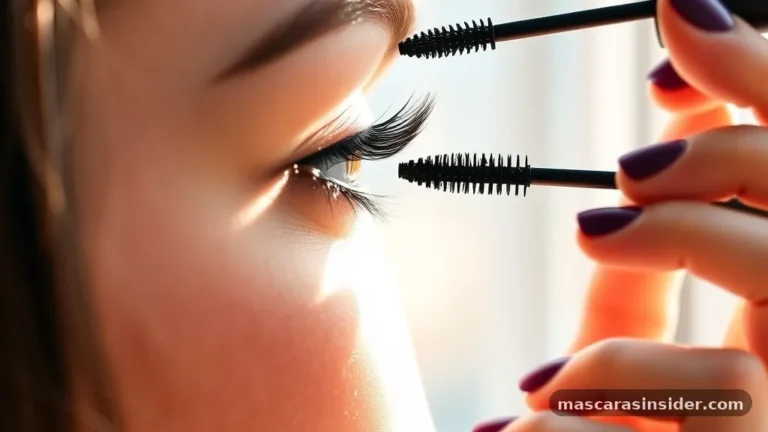
The zigzag technique is the gold standard for achieving a full, fluttery look without the dreaded spidery effect. To do this, place the wand at the very base of your lashes—the eyelash root—and wiggle it back and forth as you pull the wand upward. This motion deposits more product at the base, which creates the illusion of thicker, tighter-lined eyes, while preventing the ends from becoming overloaded and heavy.
When you pull the wand through to the tips, do so in a slow, controlled motion. Moving too quickly often causes the product to flick onto your skin. If you find that your lashes are sticking together, use a clean lash comb immediately while the product is still wet.
This simple step ensures that each lash is coated individually, providing that coveted lash-lift effect. If you wait too long, the drying time of the formula will make it impossible to comb through without creating flakes.
Applying Mascara to the Bottom Lash Line
The bottom lash line is often neglected, but it provides essential balance to your eye makeup. However, applying product here requires a lighter touch to avoid creating dark shadows or raccoon eyes.
Instead of using the full length of the wand, hold it vertically so that only the tip touches the lashes. This gives you much more control and prevents you from accidentally painting your under-eye skin.
If you have very long bottom lashes, you might prefer a smaller, specialized wand designed for lower-lash application. If you don’t have one, simply wipe most of the excess product off your standard wand onto a tissue before touching your lower lashes.
Focus on the center lashes first, as this opens the eye, and leave the outer edges slightly lighter for a more natural, youthful appearance. If you are prone to smudging, consider using a waterproof formula strictly on the lower lashes to ensure it stays put.
Managing Clumping and Lash Separation
Clumping is the most common frustration when learning how to do mascara. It usually happens when you try to apply too many layers or when the product in the tube has become old and thick.
To avoid this, never pump the wand in and out of the tube, as this pushes air inside and dries the formula out faster. Instead, swirl the wand gently against the sides of the tube to pick up the right amount of product.
If you notice clumps forming, act fast. A metal lash comb is the most effective tool for removing excess product and separating lashes that have stuck together. Unlike plastic combs, metal teeth are thin enough to get between even the finest lashes.
Remember the rule of thumb: it is better to build your look with two thin, even coats than one thick, heavy layer. If you are going for an extra-dramatic look, allow the first coat to dry for about 30 seconds before adding a second.
The Importance of Makeup Application Order
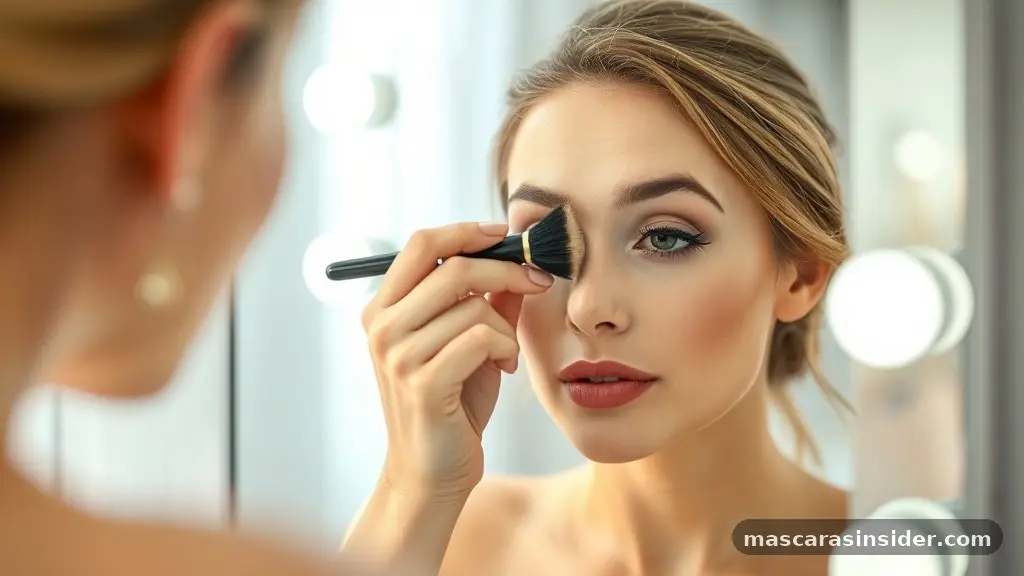
The order in which you apply your makeup matters significantly for the final finish. Generally, you should apply your mascara after you have finished your eyeshadow and eyeliner but before you apply any loose setting powder.
If you apply powder after your mascara, the fine dust particles can settle on your wet lashes, turning them grey or dull. If you notice this happening, a quick swipe of a clean, damp spoolie brush can remove the powder residue.
Another common question is whether to apply mascara before or after foundation. Applying it after your base is usually better because it prevents eyeshadow fallout from sticking to your lashes.
If you are doing a complex eye look, you might want to wait until your eyeliner is fully set to avoid smearing it with the mascara wand. This logical sequence ensures that each step of your routine remains pristine and professional.
Tailored Techniques for Different Eye Shapes
Not every eye shape benefits from the same application style. For those with hooded eyes, the goal is to draw the eye upward to create more lid space.
Focus the product heavily on the center of the lashes and use a curling motion to lift them toward the brow bone. Avoid putting too much product on the outer corners, as this can make hooded eyes look slightly heavy or droopy.
People with almond-shaped eyes have more freedom to experiment. You can apply more product to the outer corner lashes to create a cat-eye effect, which elongates the appearance of the eye.
If you have deep-set eyes, avoid very long, heavy lashes that might touch your brow bone and smudge. Instead, opt for a formula that emphasizes separation and curl, which keeps the lashes away from the skin.
Mascara Layering and Fiber Mascara
If you want extreme length and drama, you might consider mascara layering or using fiber mascara. Layering involves using two different products—perhaps a lengthening formula first, followed by a volumizing one.
This combination allows you to customize the effect based on your specific needs. Ensure the first coat is tacky but not fully dry before you apply the second, or you risk the second layer pulling the first one off.
Fiber mascara is another option for those who want a false-lash effect without the glue. These formulas contain tiny synthetic or natural fibers that cling to your natural lashes, adding significant length and bulk. The key to using these effectively is to apply them in a root-to-tip motion, just like regular mascara, but be careful not to get the fibers too close to your waterline, as they can cause irritation if they fall into your eyes.
Troubleshooting Common Mascara Mistakes
Even pros make mistakes, but the key is knowing how to fix them without ruining your entire makeup look. If you get a smudge of mascara on your eyelid, do not try to wipe it off immediately while it is wet. You will only smear it further.
Let it dry completely for a minute or two, and then take a clean, dry Q-tip or a spoolie brush and gently flick the dried smudge away. It will flake off cleanly without disturbing your eyeshadow.
If your lashes feel stiff or crunchy, it usually means the formula is too drying. You can soften them by gently tapping a tiny bit of facial oil or a high-quality eye cream onto the tips of your lashes with your fingers.
This adds a bit of moisture and makes them look more natural. Always keep a high-quality eye makeup remover on hand; never sleep in your mascara, as it can cause your lashes to become brittle and break over time.
Comparison of Mascara Types
Selecting the right product is easier when you compare the primary benefits of different formulas.
| Mascara Type | Primary Benefit | Best For |
|---|---|---|
| Volumizing | Adds thickness and density | Thin or sparse lashes |
| Lengthening | Extends the look of lashes | Short lashes |
| Waterproof | Resists moisture and holds curl | Straight or oily lashes |
| Tubing | Zero smudging and easy removal | Sensitive eyes or oily skin |
Addressing Topical Gaps: Safety and Hygiene
A frequently overlooked aspect of lash makeup is hygiene. Your eyes are incredibly sensitive, and the dark, damp environment of a mascara tube is a breeding ground for bacteria.
You should replace your mascara every three months, regardless of how much product is left. If you experience any redness, itching, or swelling, stop using the product immediately and discard it.
Additionally, never share your mascara with anyone else. Sharing wands can easily spread eye infections like pink eye.
When applying, be mindful of your waterline; while some people like to tightline, getting product directly on the waterline can block the meibomian glands, which are essential for eye health. If you are a contact lens wearer, always put your lenses in before you start your makeup to avoid trapping any product or fibers behind the lens.
FAQ
How do I stop my mascara from clumping?
To prevent clumping, always wipe excess product off the wand before applying. Use a slow, zigzag motion at the roots and pull through to the tips. If clumps appear, use a metal lash comb immediately to separate the lashes before the formula dries completely.
Should I apply mascara before or after foundation?
It is generally better to apply your mascara after you have finished your eyeshadow and eyeliner, but before you apply your final setting powder. This prevents powder fallout from dulling your lashes and ensures your eye makeup stays clean and sharp throughout the day.
How many layers of mascara should I wear?
For a natural look, one to two thin coats are sufficient. If you are aiming for drama, you can build up to three coats, provided you allow the previous layers to set slightly. More than three coats often lead to heavy, spidery, and clumpy lashes.
Can I use mascara on my bottom lashes?
Yes, applying mascara to the bottom lash line balances your look, but use a light hand. Hold the wand vertically to use only the tip, focusing on the center lashes to open the eye. This prevents the product from smearing onto your under-eye area.
Conclusion
Mastering the technique of applying mascara is a journey of finding the right balance between the right product and the right hand motion. By focusing on the root-to-tip application, maintaining lash hygiene, and choosing a formula that suits your specific eye shape and lash type, you can consistently achieve a beautiful, wide-eyed look. Remember that practice is key; the more you refine your technique, the more intuitive the process will become.
Whether you prefer a subtle, natural flutter or a dramatic, voluminous finish, the steps outlined here provide the foundation you need to feel confident. Experiment with different wands and formulas to see what works best for your unique features, and don’t be afraid to reach out to a professional makeup artist if you want personalized tips for your specific eye shape.