
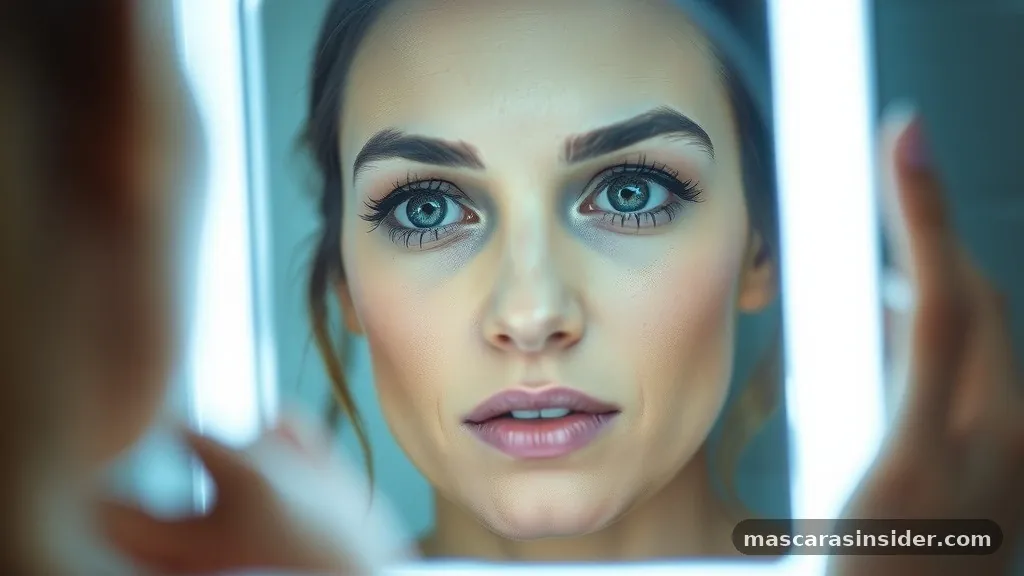
You spend five minutes coating your lashes, admire the result, and by lunchtime you’ve got two grey smudges sitting under your eyes like you didn’t sleep. Sound familiar?
Mascara migration is one of the most common makeup frustrations, and it’s rarely about buying an expensive tube. It’s usually about the skin around your eyes, the products you layer, and a few small habits that either lock everything in place or let it slide.
The good news: once you understand why it happens, fixing it is mostly about technique. Below you’ll find the real reasons mascara smudges under your eyes, plus practical steps that actually hold up through a long day.
Why Your Mascara Smudges Under Your Eyes in the First Place
Before you fix the problem, it helps to know what’s causing it. Smudging almost always comes down to one thing: something on your skin is transferring the pigment. That “something” is usually oil, sweat, or moisture.
The under-eye area is delicate and produces natural oils. When those oils meet a formula that hasn’t fully set, the mascara loosens and lifts onto your skin. Every time you blink, your lower lashes brush against the skin below, and over hours that friction deposits colour bit by bit.
Other common culprits:
- Heavy or oily under-eye concealer that never sets
- Rich eye cream applied right before makeup, leaving the skin slick
- Watery or non-waterproof mascara that reactivates with humidity
- Naturally oily skin or hooded eyes where the brow bone or lower lid makes contact with lashes
- Rubbing your eyes or a warm, humid day
Interesting detail: waterproof mascara can still smudge. It resists water, but many waterproof formulas contain oils and waxes that break down when they meet your skin’s sebum.
So “waterproof” isn’t the same as “smudge-proof.” That distinction matters a lot when you’re choosing a product.
Prep the Skin Before You Apply Mascara
Half the battle is won before the mascara wand ever comes out. If the skin under and around your eyes is oily or moist, nothing you put on top will stay put. So the goal is a dry, matte base.
Start with your eye cream. Apply it as the very first step of your routine, ideally 10 to 15 minutes before you do makeup.
This gives it time to absorb. Slapping mascara on over freshly applied eye cream is asking for a slippery mess.
Then blot. Take a clean tissue and gently press it around the eyes to remove any excess oil or product. You want the skin to feel clean, not tacky.
Here’s the step most people skip: set the under-eye area with a light dusting of translucent powder. Powder absorbs oil and creates a dry barrier so mascara has nothing to cling to.
Make sure you powder eyes evenly, focusing on the crease, the lower lid, and just beneath your lashes. A small, fluffy brush works better than a puff for this delicate zone.
If you wear concealer, set that too. An unset concealer is a magnet for smudges. A thin layer of powder locks it down and keeps the surface matte all day.
Choose the Right Mascara Formula
Not all mascaras behave the same, and the formula you pick has a huge influence on whether you end up with raccoon eyes by 3pm. Broadly, you’ve got three types to consider.
| Formula Type | How It Works | Smudge Resistance | Best For |
|---|---|---|---|
| Regular (water-based) | Coats lashes with pigment and washes off easily | Low to moderate | Short wear, dry skin, easy removal |
| Waterproof | Resists water and sweat with waxes and oils | Moderate (can still smudge from skin oils) | Rain, swimming, tears, humid days |
| Tubing | Forms tiny polymer tubes around each lash | High | Oily lids, watery eyes, all-day wear |
Tubing mascara is the quiet hero for anyone who’s tried everything else. Instead of leaving wet pigment on your lashes, it wraps each lash in a flexible polymer “tube.”
Those tubes don’t melt or transfer with oil or sweat. When you want to take it off, warm water and gentle pressure slide the tubes right off, no harsh scrubbing required.
If your smudging is chronic and nothing works, switch to a good tubing mascara before you blame your skin. Many people find it’s the single change that fixes the issue entirely.
Master Your Application Method
How you apply mascara matters almost as much as what you apply. A few adjustments to your technique can dramatically cut down on transfer.
Focus most of your product on your top lashes. The lower lashes are far more likely to smudge because they sit closest to your skin and brush against it when you blink.
Apply just a light coat to the bottom lashes, or skip them entirely if smudging is a serious problem for you. A lot of makeup artists intentionally leave the lower lashes bare for exactly this reason.
When you apply mascara, wiggle the wand at the base and pull upward and outward. This keeps the product on the lashes rather than pushing it down toward the skin.
Avoid overloading the wand. Excess mascara that doesn‘t fully dry is what ends up on your face.
Let each coat dry before adding another. Rushing a second coat onto lashes that are still wet traps moisture that later transfers. Give it 30 seconds or so between coats.
One more trick: hold a folded tissue or a small spoon under your lower lashes while the top lashes dry. It catches any stray product and keeps it off freshly powdered skin.
Set and Lock Everything in Place
Once your eye makeup is done, a setting step helps everything survive the day. This is where setting spray earns its reputation.
Does setting spray stop mascara from smudging? It helps, but it’s not magic.
A good setting spray fuses your powder, concealer, and eyeshadow into a more durable finish, which reduces the movement that causes transfer. It won’t rescue a slippery, oily base on its own, so think of it as the final lock rather than the whole solution.
Spray from about 8 to 10 inches away, close your eyes, and let it dry naturally. Don’t fan or touch your face while it’s wet.
Throughout the day, keep blotting papers on hand. When you feel your under-eye area getting oily, press a sheet gently to absorb the oil before it has a chance to loosen your mascara. It takes two seconds and prevents most afternoon smudging.
The American Academy of Dermatology also recommends replacing mascara every three months, since old, dried-out formulas apply unevenly and are more prone to flaking and smudging. You can read more about safe eye makeup habits from the American Academy of Dermatology.
Fix Smudging on the Brow Bone and Above the Eyes
Under-eye smudging gets all the attention, but plenty of people deal with mascara migrating up onto the brow bone or the crease, especially if you have hooded or deep-set eyes. The cause is similar: your upper lid folds down and makes contact with the lashes, transferring pigment upward when you blink.
The fixes overlap with everything above, but a few are specific to the upper area:
- Prime and set your entire eyelid, not just under the eyes, so there’s no oily surface for the lashes to touch
- Use an eyeshadow primer to keep the lid matte all day
- Curl your lashes before applying mascara so they lift away from the lid instead of pressing into it
- Choose tubing or a truly long-wearing formula, since these transfer far less on contact
- Apply thinner coats up top, since thick, heavy lashes are the ones that leave marks
Curling deserves a special mention. A lash curler lifts the lashes so they don’t rest against your skin, and it’s one of the simplest ways to reduce both upper and lower smudging.
Even a $10 curler makes a noticeable difference. Just use it before mascara, never after, or you’ll snap the lashes.
If your skin is naturally dry, you may find smudging is worse in winter when you’re using richer creams. In that case, keep skin around the eyes hydrated at night and go lighter in the morning so your makeup base stays dry.
Frequently Asked Questions
What can I put under my eyes so mascara doesn’t smudge?
A light layer of translucent setting powder is the most effective thing. Apply it under your eyes and on your lower lid to absorb oil and create a dry, matte surface.
If you wear concealer, set that with powder too. Some people also use a thin swipe of eyeshadow primer beneath the eyes to keep the area matte for longer.
Why does my mascara always smudge under my eyes?
Usually it’s oil. The skin around your eyes produces natural sebum, and when it meets mascara that hasn’t fully set, the pigment lifts and transfers.
Oily concealer, rich eye cream applied too soon, humid weather, and blinking friction all make it worse. Setting the area with powder and switching to a tubing formula solves it for most people.
How do I stop waterproof mascara from smudging under my eyes?
Waterproof doesn’t mean oil-proof. Many waterproof formulas contain waxes and oils that break down when they meet your skin’s natural oils.
Make sure the under-eye area is powdered and matte before you apply, keep most of the product on your top lashes, and blot excess oil during the day. If it still smudges, try a tubing mascara instead, which resists both water and oil.
Does setting spray really stop mascara from smudging?
It helps, but it isn’t a complete fix on its own. Setting spray locks your powder and concealer into a more durable finish, which cuts down on the movement that causes transfer. For best results, combine it with a properly powdered base and a smudge-resistant mascara rather than relying on the spray alone.
How do I keep mascara off my brow bone and upper lid?
Curl your lashes so they lift away from the lid, prime and set the entire eye area, and use thinner coats on your top lashes. Hooded and deep-set eyes are most prone to this because the lid folds down onto the lashes. A long-wear or tubing formula makes the biggest difference here.
Putting It All Together
Smudged mascara isn’t a curse you’re stuck with. It’s a chain of small factors, and breaking any one of them usually clears it up. Prep the skin so it’s dry and matte, set your under-eye area with powder, apply eye cream early, and don’t overload your lower lashes.
If those steps aren’t enough on their own, the formula is where the real fix lives. A quality tubing mascara resists both the water and the skin oils that cause smudging, and for a lot of people it ends the problem for good. Add a setting spray as your final step, keep blotting papers nearby, and curl your lashes so they’re not resting on your skin.
Try these one at a time so you can tell which one your particular smudging responds to. Everyone’s skin and eye shape is a little different, but with the right prep and the right product, you can wear mascara all day and still have clean, bright eyes by evening.