
The history of eye adornment stretches back thousands of years, but the modern product we identify as mascara has a surprisingly specific origin story. While ancient civilizations were the first to emphasize their eyelashes, the commercial product we use today emerged from the ingenuity of 19th and 20th-century chemists and entrepreneurs. Understanding who made mascara requires looking past the ancient roots of dark pigments and focusing on the transition from homemade concoctions to the sophisticated cosmetics found in every vanity today.
Ancient Roots and the Origins of Kohl
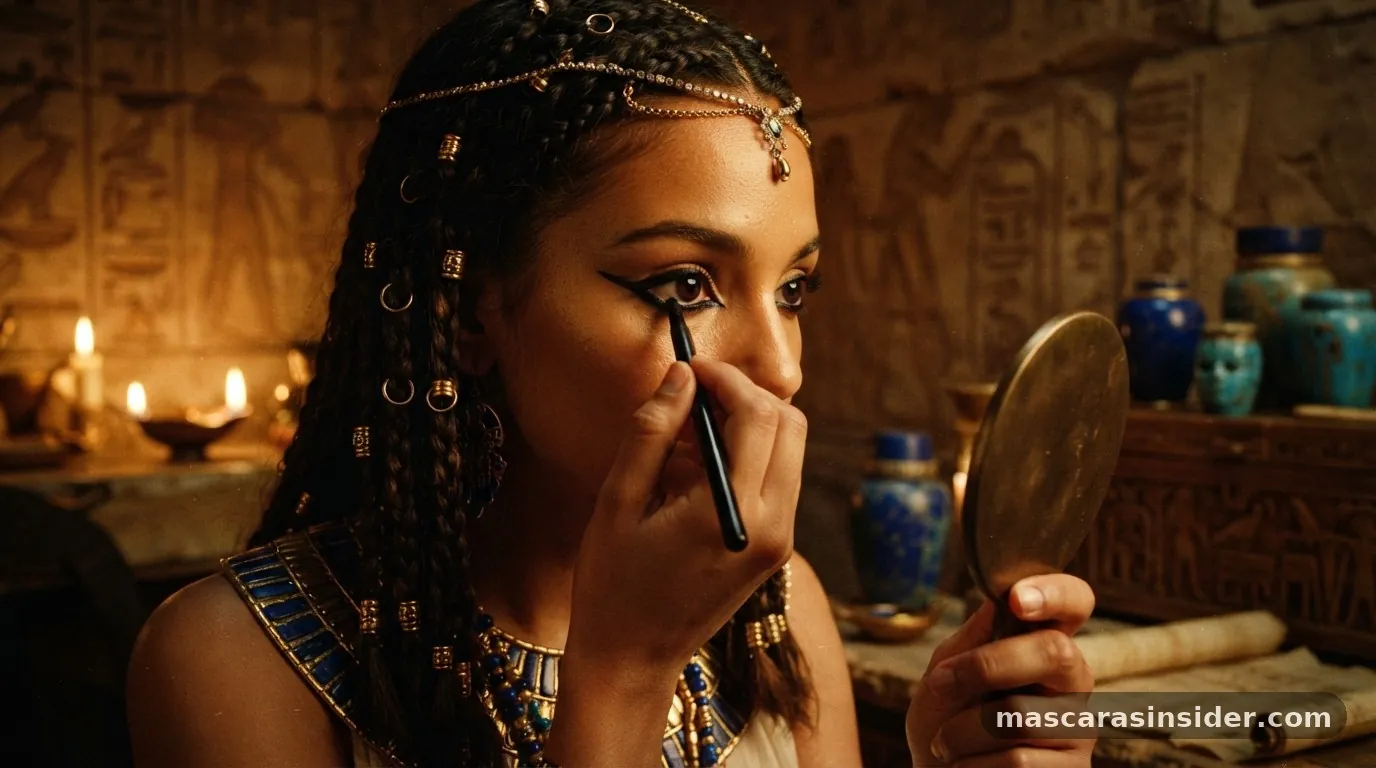
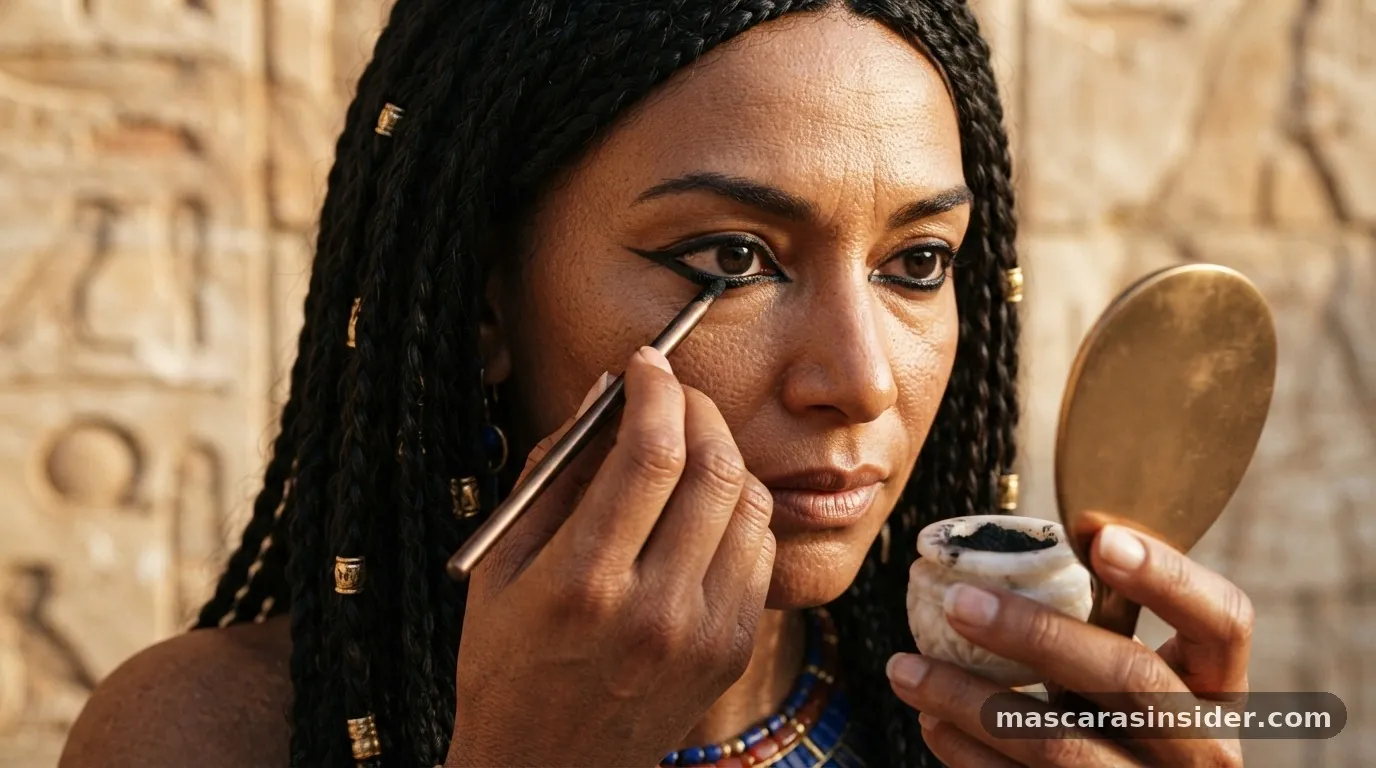
Ancient Egyptians were the first people to use dark substances to enhance their eyes, marking the very earliest precursor to modern mascara. They applied a substance known as kohl, which was typically a mixture of galena, malachite, and other minerals, to the eyelids and lashes to darken them and protect against the harsh sun. This practice was not merely aesthetic; it held deep cultural and spiritual significance, as it was believed that dark eyes could ward off evil spirits and protect the wearer from the “evil eye.”
1. The Egyptians used a mixture of soot, honey, and crocodile dung to create a primitive form of eye makeup.
2.
The Greeks and Romans later adopted these techniques, often using burnt cork or lampblack to darken their eyes.
3. During the Victorian era, women experimented with various DIY methods to darken their lashes, including using elderberry juice or heated needles coated in soot.
These early methods were often dangerous, involving toxic ingredients like lead or mercury, which could cause long-term health issues. Despite these risks, the desire to define the eyes remained a constant in the history of beauty. The transition from these crude, homemade pastes to a mass-marketed item did not happen until the turn of the 20th century, when the industrial revolution allowed for safer, more consistent formulas.
Thomas Williams and the Birth of Maybelline
The person most frequently credited with bringing mascara to the masses is Thomas Lyle Williams, who founded the company that would eventually become Maybelline. In 1913, Williams observed his sister, Mabel, attempting to enhance her lashes using a mixture of petroleum jelly and coal dust.
This simple, makeshift solution served as the spark for his business venture. He refined this base by adding carbon black to create a more effective, pigmented product.
He named his creation “Maybelline,” a portmanteau of his sister’s name and the ingredient that started it all: Vaseline. By marketing this product through mail-order catalogs, Williams successfully turned a kitchen-table experiment into a household name.
This was the first mascara intended for the general public, and it fundamentally changed the way women approached their daily makeup routines. It removed the need for dangerous, unrefined homemade mixtures and provided a safe, reliable alternative that could be applied at home without specialized tools.
The Innovation of the Mascara Wand
While the early formulas were sold as pressed cakes that required a damp brush to activate, the development of the modern mascara wand was a separate, equally important milestone in the evolution of the product. Early users had to painstakingly apply the product using a small, stiff-bristled brush, which was often messy and difficult to control. The innovation of the integrated applicator changed everything.
In 1957, Helena Rubinstein introduced the first wand-in-tube mascara, known as “Mascara-Matic.” This invention revolutionized the industry by combining the product and the applicator into one convenient package. No longer did a user need to worry about wetting a cake or cleaning a separate brush.
The wand, featuring a spiral wire design, allowed for a more even distribution of the formula across the lashes. This simplified the process, making it faster and cleaner, which in turn boosted the popular appeal of the product across the globe.
Rimmel and the Global Expansion of Cosmetics
The term “rimmel” is still used in several European languages to refer to mascara, a testament to the influence of Eugene Rimmel, a French perfumer who moved to London in the 19th century. Rimmel was a pioneer in the development of eye makeup, and his name became synonymous with the product long before the modern wand existed. His early, non-toxic versions of mascara were highly sought after by theater performers and socialites.
| Era | Key Innovation | Primary Ingredients |
|---|---|---|
| Ancient Times | Kohl application | Galena, soot, minerals |
| Early 1900s | Maybelline cake mascara | Petroleum jelly, coal dust |
| 1957 | Wand-in-tube | Synthetic waxes, pigments |
Rimmel’s contribution was significant because he helped legitimize eye makeup as a standard part of a woman’s grooming routine. By focusing on safety and accessibility, he paved the way for larger companies to expand the market. Today, the global cosmetics industry continues to build on the foundations laid by these early innovators, pushing the boundaries of what these products can achieve in terms of length, volume, and curl.
Lash Lure and the Role of Regulation
The path to safe, effective eye makeup was not without its pitfalls. In the early 20th century, before the Food and Drug Administration (FDA) had the authority to regulate cosmetics strictly, companies could sell products with little oversight.
One infamous example was a product called “Lash Lure,” which was marketed in the 1930s. It contained an aniline dye that caused severe allergic reactions, blindness, and even death in some users.
This tragedy was a turning point for the industry. It highlighted the urgent need for government oversight of beauty products. Following the outcry over Lash Lure, the Federal Food, Drug, and Cosmetic Act of 1938 was passed, giving the FDA the power to ensure that cosmetics were safe for public use.
This legislative shift ensured that the ingredients used in mascaras were rigorously tested and that the industry had to operate under strict safety guidelines. You can read more about the legal framework for cosmetics regulation provided by the FDA to understand how these protections function today.
Modern Advancements and Future Directions
In the modern era, the science behind mascara has become incredibly sophisticated. Today’s mascaras are engineered using complex polymers, specialized waxes, and advanced brush geometries designed to coat every single lash from root to tip. Engineers now use computer modeling to design brushes that can reach the inner corners of the eye and the tiny lashes on the lower lid, ensuring a flawless application every time.
4. Waterproof formulas use silicones and volatile oils to prevent smudging and running.
5.
Lengthening versions often contain nylon or rayon fibers that attach to the ends of the lashes.
6. Volumizing formulas contain heavier waxes and polymers that build thickness without clumping.
The focus of the industry is now shifting toward sustainability and clean beauty. Consumers are increasingly asking for formulations that are free from parabens, phthalates, and animal-derived ingredients.
Brands are experimenting with plant-based waxes and mineral-based pigments to satisfy this demand while maintaining the performance standards that users expect. The evolution of the product from a simple mix of soot and jelly to a high-tech beauty essential is a remarkable story of human ingenuity and our enduring desire for self-expression.
Frequently Asked Questions
Was mascara originally made for men?
While ancient Egyptian men and women both used kohl to protect their eyes from the sun and sand, modern mascara was primarily marketed toward women during the 20th century. However, today’s makeup market is increasingly gender-neutral, with more men incorporating grooming products into their daily routines.
How did the first mascara work?
The first commercial mascara, created by Thomas Lyle Williams, consisted of a cake of pressed pigments that the user had to activate. They would wet a small brush, rub it against the cake to pick up the product, and then manually apply it to their lashes.
What was the danger of early mascara?
Many early homemade versions of mascara used dangerous ingredients like coal dust, lead, or toxic dyes. These substances could cause severe eye irritation, allergic reactions, and, in extreme cases, permanent damage to the eyes or vision, which eventually led to stricter safety regulations.
Why is the word rimmel used for mascara?
The word “rimmel” became a synonym for mascara in many languages because Eugene Rimmel was one of the first mass-producers of eye makeup in the 19th century. His products were so widely used and recognized that his name became the generic term for the product itself.