

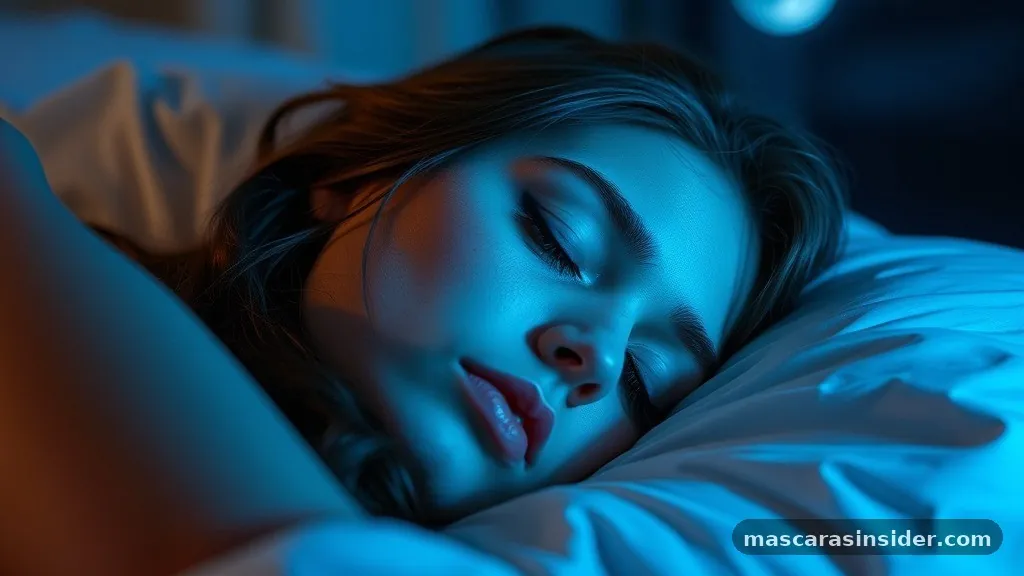
You come home late, you’re exhausted, and the last thing you want to do is stand at the bathroom sink scrubbing your face. So you crawl into bed with your eye makeup still on.
We’ve all done it. But is it bad to sleep in mascara, or is that just something dermatologists say to scare us into buying more cleanser?
The honest answer sits somewhere in the middle. One night probably won’t ruin your lashes forever.
Doing it night after night, though, is a different story. Let’s get into what actually happens to your eyes, your skin, and those delicate lashes when mascara stays put overnight.
What Happens When You Sleep in Mascara
Mascara isn’t designed to sit on your lashes for hours while you toss and turn. It’s a cosmetic meant for daytime wear, then removal. When you leave it on overnight, a few things start happening.
First, the formula dries out and hardens. Waterproof mascara especially becomes stiff and brittle.
As you sleep, you rub your face against the pillow, and that dried product flakes off. Some of those tiny particles end up in your eyes, on your pillowcase, or lodged near the base of your lashes.
Your eyelashes grow from hair follicles just like the hair on your head. When mascara clogs the area around these follicles, it can interfere with healthy lash growth over time. Add rubbing to the mix and you’ve got a recipe for lashes that snap and fall out more easily.
Then there’s the bacteria issue. A mascara wand collects microbes every time it goes back in the tube.
Sleeping with that product on your lashes for eight hours gives bacteria a warm, moist environment to multiply. That’s not a great scenario for the sensitive tissue around your eyes.
Ophthalmologists have long warned about this. According to guidance from the American Academy of Ophthalmology, old or improperly removed eye makeup raises the risk of eye irritation and infection. That warning applies double when you’re sleeping in it.
Is It Bad to Sleep in Mascara for Your Eyes?
Your eyes take the biggest hit here. The skin around them is thinner than anywhere else on your face, and the eye itself is exposed and vulnerable.
When mascara flakes migrate into your eye during the night, they can scratch the cornea. That’s the clear front surface of your eye.
A corneal abrasion sounds minor but it hurts, and in bad cases it can cause lasting damage. People who sleep in mascara sometimes wake up with red, gritty, watery eyes and no idea why.
Styes are another common consequence. A stye is a painful red bump on the eyelid, usually caused by a blocked oil gland or an infection at the base of a lash.
Trapped mascara and bacteria are a leading trigger. If you get recurring styes, your bedtime makeup habit could be the culprit.
There’s also a condition called blepharitis, which is inflammation of the eyelid margins. Leftover mascara clogs the tiny glands along your lash line, and the result is itchy, flaky, irritated eyelids. Not fun, and often stubborn to treat once it sets in.
Contact lens wearers should be extra careful. Mascara particles can slip under a lens and cause real discomfort, or worse, an infection.
The Effect on Your Eyelashes and Skin
Beyond the eyes themselves, your lashes suffer when mascara stays on. Dried mascara makes lashes rigid.
When you rub your eyes in your sleep, brittle lashes break instead of bending. Over weeks and months, this leads to thinner, patchier lashes.
Some people notice their lashes seem shorter or sparser and blame aging or genetics, when the real reason is repeatedly going to bed without removing eye makeup. Your lashes need to breathe and shed naturally. Coating them in product 24 hours a day interferes with that cycle.
The skin around your eyes matters too. Mascara and other makeup mix with the day’s oil, sweat, and pollution.
Leave all that on your skin overnight and it can clog pores, which cause breakouts, and it prevents your skin from doing its natural overnight repair work. Skin renews itself while you sleep, and a layer of makeup gets in the way.
Here’s a quick look at the main risks when eye makeup stays on overnight:
- Corneal scratches from stiff, flaking mascara particles
- Styes and eyelid infections from trapped bacteria
- Blepharitis, or inflamed and irritated lash lines
- Broken, brittle lashes that fall out more easily
- Clogged pores and breakouts around the eyes
- General irritation, redness, and morning eye grittiness
One Night vs. Every Night: How Bad Is It Really?
Context matters. Falling asleep in mascara once after a wedding or a long flight is not going to destroy your eyes.
Your body is resilient. You’ll probably wake up with slightly puffy or irritated eyes and be fine after washing your face.
The problem is habit. Doing this every night, or leaving mascara on for two days straight because you got lazy, is where the damage compounds.
Repeated exposure to bacteria, repeated flaking into the eye, repeated stress on the lashes. That’s when styes become recurring and lashes start thinning.
Wearing mascara every day isn’t the issue, by the way. Daily mascara is fine as long as you remove it properly before bed. The trouble is specifically leaving it on while you sleep.
This table breaks down the difference between an occasional slip and a regular habit:
| Frequency | Typical Risk Level | What You Might Notice |
|---|---|---|
| Once in a while | Low | Mild redness, puffiness, minor irritation |
| A few times a month | Moderate | Occasional styes, dry or gritty eyes |
| Every night | High | Recurring infections, lash loss, blepharitis, clogged pores |
As one dermatology principle puts it, “Sleeping in makeup is one of the most common bad habits that quietly ages the skin and irritates the eyes.” The keyword is quietly.
You don’t see the harm all at once. It builds.
How to Remove Mascara Properly Before Bed
Getting mascara off doesn’t have to be a chore. The mistake most people make is rubbing hard, which stresses the lashes and the skin. Be gentle instead.
Here’s a simple routine that works even when you’re tired:
- Soak a cotton pad with a gentle eye makeup remover or micellar water.
- Press it against your closed eye and hold for 15 to 20 seconds. This lets the product dissolve the mascara.
- Wipe downward and outward, slowly, without scrubbing.
- Use a clean corner of the pad or a cotton swab to get any leftover along the lash line.
- Follow with your usual face wash to clear away any residue.
For waterproof mascara you’ll want an oil-based or dual-phase remover, since water alone won’t cut it. Keep remover wipes on your nightstand for nights when dragging yourself to the sink feels impossible. Reaching over to grab a wipe takes ten seconds and saves your eyes a lot of grief.
One tip: replace your mascara every three months. Old mascara is a bacteria breeding ground, and using it near your eyes for a long time raises infection risk regardless of whether you sleep in it. If your tube smells odd or the formula has gone clumpy, toss it.
What About “Sleeping Mascara” You Can Actually Wear to Bed?
You may have seen products marketed as sleeping mascara or lash serums designed for overnight use. These are not the same as regular mascara.
A true overnight lash product is usually a conditioning treatment or serum, not a pigmented cosmetic. It’s formulated to nourish lashes with ingredients meant to support growth and strength while you sleep. These are generally safe for nighttime wear because they don’t contain the drying, flaking pigments that regular mascara does.
Regular mascara, tinted and designed to coat and lengthen, should always come off before bed. Don’t confuse the two. If a product is a standard black mascara you bought for daytime volume, it belongs in your removal routine, not your sleep routine.
If longer lashes are your goal, a dedicated lash serum used at night is a far better bet than leaving daytime mascara on. You get the potential benefit without the irritation, bacteria, and breakage that come from sleeping in makeup meant for the day.
Frequently Asked Questions
Is it bad to leave mascara on for two days?
Yes, that’s worse than one night. Two full days without removal gives bacteria plenty of time to build up, and the dried mascara flakes more, raising your chances of eye irritation, styes, and lash breakage. Remove it as soon as you can and give your eyes a rest.
Does sleeping in mascara ruin your eyelashes?
Not from a single night, but repeated overnight wear can. Dried mascara makes lashes brittle, and rubbing your eyes in your sleep causes them to snap and fall out.
Over time this leads to thinner, weaker lashes. Consistent removal protects lash health.
What should I do if I accidentally slept in mascara?
Don’t panic. Remove it gently in the morning with a good makeup remover, avoid rubbing, and rinse your eyes with cool water if they feel irritated. If you notice a painful bump, persistent redness, or discomfort that doesn’t fade, see an eye doctor.
Is wearing mascara every day harmful?
Daily mascara is fine for most people as long as you take it off before bed and replace the tube every few months. The harm comes from sleeping in it or using expired product, not from wearing it during the day.
Can old mascara cause eye infections?
Absolutely. Mascara tubes collect bacteria every time the wand goes in and out. Using mascara past three months, especially if it smells off or has changed texture, increases your risk of styes and other eye infections.
The Bottom Line
So, is it bad to sleep in mascara? For the occasional exhausted night, it’s not a catastrophe, and you shouldn’t lose sleep over the one time it happens. But making a habit of it is genuinely bad for your eyes, your lashes, and the delicate skin around them.
The risks stack up: scratched corneas, styes, inflamed lids, brittle lashes, and clogged pores. All of it is avoidable with a two-minute removal routine or even a quick wipe from a pad by your bed.
Treat your lashes and eyes with the same care you’d give the rest of your face. Take the mascara off before you sleep, swap out old tubes, and if you want overnight benefits, reach for a proper lash serum instead of leaving daytime makeup on. Your eyes will thank you in the morning.