

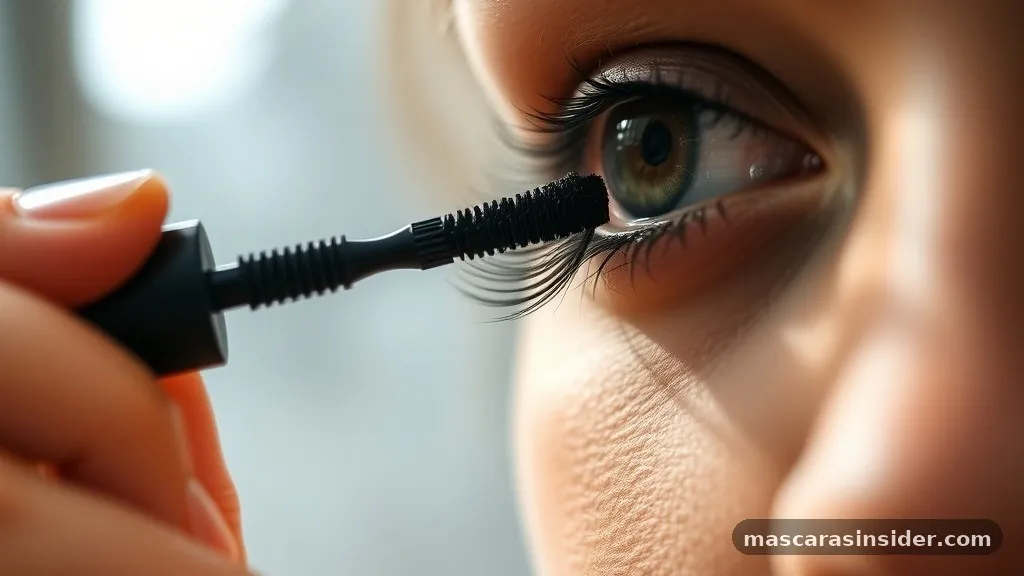
You swipe on what should be one clean coat, and instead your lashes clump together into spiky little triangles. Frustrating, right?
Clumpy mascara ruins an otherwise good makeup look faster than almost anything else, and it happens to everyone at some point, no matter how expensive the tube. The good news is that most clumping comes down to a few fixable causes, and once you know what’s going on you can get separated, fluttery lashes without buying a whole new product.
Let’s get into why mascara clumps, how to fix it mid-application, and the small habits that keep your formula smooth for weeks.
Why Your Mascara Clumps in the First Place
Clumping isn’t random. It usually points to one of three problems: too much product on the wand, a formula that’s drying out, or a mistake in how you’re applying it.
The most common culprit is overloading the brush. When you pump the wand in and out of the tube, you’re not loading more mascara, you’re pushing air into it.
That air dries the formula and adds excess product to the bristles at the same time. Double trouble.
Old mascara is another big one. Most formulas are meant to be tossed after about three months, according to guidance from the U.S.
Food and Drug Administration, which warns that eye products carry a real risk of bacterial contamination once opened. As the formula ages it thickens, dries, and clumps far more easily.
Then there’s technique. Applying coat after coat before the previous layer sets, using a wand that’s wrong for your lashes, or not wiping off excess all contribute. Sometimes a brand new mascara is clumpy straight out of the box, which usually means the formula is simply too thick or wet for your lashes, or it was filled a touch heavy.
Quick Fixes for Clumpy Mascara Mid-Application
Caught mid-makeup with gloopy lashes? Don’t panic and don’t wash it all off. A few tricks rescue the situation fast.
First, always wipe the wand before it touches your lashes. Drag it gently along the mouth of the tube or across a clean tissue to remove the excess blob that collects on the tip. This single step prevents most clumps before they start.
If clumps have already formed, comb them out. A clean spoolie brush (the kind that comes with disposable mascara wands) separates lashes and redistributes product before it dries. Some people keep an old, washed mascara wand just for this.
- Comb while wet. Run a clean spoolie through your lashes right after applying, before the formula sets.
- Blink onto a tissue. Press a folded tissue against your lashes and blink to lift off excess product.
- Use the tip of a pin or needle. Carefully separate two stuck lashes with the point (steady hands only, and never near a wet eye).
- Wiggle, don’t drag. Wiggle the wand at the base and pull through in one smooth motion instead of layering repeatedly.
- Let each coat dry. Give the first layer 15 to 20 seconds before adding a second.
The wiggle-and-pull method matters more than people think. Sloppy back-and-forth swiping deposits product unevenly, which is exactly how clumps form. One deliberate pass beats five quick ones.
How to Rehydrate Dried Up Mascara
If your tube has gone dry but isn’t expired, you can sometimes revive it. This buys you a couple more weeks, though it’s not a permanent fix.
The classic trick is warm water. Fill a mug with hot (not boiling) water and stand the closed tube in it for a few minutes.
The heat loosens the formula and re-blends any separated ingredients. It’s gentle and it works surprisingly well for mascara that’s just thickened up.
People online swear by adding a drop or two of liquid directly to the tube, but be careful here. What you add matters a lot.
| What to add | Safe to use? | Notes |
|---|---|---|
| Warm water (external bath) | Yes | Safest method; loosens formula without contamination. |
| A drop of saline solution | Usually okay | Sterile and eye-safe; add one or two drops only. |
| Contact lens rewetting drops | Usually okay | Formulated for eyes; thins the product gently. |
| Eye drops (basic) | With caution | Fine in small amounts; avoid medicated or redness-relief types. |
| Water from the tap (poured in) | No | Introduces bacteria straight into the tube. |
| Oil, spit, or lotion | No | Breaks down formula and can cause eye irritation or infection. |
Whatever you add, use the tiniest amount and roll the wand around instead of pumping. If the mascara smells off or has changed texture completely, don’t rehydrate it.
Just toss it. No look is worth an eye infection.
Choosing the Right Formula and Brush
Sometimes the problem isn’t you, it’s the product. Certain formulas clump by nature, and the wand shape makes a huge difference too.
Volumizing mascaras tend to be thicker and waxier because that’s what builds fullness. They clump more readily than a lengthening mascara, which usually has a thinner formula and a fine brush designed to coat each lash individually. If you love volume but hate clumps, look for a fiber or “buildable” volumizing formula rather than a heavy one.
Brush design is half the battle. Here’s the general rule:
- Bristle (fibre) brushes hold more product and add drama, but they clump more easily.
- Silicone or rubber wands have shorter, spaced-out spikes that comb and separate as they coat, so you get less clumping.
- Curved wands follow the lash line and grab shorter lashes at the corners.
- Skinny, tapered brushes are best for lower lashes and precise definition.
Big-name houses from Maybelline to L’Oréal Paris release dozens of wand styles precisely because no single brush suits everyone. If you’ve tried three tubes and they all clump, experiment with a rubber-bristled wand next. That switch alone fixes it for a lot of people.
As celebrity makeup artist Bobbi Brown has often noted, less is genuinely more with mascara. A thin, even coat that separates beats a thick one that fuses your lashes into spikes every single time.
Prep Your Lashes Before You Apply
What you do before the mascara touches your lashes decides how clean the final result looks. Skip prep and even a great formula can clump.
Start clean. If you’re layering fresh mascara over yesterday’s leftovers, of course it’ll clump.
Old dried product acts like glue for new product. Remove everything with a gentle makeup remover and let your lashes fully dry before you begin.
Curl first, then apply. An eyelash curler lifts and fans out your lashes so each one has space, which naturally reduces clumping and opens up the eye. Curl before mascara, never after, since curling coated lashes can snap them.
Consider a lash primer. A primer coats each lash with a thin base that mascara grips onto evenly. It adds length and separation and stops product from bunching.
Think of it as a smooth foundation for your lashes. Not essential, but it genuinely helps if you struggle with clumping or want more volume without piling on coats.
One more prep habit: keep your wand clean. Wipe it on a tissue every few uses to clear away dried buildup near the base of the bristles. That crusty ring of old product at the neck of the tube is a clump factory, so clean it off with a cotton bud now and then.
Everyday Habits That Keep Mascara Smooth
Preventing clumps beats fixing them. A handful of small routines keep your formula usable and your lashes looking their best from the first application to the last.
Stop pumping the wand. It’s the most common bad habit and it dries out your mascara faster than anything. Instead, insert the wand slowly and twist it as you pull it out to load product without adding air.
Always cap it tightly and immediately. Air is the enemy.
A loose or slightly open lid lets the formula dry between uses, and within a week or two you’ll notice clumping that wasn’t there before. Store the tube upright and away from heat, because a hot bathroom or car speeds up drying.
Respect the expiry window. Mark the date you opened it on the tube with a marker. Three months is the standard limit for eye mascara, and pushing past it doesn’t just clump, it raises the risk of irritation and infection.
A quick summary of what keeps mascara clump-free:
- Twist the wand out instead of pumping.
- Wipe excess off the brush before every application.
- Cap the tube tightly and store it upright.
- Replace it every three months.
- Keep it away from heat and direct sun.
- Curl and prime lashes before applying.
Do these and you’ll get way
Do these and you’ll get way more mileage from every tube, plus a cleaner look each time you apply. Small changes, big difference.
Frequently Asked Questions
Why does my mascara get clumpy so fast?
Usually because it’s drying out. Pumping the wand pushes air into the tube, an ill-fitting cap lets it dry between uses, and storing it somewhere warm speeds everything up.
Old mascara past its three-month life also thickens and clumps quickly. If a brand new tube clumps, the formula may simply be too thick for your lashes.
What can you put in mascara to unclump it?
Stick to eye-safe options in tiny amounts: a drop or two of saline solution or contact lens rewetting drops. Never add tap water, oil, spit, or lotion, since these introduce bacteria or break the formula down. The safest method is standing the closed tube in warm water for a few minutes to loosen it without adding anything at all.
How do you fix clumpy mascara on your lashes?
Comb through your lashes with a clean spoolie while the product is still wet to separate and redistribute it. Wipe the wand before each coat, let every layer dry before adding another, and use the wiggle-and-pull technique rather than swiping back and forth. A folded tissue pressed gently against the lashes lifts off any excess.
Is clumpy mascara bad for your eyes?
The clumping itself isn’t harmful, but the causes can be. Clumpy mascara is often old or dried out, and expired eye products can harbour bacteria that lead to irritation or infection. If your mascara is clumping because it’s past three months old, replace it rather than trying to revive it.
Does a lash primer really reduce clumping?
Yes. A primer coats each lash in a thin, even base that mascara grips onto uniformly, so product spreads out instead of bunching. It also adds length and volume, meaning you need fewer coats overall, which is where most clumping happens anyway.
The Bottom Line
Clumpy mascara almost always traces back to something simple: too much product, a drying formula, or a technique tweak that’s overdue. Wipe the wand, comb with a spoolie, stop pumping the tube, and cap it tight. Prep your lashes with a curl and maybe a primer, pick a wand that separates rather than glues, and replace the tube every three months.
None of this requires spending more money. It’s about using what you have smarter. Get these habits down and clean, separated, fluttery lashes become your default rather than a lucky accident.