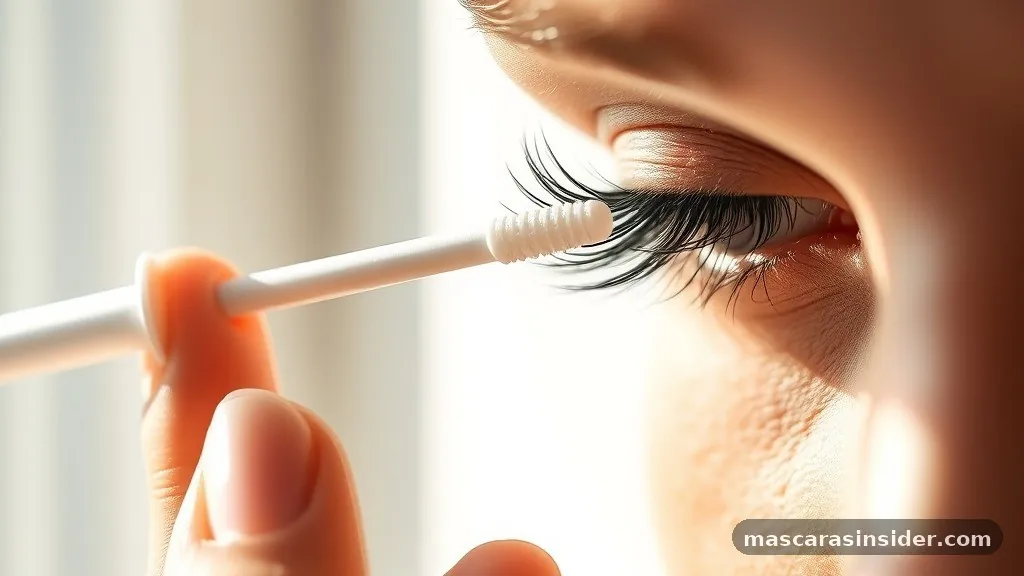
You’ve spent good money on a mascara that promised sky-high volume, and yet your lashes still look flat by mid-afternoon. Sound familiar?
There’s a small, often-ignored product sitting between your bare lashes and that dramatic look you’re chasing. It’s called mascara primer, and once you understand what it does, you might wonder how you got by without it.
Most people skip straight to the black tube. Fair enough. But that extra 20 seconds can change the whole result.
What Is Mascara Primer, Exactly?
Mascara primer is a pre-mascara base coat. You apply it to clean lashes first, let it sit for a few seconds, then layer your regular mascara over the top.
Think of it the way you’d think of a face primer before foundation, or a base coat before nail polish. It preps the surface so the main product performs better.
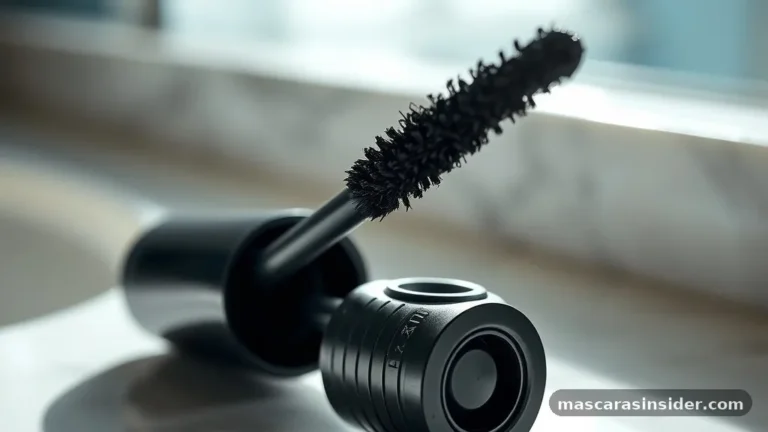
The formula usually comes in a tube that looks almost identical to mascara, with the same wand-and-bristle setup. The difference is what’s inside. Instead of heavy pigment, a primer is typically white or a soft off-white shade, though some are tinted grey or black so they don’t leave a chalky cast under darker formulas.
When it dries, the primer coats each lash with a thin layer that adds grip and thickness. That gives your mascara something to cling to.
The result? More length, more volume, and colour that holds up longer through the day.
A lot of the fibre-based primers go a step further. They deposit tiny synthetic fibres along the lash, which mascara then locks into place. That’s how you get that stretched, feathery length you see in ads without falsies.
What Mascara Primer Is Used For
The whole point is amplification. A primer doesn’t replace your mascara, it makes your mascara work harder. Here’s where it earns its spot in a makeup bag.
- Extra length: Many primers, especially the ones with fibers, physically extend the tip of each lash before mascara coats it.
- More volume: The base layer thickens the lash so the finished look is fuller and denser.
- Better curl hold: A good primer helps lashes keep their shape, so a curl set in the morning doesn’t droop by lunch.
- Longer wear: Because the mascara grips the primed lash more tightly, you get less flaking and smudging.
- Lash conditioning: Some formulas include ingredients like keratin, panthenol, or vitamin E that support lash health over time.
People with short, sparse, or stubbornly straight lashes tend to notice the biggest difference. If your natural lashes are already long and dark, you might find the effect subtle.
That’s honest. It’s not magic, it’s a multiplier.
Think of it like the “now” step you never knew you needed. You prime, you coat, and the lengthening, volumizing payoff shows up in the mirror.
How Mascara Primer Differs From Regular Mascara
People confuse the two constantly, which makes sense given how similar they look. But they do different jobs. Mascara adds colour and definition.
Primer preps and builds structure. One without the other still works, but together they cover each other’s weak spots.
Here’s a side-by-side to make it clear.
| Feature | Mascara Primer | Regular Mascara |
|---|---|---|
| Main job | Prep, thicken, extend the lash base | Add colour, definition, drama |
| Colour | White, off-white, grey, or tinted | Usually black or brown |
| Applied | First, on clean lashes | Second, over the dried primer |
| Used alone? | Not usually, it’s a base coat | Yes, works on its own |
| Fibers | Often included for length | Rarely |
Some high-tinted primers blur the line a little. A black-tinted primer can double as a light coat of colour on its own, which is handy on no-makeup days.
Still, the design intent is layering. You prime, then you reach for your favourite volumizing mascara to finish.
How to Apply Mascara Primer the Right Way
Application is where most people go wrong, and it’s genuinely simple once you get the timing down. The main rule: don’t wait too long between primer and mascara. If the primer dries completely, it gets clumpy and your mascara won’t glide.
- Start with clean, dry lashes. If you’re going to curl them, curl first, before any product goes on.
- Wipe the wand. Gently remove excess product on the tube’s rim so you don’t overload.
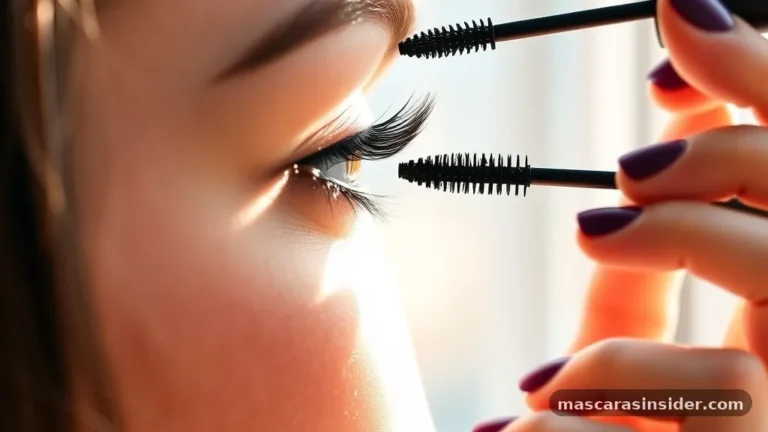
- Coat from root to tip. Use the same wiggle-and-sweep motion you’d use with mascara. Focus on the base of the lashes for lift.
- Move quickly. Give it just a few seconds, until it’s tacky but not bone dry, then apply your mascara straight over the top.
- Layer as needed. Build one or two coats of mascara for the finished look you want.
The tacky window is the secret. Ten to twenty seconds is usually the sweet spot.
When you brush mascara onto a slightly damp primer, the two grab each other and the fibres lock in. Wait too long and you’ll be fighting clumps.
One more tip: use a fresh, clean brush if your primer and mascara come as a duo. Mixing wet primer back into a mascara tube can dry the mascara out over time.
Do You Actually Need a Mascara Primer?
Honest answer? No, you don’t strictly need one.
Plenty of people wear mascara their whole lives and never touch a primer. But “need” and “benefit from” are different things.
You’ll probably love a primer if you have short or fine lashes, if your curl falls flat, or if you want maximum drama for an event. You might skip it if your lashes are already thick, or if you prefer a quick everyday routine and don’t want the extra step.
Dermatologists and beauty experts generally consider primers safe for daily use, though anyone with sensitive eyes should patch-test new formulas first. The American Academy of Dermatology recommends replacing eye makeup every few months to avoid bacterial buildup, and that advice applies to primers too since they share the same wand-in-tube design as mascara.
Cost-wise, primers run the range from drugstore-friendly to premium. Brands like L’Oréal and Maybelline offer accessible options, so it’s easy to try one without a big commitment. If you already own a favourite mascara, a matching or fibre primer is a low-risk add-on to your makeup kit.
Worth trying at least once. You can always drop the step if you don’t see a difference.
Choosing the Best Mascara Primer for Your Lashes
Not all primers do the same thing, so match the product to your goal. Some are built for length, others for volume, and a few chase both. Knowing what you want narrows the field fast.
- For length: Look for a fibre-infused formula. Those little fibres extend the lash tip and pair well with a lengthening mascara like the sky-high style formulas that stretch each lash.
- For volume: Choose a thicker, creamier primer that plumps the lash base. It works beautifully under a dense, volumizing mascara.
- For curl: A primer with strong film-forming polymers helps hold a curl through the day.
- For sensitive eyes: Go fragrance-free and ophthalmologist-tested, and skip heavy fibre formulas if flakes bother you.
Colour matters too. A white primer gives the most obvious volume boost but can peek through if your mascara coat is thin.
A black or grey tinted primer is more forgiving because any gaps just read as more dark lash. Beginners often find tinted versions easier to work with.
If you’re the type who loves a full lash sensational, dramatic look, pairing a fibre primer with a buildable mascara gets you closest to falsies without the glue. For a natural daytime look, a light tinted primer under one coat is plenty.
When you shop, read whether the brush is designed to separate or to load product. A comb-style brush separates and lengthens; a fluffier brush deposits more volume. The brush shape changes the result as much as the formula does.
Frequently Asked Questions
Do you really need a mascara primer?
You don’t need one to wear mascara, but it noticeably boosts length, volume, and wear time, especially on short or straight lashes. If your natural lashes are already full and dark, the effect is more subtle and you can skip it without missing much.
What’s the difference between mascara and mascara primer?
Mascara adds colour and definition and works on its own. Primer is a base coat you apply first to thicken and extend the lash so the mascara grips better and lasts longer. Used together, they give a fuller, longer-wearing result than mascara alone.
How do you apply mascara primer?
Sweep it onto clean lashes from root to tip, wait roughly ten to twenty seconds until it’s tacky but not fully dry, then apply your mascara straight over the top. Moving quickly is key, because if the primer dries completely it can clump.
What can I use instead of a lash primer?
A very thin first coat of your regular mascara, allowed to dry slightly before a second coat, mimics some of the effect. Some people dust translucent setting powder on lashes between coats to build volume. Neither works quite as well as a dedicated primer, but both are decent stopgaps.
Is mascara primer good for your eyelashes?
Many formulas include conditioning ingredients like keratin, panthenol, or vitamin E that support lash health. As long as you remove it gently at night and replace the tube every few months, a primer is generally safe for daily use.
The Bottom Line
Mascara primer is the base coat your lashes have been missing. It preps each lash so your mascara delivers more length, more volume, and staying power that lasts past lunch. Apply it first, work while it’s still tacky, and layer your favourite mascara over the top.
Is it essential? No. Is it a smart, low-cost upgrade that most people notice?
Absolutely. Match the formula to your goal, choose the right brush, and give it one honest try. Your lashes will tell you the rest.