
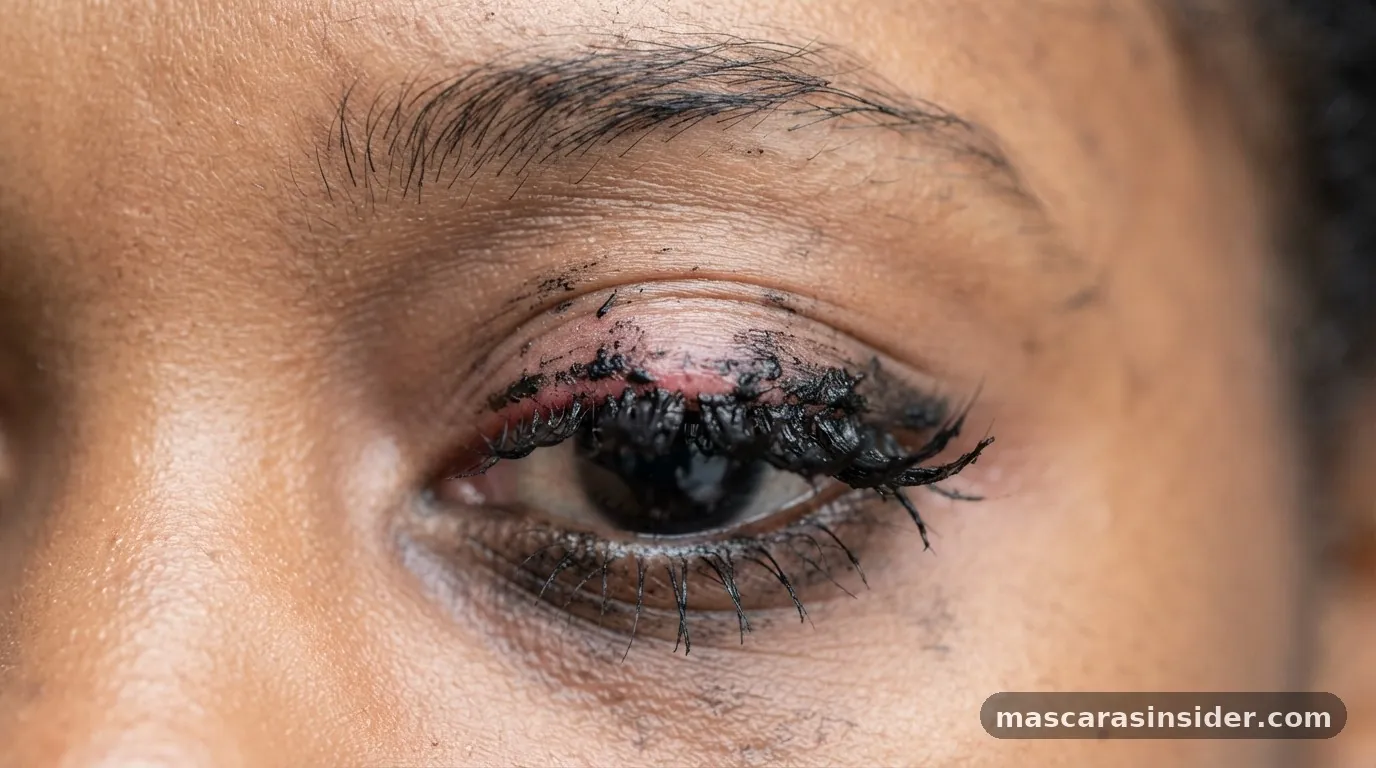
If you have ever found yourself staring at a pair of false eyelashes in the mirror only to realize your tube of adhesive is dried up or missing, you have likely wondered: can I use mascara as eyelash glue? It is a common dilemma, especially when you are rushing to get ready for an event or a night out. While the idea of using a product you already have on hand seems like a convenient hack, the reality is far more complex and potentially damaging to your natural lashes.
Mascara is formulated to coat and darken your hair, not to act as a structural bond between your skin and a synthetic lash strip. Applying it in a way that attempts to “glue” lashes down is not just ineffective; it can lead to significant discomfort and hygiene issues around your eyes. Understanding the chemical differences between these products is essential for maintaining your eye health and ensuring your look stays intact throughout the day.
Why Mascara Fails as a Lash Adhesive
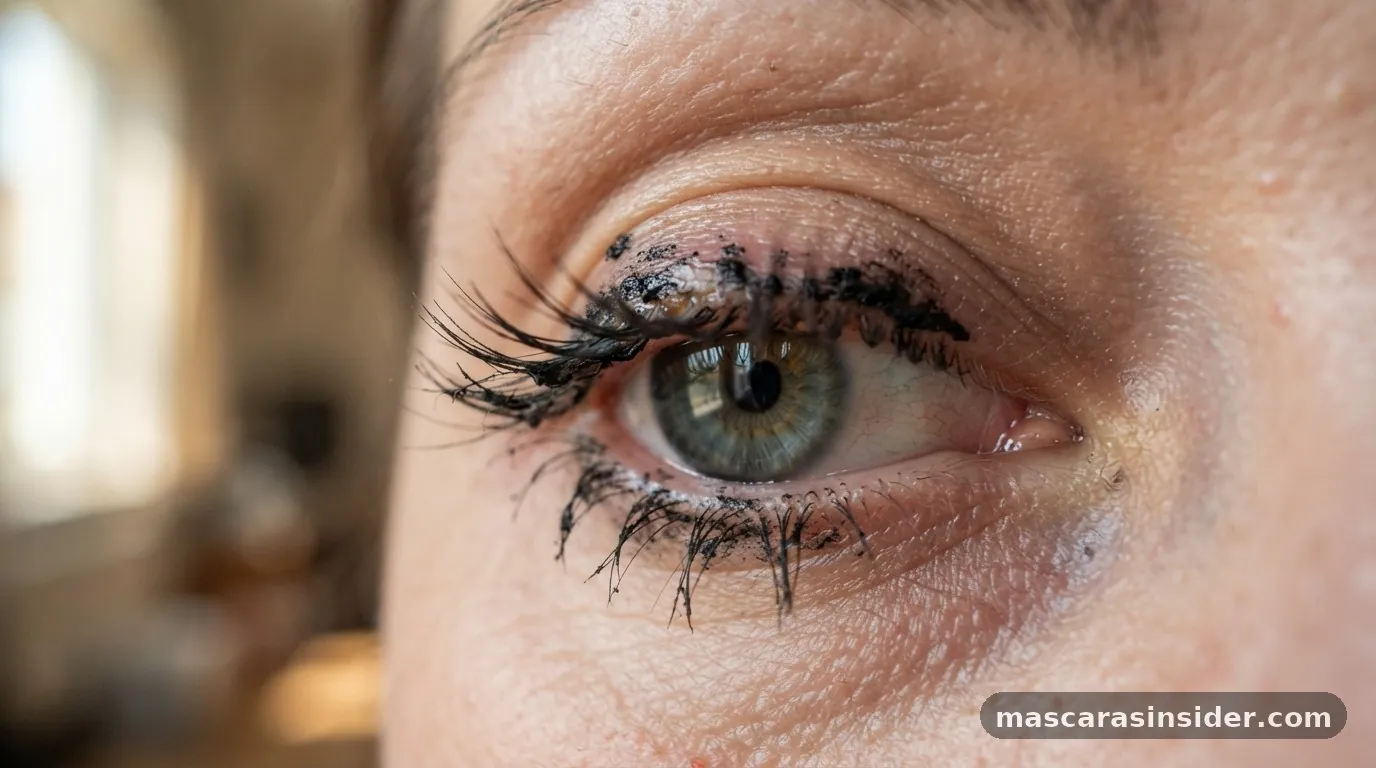
The primary reason you should not use mascara as a substitute for lash glue is that mascara lacks the chemical properties of an adhesive. Mascara is designed to be flexible and removable with gentle cleansing, whereas eyelash adhesive is specifically engineered to create a temporary, water-resistant bond between the lash band and your eyelid.
When you apply mascara to your lash line in an attempt to stick on falsies, you are essentially creating a layer of wax, pigments, and polymers that never fully sets into a hard bond. Because mascara remains semi-malleable, the weight of the fake lashes will quickly cause the strip to slide, lift, or peel away from your eyelid. This leads to a messy finish where your eyeliner might smudge and your lashes appear uneven or drooping.
Furthermore, mascara is not formulated to support the physical weight of strip lashes. These lashes are often heavier than your natural hair, and they require a specialized polymer base to anchor them firmly.
Relying on mascara results in a weak hold that is susceptible to humidity, sweat, and blinking. You will likely find yourself constantly pressing the strips back down, which only introduces more bacteria to your lash line and risks pulling out your own hair in the process.
The Risks of Using Mascara Near Your Eyes
Beyond the lack of adhesion, there are significant health risks associated with using eye makeup in ways it was not intended. Your eyes are incredibly sensitive, and the skin around your lids is the thinnest on your body. Introducing products that are meant for hair shafts directly onto your delicate lash line can be problematic.
1. Irritation and inflammation: Mascara often contains preservatives and fragrances that are safe for lashes but can cause contact dermatitis or irritation when trapped against the sensitive skin of the eyelid for long periods.
2. Bacterial growth: Mascara tubes are prone to harboring bacteria, especially if they have been open for a while.
By using a wand to paint mascara onto your lid, you are creating an environment for potential infections like styes or conjunctivitis.
3. Clogged follicles: The ingredients in mascara are meant to be removed easily. When used as a glue, you are essentially “cementing” your hair follicles with a thick, waxy substance that can block natural oil production, potentially leading to sties or weakened hair growth.
4.
Damage to natural lashes: When you try to remove lashes that were stuck on with mascara, you often end up pulling on your own hair. Because the mascara might have dried into a crusty, sticky mess, it can cause your natural strands to snap or fall out prematurely.
Comparing Lash Adhesive and Mascara Properties
To understand why these products are not interchangeable, it helps to look at their specific functions. The following table highlights the critical differences between the two.
| Feature | Eyelash Adhesive | Mascara |
|---|---|---|
| Primary Function | Bonding synthetic hair to skin | Coating and darkening natural hair |
| Setting Time | Fast-tacky to dry | Remains flexible/soft |
| Ingredients | Latex, acrylic polymers, or cyanoacrylate | Waxes, pigments, oils, and film-formers |
| Water Resistance | High (designed for sweat/tears) | Variable (often smudges when wet) |
As you can see, the chemical composition is vastly different. While mascara is designed to be oil-free or wax-based to provide volume, an adhesive uses specific chemicals to create a seal that withstands daily movement. If you find yourself without glue, trying to force a product like mascara to work will only yield disappointing results that detract from your overall aesthetic.
Safe Alternatives to Proper Lash Glue
If you find yourself in a situation where you don’t have access to professional-grade glue, it is better to skip the falsies entirely than to risk your eye health with dangerous substitutes. However, there are a few safer ways to enhance your look without relying on improper products.
* Focus on layering mascara: Instead of trying to add strip lashes without glue, use a high-quality volumizing mascara. By wiggling the wand at the base of your lashes and pulling upward, you can mimic the density of falsies.
* Use a lash primer: A good primer can add thickness and length, providing a more dramatic effect that stands alone.
* Opt for eyeliner techniques: A well-executed cat-eye or a tight-lining technique can make your lash line look fuller and darker, providing a similar framing effect to wearing fake lashes.
* Consider magnetic lashes: If you frequently run out of glue, investing in a high-quality magnetic lash kit might be the best long-term solution. These use a magnetic liner to hold the lashes in place, eliminating the need for traditional adhesives entirely.
Always ensure that any product you use near your eyes is ophthalmologist-tested. According to the American Academy of Ophthalmology, maintaining strict hygiene with your beauty routine is the best way to prevent eye infections and long-term damage.
How to Properly Prepare Your Lashes
If you do have the correct adhesive, the best way to ensure your lashes stay on all day is through proper preparation. Many people struggle with lashes lifting simply because they did not clean their lids properly before applying the product. Even if you aren’t using mascara as glue, you should still remove all traces of oil and leftover makeup.
Start by using an oil-free cleanser to wipe your eyelid. Oils act as a barrier that prevents the adhesive from forming a strong bond with your skin. Once the area is clean and dry, measure your fake lashes against your eye.
If they are too long for your eyelid, trim the outer corner with small scissors. This prevents the band from poking your inner corner or lifting at the edges.
Next, apply a thin layer of adhesive to the band of the lash. Don’t put the glue directly on your eyelid. Wait about thirty seconds for the glue to become tacky.
This is a crucial step that many beginners skip. If the glue is too wet, it will slide around. If it is tacky, it will grip the skin immediately upon contact, allowing you to place it precisely where you want it.
The Importance of Proper Removal
Knowing how to remove your lashes is just as important as knowing how to apply them. Never pull on your lashes to rip them off, even if you used a proper adhesive.
This can cause significant breakage to your natural lashes. Instead, soak a cotton swab or a soft cloth in an oil-based makeup remover.
Gently press the remover against the lash band for about thirty seconds. This helps to break down the bond of the glue.
Once the adhesive has softened, the lash strip should slide off with zero resistance. If you feel any tugging, add more remover and wait a little longer.
After the lashes are removed, clean the band of the strip if you plan on reusing them. You can use tweezers to gently peel off the dried glue. By taking care of your falsies and respecting the sensitivity of your eyes, you ensure that you can continue to wear them without damaging your real hair or causing irritation.
Addressing Topical Gaps
One common question that arises is whether “sticky” mascara formulas, like those that are waterproof or fiber-based, might be an exception to the rule. While these formulas may feel tackier, they are still not designed for skin adhesion.
Waterproof mascara contains solvents that are specifically intended to be dissolved by oil-based cleansers. If you apply this to your skin, you are essentially creating a barrier that will eventually break down due to your skin’s natural oils, causing the lashes to fall off at the worst possible time.
Another gap in common knowledge involves the use of hair glue or craft glue as a substitute. Never, under any circumstances, use these products.
They contain harsh chemicals like formaldehyde or cyanoacrylate (the base of super glue), which can cause severe burns, allergic reactions, or even permanent damage to your cornea if they accidentally run into your eye. Stick strictly to adhesives labeled for use on skin and specifically for eyelash extensions or strip lashes.
Frequently Asked Questions
Can I use clear mascara to hold my lashes in place?
While clear mascara is less messy than black, it is still not an adhesive. It may hold your natural lashes in a curled position, but it lacks the chemical bond required to secure a strip of false lashes to your eyelid for any extended period.
What is the best way to make eyelash glue stick better?
The most effective way is to let the glue sit on the lash band for 30 to 60 seconds until it becomes tacky. Additionally, ensure your eyelid is completely free of oils or skincare products, as these prevent the adhesive from bonding properly to the skin.
Is it safe to use eyelash glue on my skin every day?
Yes, provided you are using a high-quality, latex-free or hypoallergenic adhesive. Ensure you remove the glue thoroughly every night using an oil-based makeup remover to prevent buildup, which can clog hair follicles and cause irritation or potential infection over time.
What should I do if I accidentally get mascara in my eye?
If you get mascara in your eye, flush it immediately with clean, lukewarm water or a sterile saline solution. Do not rub your eye, as the pigment and wax can scratch the cornea. If irritation or redness persists, consult an eye care professional right away.