
Dealing with raccoon eyes by midday is a common frustration for anyone who loves a defined lash look. Whether you are battling oily eyelids, the effects of high humidity, or simply a formula that cannot handle your daily routine, learning how to prevent mascara from smudging is essential for a polished appearance. By adjusting your prep work, choosing the right products, and perfecting your application technique, you can keep your lashes looking fresh from morning until night without the constant need for a touch-up.
Understanding Why Mascara Smudges on Your Skin
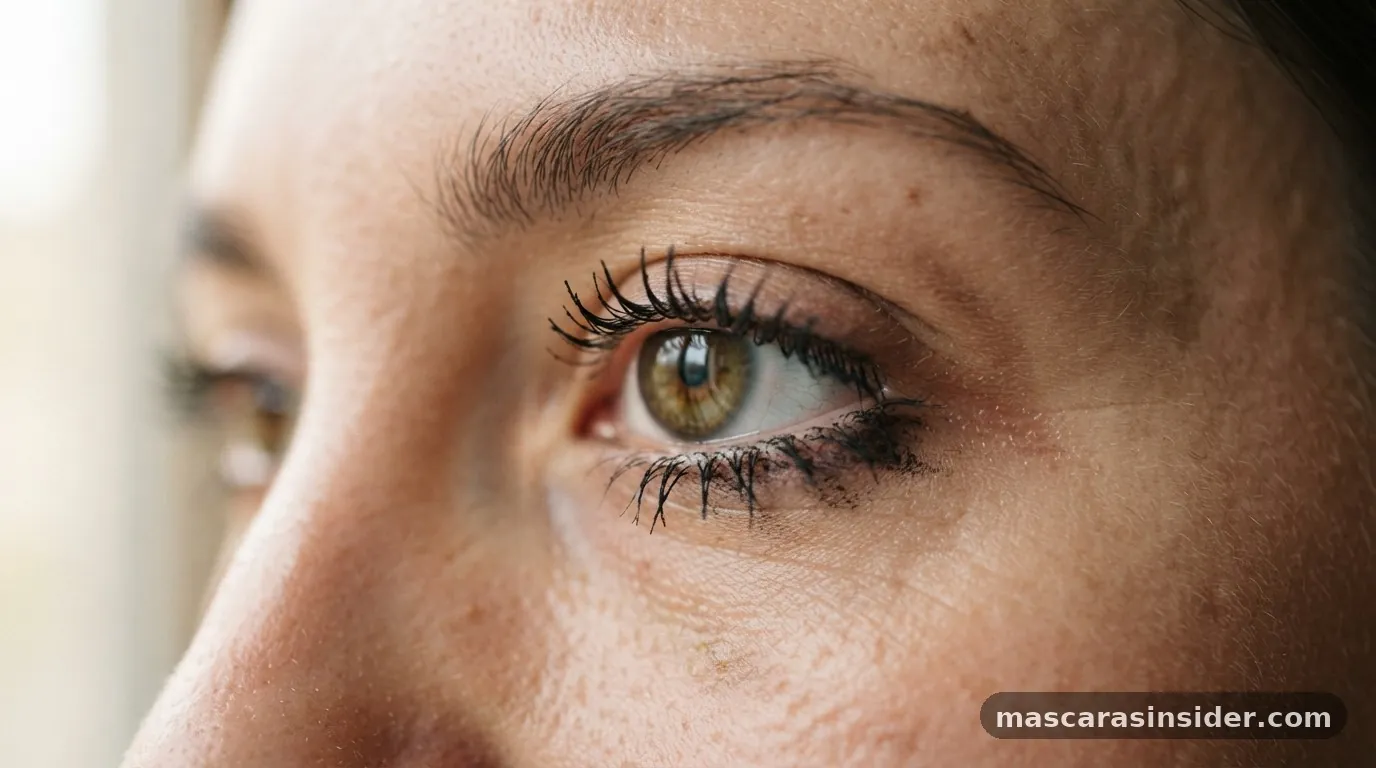
Mascara smudging is primarily caused by the interaction between the product’s ingredients and the natural sebum produced by your skin. When your eyelids are naturally oily, that oil acts as a solvent for many standard formulas, breaking down the waxes and pigments as the day progresses. This process is accelerated by heat and moisture, which soften the makeup and cause it to migrate from your lashes onto the delicate skin of your lower lash line.
If you have hooded eyes, the friction between your upper lid and your brow bone can also physically push the product onto your skin every time you blink. This mechanical transfer is often mistaken for a faulty product, but it is actually a structural issue related to your eye shape. Additionally, if you apply an oil-based moisturizer or a heavy eye cream too close to your lash line, you are essentially creating a slippery surface that makes it impossible for even the best formulas to grip.
The Role of Eyelid Prep and Priming
The most effective way to stop smudging is to create a dry, stable base before you even open your mascara tube. You should start by ensuring your eye area is clean and free of residual skincare products.
If you use an eye cream, give it at least five to ten minutes to fully absorb into your skin before you begin your makeup application. If the cream feels tacky, it will inevitably migrate into your lashes.
Using an eyelid primer is a game-changer for those with oily skin. Primers are formulated to grip makeup and prevent oils from breaking through. Apply a thin layer across your lids and extend it slightly below your lower lashes.
After the primer has set, follow up with a light dusting of translucent powder. This step absorbs excess oils throughout the day, creating a barrier that keeps your makeup locked in place. Using a powder puff to press the powder into the skin ensures a more durable finish than using a fluffy brush, which might just move the product around.
Selecting the Right Formula for Your Lashes
Not all mascaras are created equal, and your choice of product should depend on your specific skin type and environment. If you struggle with constant smudging, you might need to switch to a waterproof mascara.
These formulas are designed to resist moisture and sweat, making them highly effective in humid conditions. However, they can be difficult to remove and may dry out your lashes if used daily.
A superior alternative for many people is tubing mascara. Unlike traditional formulas that coat your lashes with pigment, these contain polymers that wrap around each individual hair like a tiny tube.
Because they do not dissolve in oil or sweat, they are incredibly smudge-resistant. They only come off when you use warm water and gentle pressure, which makes them perfect for people who deal with oily lids but want an easy makeup removal process.
| Mascara Type | Best For | Removal Method |
|---|---|---|
| Waterproof | High humidity, swimming, sweat | Oil-based cleanser |
| Tubing | Oily eyelids, sensitive eyes | Warm water and gentle pressure |
| Standard | Dry skin, short-term wear | Micellar water |
Techniques for Flawless Application
How you apply your mascara can determine whether it stays on your lashes or ends up under your eyes. One common mistake is applying too much product, which leads to clumping and heaviness. When lashes are weighed down by excess product, they are more likely to touch the skin beneath your eye, leading to inevitable smudges.
1. Start by using a lash curler before applying any product. Lifting your lashes helps keep them away from your skin.
2.
Wipe the excess mascara off the wand onto a tissue before touching your lashes; this prevents heavy, wet coats.
3. Focus the bulk of the product at the base of the lashes and use a light hand toward the tips.
4.
Consider using an eyelash primer to thicken and lengthen your lashes without needing extra layers of dark pigment.
5. Avoid applying mascara to the very tips of your lower lashes if you know you are prone to smudging.
If you find that your lashes are naturally very long and touch your skin, you might want to skip lower lash mascara entirely or use a clear long-wear formula instead. This provides definition without the risk of dark pigment transfer. You can find more detailed advice on eye health and makeup safety at the American Academy of Ophthalmology.
Setting Your Under-Eye Area
Even if your mascara is high-quality, the area beneath your eyes needs to be locked down to prevent transfer. Baking your concealer is a popular technique for a reason: it sets liquid products into a dry, matte finish that resists movement. After applying your concealer, use a damp beauty sponge to press a generous amount of setting powder into the area. Let it sit for a minute, then dust away the excess with a soft brush.
If you prefer a more natural look, you can skip the baking and simply use a light dusting of powder. The goal is to ensure that the skin where your lashes might touch is not tacky or oily.
You can also use a setting spray to lock in your entire look. When using setting spray, make sure to close your eyes tightly and spray from a distance to ensure a fine mist, which prevents the moisture from actually causing the mascara to run.
Solving Topical Gaps: Why Some People Still Experience Smudging
Many people ask why their mascara smudges even after they have tried primers and powders. The answer often lies in the specific anatomy of the eye. If you have deep-set or hooded eyes, the contact between the skin and the lashes is constant.
In these cases, no amount of powder will stop the physical transfer if the mascara is too wet or voluminous. The solution here is to use a waterproof or tubing formula exclusively, as these dry down completely and do not remain flexible enough to transfer onto the skin during a blink.
Another common issue is the type of skincare used around the eyes. Many people use heavy, emollient-rich balms to combat fine lines. These products are designed to stay on the skin surface, meaning they never fully dry.
If you use these, your mascara will always have a medium to dissolve into. If you must use a heavy cream at night, ensure it is fully washed off in the morning, and use only a lightweight, gel-based serum during the day.
FAQ Section
Why does my mascara keep smudging under my eyes?
It is usually due to the interaction between your skin’s natural oils and the mascara formula. If your eyelids are oily, they break down the waxes in the mascara. Additionally, eye shape, such as hooded lids, can cause physical transfer of product onto the skin.
Will setting spray prevent mascara from smudging?
Setting spray can help lock in your overall makeup, but it is not a primary fix for mascara smudging. If the spray is too wet, it might actually contribute to the problem. It is more effective to focus on using a smudge-proof mascara formula and setting the under-eye area.
What can I put under my eyes so mascara doesn’t smudge?
You should use a high-quality eyelid primer or a dusting of translucent powder. These products absorb excess sebum and create a dry barrier. Ensure that any moisturizer or concealer applied to the area is fully set and dry before you begin your mascara application.
How do I remove tubing mascara effectively?
Tubing mascara is designed to be removed with warm water and gentle, steady pressure. You do not need harsh rubbing or oil-based cleansers. Simply soak your lashes with warm water, and the tubes will slide off the lash hairs without leaving any black residue behind.