
Knowing how often change mascara is one of the most critical aspects of maintaining ocular health. Most makeup enthusiasts focus on the aesthetic results of their lash products—the volume, the length, and the dramatic curl—without considering the biological reality of what happens inside that dark, airtight tube.
When you pull the wand out and push it back in, you are essentially introducing a microscopic ecosystem of air and debris into a liquid environment. Because your eyes are incredibly sensitive and prone to irritation, adhering to a strict replacement schedule is not just a recommendation; it is a necessity for your long-term well-being.
The Three-Month Rule for Mascara Replacement
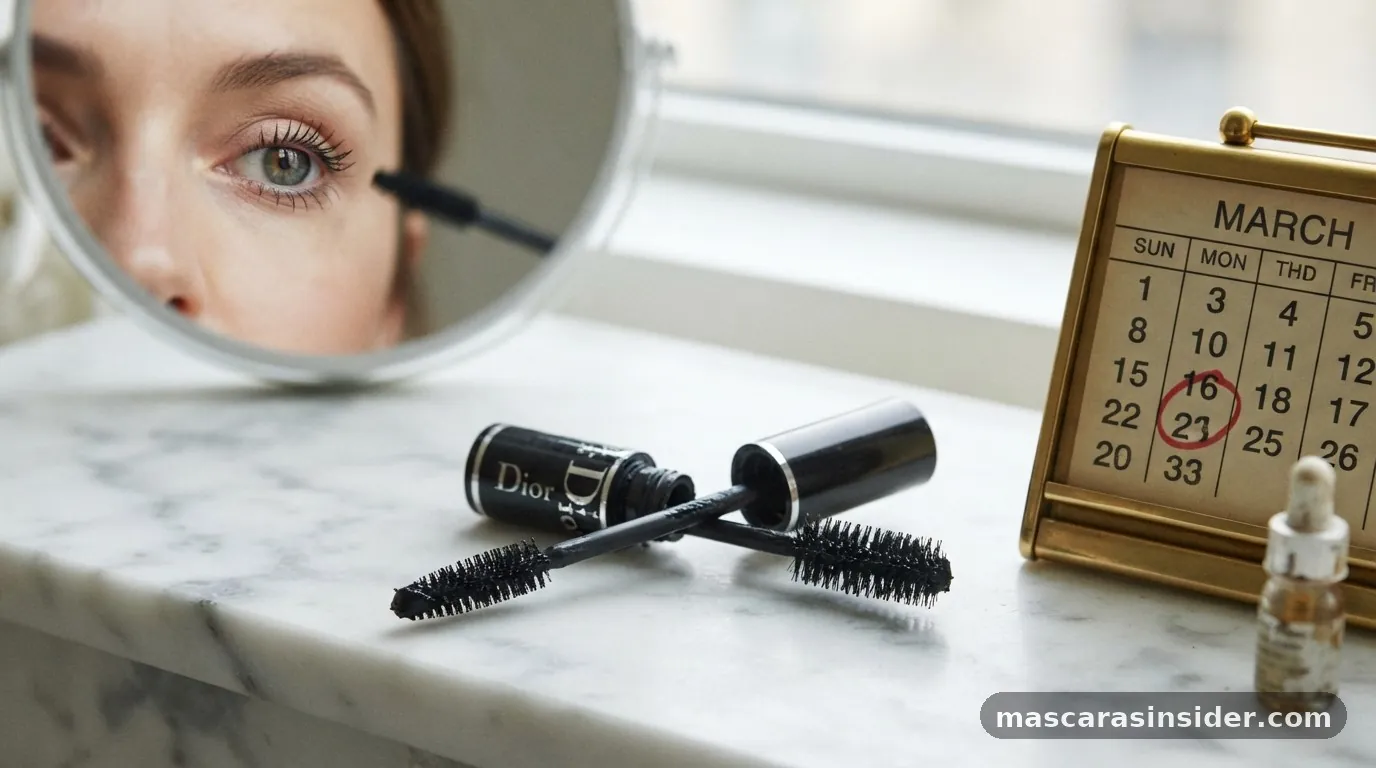
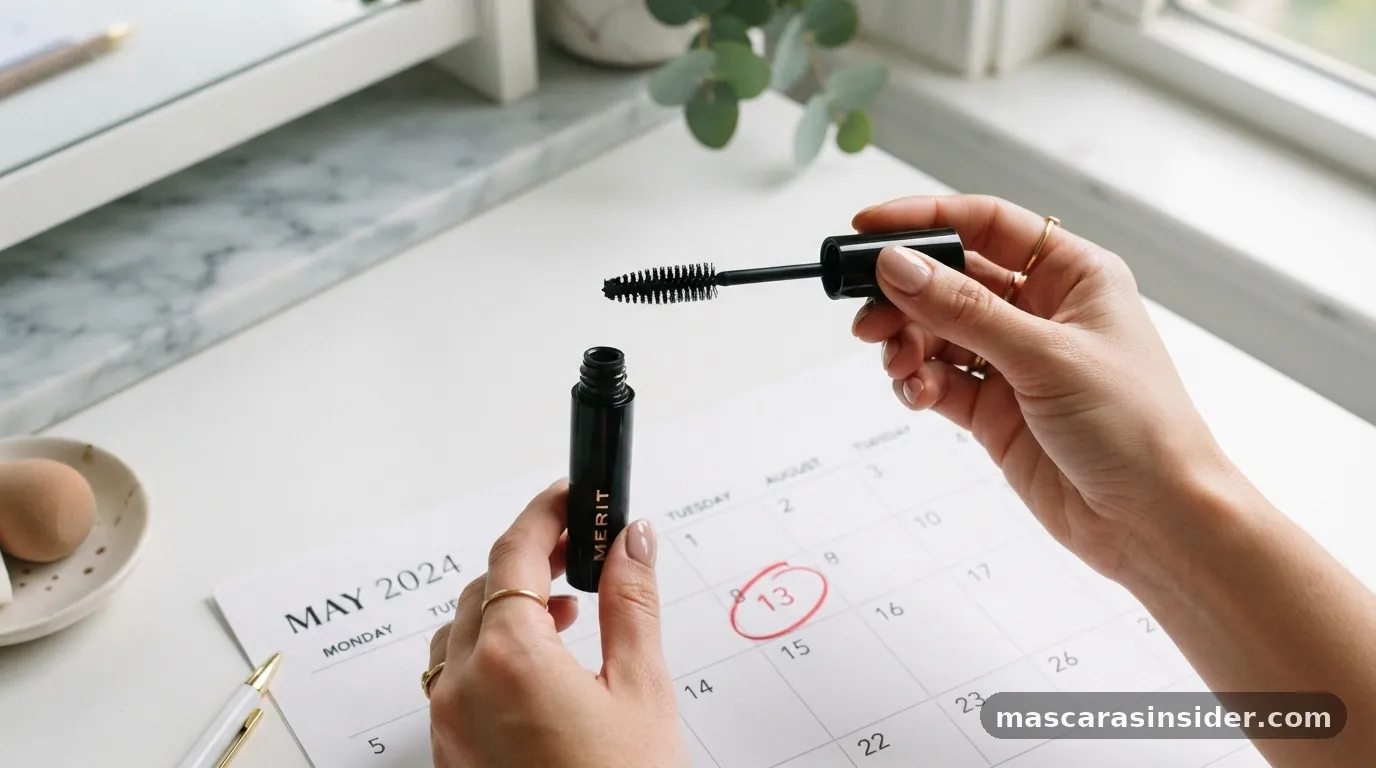
The general consensus among dermatologists and makeup professionals is that you should replace mascara every three months. This timeframe is not arbitrary; it is based on the speed at which bacteria multiply within the wet, dark environment of the tube mascara.
Once a product is opened, the seal is broken, and the shelf life begins to diminish rapidly. While some high-end products contain preservatives designed to keep the formula stable for longer, these ingredients eventually break down, leaving your eyes vulnerable to contamination.
Many people find it difficult to discard a product that still seems to have plenty of liquid left. It feels wasteful to throw away a tube that is only half-empty. However, you must weigh the cost of a new tube against the potential discomfort and medical expenses associated with eye infections.
Bacterial buildup is often invisible to the naked eye, meaning you cannot rely on the smell or the texture to tell you when it’s gone bad. By the time you notice an unpleasant odor or a change in consistency, the product has likely been hosting a colony of microbes for weeks. Setting a reminder on your phone for three months after your first use is a simple, effective way to stay compliant with this safety standard.
Why Bacteria Love Your Mascara Tube
The anatomy of a mascara tube is perfectly suited for bacterial growth. It is a closed, damp, and dark environment that lacks the oxygen necessary to inhibit the growth of many harmful microorganisms. Every time you perform an application, you are exposing the wand to the air and the skin around your eyes, which naturally carries oils, dead skin cells, and microscopic dust.
When you slide the wand back inside, you introduce these contaminants directly into the product. Over time, these foreign particles accumulate, turning your makeup into a breeding ground for pathogens.
The risk is amplified if you have a habit of “pumping” the wand to get more product. This motion forces extra air into the tube, which accelerates the oxidation of the ingredients and dries out the formula faster. As the formula begins to dry, it becomes clumpy and less effective, but more importantly, the introduction of excess oxygen can interfere with the efficacy of the preservatives meant to keep the liquid sterile.
Keeping the wand clean and avoiding the pump motion are two ways to extend the life of your product, but neither will fully prevent the eventual colonization of bacteria. According to the U.S. Food and Drug Administration, maintaining eye safety requires strict adherence to usage guidelines for all eye-area cosmetics.
Signs It Is Time to Discard Your Product
Even if you haven’t hit the three-month mark yet, there are specific signs that indicate it’s time to stop using your current tube. If you notice any of these indicators, you should discard the product immediately, regardless of when you bought it. Ignoring these warnings is a primary cause of avoidable eye irritation.
- The product has developed a strange or pungent odor that wasn’t there when you first opened it.
- The texture has become thick, clumpy, or stringy, making it difficult to coat your lash evenly.
- You experience any redness, itching, or persistent watery eyes after using the product.
- The liquid has separated, and no amount of shaking seems to restore its original consistency.
- You have recently suffered from a stye, conjunctivitis, or any other eye infection.
If you have experienced an eye infection, it is vital to throw away all eye makeup you were using at the time. Reusing a contaminated wand will almost certainly lead to a recurrence of the infection.
While it is tempting to try and sanitize your wands, the reality is that most home-sanitization methods are ineffective at killing the resilient bacteria that thrive in cosmetic formulations. It is always better to be safe and replace the item entirely.
Comparing Replacement Schedules for Eye Makeup
Not all makeup products have the same lifespan. While mascara has one of the shortest life cycles due to its liquid, high-moisture content, other products can last significantly longer. Understanding the differences helps you manage your vanity and ensures that you aren’t holding onto expired items that could cause harm.
| Product Type | Recommended Lifespan | Key Risk Factor |
|---|---|---|
| Mascara | 3 Months | Bacterial contamination |
| Liquid Eyeliner | 3-6 Months | Dryness and bacteria |
| Cream Eyeshadow | 6 Months | Mold and yeast growth |
| Powder Eyeshadow | 1-2 Years | Cracking and oil buildup |
| Pencil Eyeliner | 1-2 Years | Dirt accumulation on tip |
As shown in the table, the liquid nature of the product is the primary driver for a shorter lifespan. Products like powder eyeshadow are much more stable because they lack the moisture that bacteria need to thrive.
When you are replacing mascara, consider it the most urgent task in your beauty routine. Other items can be monitored with less frequency, but mascara is the one product you should never push to its limit.
Best Practices for Application and Hygiene
Beyond just knowing how often change mascara, your daily habits play a major role in how long your product stays safe. The way you apply your makeup can either protect the integrity of your tube or speed up its expiration.
One of the most important habits to adopt is never sharing your mascara with anyone else. Even if you trust your friends, their eyes carry a different microbiome than yours, and transferring bacteria between people is a quick way to spread infections like pink eye.
Another essential practice is to ensure your eyes are clean before you start your routine. If you have residual makeup or natural oils on your lashes, these substances get picked up by the wand and deposited back into the tube. Think of the mascara tube as a pristine environment; anything you introduce from your skin becomes part of that environment for the next three months.
Furthermore, always ensure that the cap is screwed on tightly after each use. A loose cap allows air to seep in, which dries out the formula and invites airborne contaminants. If you find your product drying out before the three-month mark, it might be due to the cap not being fully secured, or it could be a sign that the formula is naturally sensitive to your specific climate.
Addressing Common Misconceptions and Gaps
There is a common belief that expensive, high-end mascaras last longer than drugstore options. This is a myth. The price of a product is usually tied to the quality of the pigments, the design of the brush, and the marketing budget, not the strength of the preservatives.
In fact, some “natural” or “organic” brands might actually have a shorter shelf life because they lack the heavy-duty synthetic preservatives that keep bacteria at bay. Regardless of whether your tube cost five dollars or fifty, the three-month rule remains the gold standard for safety.
Another gap in common knowledge involves the use of “mascara refreshers” or adding water to a dry tube. Never do this. Adding water or other liquids to your mascara does not restore its quality; instead, it dilutes the preservatives, making the formula an even more welcoming home for bacteria.
If your product is dry, it is simply old or damaged, and no amount of tampering will make it safe or effective again. Respect the expiration date, and treat your eyes with the care they deserve by starting fresh with a new tube when the time comes.
The Impact of Old Mascara on Lash Health
Using a product past its prime doesn’t just put you at risk for infection; it can also affect the structural health of your lashes. When a formula dries out, it becomes brittle.
Applying dry, clumpy mascara can cause your lashes to stick together, making them more prone to breakage when you eventually try to remove the product. Over time, this mechanical stress can lead to thinner-looking lashes.
Furthermore, the buildup of old, dried-out product at the base of your lashes can clog the hair follicles. Just as you need to exfoliate your skin, your lash line needs to be free of debris to remain healthy. If you are constantly applying old, crusty layers of makeup, you are creating a barrier that prevents your lashes from staying clean.
This can lead to irritation of the eyelid margin, a condition known as blepharitis, which causes redness, swelling, and crusting. By adhering to the three-month replacement schedule, you ensure that you are always using a smooth, fresh formula that coats your lashes gently without causing unnecessary damage or follicle blockage.
Strategic Habits for a Cleaner Routine
To keep your makeup routine as hygienic as possible, consider adopting a few strategic habits that go beyond the basic replacement timeline. First, keep a permanent marker or a small sticker on the bottom of your new tube to mark the date of first use. It is easy to lose track of time in the busy pace of daily life, and having a visual reminder helps you stay on track.
Second, if you are a heavy makeup user, you might find that your mascara runs out before the three-month mark. In this case, there is no need to stretch it out. Once it stops performing well, it is time to move on to a new one.
Conversely, if you only wear makeup occasionally, do not assume the tube is safe just because there is plenty of product left. The clock starts the moment you open the seal, not the moment you start using it every day.
Lastly, consider the storage of your makeup. Many people keep their cosmetics in the bathroom, but the humidity from showers and the fluctuation in temperature can degrade the formula faster.
A cool, dry drawer in your bedroom is a much better environment for your beauty products. By controlling the environment, you protect the integrity of the preservatives, ensuring that your mascara remains as safe as possible for its entire three-month lifespan.
Frequently Asked Questions
Is it really necessary to throw away mascara after three months if it still looks full?
Yes, it is necessary. The three-month rule is based on the accumulation of bacteria and the degradation of preservatives inside the tube. Even if the product looks and feels full, it has likely become a breeding ground for microorganisms that can cause serious eye infections.
Can I use my mascara longer if I clean the wand with alcohol?
No, cleaning the wand is not sufficient. While it might remove surface debris, it does not sanitize the formula inside the tube. The bacteria are already living within the liquid itself, so cleaning the wand does not fix the underlying issue of product contamination.
Does using waterproof mascara change how often I need to replace it?
No, the replacement schedule for waterproof mascara is the same. Even though waterproof formulas are more resistant to moisture, they still contain ingredients that break down over time and are just as susceptible to bacterial growth as regular formulas once the tube is opened.
What should I do if I accidentally use my mascara after an eye infection?
If you used your mascara while you had an eye infection, you must discard it immediately. The wand has been contaminated with the bacteria or virus that caused the infection, and continuing to use it will likely cause the infection to return or spread to the other eye.