
Finding out what is a good mascara depends entirely on the unique shape of your eyes, the texture of your natural hair, and the specific aesthetic you want to achieve. A high-quality product does more than just darken your fringe; it lifts, separates, and holds a curl throughout the day without flaking or smudging. The beauty industry is saturated with thousands of options, ranging from drugstore staples to luxury cult favorites, which makes the selection process feel overwhelming for even the most seasoned makeup enthusiasts.
Understanding the Core Components of Quality Mascara
A good mascara is defined by the synergy between its chemical composition and its mechanical applicator. The formula must strike a delicate balance between viscosity and drying time.
If a liquid is too thin, it will inevitably migrate onto your eyelids or cheeks; if it is too thick, it will clump during the application process. High-end products typically utilize a blend of waxes, oils, and polymers designed to coat each individual hair from root to tip.
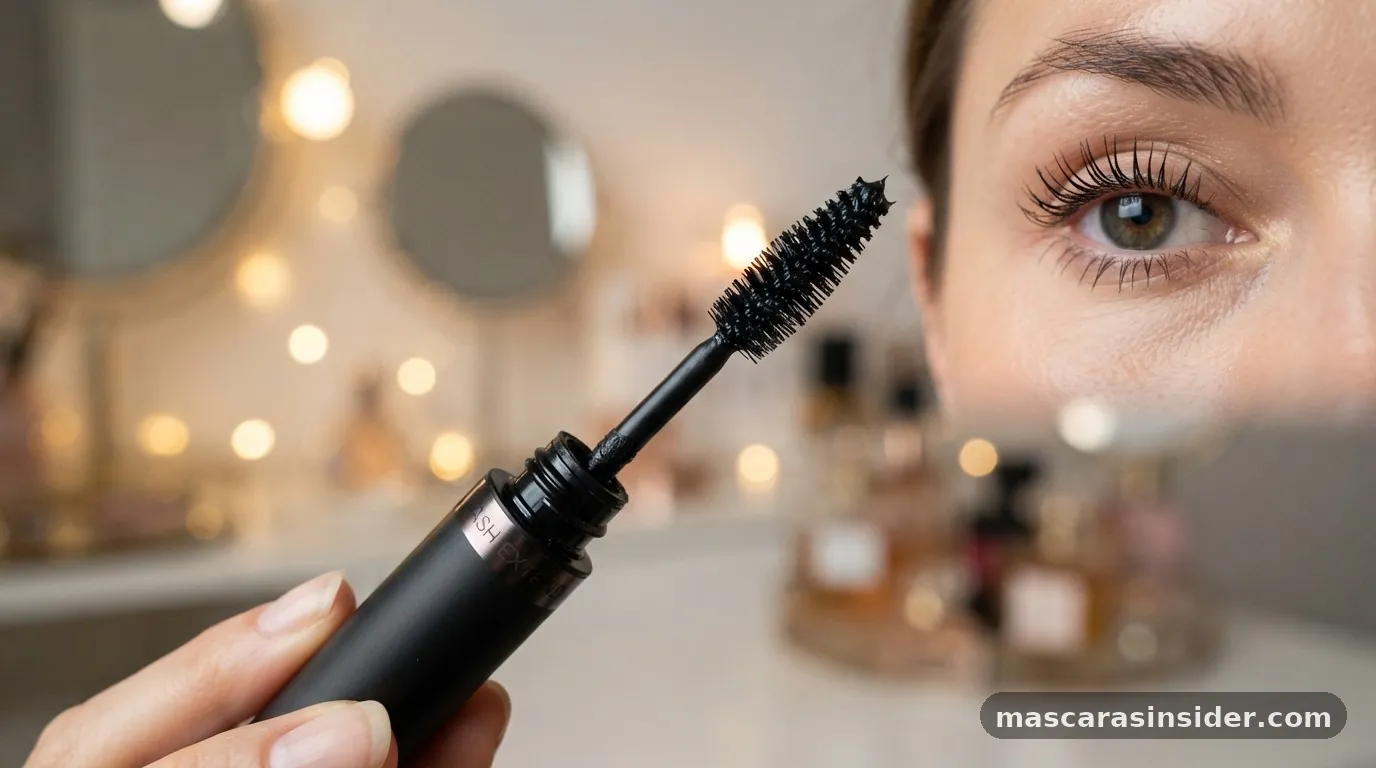
The brush—or wand—is arguably just as important as the liquid itself. Synthetic bristles often provide more precision and separation, while natural fiber brushes are frequently used for heavy-duty volumizing mascara applications. When you are looking for a product that performs well, observe the spacing of the bristles.
Tighter, denser bristles are excellent for building thickness, while wider-spaced, rubberized teeth are superior for combing through lashes to prevent the dreaded “spider leg” look. A quality wand should pull enough product to coat the hair but not so much that it creates a gloopy mess.
Furthermore, the longevity of the makeup is a critical metric. A superior choice stays put through humidity, sweat, and blinking.
You should look for ingredients that offer flexibility; brittle, dry formulas are the primary cause of flaking, which can irritate sensitive eyes. When you find a wand that fits your eye anatomy and a liquid that maintains its texture from morning until night, you have found a winner.
The Difference Between Lengthening and Volumizing Formulas
Defining what is a good mascara often comes down to your primary goal: do you want more length or more volume? These two categories serve different purposes and contain distinct chemical structures.
A lengthening mascara typically contains nylon or rayon fibers that adhere to the tips of your natural hair, effectively extending their reach. These are perfect for individuals with shorter, stubby growth who want a dramatic, fanned-out appearance.
In contrast, a volumizing mascara focuses on building thickness and density. These formulas are usually thicker and contain more waxes that build up around the shaft of the lash.
This creates the illusion of a fuller, more lush fringe. Many modern brands have developed hybrid formulas that attempt to do both, but often, one attribute is prioritized over the other.
1. Lengthening formulas often use polymers that stretch as they dry.
2.
Volumizing formulas rely on high concentrations of pigment and wax.
3. Hybrid mascaras balance these ingredients but may require more care during application to avoid clumps.
If you are unsure where to start, consider your natural hair density. If you have plenty of hair but it lacks reach, prioritize lengthening.
If your lashes are sparse but long enough, prioritize volume. There is no singular “best” choice, only the one that addresses the specific gap in your current routine.
The Rise of Tubing Mascara Technology
One of the most significant advancements in eye makeup is the development of tubing mascara. Unlike traditional formulas that coat the hair in wax and pigment, tubing technology uses polymers that wrap around each individual lash like a tiny sleeve or tube. This is a game-changer for people with oily skin or those who struggle with constant smudging, as these tubes are water-resistant and do not dissolve under the influence of natural skin oils.
The primary benefit of this technology is the removal process. Because the tubes are not dissolved by oil-based cleansers, they slide off easily with warm water and gentle pressure.
This prevents the harsh rubbing that often leads to lash breakage and irritation. If you have sensitive eyes or wear contact lenses, a tubing formula is often considered the gold standard for comfort and cleanliness.
While they are excellent for daily wear, tubing formulas may not provide the same level of intense, dramatic volume as some traditional wax-based mascaras. They tend to offer a cleaner, more defined look.
If you desire a “my lashes but better” aesthetic, this category is likely your best bet. Always check the label if you are unsure, as many brands are now explicitly labeling their products as “tubing” to help consumers identify them on the shelf.
Navigating the World of Waterproof Options
A waterproof mascara is a necessity for special occasions, humid climates, or long workdays. These formulas are designed to be hydrophobic, meaning they repel water rather than dissolving in it. To achieve this, they utilize volatile solvents and specific types of synthetic waxes that create an impenetrable barrier against moisture.
However, the strength of a waterproof formula is also its main drawback. Because they are designed to resist water, they are notoriously difficult to remove.
You must use an oil-based makeup remover or a dedicated cleansing balm to break down the bond effectively. Failing to remove these products properly can lead to clogged follicles and brittle hair, which eventually causes premature shedding.
For those who want the longevity of a waterproof product without the struggle of removal, many people opt for a “water-resistant” topcoat. This is a clear sealant that you apply over your regular, non-waterproof mascara.
It provides a protective layer that prevents smudging while keeping the underlying formula easier to take off at the end of the day. For more information on ingredients and ocular health, you can consult the American Academy of Ophthalmology regarding safe cosmetic practices.
Practical Tips for Applying Like a Pro
Knowing what is a good mascara is only half the battle; knowing how to use it is the other. The most common mistake people make is pumping the wand into the tube.
This action forces air inside, which dries out the formula significantly faster and introduces bacteria into the container. Instead, gently swirl the wand inside the tube to pick up the desired amount of product.
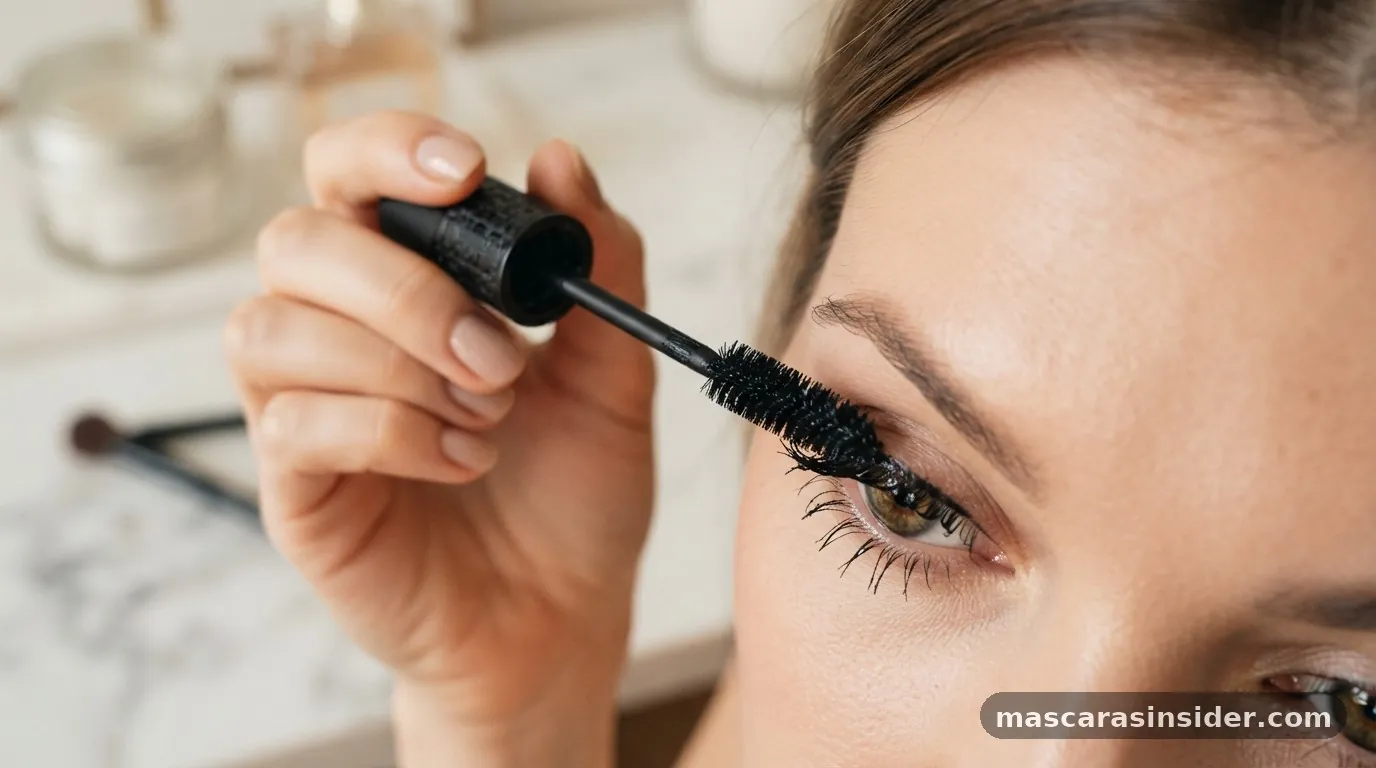
When applying, start at the very base of the lash line. Wiggle the wand side-to-side before pulling it upward through the tips. This technique ensures that the roots are coated, which provides the necessary structure to hold a curl and makes the fringe look thicker at the base.
If you want a more dramatic effect, wait about thirty seconds for the first coat to become tacky before applying a second one. Adding a second layer while the first is still completely wet often leads to clumping.
If you happen to get product on your eyelid, do not panic. Wait for it to dry completely before trying to remove it.
Once it is dry, you can easily flick it away with a clean, dry cotton swab. Trying to wipe it off while it is wet will only smear it across your makeup, potentially ruining your eyeshadow.
Addressing Topical Gaps and Common Misconceptions
Many consumers ask if high-priced luxury options are always better than drugstore finds. The truth is that the price tag does not always correlate to performance. Some of the most beloved products, such as the iconic Lash Paradise or various offerings from Maybelline, have remained bestsellers for years precisely because they perform as well as, or better than, high-end competitors.
Another gap in knowledge concerns the shelf life of these items. Because the eye area is prone to infection, you should replace your mascara every three months.
Even if the tube still feels full, the applicator collects bacteria every time it touches your eye and is returned to the tube. Using expired makeup is a common cause of eye irritation and styes.
Finally, consider your desired color. While blackest black is the most popular choice for creating a striking contrast, it is not the only option. Dark brown or plum shades can look much more natural on individuals with very fair skin or light-colored hair, providing definition without the harshness of an intense black pigment.
| Mascara Type | Best For | Removal Method |
|---|---|---|
| Volumizing | Sparse Lashes | Oil-based cleanser |
| Lengthening | Short Lashes | Any makeup remover |
| Tubing | Oily Skin/Smudging | Warm water |
| Waterproof | Humidity/Tears | Oil-based balm |
Frequently Asked Questions
4. How do I prevent my mascara from clumping during application?
To prevent clumps, always wipe excess product off the wand onto a tissue before application.
Work in thin layers, letting each coat dry slightly before adding more. Using a clean spoolie brush to comb through your lashes immediately after application can also remove any excess buildup.
5. Is it safe to use mascara every single day?
Yes, using mascara daily is safe provided you remove it thoroughly every night.
Leaving product on your lashes while you sleep can make them brittle and prone to breakage. Always ensure you are replacing your tube every three months to prevent bacterial growth and potential eye infections.
6. Can I use a lash curler after applying mascara?
No, you should never use a lash curler after applying mascara.
The product makes your lashes stiff and brittle; clamping a curler down on them can cause them to snap or pull out completely. Always curl your bare lashes first, then apply your chosen formula to lock in the shape.
7. What is the best way to remove waterproof mascara without damaging lashes?
The best way is to use an oil-based makeup remover or a cleansing balm. Apply the product to your lashes and let it sit for about thirty seconds to dissolve the wax bonds.
Gently massage the area, then rinse with warm water. Avoid pulling or tugging on your lashes.