
The question of whether or not you can share mascara is a common one, often arising when a friend forgets their makeup bag or you find yourself in a pinch before a big event. While it might seem like a harmless act of kindness to lend your favorite beauty product to a friend, the reality is far more concerning from a biological perspective.
Using someone else’s eye makeup introduces a significant risk of infection that can compromise your vision and the delicate skin around your eyes. Understanding why this practice is strongly discouraged requires a look at how bacteria thrive in liquid cosmetics and what happens when they make contact with your ocular surface.
The Biological Reality of Shared Cosmetics
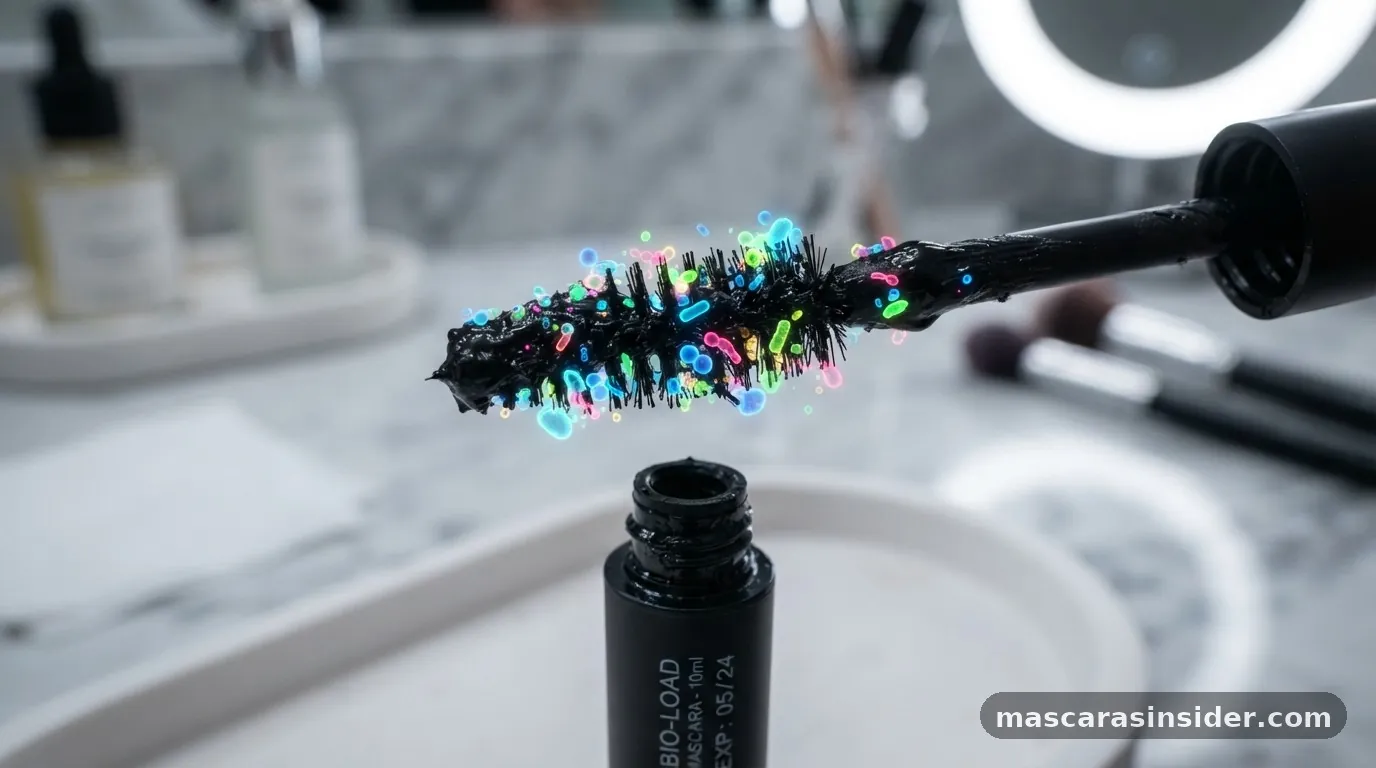
Can you share mascara? The short answer is no, because sharing mascara is one of the most effective ways to facilitate the transfer of harmful bacteria between individuals. Unlike powder-based makeup products, which are generally less hospitable to microbial growth, liquid formulas like mascara contain water and nutrients that act as a breeding ground for microorganisms.
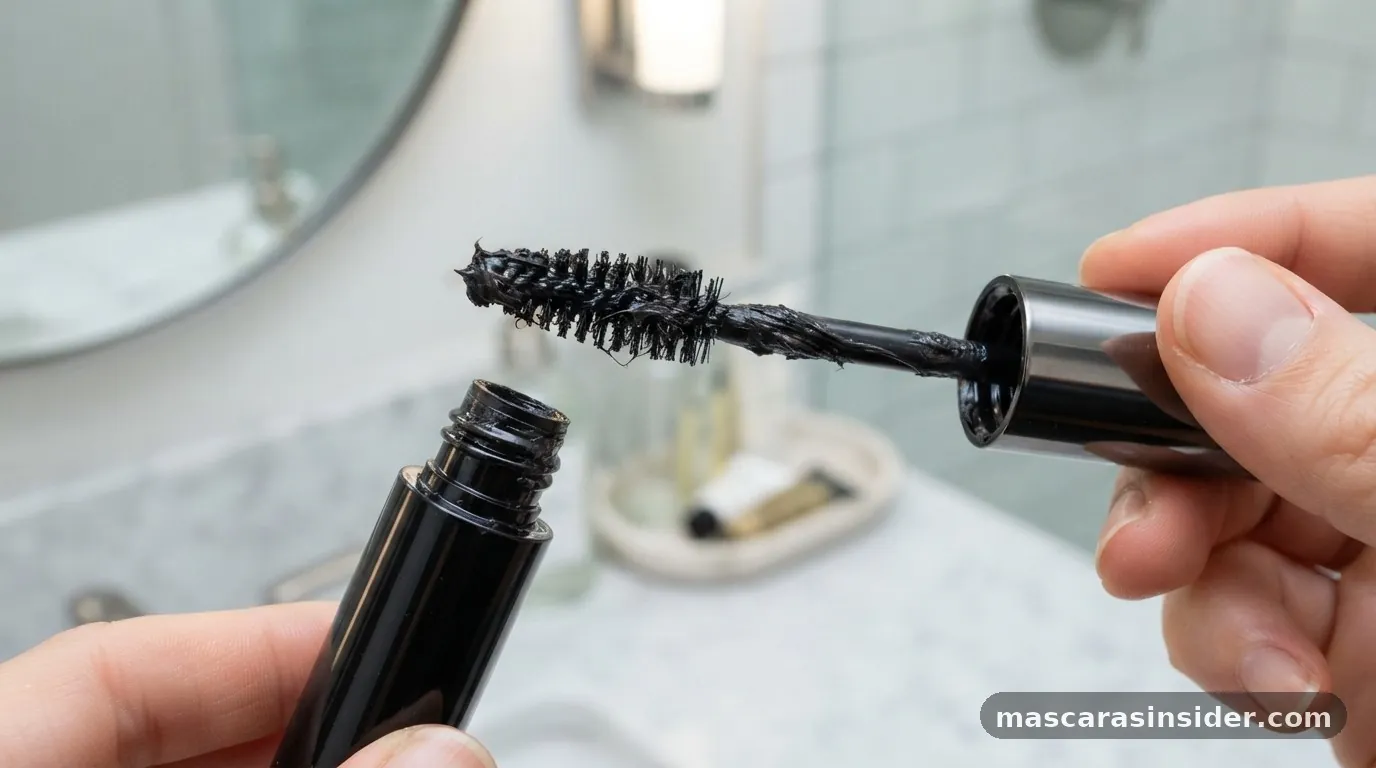
When you use an applicator brush on your own lashes, you inevitably pick up skin cells, oils, and bacteria that reside naturally on your eyelids. Once that brush is dipped back into the tube, those contaminants are introduced into the container, where they can multiply in the dark, moist environment.
When you allow a friend to use your mascara, you are essentially creating a direct bridge for their unique bacterial flora to enter your tube. If that person happens to have an active stye, pink eye, or even an asymptomatic case of conjunctivitis, the risk escalates immediately. The eye is a highly sensitive organ with a thin, porous mucous membrane that lacks the protective barrier properties of the skin on your hands or back.
Once pathogens are introduced, they don’t just sit on the surface; they can colonize the lash line, leading to localized inflammation or more severe ocular infections. This isn’t just a matter of “being clean”—it is a matter of biological safety that transcends personal hygiene habits.
Why Liquid Makeup Poses Higher Risks
Liquid makeup products are significantly more dangerous to share than their solid counterparts because of their chemical composition and delivery systems. Mascara specifically relies on a wand that enters and exits the tube repeatedly, which disrupts the preservative system within the formula.
Preservatives are added to cosmetics to prevent the growth of mold and bacteria, but these compounds have a finite lifespan and effectiveness. Every time you open your tube and use the brush, you expose the product to oxygen and external contaminants.
Consider the following table comparing different types of makeup and their relative risk levels when shared among friends:
| Makeup Category | Risk Level | Primary Contamination Factor |
|---|---|---|
| Mascara | High | Moist, closed environment for bacterial growth. |
| Eyeliner (Pencil) | Moderate | Can be sanitized by sharpening. |
| Eyeshadow (Powder) | Low | Dry environment inhibits microbial survival. |
| Lip Gloss/Stains | Moderate | Direct contact with saliva and oral mucosa. |
The mascara wand is the perfect delivery vehicle for infection. Because it is designed to coat individual hairs, it is textured and porous enough to harbor microscopic debris even after a casual wipe. If you share this tool, you are not just sharing the pigment; you are swapping your microbiome with another person.
While some people might argue that they have shared products for years without an issue, this is a matter of statistical luck rather than safety. Eventually, the introduction of a foreign pathogen—especially one to which your body has no current immunity—will cause a reaction.
Common Infections Linked to Shared Eye Makeup
The primary concern when you share mascara is the transmission of bacterial or viral conjunctivitis. This condition, often referred to as pink eye, causes the conjunctiva—the clear layer covering the white part of your eye—to become inflamed.
Symptoms include redness, itching, discharge, and a gritty feeling, as if there is sand in your eye. Because the eye is so close to the tear ducts and the nasal cavity, infections can travel quickly, sometimes leading to more systemic issues if left untreated.
Beyond standard pink eye, sharing makeup can lead to:
1. Styes: These are painful red bumps that form on the edge of the eyelid when an oil gland becomes infected with Staphylococcus bacteria.
2. Blepharitis: This involves chronic inflammation of the eyelids, often caused by bacterial colonization near the hair follicles.
3.
Corneal Abrasions: While not an infection, sharing a brush can lead to irritation if a foreign particle is transferred from one person’s eye to another’s, causing a scratch on the cornea.
4. Viral Keratitis: A more serious condition where the cornea becomes inflamed, which can lead to permanent vision damage if not managed by a medical professional.
For more detailed information on maintaining ocular health and preventing infections, you can consult the American Academy of Ophthalmology guidelines on safe cosmetic use. Their research emphasizes that the eyes are one of the most vulnerable parts of the body, and the threshold for infection is much lower than people generally assume.
The Myth of “Sanitizing” Mascara Wands
A common misconception is that you can safely share mascara if you simply wipe off the wand or use a disposable spoolie. While using a disposable brush is a step in the right direction, it still does not guarantee that the product inside the tube remains uncontaminated. If a friend uses their own disposable spoolie, dips it into your tube, and then brings it back out, they have still introduced their own bacteria into your supply.
Once a contaminant enters the tube, it is there to stay. There is no way to “clean” the inside of a mascara tube. You cannot boil it, you cannot use alcohol on it, and you cannot filter the bacteria out of the liquid formula.
Any attempt to sanitize the brush itself is essentially useless once the product has been compromised. Professional makeup artists use disposable wands for every single client, but they are also trained to never double-dip a used wand into the product container. If you are not strictly following this “one dip” protocol, the mascara is effectively shared and should be treated as a potential health risk.
Addressing Topical Gaps: Family and Close Friends
Many people ask, “Can I share mascara with my sister or my mom?” because they assume that living in the same household or being genetically related somehow makes their bacterial profiles compatible. This is a dangerous assumption.
While family members may share a home, their individual microbiomes are distinct. Even if you share a bathroom, your eye health is your own responsibility.
The risk is not about whether you trust the person; it is about the biology of the eye. Your sister or mother could have a minor, asymptomatic bacterial imbalance that causes them no discomfort but would trigger an immediate infection in your eyes because your immune system has not encountered that specific strain of bacteria before.
Furthermore, makeup products like mascara have a shelf life of about three months. Sharing them accelerates the breakdown of the formula, meaning you might end up throwing away a perfectly good product simply because you allowed too many people to introduce foreign elements into the tube.
Establishing Healthy Beauty Habits
To protect your vision and keep your makeup collection in top shape, you should adopt a “personal use only” policy for all products that come into contact with your eyes or lips. This includes mascara, eyeliner, and even eyelash curlers, which can collect dust and bacteria over time.
If you want to be generous with your beauty routine, consider buying a set of disposable applicators that you can offer to a friend who needs a touch-up. This allows them to use a small amount of your product without ever putting their own brush into your tube.
5. Establish a strict “no sharing” rule for all eye cosmetics to prevent cross-contamination.
6. Replace your mascara every three months, or sooner if you notice an unusual smell or texture change.
7.
Always remove your eye makeup before going to sleep to prevent clogged glands.
8. If you develop any redness or irritation, immediately stop using your current mascara and discard it.
9.
Keep your makeup storage area cool and dry to prevent the growth of mold.
10. Treat your makeup brushes as extensions of your skin; if you wouldn’t share a toothbrush, don’t share your mascara.
By following these simple guidelines, you ensure that your beauty routine supports your health rather than undermining it. The cost of a new tube of mascara is negligible compared to the cost of treating a persistent eye infection, which may require prescription drops or, in severe cases, medical intervention.
Frequently Asked Questions
Can I share mascara if I use a disposable wand?
Using a disposable wand is safer, but only if you never double-dip. If you dip a brush into the tube, use it on your lashes, and then put it back into the tube, you have contaminated the entire product. Never share the tube itself, regardless of the applicator.
Why is mascara more dangerous to share than eyeshadow?
Mascara is a liquid formula that contains water, making it a perfect environment for bacterial growth. Eyeshadow is typically a dry powder, which inhibits the survival of microorganisms. Because the eye is a moist, sensitive surface, the high bacterial load in mascara poses a much greater risk.
How long does it take for an infection to show up after sharing makeup?
Symptoms of an eye infection, such as redness, itching, or discharge, can appear anywhere from a few hours to a few days after exposure. The exact timing depends on the type of bacteria or virus transferred and the strength of your individual immune system.
Is it okay to share makeup with family members?
No. Even family members have unique bacterial microbiomes.
Sharing products that touch the eyes or lips can transfer pathogens that are harmless to the carrier but could cause an infection in you. It is best to maintain separate makeup kits for every individual to ensure long-term health.