
Removing waterproof mascara can feel like a nightly battle against your own reflection. Because these formulas are designed to resist water, sweat, and humidity, they cling to your lashes with impressive tenacity.
While traditional store-bought makeup remover is the standard solution, many people prefer a more holistic approach that avoids harsh synthetic chemicals or fragrances. Learning how to remove waterproof mascara naturally requires understanding that you need a solvent capable of breaking down wax and polymers without damaging the delicate skin around your eyes.
When you rely on natural methods, you are essentially harnessing the power of lipids to dissolve the heavy-duty ingredients found in long-wear cosmetics. This process is not just about cleanliness; it is about maintaining the health of your hair follicles and preventing premature lash fallout. By choosing the right ingredients, you can effectively remove waterproof coatings while nourishing the area.
The Science of Natural Oil Dissolution
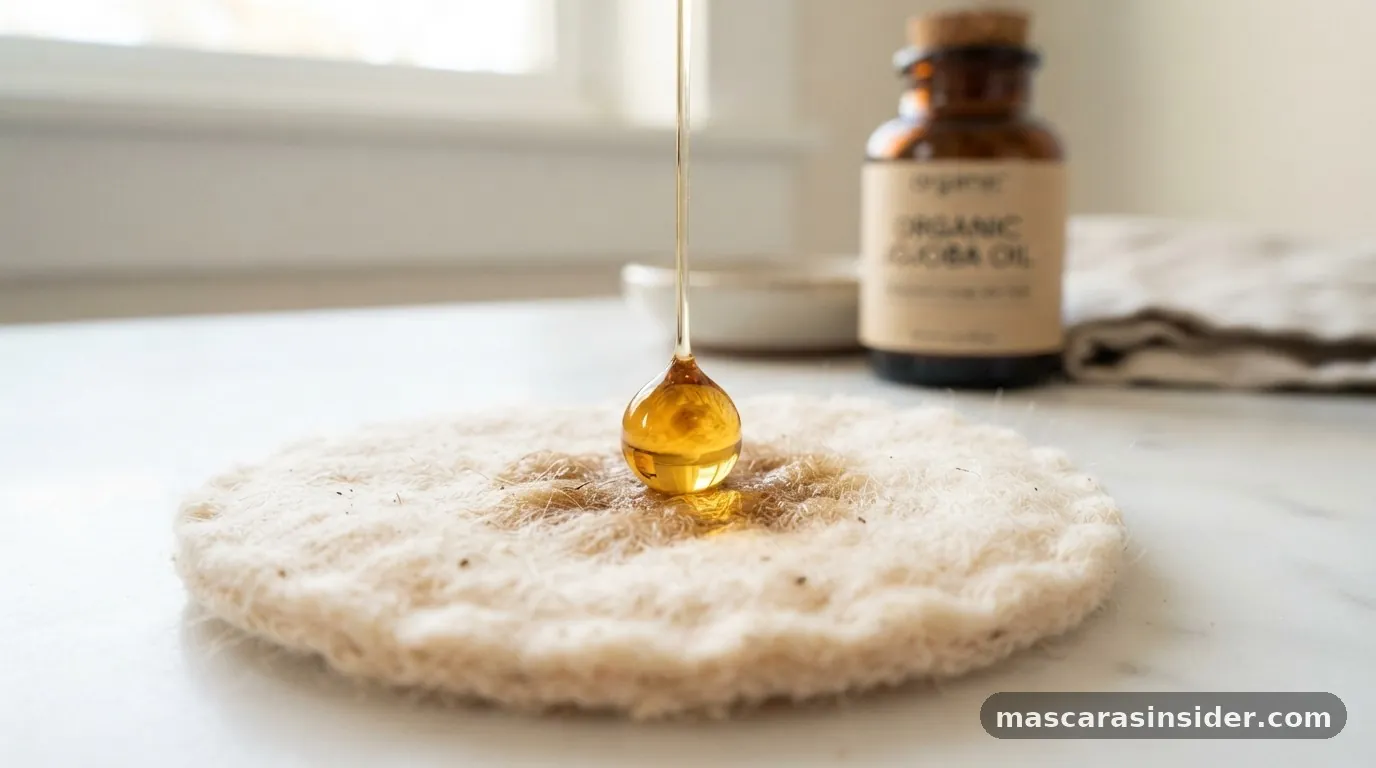
To remove waterproof mascara naturally, you must use an oil-based substance that can liquefy the hydrophobic polymers in your mascara. These polymers are specifically engineered to stay solid when exposed to water, which is why a simple splash of water or a standard face wash often fails to get the job done.
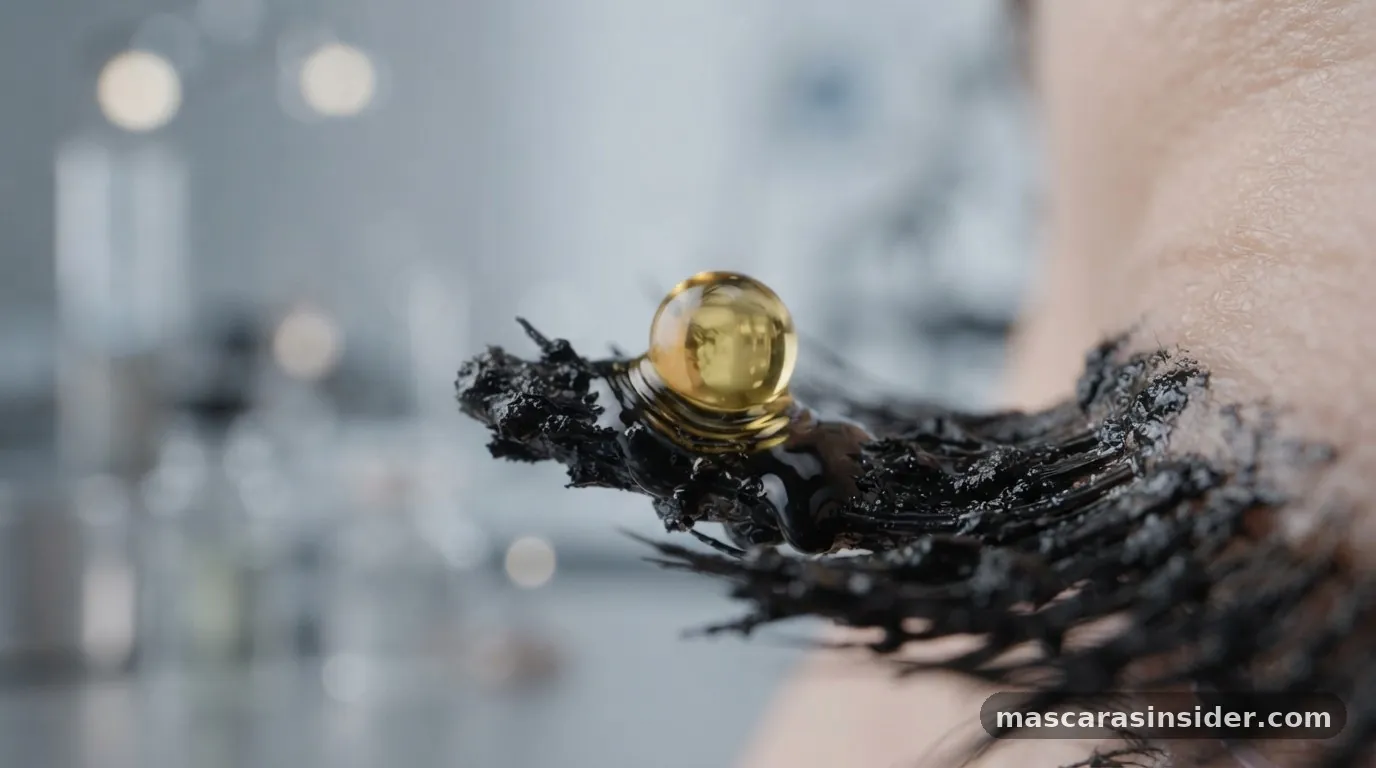
Oils work by bonding to the mascara’s waxy structure, effectively loosening its grip on each individual strand. This is the same principle behind a high-end cleansing oil or a cleansing balm, but you can achieve the same result with pantry staples.
Natural oils such as jojoba, almond, or coconut oil are excellent candidates for this task. These substances have a molecular structure that mirrors the sebum your body naturally produces, making them highly effective at breaking down synthetic waxes. When you apply these oils, you are essentially performing a chemical reaction on a micro-scale.
The oil penetrates the hardened layers of the product, turning them back into a soft, pliable state that can be wiped away with minimal effort. This approach is significantly more gentle than using tugging motions or abrasive wipes, which can lead to thinning lashes over time.
Step-by-Step Guide to Natural Lash Cleansing
Mastering the technique of removing heavy eye makeup is just as important as the product you choose. If you are wondering how to remove waterproof mascara naturally, follow this systematic approach to ensure you don’t irritate your sensitive eye area.
1. Begin by washing your hands thoroughly to ensure no bacteria are transferred to your eyes.
2. Pour a small amount of your chosen natural oil, such as sweet almond or jojoba, onto a clean cotton pad or your fingertips.
3.
With your eyes closed, gently press the saturated pad against your lashes for at least 30 seconds. This duration is critical because it allows the oil to penetrate the waterproof seal.
4. After the wait, use a downward motion to sweep the product away.
Do not scrub or rub back and forth, as this causes friction that can damage the hair.
5. If some residue remains, repeat the process with a fresh area of the cotton pad.
6. Once the mascara is dissolved, follow up with a mild, water-based cleanser to remove any leftover oil residue from your eyelids.
Consistency is key when refining your routine. By allowing the oil to sit, you minimize the physical manipulation of the eyelid, which is the most common cause of irritation and lash loss. For more information on the anatomy of the eye and why gentle care is paramount, visit the American Academy of Ophthalmology guidelines on makeup safety.
Comparing Natural Solvents for Mascara Removal
Choosing the right natural solvent depends on your skin type and personal preference. While many people gravitate toward one specific oil, different options offer unique benefits for the delicate tissue around the eyes. Some oils are lighter and absorb quickly, while others provide a more viscous barrier that helps to loosen stubborn, multi-layered mascara applications.
| Oil Type | Best For | Key Benefit |
|---|---|---|
| Coconut Oil | Dry Skin | High fatty acid content for deep conditioning. |
| Jojoba Oil | All Skin Types | Matches natural sebum; non-comedogenic. |
| Sweet Almond Oil | Sensitive Skin | Rich in Vitamin E; very soothing. |
| Olive Oil | Stubborn Mascara | Thicker consistency; breaks down wax quickly. |
When selecting your oil, consider whether you are prone to breakouts. If you have oily or acne-prone skin, jojoba oil is often the safest bet because it is less likely to clog pores compared to heavier oils like olive or coconut. Always ensure your oils are cold-pressed and free from synthetic additives to maintain the purity of your natural beauty regimen.
Avoiding Common Mistakes During Removal
Even when using natural methods, improper technique can lead to adverse effects. Many people try to rush the process, which is the primary reason for lash breakage. If you find yourself pulling or yanking to get the product off, your oil hasn’t had enough time to work.
Patience is the most important tool in your kit. Another common error is using a cotton pad that is too dry. You need enough oil to fully saturate the lash fibers; a dry pad will only drag against the delicate skin of the eyelid, causing unnecessary stress.
Furthermore, ensure that you are not getting the oil directly into your eyes. While natural oils are generally safe, having a layer of oil coating your eyeball can cause temporary blurred vision or mild irritation. Keep your eyes firmly closed throughout the entire process.
If you wear contact lenses, always remove them before you begin the cleansing process. The oil can cling to the surface of the lens, which is difficult to clean off and can make your vision blurry for the rest of the evening.
The Role of Gentle Cleansing Tools
While your fingers are often the best tool for warming and applying oil, the removal phase sometimes requires a bit more precision. Using a high-quality, reusable bamboo or organic cotton round can help lift the mascara away from the skin without leaving behind lint or fibers. Synthetic disposable wipes are often treated with chemicals that can cause contact dermatitis, which is why switching to natural tools is a logical extension of your natural routine.
Some people enjoy using a clean, soft spoolie brush after applying the oil to help distribute it through the length of the lashes. If you choose to do this, be extremely careful not to poke the eye or pull too hard.
A gentle combing motion can help the oil coat every side of the lash, which is especially helpful if you have applied multiple coats of waterproof mascara. After the oil has done its work, the mascara should slide off the lashes with almost no resistance, leaving your eyes feeling clean and conditioned rather than stripped and dry.
Addressing Topical Gaps and Common Queries
There is a common misconception that you need a specialized “waterproof” remover to break down industrial-strength cosmetics. In reality, the chemistry of oil-based removal is universal. Whether you are using a high-end product from a boutique or a simple bottle of cold-pressed oil, the result is achieved through lipid-based solvent action.
One gap in many discussions on this topic is the importance of the “second cleanse.” Because oils can leave a film on the skin, it is essential to follow up with a gentle water-based cleanser to ensure your pores remain clear.
Another point often overlooked is the temperature of the oil. If your oil is cold, it may be slightly more viscous. Warming the oil between your palms before application can make it more fluid and easier to spread.
Additionally, the type of mascara matters. Some modern formulas use “tubing” technology, which is designed to be removed with warm water alone. If you find your mascara is not coming off with oil, check if it is a tubing formula; in that case, warm water and a gentle downward swipe are actually the most effective natural method.
Frequently Asked Questions
Can I use baby oil to remove waterproof mascara?
While baby oil is effective at dissolving waterproof mascara due to its mineral oil base, it is often heavily fragranced. For those with sensitive eyes, it is usually better to stick with pure, unrefined oils like jojoba or sweet almond to avoid potential irritation from artificial scents.
Is it safe to get natural oil in my eyes?
Natural oils like coconut or jojoba are generally non-toxic, but they can cause temporary blurred vision if they enter the eye. It is best to keep your eyes tightly closed while using these products and to rinse thoroughly with a gentle cleanser afterward to clear any residue.
How do I know if I have removed all the mascara?
After wiping, inspect your lashes in a well-lit mirror. If you see dark smudges on your skin or clumps on the lashes, repeat the oil application process. A clean lash line should feel soft and residue-free. Always finish with a water-based wash to ensure the skin is clean.
Does natural oil removal help lashes grow?
While oils themselves do not necessarily stimulate hair growth, they prevent breakage by keeping the lashes supple and hydrated. When lashes are brittle and dry, they are more likely to snap off during makeup removal. Using oil makes the process gentle, which helps maintain the natural length of your lashes.