
Falling into bed after a long day often makes the idea of a thorough nighttime routine feel like a monumental task. You might think that skipping the removal of your eye makeup just this once won’t hurt, but the cumulative effects of sleeping with mascara on are far more significant than most people realize.
Your eyelashes are delicate structures, and the products we apply to them are formulated to withstand moisture, friction, and movement throughout the day. When you force these products to stay on for an extra eight hours while you toss and turn on your pillow, you are essentially creating a recipe for ocular distress and structural damage to your lashes.
The Immediate Physical Consequences for Your Eyelashes
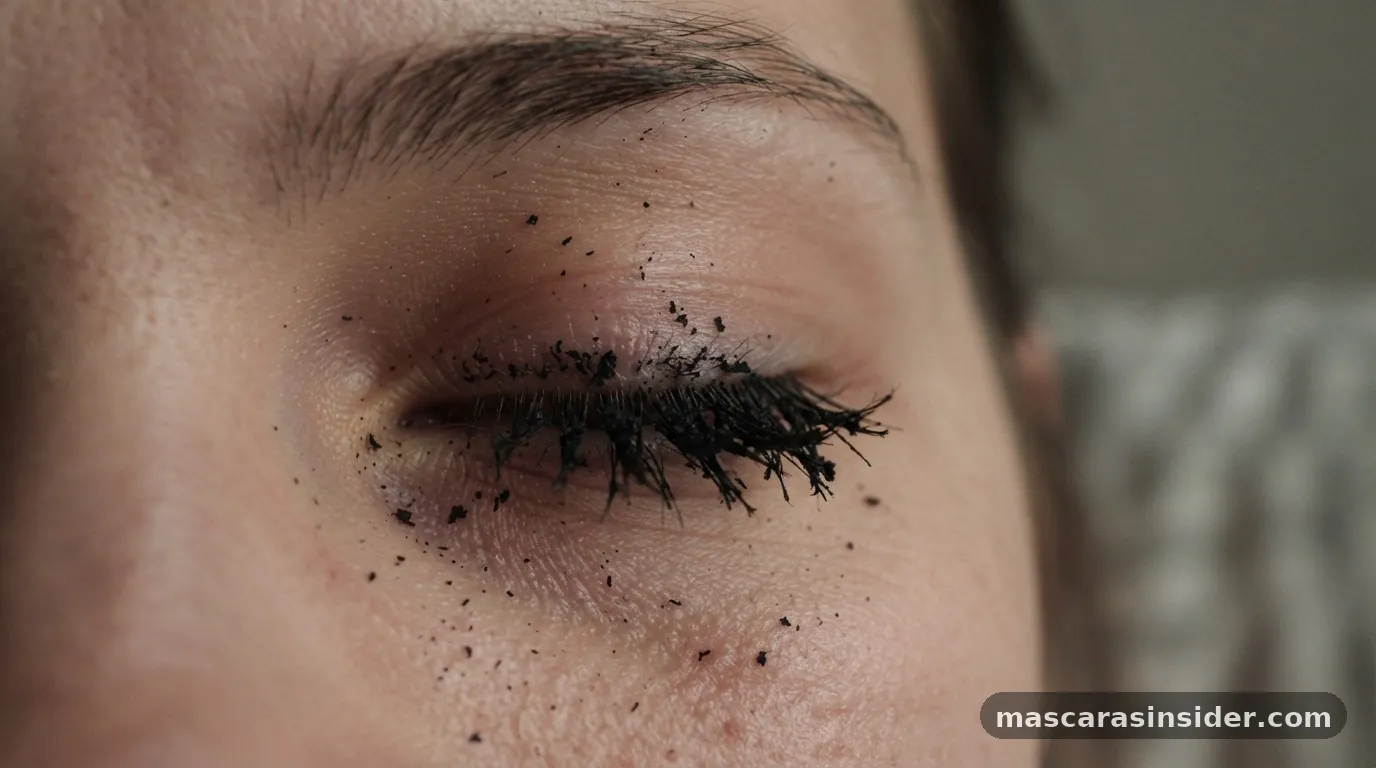
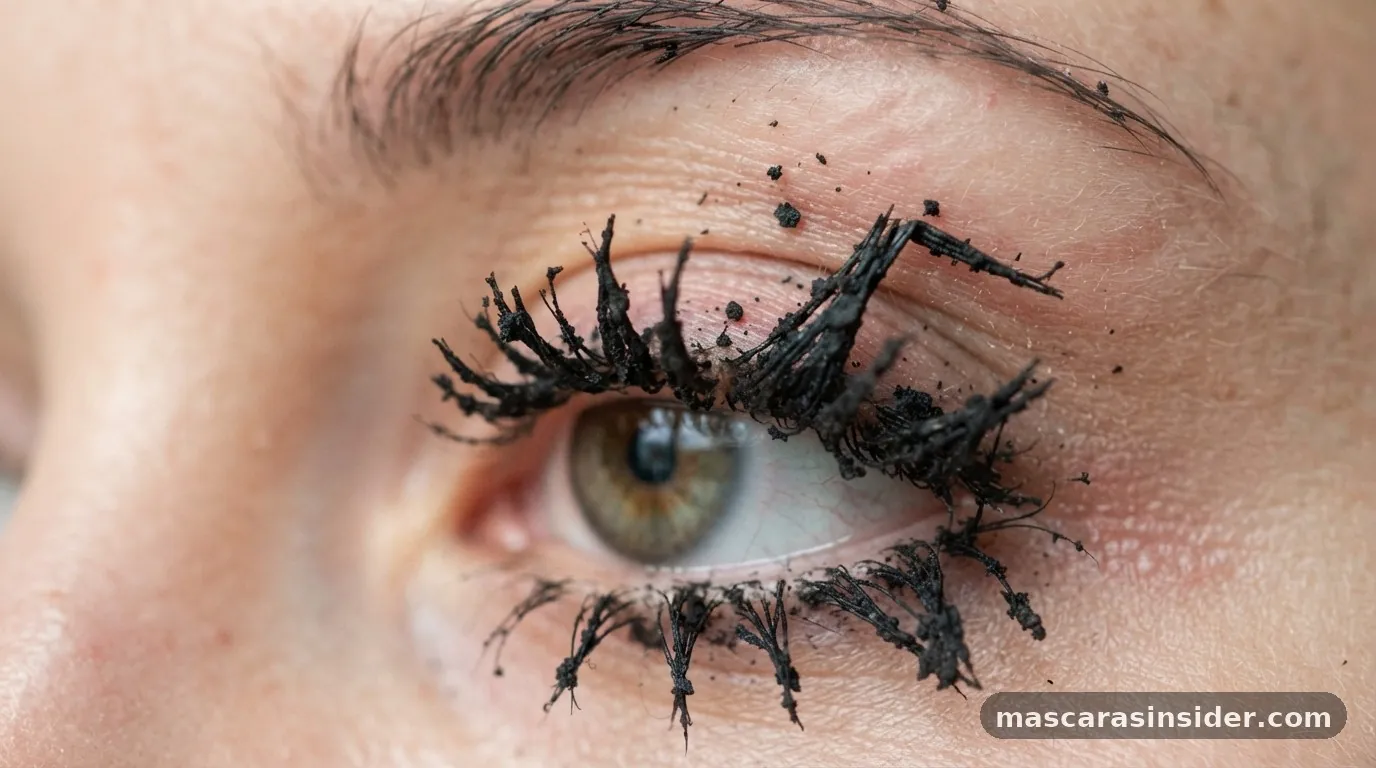
When you sleep with mascara on, the primary issue is the hardening of the formula against your lashes. Mascara is designed to coat the hair shaft, and as it dries, it becomes rigid.
If you don’t remove makeup before hitting the bed, the friction between your lashes and your pillowcase causes the dried mascara to act like sandpaper. This mechanical stress is a leading cause of lash breakage.
1. Dried mascara makes your eyelashes brittle and prone to snapping during the night.
2. The added weight of the product can cause premature shedding of the hair follicles.
3.
Sleeping on your side or stomach presses the lashes against the fabric, bending them into unnatural positions.
4. Continuous exposure to these stiff formulas over time weakens the protein structure of the lash hair.
Think of it like hairspray for your eyelashes; if you were to spray your head with firm-hold hairspray and then aggressively rub your hair against a cotton pillow for eight hours, you would expect some breakage. The same logic applies here.
Over weeks or months, this habit leads to noticeably thinner, sparser lash lines. If you value the length and fullness of your natural lashes, the mechanical damage caused by sleeping mascara is simply not worth the few minutes of extra sleep you might gain by skipping your cleanser.
Ocular Irritation and the Risk of Infection
Your eyes are incredibly sensitive, and they rely on a delicate balance of moisture and protection. When you leave eye makeup on, you run the risk of particles migrating into the eye itself.
As you move during the night, small flakes of dried mascara can crumble off the lashes and slide into the conjunctival sac. This is a common overnight cause of redness, itching, and general discomfort the next morning.
The risk extends beyond simple irritation. The space between your lashes and your eyelid margin is home to the meibomian glands, which are responsible for secreting the oils that keep your eyes lubricated. Clogged glands can lead to styes or chalazions, which are painful, inflamed bumps that can take weeks to heal.
Furthermore, the buildup of cosmetic residue provides a breeding ground for bacteria. If you have ever woken up with “crusty” eyes, you have likely experienced the body’s attempt to flush out the debris trapped by your lingering makeup. For more information on maintaining proper eye health, you can consult the American Academy of Ophthalmology guidelines on cosmetic safety.
Impact on Your Skin and Pore Health
While we often focus on the lashes, the skin surrounding the eyes is the thinnest on the entire body. Leaving foundation or heavy eyeshadow on alongside your mascara creates a barrier that prevents your skin from performing its natural repair processes. When you sleep, your skin goes into a regenerative state, shedding dead cells and absorbing nutrients from your skin care products.
If your pores are clogged with a layer of pigment, wax, and polymers, that natural cycle is interrupted. This is a primary driver of acne and milia—small, white, hard bumps that appear around the eye area.
Because the skin around the eyes is so delicate, it is also highly susceptible to inflammation. Chronic exposure to cosmetic chemicals overnight can lead to contact dermatitis, characterized by red, scaly, or swollen patches that are difficult to treat once they develop.
How Makeup Residue Prevents Skin Recovery
The skin needs to breathe. When you leave products on, you are effectively trapping pollutants, dirt, and excess sebum against the surface of the skin. This leads to:
* Increased oxidative stress from environmental pollutants trapped in the makeup.
* Reduced efficacy of nighttime serums and moisturizers, as they cannot penetrate the layer of residue.
* A dull, lackluster complexion caused by impaired cell turnover.
* The formation of fine lines due to the skin’s inability to hydrate properly while “suffocated” by product.
The Difference Between One Night and a Habit
Many people ask, “Is it bad to leave mascara on for just one night?” While a single occurrence is unlikely to cause permanent damage, it sets a dangerous precedent. The human brain is a master of forming habits, and if you justify skipping your routine once, it becomes significantly easier to skip it again.
When you make this a regular occurrence, the cumulative damage is exponential. The result is often a cycle where your lashes look thin, so you apply more mascara to compensate, which then causes more breakage, leading to even thinner lashes.
Breaking this cycle requires a commitment to cleaning your face every night, regardless of how tired you feel. Even if you don’t have the energy for a ten-step routine, a simple swipe of a gentle makeup remover or micellar water is sufficient to protect your eyes and skin from the most severe consequences.
| Factor | Short-Term Impact | Long-Term Impact |
|---|---|---|
| Lash Health | Minor stiffness | Permanent thinning and brittleness |
| Eye Comfort | Mild irritation/redness | Chronic infections (styes, blepharitis) |
| Skin Health | Congested pores | Premature aging and breakouts |
Topical Gaps: Addressing Common Misconceptions
There is a common myth that certain “natural” or “organic” mascaras are safe to sleep in. This is fundamentally incorrect.
Regardless of the ingredients, any product designed to coat the hair shaft creates a physical barrier that is not intended for 24-hour wear. Even if the formula is free from harsh chemicals, the mechanical friction and the risk of bacterial accumulation remain the same.
Another gap in common knowledge is the role of waterproof mascara. Many users assume that because it is waterproof, it is “stronger,” and therefore less likely to flake. In reality, waterproof mascara is the most difficult to remove, often requiring more aggressive rubbing.
If you leave it on overnight, it is even more likely to pull out natural lashes because of its tenacious grip. Furthermore, the solvents required to dissolve waterproof makeup are often stronger, meaning if you fail to remove it, you are leaving more potent chemicals in contact with your skin for a longer period.
Developing a Sustainable Nighttime Routine
If you find that the main reason you are leaving your makeup on is pure exhaustion, it is time to optimize your process. Efficiency is the key to consistency. By placing your cleansing supplies exactly where you need them, you remove the friction that prevents you from completing your routine.
5. Keep a pack of high-quality, gentle makeup remover wipes on your nightstand for those nights when you simply cannot make it to the sink.
6. Use an oil-based cleanser; it breaks down mascara almost instantly, requiring far less scrubbing than traditional soaps.
7.
Invest in a silk or satin pillowcase to minimize the physical friction against your eyes if you do accidentally fall asleep with product on.
8. Set a “curfew” for your beauty routine; try to remove your makeup at least an hour before you plan to go to sleep.
By treating your nighttime routine as a form of self-care rather than a chore, you change your mindset. Instead of thinking about the “work” of removing your mascara, focus on the sensation of clean, refreshed skin and the long-term health of your lashes. Your future self will thank you when your natural lashes remain thick and your eye area stays free from irritation.
Frequently Asked Questions
Is it okay to nap with mascara on?
A short, 30-minute nap is unlikely to cause significant damage. However, if you are prone to eye irritation or have sensitive skin, it is still best to remove it. Avoid rubbing your eyes when you wake up, as the mascara will be at its most brittle.
Can I keep mascara on for 2 days?
No, you should never keep mascara on for two days. The buildup of bacteria, the risk of clogged follicles, and the mechanical stress on your lashes increase significantly after 24 hours. Always aim to cleanse your face thoroughly at the end of every single day.
Does sleeping with makeup on cause wrinkles?
Yes, indirectly. By clogging your pores and preventing the skin from repairing itself overnight, you inhibit the production of collagen and elastin. Over time, this poor skin health results in a duller appearance and the development of fine lines that could have been avoided with proper cleansing.
What is the best way to clean stubborn mascara?
Use a dedicated bi-phase makeup remover or a cleansing balm. Massage the product gently into your closed lashes and let it sit for 30 seconds to dissolve the pigments. Wipe away in a downward motion to avoid tugging or pulling at the delicate eyelid skin.