
Many beauty enthusiasts wonder if their daily makeup routine is causing long-term damage to their appearance. If you have ever noticed a few stray hairs on your cotton pad while cleansing, you may have asked yourself: can mascara make your eyelashes fall out?
The short answer is that while mascara itself is generally safe, the way you apply, wear, and remove it can significantly impact the health of your follicles. Your lashes are delicate, and persistent mechanical stress or improper hygiene can lead to thinning or breakage over time.
The Mechanical Reality of Lash Loss
Can mascara make your eyelashes fall out? Primarily, the issue is not the formula itself, but the physical stress applied during removal. When you wear heavy layers of mascara, the product dries into a rigid coating that binds the individual hairs together.
If you attempt to wipe this away with a harsh cloth or a low-quality cleanser, you are essentially tugging at the follicle. This repeated pulling acts as a form of traction alopecia, where the hair is physically ripped from the root before it has finished its natural growth cycle.
Lash loss often occurs when users are too aggressive during their nighttime routine. Using a rough cotton round or scrubbing your eyes with a standard face wash creates friction. Because the lashes are stiffened by the mascara, they become brittle.
When you pull on them, they are more likely to snap mid-shaft or pull out prematurely. To minimize this risk, it is essential to use a gentle, oil-based cleanser or a dedicated makeup remover that dissolves the product on contact, allowing it to slide off without any pulling.
The Impact of Waterproof Formulas
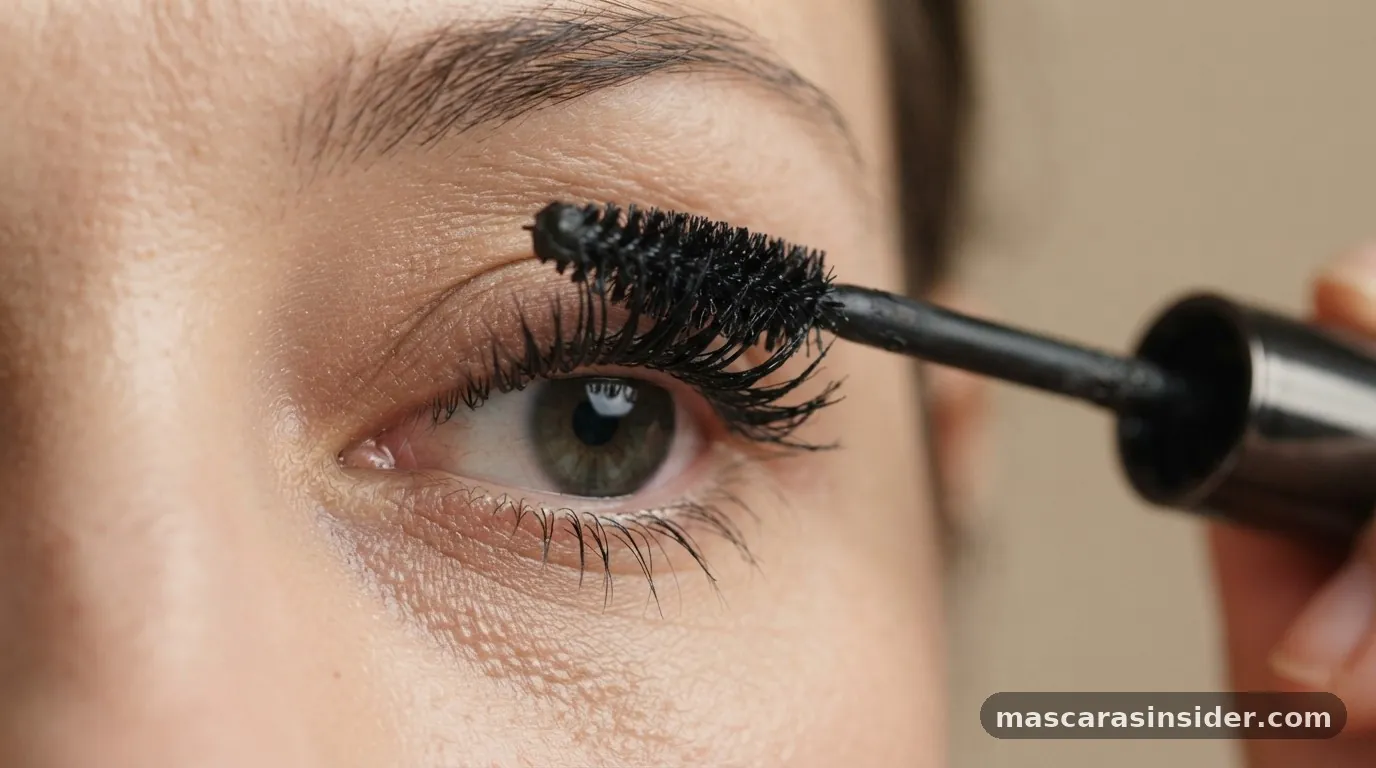
Waterproof mascara is a frequent culprit when it comes to mechanical damage. These products are designed to withstand moisture, sweat, and tears, which means they contain polymers that create a very strong, stubborn bond with your lashes.
While these formulas are excellent for long events or humid weather, they are notoriously difficult to remove. Many users find themselves scrubbing their eyelids for several minutes to get the last traces of pigment off, which is exactly where the damage happens.
If you choose to use waterproof products, you must be prepared to use a specific solvent. A dual-phase makeup remover—one that contains both oil and water—is the most effective way to break down these tough polymers. If you do not use the right product, you are left with no choice but to rub the sensitive skin around your eyes.
Over several months, this daily ritual can lead to noticeable thinning. Many dermatologists recommend reserving waterproof options for special occasions rather than daily use to give your lashes a chance to recover.
Hygiene and Bacterial Risks
Beyond physical breakage, the health of your eyelids plays a massive role in lash retention. Mascara tubes are breeding grounds for bacteria, especially once the seal is broken. Every time you pull the wand out and push it back in, you introduce air and potential contaminants into the formula.
If you keep a tube of mascara for more than three months, you run the risk of transferring bacteria to your eyes. This can lead to infections like blepharitis, which causes inflammation and can result in significant lash loss.
1. Always replace your mascara every three months to prevent bacterial buildup.
2. Never share your eye makeup with others to avoid cross-contamination.
3.
If you develop an eye infection, discard all eye makeup immediately.
4. Clean your lash line regularly to prevent debris from clogging the follicles.
5. Avoid “pumping” the wand, as this forces air into the tube and accelerates drying.
By following these simple hygiene rules, you protect the follicles from inflammation. When the eyelid margin becomes inflamed due to bacteria, the hair growth cycle is disrupted, leading to shedding that goes beyond normal daily loss. Keeping your tools clean is just as important as the quality of the makeup you choose to apply.
The Role of Lash Growth Cycles
It is helpful to remember that losing a few eyelashes every day is a completely normal part of the human biological process. Just like the hair on your head, your eyelashes follow a growth cycle consisting of anagen (growth), catagen (transition), and telogen (resting) phases.
It is perfectly natural for a few lashes to fall out as they reach the end of their life cycle. Many people mistakenly attribute this natural shedding to their mascara use.
However, if you notice a sudden, dramatic increase in the number of lashes on your pillow or your makeup remover pad, it is time to evaluate your routine. If you are experiencing excessive lash loss, it could be a sign of a reaction to an ingredient in your mascara. Some products contain harsh preservatives or fragrances that can cause irritation.
If your eyes feel itchy, red, or swollen, you might be experiencing contact dermatitis. If you suspect an allergy, stop using the product immediately and monitor whether the shedding slows down. You can check the FDA guidance on eye cosmetic safety for more details on how to identify potential irritants in your beauty products.
Comparing Application and Removal Techniques
The way you handle your lashes makes a significant difference in their longevity. Below is a comparison of common habits and their potential impact on lash health.
| Practice | Impact on Lash Health | Risk Level |
|---|---|---|
| Using a lash curler after mascara | High risk of snapping lashes | High |
| Aggressive scrubbing at night | Physical trauma to follicles | High |
| Using oil-based cleansers | Gentle, effective removal | Low |
| Daily waterproof use | Constant tugging required | Moderate |
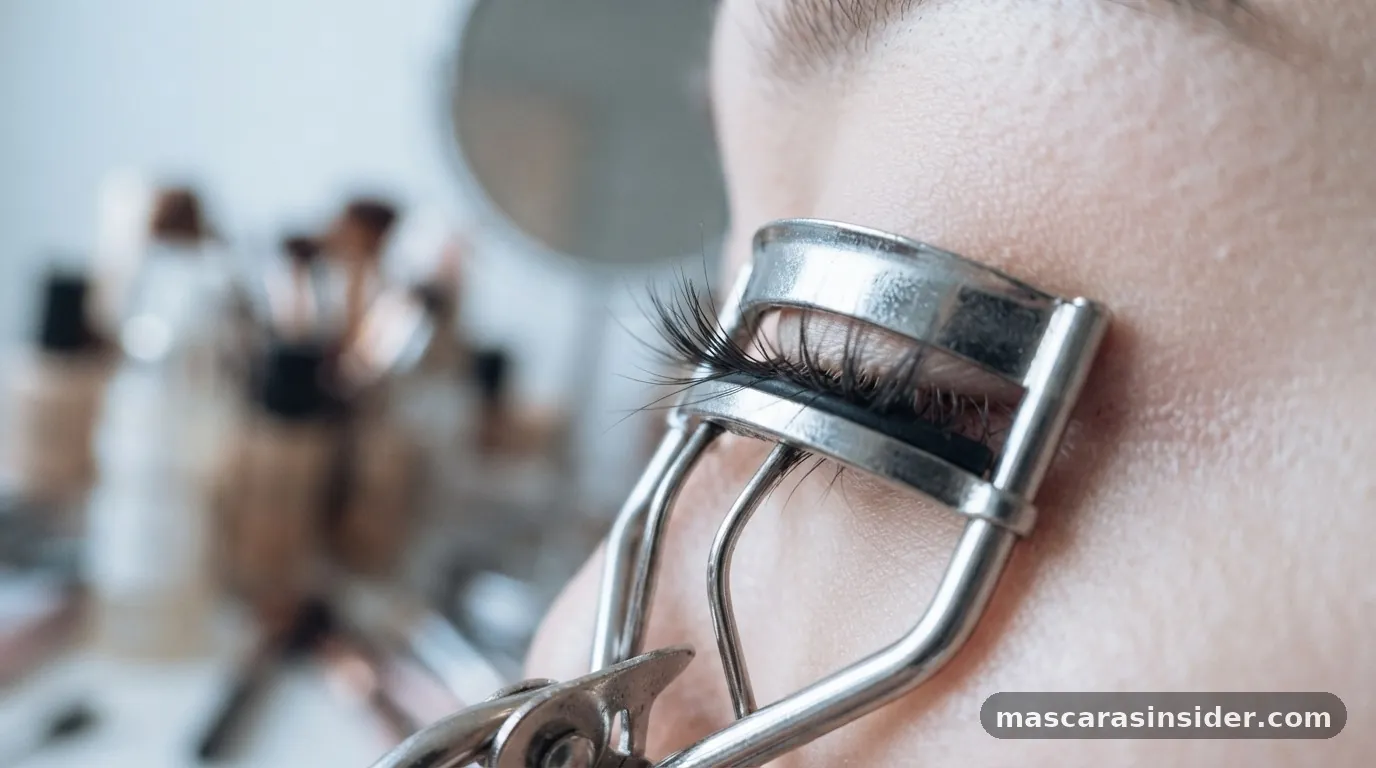
As the table shows, the tools you use are just as important as the formulas themselves. For instance, using a metal lash curler on lashes that are already coated in dried mascara is a recipe for disaster.
The mascara makes the hair brittle and stuck to the curler, and one wrong move can result in the entire lash being pulled out from the root. Always curl your lashes before applying any product, and keep your curler pads clean to ensure a smooth, pinch-free experience.
Ingredients That Support Lash Health
Not all mascaras are created equal. In recent years, many brands have begun incorporating nourishing ingredients into their formulas to counteract the drying effects of traditional pigments.
If you are worried about lash loss, look for products that contain conditioning agents like panthenol, vitamin E, or various botanical oils. These ingredients help keep the hair shaft flexible, meaning they are less likely to snap when you touch them or remove your makeup.
Furthermore, consider looking for “tubing” mascaras. These formulas create tiny water-resistant “tubes” around each lash instead of painting them with traditional wax or pigment. Because they form a physical sleeve around the hair, they do not smudge or flake throughout the day.
When it is time to remove them, they slide off easily with warm water and gentle pressure—no intense scrubbing required. This is often the best solution for users who want the aesthetic benefits of mascara without the risk of mechanical damage associated with removal.
Addressing Topical Gaps
A common concern that often goes unaddressed is the effect of lash extensions versus mascara. Many people switch to extensions to avoid the daily hassle of mascara, only to find that the weight of the extensions can also cause traction on the natural lashes.
If your natural lashes are already weak, adding the weight of heavy synthetic extensions might exacerbate the issue. It is vital to ensure that whoever is applying your extensions is using high-quality adhesives and the correct weight for your natural lash strength.
Another gap in common knowledge is the impact of eye health on lash density. If you are suffering from chronic dry eyes, you may be touching or rubbing your eyes more frequently than the average person. This constant mechanical stimulation can weaken the lash follicles over time.
If you notice persistent itching or dryness, consult an eye care professional. Addressing the underlying medical issue will do more for your lash health than any expensive serum or mascara ever could.
FAQ Section
Is it normal to lose a few lashes every day?
Yes, it is perfectly normal. Eyelashes have a natural growth cycle and shed just like the hair on your head. Most people lose between one and five lashes per day. If you notice significantly more than that, it may be time to re-evaluate your makeup removal technique.
Can I wear mascara if my lashes are thinning?
You can, but you should choose a formula that is easy to remove, such as a tubing mascara. Avoid waterproof formulas that require harsh scrubbing, and ensure you are using a gentle, oil-based cleanser to dissolve the product without putting stress on the lash roots.
Does waterproof mascara cause more damage than regular mascara?
Waterproof mascara is generally harder to remove, which necessitates more rubbing and pulling. This mechanical friction is the primary cause of damage. While the ingredients themselves aren’t inherently harmful, the process required to remove them often leads to increased breakage and lash loss.
How can I tell if my mascara is causing an allergic reaction?
If your eyes feel itchy, red, watery, or swollen after applying mascara, you might be reacting to an ingredient. Stop using the product immediately. If the symptoms persist or your eyelids become inflamed, consult a dermatologist or eye doctor to rule out contact dermatitis or infection.