
Learning how to undry mascara is a fundamental skill for any makeup enthusiast who has experienced the frustration of a favorite tube turning clumpy or thick before its time. When your mascara dries out, it often leads to uneven application, spidery lashes, and unwanted flaking throughout the day.
Instead of tossing the product into the trash, you can often restore its original consistency using simple, safe techniques. Understanding why your mascara loses its moisture and how to rehydrate it effectively will save you money and keep your beauty routine running smoothly.
Why Mascara Dries Out Prematurely
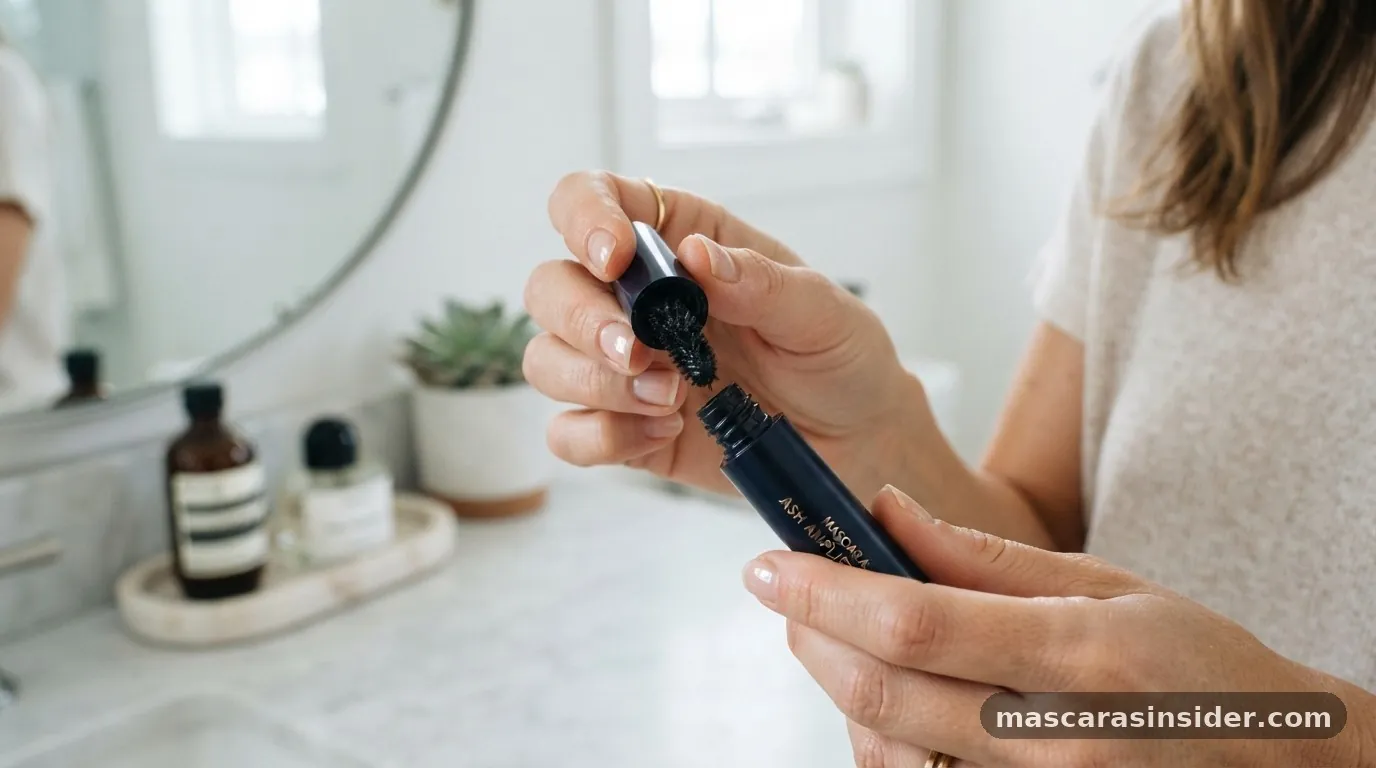
Mascara dries out primarily due to exposure to air, which accelerates the evaporation of the solvents used to keep the formula liquid. Every time you remove the wand from the mascara tube, air enters the container. If you have a habit of pumping wand motion—repeatedly pushing the brush in and out to get more product—you are essentially forcing oxygen into the tube.
This oxidation process thickens the formula, making it difficult to apply evenly. Furthermore, the preservatives in makeup have a finite life span. Even if the product isn’t fully expired, the accumulation of bacteria and the loss of moisture content over time can change the texture of the product.
Another factor is how you store your cosmetics. Keeping your makeup in a bathroom where humidity levels fluctuate or in a place exposed to direct sunlight can degrade the stability of the formula.
When you notice your mascara has become thick or sticky, it is usually a sign that the volatile ingredients have evaporated. By addressing these storage habits and minimizing air exposure, you can extend the usefulness of your products significantly.
Safe Methods for Rehydrating Your Formula
To undry mascara effectively, you need to introduce a thinning agent that is safe for the delicate skin around the eye. The most common and effective trick involves using contact lens solution or saline solution.
These substances are designed to be sterile and compatible with ocular tissues, making them an ideal choice for reviving eye makeup. To perform this, simply add drop or two of the saline solution into the tube.
1. Start by adding only two drops of saline solution to the tube.
2. Insert the wand and stir gently in a circular motion to incorporate the liquid.
3.
Close the tube tightly and shake it for a few seconds.
4. Test the consistency on the back of your hand before applying it to your lashes.
Do not overdo it. Adding too much liquid can ruin the formula, turning it into a watery mess that won’t hold a curl or provide volume.
If the product remains too thick after the first attempt, add one more drop at a time, testing the texture between each addition. Always make sure you are using a clean wand to avoid introducing bacteria into the tube during this process.
Using Warm Water to Loosen Clumps
If you prefer not to add extra ingredients to your makeup, using hot water is a highly effective, non-invasive method. This technique relies on heat to soften the waxes and oils that have hardened inside the tube. It does not alter the chemical composition of the product, which is a major advantage for those with sensitive skin.
The Hot Water Bath Procedure
To safely warm your mascara, fill a small cup or bowl with hot—not boiling—water. Place the closed mascara tube into the water and let it sit for about three to five minutes. The warmth will penetrate the container and loosen the dried product clinging to the walls of the tube. After the time is up, remove the tube, wipe it dry, and roll it between your palms to further distribute the heat. This simple process can often make a dried-out mascara feel like it is brand new again.
Comparing Revitalization Techniques
Choosing the right method for your specific mascara formula is key to getting the best results. Not all products react the same way to external additives. Below is a comparison of the most common ways to fix your clumpy makeup.
| Method | Pros | Cons |
|---|---|---|
| Saline Solution | Fast, effective, adds moisture. | Can dilute the formula if overused. |
| Hot Water Bath | No additives, very safe. | Effects are temporary; needs repeating. |
| Eye Drops | Easy to find, similar to saline. | Some drops contain redness-relievers. |
When considering these options, remember that your primary goal is to return the mascara to its original state without compromising its safety. If you use drops that contain vasoconstrictors or other active ingredients intended to “get the red out,” avoid using them in your makeup, as they may irritate the eyes when applied near the lash line. Stick to plain, sterile saline or contact lens solution.
Recognizing When It Is Time to Replace
While learning how to revive your makeup is a great life hack, you must know when the product is beyond saving. Mascara has a limited shelf life, typically three months after opening. If you have been using the same tube for longer than this, it is likely harboring bacteria that can cause eye infections.
Signs that your mascara should be replaced rather than revived include:
* A change in smell: If the product has a sharp, chemical, or sour odor, toss it immediately.
* Persistent irritation: If your eyes feel itchy, red, or watery after application, stop using the product.
* Extreme clumping: If the formula has become separated or gritty despite your attempts to fix it, the emulsion has likely broken down permanently.
* Discoloration: Any visible changes in the shade or texture of the product are red flags.
Maintaining eye health is far more important than saving a few dollars on a replacement tube. If you find yourself needing to fix your mascara more than once or twice, it is a clear sign that the product is reaching the end of its functional lifespan.
Preventative Habits for Longer Lasting Makeup
The best way to manage dried-out mascara is to prevent it from happening in the first place. By changing how you handle your wand mascara, you can significantly extend the time between replacements. One of the most common mistakes is the “pumping” action mentioned earlier.
Instead of pumping, try swirling the wand inside the tube to pick up product. This prevents excess air from entering the container.
Additionally, always wipe the excess product off the wand onto a clean tissue before applying. This prevents buildup on the neck of the tube, which can stop the cap from closing properly.
When the cap isn’t sealed perfectly, air leaks in, and the product dries out much faster. For more detailed information on maintaining your beauty products, you can visit the official FDA page on cosmetics safety to understand proper usage and storage guidelines.
Daily Maintenance Tips
* Store your makeup in a cool, dark place away from the bathroom sink. * Clean the wand periodically with a gentle makeup remover to remove dried clumps. * Ensure the cap is screwed on tightly every single time you finish your makeup. * Never share your mascara with others to prevent cross-contamination.
Addressing Topical Gaps and Common Myths
Many people wonder if they can use oils like olive or coconut oil to thin out their mascara. While these might make the formula liquid again, they are generally not recommended. Oils can break down the waterproof components of your mascara, leading to significant smudging and raccoon eyes throughout the day.
Furthermore, oils are not sterile and can provide a breeding ground for bacteria inside your tube. Stick to sterile solutions or heat, as these are the only methods that maintain the integrity of the formula without creating a mess.
Another common question is whether you can use water from the tap to fix your mascara. This is a bad idea because tap water contains minerals and potentially bacteria that are not suitable for the eye area. Always use sterile, distilled, or contact-safe solutions to ensure your eyes remain protected from infection.
Frequently Asked Questions
Can I use water to fix dried mascara?
No, you should avoid using tap water. It is not sterile and can introduce bacteria into your mascara tube, which may lead to eye infections. Always use sterile saline solution or a warm water bath to safely rehydrate your formula without risking your eye health.
How many drops should I add to my mascara?
Start by adding only one or two drops of saline solution. It is much easier to add more later than it is to fix a formula that has become too watery. Always test the consistency on your hand before applying it to your lashes.
Does this trick work on waterproof mascara?
It is much harder to fix waterproof mascara because its formula is specifically designed to repel liquid. Adding saline to a waterproof formula may not work well and could ruin the product’s resistance to moisture. It is usually best to replace waterproof mascara once it dries out.
How often should I replace my mascara?
You should replace your mascara every three months. Even if it hasn’t dried out, the brush can accumulate bacteria over time, which increases the risk of eye infections. If you notice a change in texture or smell before three months, replace it sooner.