

Navigating the recovery timeline after an ophthalmic operation can feel tedious, especially when you are eager to return to your normal beauty routine. Wondering when you can safely wear mascara after cataract surgery is a very common concern for patients who want to enhance their appearance without compromising delicate ocular healing. Protecting your vision during the initial post-operative phase requires strict adherence to hygiene protocols to prevent serious complications.
Understanding the Healing Timeline and Ocular Recovery
The human eye undergoes significant microscopic changes during a lens replacement procedure, requiring adequate time to seal completely. The small incisions made by your surgeon need several weeks to heal without the interference of foreign substances or bacterial agents. During the first week following the operation, your ocular tissues are exceptionally vulnerable to micro-trauma and microbial invasion.
Patients must understand that even a minor lapse in hygiene can lead to severe complications like endophthalmitis, a sight-threatening inflammation inside the eye. Your ophthalmologist will schedule follow-up appointments to monitor epithelial closure and assess whether the interior structures are stabilizing properly.
- Initial incision closure typically occurs within the first seven to ten days.
- Internal healing and stabilization of the intraocular lens can take up to four to six weeks.
- Inflammation and dryness gradually subside as prescribed medicated drops are tapered off.
- Epithelial barrier strength returns to pre-surgery levels by the end of the first month.
Rushing this timeline places your long-term visual outcomes at unnecessary risk. Giving your body the necessary window to repair itself ensures that you can enjoy your restored clarity without setbacks.
When is It Safe to Reintroduce Eye Makeup?
Most medical professionals advise patients to wait a minimum of two to four weeks before applying any cosmetics near the eye. This waiting period allows the surgical incisions to close securely, preventing makeup particles from migrating inside the ocular cavity. Applying products too early introduces a high concentration of chemical additives and potential pathogens directly to the healing zone.
When you finally reach the milestone where you can wear cosmetics again, you must approach the process with extreme caution. Discarding your old tubes of cosmetics is a critical step because older formulas often harbor harmful bacteria that can easily trigger an infection. Choosing fresh, hypoallergenic, or mineral-based alternatives minimizes irritation and supports a smooth transition back to your daily beauty habits.
Risks Associated with Early Cosmetics Application
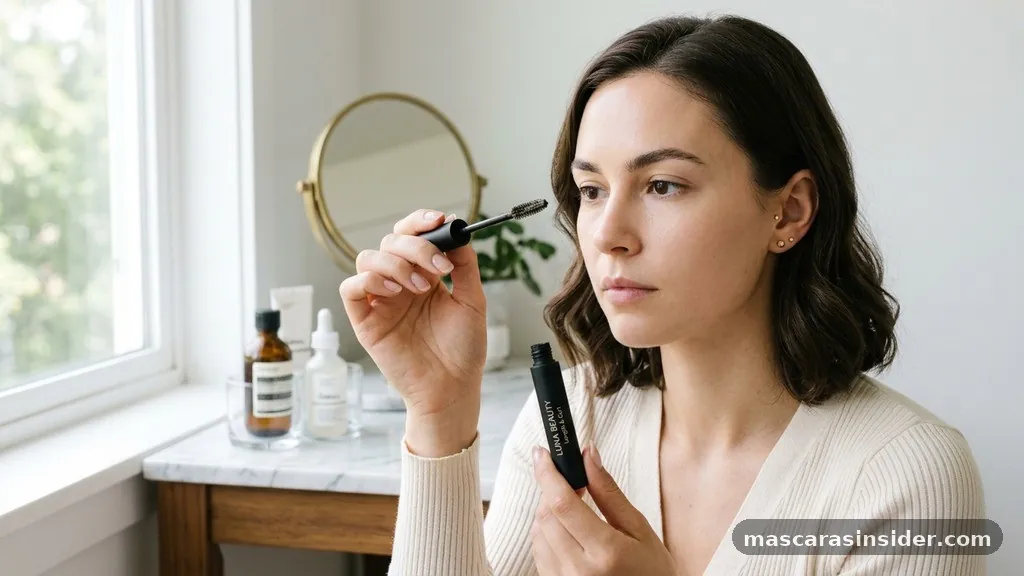
Introducing foreign substances near the eye too soon after an operation invites numerous risks that can derail a successful recovery. Mascara wands are notoriously difficult to keep sterile, making them a primary vehicle for transferring staphylococci and other microbes directly onto the lashes. If a wand accidentally pokes the eyeball while the incision is still unsealed, it can rupture the wound or introduce severe trauma.
Furthermore, the tiny pigment flakes and fibers common in lengthening cosmetics can easily shed and fall into the tear film. These particles cause mechanical irritation, prompting you to rub your eyes instinctively—a dangerous action that can dislodge the newly implanted lens. Maintaining strict abstinence from all facial cosmetics during the early recovery window eliminates these preventable hazards entirely.
Safe Techniques for Removing Cosmetics Later
Once your doctor grants approval to resume your routine, the method you use to take off your products matters immensely. Aggressive scrubbing or pulling on your lashes puts undue mechanical stress on the delicate tissues surrounding the periocular region. Instead, patients should use gentle, fragrance-free micellar waters or specialized cleansers recommended by their ophthalmologist.
| Recovery Phase | Allowed Activities | Restricted Actions |
|---|---|---|
| Week 1-2 | Gentle facial washing below the eye | No mascara, eyeliner, or eye shadow |
| Week 3-4 | Light face powder, careful cleansing | Avoid waterproof or heavy fiber formulas |
| Week 5 and Beyond | Normal makeup application with fresh products | Do not share cosmetics or use expired items |
Dampening a soft cotton pad and holding it gently against closed eyelids for a few seconds helps dissolve pigments without friction. Always wipe downward and outward, ensuring no residue enters the eye or triggers unnecessary inflammation along the margin of the eyelids.
Managing Dryness and Irritation During Recovery
Many individuals experience temporary dryness, gritty sensations, or mild irritation during the weeks following their lens replacement procedure. It is vital to distinguish between normal post-operative healing symptoms and an adverse reaction caused by environmental factors or cosmetics. Artificial tears prescribed or approved by your surgical team should be your primary tool for managing dryness.
Avoid the temptation to use over-the-counter redness-relief drops, as these can constrict blood vessels and potentially interfere with normal healing processes. If you notice persistent redness, discharge, or sudden changes in your visual acuity, contact your National Eye Institute-certified ophthalmologist immediately for an evaluation. Prioritizing comfort through approved therapeutic eye drops keeps your ocular surface moist and healthy while you wait to resume your regular beauty regimen.
Alternative Ways to Enhance Your Look Safely
Waiting a month to apply your favorite cosmetics can feel challenging if you are accustomed to a daily beauty routine. Fortunately, there are several safe ways to enhance your appearance during the recovery phase without risking your visual health. Focusing on other features, such as shaping your eyebrows or wearing statement lipstick, draws positive attention to your face without endangering your eyes.
You can also experiment with hypoallergenic facial powders and lightweight foundations, provided you keep them well away from your lower and upper lash lines. Investing in new frames or fashionable sunglasses not only protects your sensitive eyes from harsh UV rays and wind but also adds a stylish element to your post-operative look. Embracing these temporary adjustments ensures you feel confident while safeguarding your precious vision.
Frequently Asked Questions
How do you remove makeup safely after the healing period?
Use a gentle, oil-free micellar water on a soft cotton pad. Press the pad lightly against your closed eyelid for a few seconds to dissolve the pigment, then wipe downward and outward without applying pressure or rubbing the delicate eye area.
What kind of cosmetics should I purchase after my procedure?
Always buy brand-new, hypoallergenic, or ophthalmologist-tested formulations to minimize the risk of bacterial contamination and allergic reactions. Avoid products containing harsh fragrances, heavy waxes, or lengthening fibers that flake easily.
Can I wear foundation or moisturizer on my face during the first week?
You can apply lightweight moisturizers and facial foundations during the initial recovery phase, provided you keep the products well away from your immediate eye area and avoid getting any foreign substances into the incisions.
What should I do if a cosmetic particle gets into my eye?
If a particle enters your eye, flush it immediately with sterile preservative-free artificial tears or saline solution prescribed by your doctor. Refrain from rubbing your eye and contact your ophthalmologist if irritation persists.
Conclusion
Navigating the recovery period after your ocular procedure requires patience and strict adherence to post-operative guidelines. Protecting your long-term vision far outweighs the temporary inconvenience of setting aside your favorite beauty routines for a few weeks.
By understanding the healing timeline, prioritizing hygiene, and investing in fresh products when the time is right, you ensure a safe and successful transition. Consult your specialist if you have any doubts about your specific healing progress, and take pride in taking exceptional care of your newly restored sight.