
Many beauty enthusiasts worry about the long-term impact of daily makeup use. A common concern is: does mascara make your eyelashes shorter?
While mascara itself does not chemically shorten your lashes, improper application and removal techniques can lead to mechanical breakage, which creates the illusion of shorter, stubby growth. Understanding the relationship between cosmetic wear and the health of your lash follicles is essential for maintaining a full, fluttery appearance.
The Mechanics of Lash Breakage and Damage
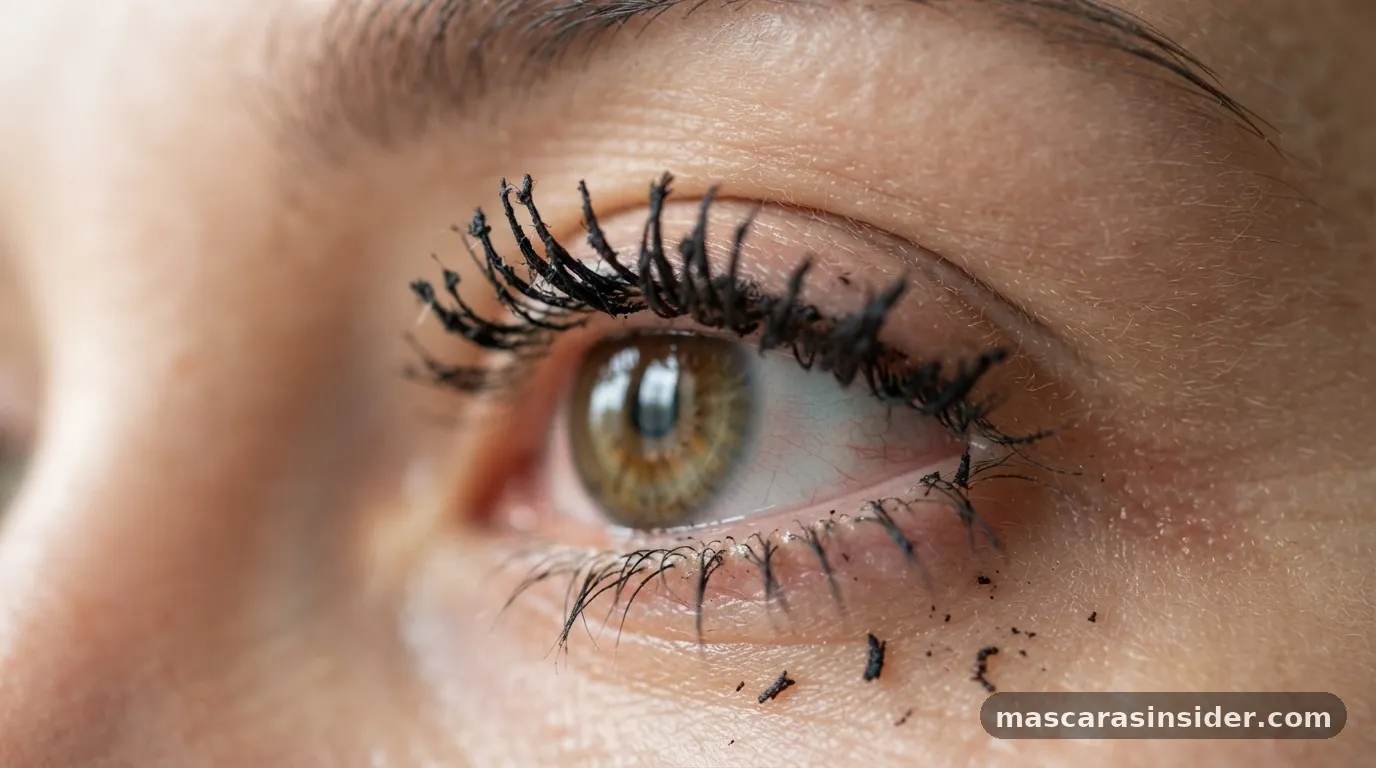
Does mascara make your eyelashes shorter? No, but it can certainly make them appear that way if the product is not handled with care. The primary cause of “shortened” lashes is physical damage rather than a disruption of the natural eyelash growth cycle.
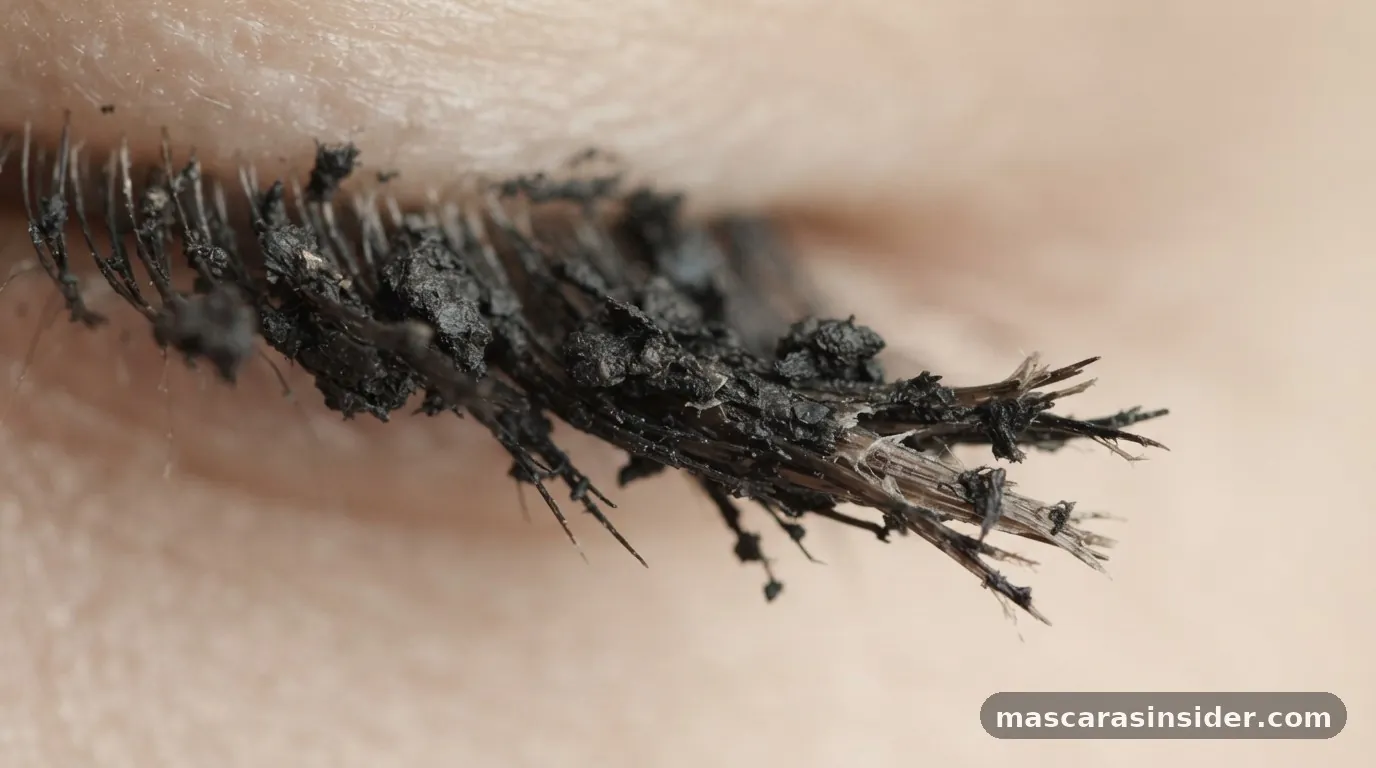
When you apply heavy, drying formulas to your lashes, the hair fiber becomes rigid. If you then attempt to curl your lashes or scrub them aggressively during cleanup, you are essentially snapping the hair off at the mid-shaft.
This process is known as mechanical breakage. Unlike the hair on your head, which can take years to show significant damage, eyelashes are delicate and have a much shorter lifespan. When you tug on brittle lashes that have been coated in hardening waxes, they succumb to the tension.
This results in lashes that are significantly shorter than their natural potential length. The damage occurs at the tip or middle of the hair, leading to a jagged, uneven lash line that looks far less vibrant than healthy, untreated lashes.
Common Culprits Behind Lash Damage
Several factors contribute to the degradation of your lash quality. The most significant issue is the use of waterproof mascara on a daily basis. These formulas are designed to adhere tightly to the hair, resisting water, sweat, and oils.
Because they are so resilient, they require much more aggressive friction to remove. This constant rubbing creates a cycle of stress on the lash root and shaft, weakening the structure over time.
Another culprit is the accumulation of makeup residue. If you do not cleanse your eyelids thoroughly before bed, the product dries out, leaving the lashes stiff and prone to snapping. This lack of eyelash hygiene can also lead to inflammation around the lash line, which may indirectly affect the health of your follicles.
When the base of the lash is clogged with old product, it prevents the hair from remaining flexible. Over time, this cumulative stress results in thinner, more fragile lashes that appear shorter because they are breaking off before they reach their full maturity.
The Role of Lash Texture and Formulation
Not all products are created equal. Some formulas prioritize volume and drama, which often involves heavy polymers and fibers.
While a fiber mascara can provide a beautiful look, the extra weight can put unnecessary strain on fine or sparse lashes. If you notice your lashes drooping or feeling heavy after application, it is a sign that the formula is too taxing for your natural hair strength.
| Mascara Type | Potential Risk Level | Removal Difficulty |
|---|---|---|
| Standard Washable | Low | Easy |
| Waterproof | High | Difficult |
| Tubing Mascara | Low | Very Easy (Warm Water) |
| Fiber Mascara | Moderate | Moderate |
Effective Removal Techniques for Lash Preservation
To prevent the appearance of shortened lashes, how you take off your makeup is just as important as how you apply it. Many people use harsh cotton pads and rub their eyes in a back-and-forth motion. This is the fastest way to cause mechanical breakage.
Instead, you should focus on dissolving the product gently. Using an oil-based makeup remover or a high-quality micellar water is vital for breaking down waxes without the need for excessive scrubbing.
1. Saturate a soft cotton pad with your chosen remover.
2. Hold the pad against your closed eyelid for 30 seconds to allow the product to dissolve the mascara.
3.
Gently swipe downward—following the natural direction of the hair—rather than side-to-side.
4. Use a clean cotton swab dipped in remover to clean any remaining bits near the lash line.
5. Rinse your face with lukewarm water to ensure no oily residue remains, which supports overall eye health.
By following these steps, you minimize the physical stress placed on your lashes, allowing them to complete their natural cycle without premature snapping. Consistent, gentle removal is the most effective way to ensure your lashes stay long and healthy.
Promoting Healthy Lash Growth
If you are worried that your lashes have already suffered damage, you can take steps to encourage regrowth and strength. The eyelash growth cycle typically lasts between 30 to 60 days, meaning you can see significant improvement in just a few months if you change your habits.
Incorporating a lash serum into your routine can be a game-changer. Look for products that contain a peptide complex or biotin, as these ingredients are specifically designed to nourish the hair follicle and improve the density of each strand.
It is also important to maintain a healthy diet to support hair growth from the inside out. Since lashes are made of keratin, ensuring you have enough protein and vitamins in your system can make your lashes more resilient. You can read more about maintaining optimal eye health and safety to ensure your beauty routine doesn’t compromise your vision or the delicate skin around your eyes.
When to Take a Break
Sometimes, the best thing you can do for your lashes is to simply stop wearing mascara for a while. A “lash detox” allows the hair to recover from the transition of constant makeup application and the stress of daily removal.
If you notice that your lashes look sparse or feel particularly brittle, give yourself a week or two without eye makeup. During this time, focus on moisturizing your lashes with a tiny amount of natural oil, such as castor or jojoba, to keep them supple.
Taking a break also helps you identify if your current mascara is the specific trigger for your issues. If your lashes improve significantly during your time off, it is a clear sign that the product or your removal method needs to change. You don’t have to give up mascara forever, but rotating your products and giving your eyes a rest is a smart strategy for long-term lash health.
Addressing Topical Gaps: Common Misconceptions
A common question is: “Do my lashes stop growing if I use mascara?” The answer is no. Mascara does not reach the root of the hair, where the actual growth occurs.
The lash follicles are embedded in the eyelid skin, and mascara is only applied to the visible hair shaft. Therefore, the biological process of hair production continues regardless of what you put on the tips of your lashes.
Another misconception is that all mascara is equally damaging. While it is true that some formulas are drying, many modern mascaras are enriched with conditioning agents that help keep the lashes flexible.
The danger lies in the combination of “hard” makeup (like waterproof or fiber formulas) and “hard” removal (scrubbing). If you use a gentle, nourishing formula and remove it with care, you are unlikely to experience any significant cosmetic damage.
Summary of Best Practices
* Use a nourishing primer before your mascara to create a protective barrier.
* Avoid pumping the mascara wand, as this introduces air and causes the product to dry out and become clumpy.
* Replace your mascara every three months to prevent bacterial growth and the accumulation of dried, crusty product.
* Never sleep in your makeup, as it dehydrates the lashes and makes them extremely prone to breaking when you roll over in your sleep.
* Consider using a tubing mascara, which forms tiny water-soluble tubes around each lash, allowing for easy removal with just warm water.
By adhering to these simple guidelines, you can enjoy the aesthetic benefits of mascara without sacrificing the health and length of your natural lashes. The goal is to view your lashes as a delicate accessory that requires maintenance, much like the hair on your head. When you treat them with the same level of care, you avoid the common pitfalls that lead to the perception of shortened, damaged lashes.
Frequently Asked Questions
Are eyelashes healthier without mascara?
Generally, yes. Giving your eyelashes a break from makeup allows them to remain flexible and free from the stress of daily removal. However, if you use high-quality, conditioning formulas and remove them gently, you can maintain healthy lashes while still wearing makeup every day.
Will my lashes grow if I stop using mascara?
If your lashes appear short due to mechanical breakage, they will absolutely grow longer once you stop using mascara and allow the damaged tips to shed and be replaced by new, healthy hair. This process typically takes one full growth cycle, which is about 60 days.
Can I shorten my eyelashes?
You cannot biologically shorten your eyelashes, as their length is determined by genetics. However, you can make them look shorter by damaging them through aggressive rubbing, using waterproof formulas that dry them out, or using eyelash curlers on lashes that are already coated in dried, stiff mascara.
What are the downsides of using mascara?
The main downsides include the risk of mechanical breakage, the potential for eye infections if you don’t follow proper eyelash hygiene, and the drying effect that some ingredients have on the hair fiber. These issues are almost always preventable with careful product selection and proper, gentle removal techniques.