
Achieving the perfect set of lashes often feels like a balancing act between art and chemistry. You want that dramatic, voluminous look, but you also want to avoid the dreaded clumpy mess that happens when product layers don’t play well together. Many beauty enthusiasts find themselves wondering, how long do you wait to apply mascara after primer?
The short answer is that you should wait approximately 30 seconds, or until the primer feels tacky but not completely bone-dry. This timing allows the base coat to create a smooth, adhesive foundation for your volumizing mascara without risking the streaks or flaking that occur when the products are applied while the primer is still soaking wet.
The Science of Lash Primer Timing
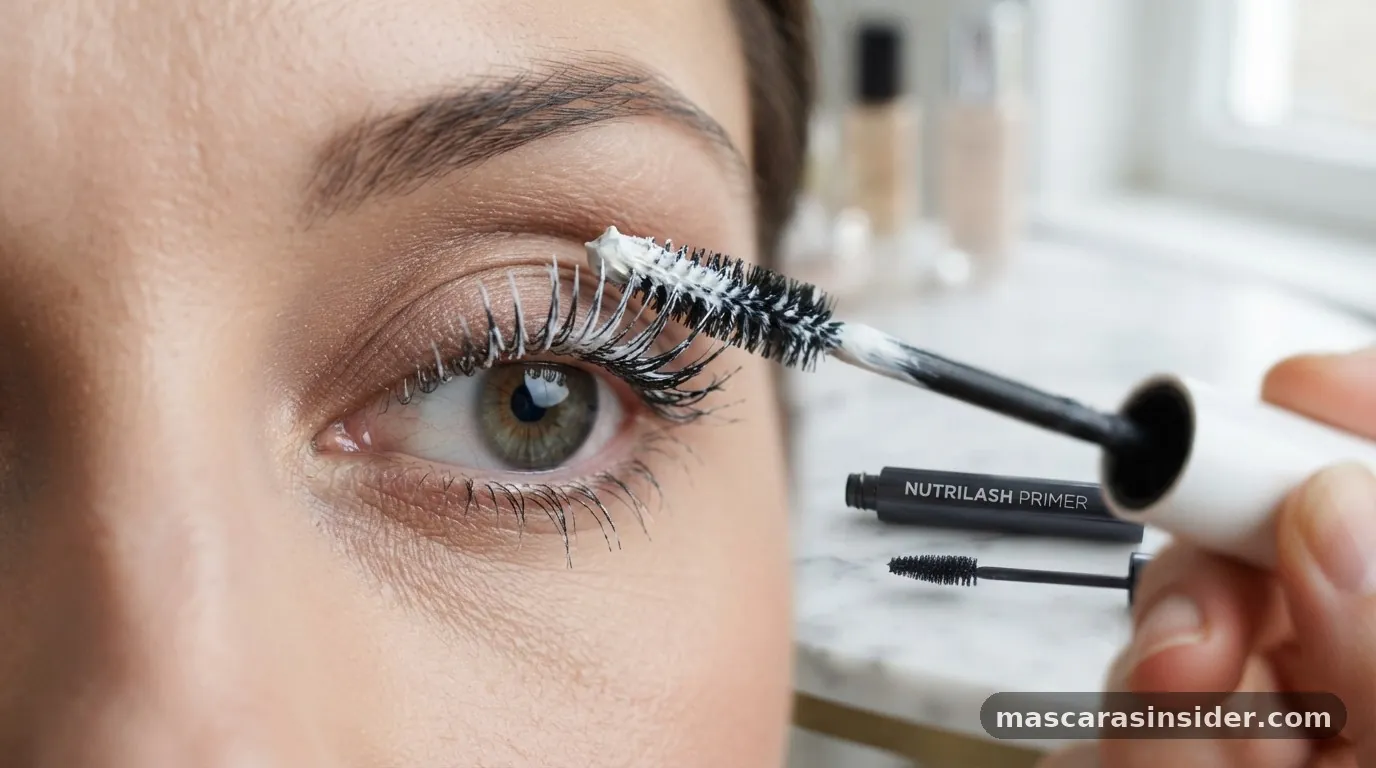
The ideal wait time for lash primer to set is roughly 30 seconds to one minute. This specific window is crucial because it allows the solvents in the mascara primer to evaporate, leaving behind a tacky film that acts as a bridge between your natural hairs and the pigmented mascara. If you rush the process, you are essentially mixing two wet formulas, which often results in a muddy, uneven application where the mascara slides right off the slick surface of the primer.
Conversely, if you wait too long—say, five minutes or more—the primer may become too brittle or set into a hard, rigid state. Once it reaches this stage, the subsequent coat of mascara cannot properly bond to the base, leading to flaking or a spidery appearance throughout the day.
Understanding the chemical interaction between these two products is key to mastering your eye makeup routine. Most primers contain conditioning agents, waxes, and polymers designed to coat the lash and provide a “scaffolding” effect. When you apply your chosen black mascara over this, the polymers in the primer grip the pigments in the mascara.
If you allow the primer to reach that perfect “tacky” state, you ensure maximum coverage and longevity. You aren’t just painting your lashes; you are constructing a structure that needs to remain flexible enough to move with your eyelids while being stable enough to hold the curl and volume you desire.
Why Drying Time Impacts Your Final Look
When you ask how long do you wait to apply mascara after primer, you are really asking how to achieve the best aesthetic result. If you apply the mascara while the primer is still very wet, you run the risk of the two formulas bleeding into each other. This often results in greyish, muted tones rather than the deep, intense black pigment you likely want.
Furthermore, wet-on-wet application makes it nearly impossible to define individual hairs. Instead of getting that fanned-out, sky high effect, you end up with heavy, weighed-down clumps that look unnatural and messy.
Properly timing the application also influences the overall volume length you can achieve. By letting the base set to that tacky, semi-dry state, you create a thicker diameter around each individual lash. When the mascara hits that tacky surface, it adheres instantly, locking in the added thickness rather than sliding down toward the tips of your lashes.
This is the difference between a professional, polished look and a rushed, amateur application. If you have ever wondered why your lashes seem to droop shortly after applying makeup, it is often because the weight of too much wet product was applied at once, causing them to lose their curl prematurely.
Optimal Application Techniques for Mascara Primer
1. Begin by curling your lashes to provide an initial lift.
2. Carefully pull the wand out of your eyelash primer tube, wiping off any excess product on the rim to prevent clumping.
3.
Apply the primer starting at the root, wiggling the brush back and forth, and pulling it through to the tips.
4. Set a timer or count to 30 seconds to allow primer to reach the perfect tacky consistency.
5.
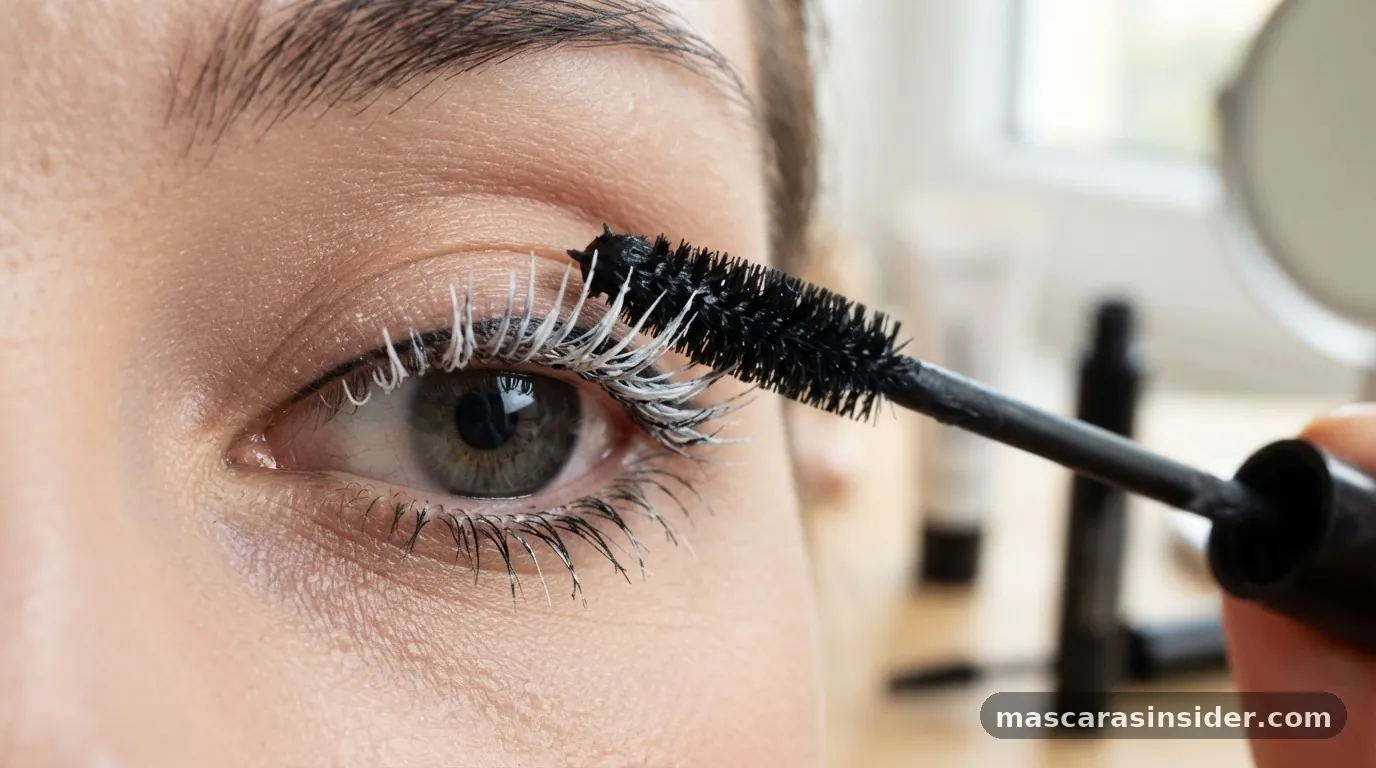
Use a high-quality volumizing mascara to coat the lashes, ensuring you cover the primer completely so no white base remains visible.
6. If you prefer a more dramatic look, wait another 30 seconds before applying a second coat of mascara.
Following these steps ensures that you get the most out of your products. Using a clean, high-quality wand helps separate the hairs during the application process, which is essential for a clean finish. Many people make the mistake of using a dirty or old brush, which can harbor bacteria and cause uneven distribution.
Remember that the goal is to create a seamless transition from the root to the tip. If you find that your lashes look “spiky” or uneven, it might be that your primer has dried too much, or perhaps you are using a formula that is inherently prone to clumping.
Comparing Primer Types and Their Needs
Not all primers are created equal, and their formulas dictate how they interact with your mascara. Some are designed to be conditioning, while others are purely for volume. The following table illustrates how different types of primers might affect your routine and the expected wait times.
| Primer Type | Primary Benefit | Recommended Wait Time |
|---|---|---|
| Conditioning/Clear | Hydration and health | 45 seconds |
| Volumizing/White | Maximum thickness | 30 seconds |
| Waterproof-compatible | Long-wear adhesion | 20 seconds |
As shown in the table, the specific chemistry of the product matters. Conditioning primers often contain oils or waxes that take slightly longer to set, whereas waterproof mascara-compatible primers are designed to be fast-acting to create a quick seal.
If you are using a washable mascara, you might find that it works best with a lighter, water-based primer. Always check the instructions on the packaging, as some manufacturers specifically formulate their products to be used in rapid succession, while others require a more patient approach to avoid smudging.
Addressing Common Topical Gaps
A common question that often goes unanswered is whether you can skip the primer if you are in a rush. While it is possible to wear mascara alone, you will notice that your lashes look significantly different without that initial base. The primer fills in the microscopic gaps along the hair shaft, which creates a more uniform surface.
Without it, your mascara has to work much harder to achieve the same level of impact. Furthermore, if you are using a lengthening mascara, the primer acts as an anchor, allowing the fibers in the mascara to cling to the tips of your lashes more effectively.
Another gap in knowledge concerns the color of the primer. Most people are familiar with white primers, but tinted versions are becoming increasingly popular. If you are using a black or brown tinted primer, the “white cast” problem is eliminated, which might lead you to believe you don’t need to wait as long to cover it.
However, the physical chemistry remains the same. Even if you can’t see the primer, the need for it to become tacky is still there.
If you don’t wait for that tacky phase, you are still risking the same clumping issues, even if the color mismatch isn’t as obvious. You can find more detailed information on eye health and makeup safety through the American Academy of Ophthalmology regarding the importance of keeping your tools clean and replacing products regularly.
Troubleshooting Clumping and Flaking
If you find that your makeup is flaking by midday, it is almost certainly a result of the primer-to-mascara bond failing. This failure occurs when the two layers do not adhere to each other properly, usually because the primer was applied too thick or the wait time was completely ignored. To troubleshoot this, start by using less product.
Many people apply primer like they are painting a wall; in reality, you only need a thin, even coat. If you feel like you have applied too much, use a clean spoolie brush to comb through your lashes before the primer sets. This removes excess product and ensures that the lashes are separated.
Another culprit for flaking is the age of your products. Both your primer and your mascara have a shelf life, usually three months after opening. As these formulas age, they lose their elasticity and moisture.
A dried-out primer will become crumbly, and a dry mascara will not be able to grip the primer, resulting in fallout under your eyes. If you are doing everything right—waiting the recommended 30 seconds and applying a thin coat—but still experiencing issues, it is time to cycle out your products for fresh ones.
Frequently Asked Questions
Do I really need to let the primer dry?
Yes, letting the primer reach a tacky state is essential. If you apply your mascara while the primer is fully wet, the two formulas will mix, leading to clumping, smudging, and a lack of volume. Waiting about 30 seconds ensures the best structural bond.
Can I use a mascara primer with waterproof mascara?
You can, but ensure your primer is compatible with waterproof formulas. Some standard primers may break down the waterproof barrier, causing it to smudge. Always look for a primer that is specifically labeled as safe for use with long-wear or waterproof products.
What happens if I wait too long to apply mascara?
If you wait several minutes, the primer will dry completely and become brittle. When you apply mascara over a fully dried, rigid primer, the mascara cannot bond to the surface, which almost always leads to flaking or “spider leg” lashes throughout the day.
Is it okay to use only mascara primer?
While you can wear it alone, most primers are not designed for standalone use. They are usually white or tinted in a way that doesn’t provide a finished, dark look. Using them without mascara will leave your lashes looking grey, sparse, or unfinished rather than defined.