
Achieving perfectly separated, fluttery lashes without the dreaded “spider leg” effect is the holy grail of eye makeup. If you have ever wondered how to keep mascara from clumping, you are not alone; it is one of the most common frustrations in beauty routines.
Clumpy mascara often stems from a combination of old product, poor application technique, or simply using the wrong formula for your specific lash type. By adjusting how you handle your tube and how you move your wand, you can transform your look from messy to professional in seconds.
Mastering the Application Technique
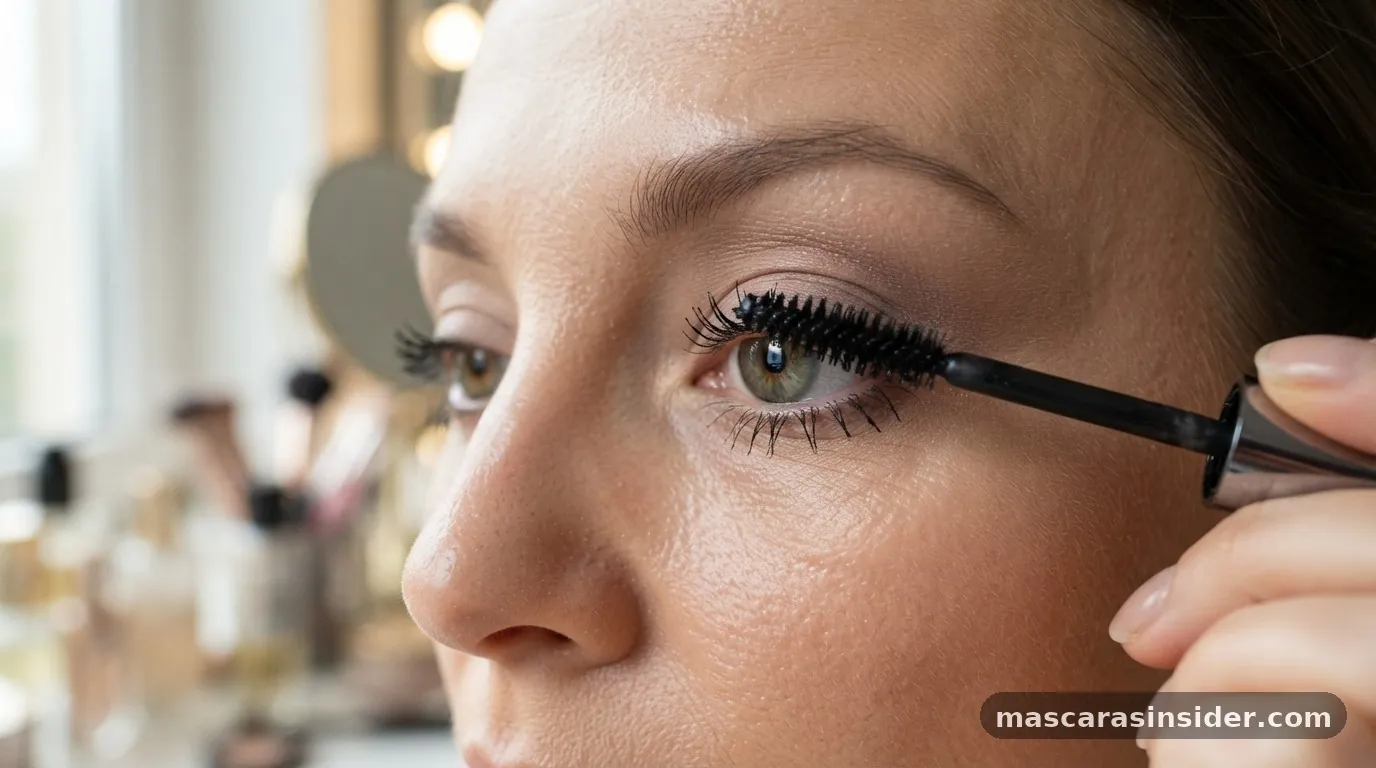
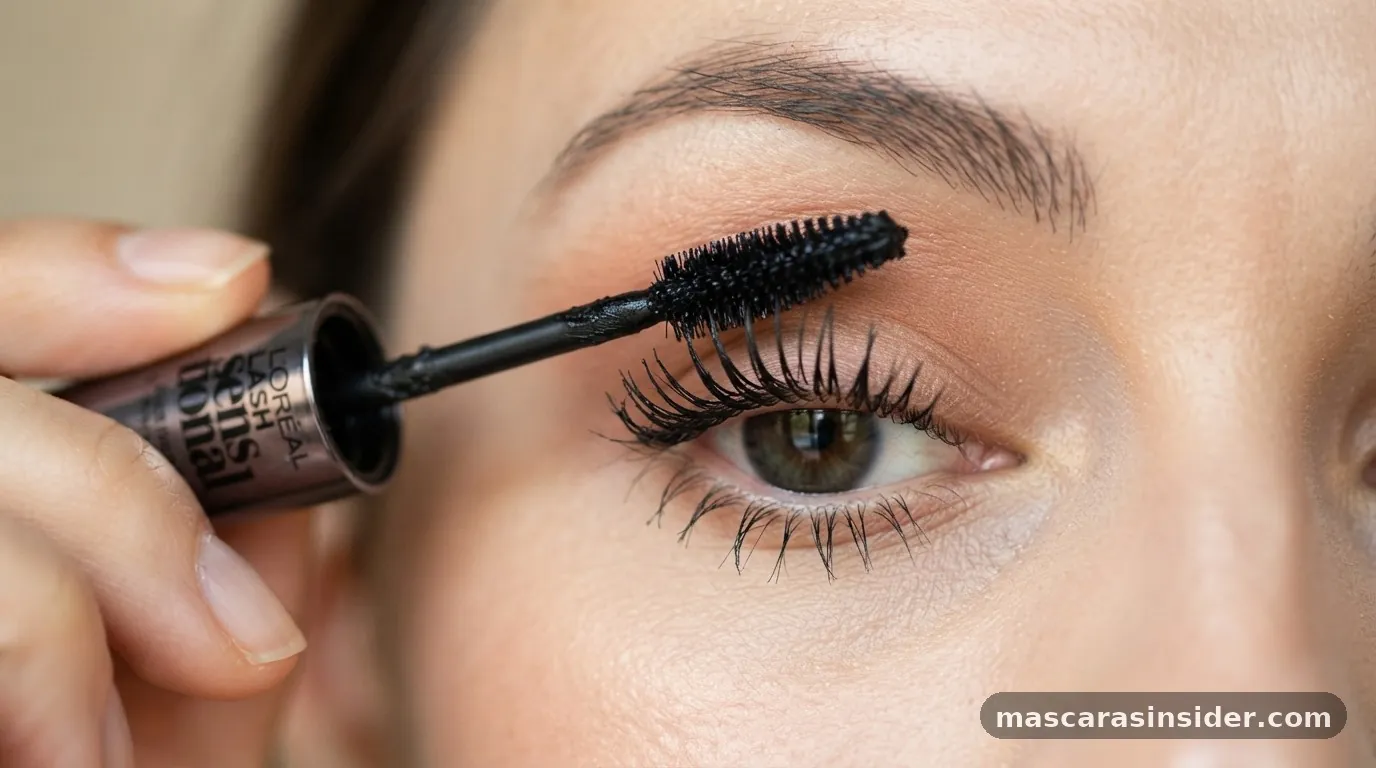
The most effective way to keep mascara from clumping is to master the specific motion used during application. Many people pull the wand straight out and drag it up, which deposits too much pigment at the base and leaves the tips bare. Instead, you should use the “wiggle” method.
Start at the very base of your lashes, pressing the brush into the roots to provide structural support, and then wiggle the wand back and forth as you pull it upward. This specific technique separates the lashes at the root, ensuring that the formula is distributed evenly along the entire length of the hair rather than gathering in heavy, wet clumps.
If you find that your lashes still look uneven, consider the angle of your brush. Most high-quality mascara wands are designed to be held horizontally, but if you are trying to reach the tiny, delicate hairs in the inner or outer corners of your eye, turn the wand vertically. Using just the tip of the brush allows for surgical precision, helping you coat those hard-to-reach lashes without overloading the center of your eye.
Remember that less is often more. If you want high volume, it is better to apply two thin, light coats than one thick, heavy layer that never quite dries down.
Managing Your Mascara Tube and Wand
The way you interact with your mascara tube significantly impacts the product’s longevity and performance. A common mistake is “pumping” the wand in and out of the tube to get more product. This habit actually forces air into the container, which causes the formula to dry out prematurely and promotes the buildup of clumpy mascara.
Instead of pumping, gently swirl the wand inside the tube to pick up the desired amount of product. If you feel like there is too much on the brush when you pull it out, wipe the excess off on a clean tissue or the rim of the tube before you bring it anywhere near your eyes.
Keeping your brush clean is equally vital. Over time, dried product builds up on the bristles, causing them to clump together and lose their ability to separate your lashes. Once a week, take a moment to wipe your wand with a makeup wipe or a bit of gentle eye makeup remover to strip away the old, crusty residue.
A clean brush is one of the most underrated tools in any makeup kit. By maintaining the integrity of the bristles, you ensure that every application is fresh and smooth. If your wand is permanently caked with old product, it might be time to replace it or use a disposable spoolie for a more controlled, hygienic application.
The Role of Formula and Expiration
Not all mascaras are created equal, and sometimes the issue is the product itself. If you notice your mascara is clumping right out of the tube, the formula might be too thick or perhaps it is reaching the end of its life. Mascara is the shortest-lived item in your beauty bag.
Experts generally recommend replacing your mascara every three months to prevent bacterial growth and ensure the formula remains at its optimal consistency. You can learn more about eye cosmetic safety by checking official resources that explain why expiration matters.
If you have a brand-new tube that feels too thick, the formula might just need a little warmth. You can place the closed tube in a cup of warm water for a few minutes to soften the wax components inside, which helps the mascara glide on more smoothly. However, if you are struggling with a formula that is inherently prone to clumping, look for “lengthening” or “defining” mascaras rather than “volumizing” ones.
Volumizing formulas contain more waxes and thickeners, which are naturally more likely to create clumps. Defining formulas are generally thinner and designed to coat each lash individually without adding unnecessary bulk.
Preparing Your Lashes Before Application
Foundation for your eyes is just as important as it is for your face. Before you even think about applying mascara, ensure your lashes are clean and free of leftover oils or moisturizer.
If your lashes are coated in residual face cream or natural oils, the mascara will have a harder time gripping the hair, leading to sliding, smearing, and clump formation. A quick swipe of a cotton pad soaked in micellar water across your lids and lashes can remove these oils, providing a clean canvas that helps the product adhere properly.
Curling your lashes is another essential step that changes the overall look and prevents clumping. When you curl your lashes before applying mascara, you create a natural lift that separates the lashes from the skin, making the application process much easier. If you try to curl your lashes after the mascara has dried, you risk pulling them out or causing the product to crack and clump.
Always curl on clean, dry lashes, and hold the curler for about ten seconds. This creates the perfect base for the brush to slide through, ensuring a smooth, clump-free finish every single time.
How to Fix Clumps When They Happen
Even the best makeup artists encounter the occasional clump. If you finish your makeup and realize your lashes look a bit spidery, do not panic and reach for a makeup wipe to start over. Instead, keep a clean, dry spoolie brush or a metal lash comb on hand.
These tools are lifesavers. While the mascara is still slightly damp, gently comb through your lashes from the root to the tip. The comb will pick up the excess product and separate the hairs, instantly smoothing out the appearance of your eye makeup.
If the mascara has already dried, use a very light hand. You might want to dampen your spoolie with a tiny drop of water or a specialized lash primer to help loosen the dried clumps without removing the entire coat. Never try to add more mascara to already dry, clumpy lashes.
This will only add layers of heavy, wet product on top of the existing mess, making the situation significantly worse. By following a systematic approach to cleaning and separating, you can rescue your look without having to redo your entire face.
Comparing Common Mascara Issues
Understanding the root cause of your mascara struggles can help you troubleshoot effectively. Below is a comparison of common issues and their primary causes, which can help you identify if you need a new technique or a new product.
| Issue | Primary Cause | Recommended Fix |
|---|---|---|
| Spider-like clumps | Too much product on the brush | Wipe the wand on a tissue before applying |
| Flaking | Mascara is expired or too dry | Replace the tube every 3 months |
| Lashes sticking together | Poor separation technique | Use the “wiggle” motion at the root |
| Smudging | Oils on the eyelid | Clean lashes with micellar water first |
Addressing Topical Gaps and Common Misconceptions
Many people believe that waterproof mascara is always the best way to prevent clumping, but that is not necessarily true. While waterproof formulas are excellent for holding a curl and resisting moisture, they are notoriously difficult to remove. If you do not remove them thoroughly, the residue left behind can cause your lashes to become brittle and clumpy the next day.
If you struggle with clumping, a tubing mascara might be a better alternative. Tubing formulas create tiny, water-resistant “tubes” around each individual lash rather than painting them with traditional pigments. Because they encapsulate the lash, they are incredibly resistant to clumping and smudging, yet they wash off easily with warm water.
Another common gap in knowledge is the impact of lash primers. Many people skip this step, but a good primer acts as a smooth base that separates the lashes before the colored mascara is even applied.
It acts like a coat of paint primer, ensuring that the mascara glides on evenly and stays in place. If you have naturally thin or sparse lashes, a primer can also provide extra volume, allowing you to use less mascara overall, which is the ultimate secret to avoiding that heavy, clumpy look.
When considering the environment, remember that temperature plays a role. If you live in a very hot climate, your mascara might thin out and become messy, whereas, in a cold climate, it might thicken and clump faster.
Keeping your makeup in a cool, dry place—not the bathroom, where humidity fluctuates—will preserve the consistency of the formula for longer. Ultimately, the goal is to treat your lashes with care and respect the limitations of the products you use.
Frequently Asked Questions
- How often should I clean my mascara wand to prevent clumping? You should clean your mascara wand at least once a week. Removing the buildup of old, dried product ensures that the bristles can effectively separate your lashes during each application, leading to a much smoother, clump-free finish every time you do your makeup.
- Is it okay to add water to a dry tube of mascara? It is generally not recommended to add water to your mascara. Doing so can introduce bacteria into the tube and alter the preservation system, which may lead to eye infections. If your mascara is dry, it is time to replace it with a fresh tube.
- Why does my new mascara clump immediately? New mascara is often very wet and highly pigmented, which can lead to clumping if you apply too much. Try wiping the excess product off the wand onto a tissue before you apply it to your lashes to ensure you are using just the right amount of product.
- Does the type of mascara wand affect clumping? Yes, the wand shape matters significantly. Plastic bristles are generally better at separating and defining lashes, while dense, fiber-bristled brushes are better for volume. If you struggle with clumping, look for a wand with widely spaced, firm plastic bristles to help comb through your lashes during application.