
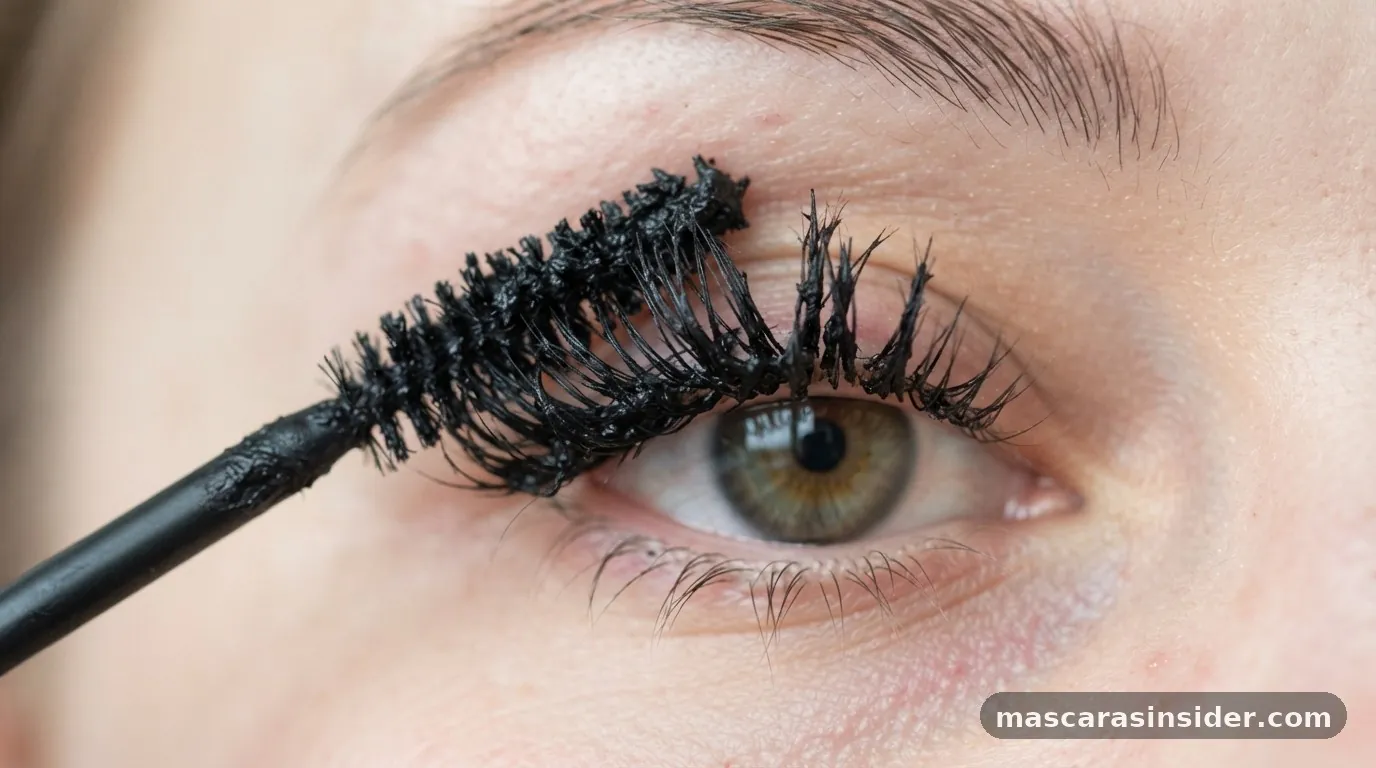
The short answer is no, you should generally avoid applying traditional mascara to your lash extensions. While the temptation to add extra drama to your eyes is understandable, the chemical composition of standard makeup products poses a significant risk to the longevity and health of your extensions.
Many people ask if they can apply these products because they want to extend the time between fills or achieve a specific bold look. However, the structural integrity of your extensions depends on the adhesive bond, which is highly sensitive to external ingredients.
When you invest in professional lash extensions, you are paying for a semi-permanent aesthetic enhancement. Applying heavy, oil-based, or waxy substances directly onto these synthetic fibers can compromise the glue, leading to premature shedding, clumping, or even eye irritation.
If you find yourself constantly feeling like your lashes aren’t dark or thick enough, it is usually a sign that you need a professional touch-up rather than a layer of makeup. Understanding why these products are incompatible is the first step toward maintaining a flawless, long-lasting look that remains safe for your natural lashes.
Why Standard Mascara Damages Lash Extensions
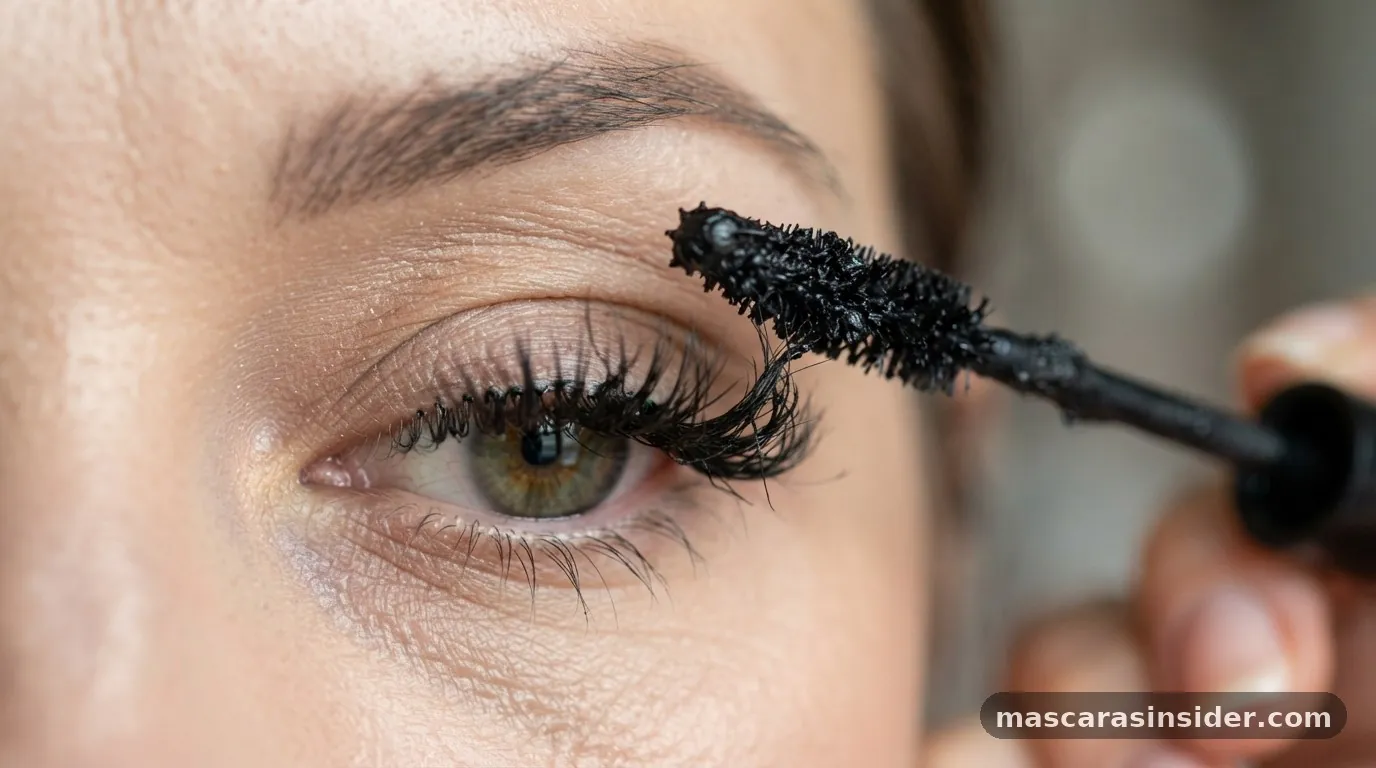
Standard mascara is formulated with heavy waxes and oils designed to coat, thicken, and lift natural lashes, but these same properties are catastrophic for lash extensions. Most standard mascaras contain oils, waxes, leading to fallout by breaking down the cyanoacrylate-based adhesive used by lash technicians. Once the adhesive bond begins to degrade, the extensions will slide off your natural hair, often taking the natural lash with them.
Beyond the chemical breakdown, the physical weight of traditional mascara is a major concern. Extensions are precisely weighted to ensure they don’t pull on your natural follicles.
When you add a thick, viscous layer of pigment on top of an existing extension, you create unnecessary tension. This added weight can cause the extension to twist, droop, or pull prematurely, which results in unsightly gaps in your lash line.
Furthermore, the mechanical process of removing mascara is just as harmful as the product itself. Because mascara is designed to be water-resistant or smudge-proof, it requires vigorous rubbing or harsh makeup removers to dissolve. This tugging motion is the number one cause of physical damage to lash extensions.
Even if you are gentle, the friction required to clean mascara off synthetic fibers is far higher than the friction required to clean bare extensions. Over time, this daily stress significantly reduces the lifespan of your set, forcing you to book more frequent and expensive maintenance appointments.
The Risks of Oil-Based Ingredients
The primary enemy of a strong lash extension bond is oil. Most commercial mascaras rely on a base of mineral, or essential oils, to keep the formula smooth and flexible.
While these ingredients are great for conditioning natural lashes, they act as a solvent for the medical-grade adhesives used in the lash industry. Even a tiny amount of oil residue can seep into the base of the extension, causing the glue to lose its grip almost immediately.
When you apply mascara, you are essentially coating the adhesive bond with a substance that actively works to dissolve it. This doesn’t just happen at the moment of application; the oil can migrate down the lash shaft throughout the day as your body heat warms the product. This migration is often invisible to the naked eye until you wake up to find several extensions missing on your pillow.
Many people mistakenly believe that “waterproof” mascara is a safe alternative because it doesn’t run. In reality, waterproof formulas are often the most damaging because they require heavy-duty oil-based cleansers to remove. If you have any doubt about the ingredients in your beauty bag, you should check the label for terms like “isododecane,” “petrolatum,” or “castor oil.”
If you see these, keep them far away from your lash line. Avoiding these ingredients is the most effective way to ensure your extensions remain secure until your next refill appointment.
How to Identify Compatible Formulas
If you absolutely must use a cosmetic product on your lashes, you must focus on Selecting Compatible Formulas that are specifically designed for extensions. These products are typically water-based and formulated to avoid the heavy waxes that cause clumping. When shopping, look for labels that explicitly state they are “oil-free,” “extension-safe,” or “water-based.”
1. Check the ingredients list for water as the first ingredient.
2. Ensure the formula is free from oils, waxes, and silicones.
3.
Verify that the product is designed for easy, gentle removal.
4. Test the product on a small area before full application if you have sensitive skin.
While these products are safer, they are still not recommended for daily use. Think of them as a “special occasion” item rather than a staple. Even extension-safe mascara requires more cleaning effort than a bare lash, and any extra manipulation of the lashes increases the risk of premature shedding.
If you find that you need mascara to make your extensions look “done,” it is worth discussing your preferences with your lash technician. They may be able to adjust the volume, curl, or length of your set during the next application to better suit your aesthetic goals.
Best Practices for Application and Maintenance
If you choose to use an extension-safe mascara, you need to follow strict Best Practices for Application to minimize damage. The most important rule is to avoid the base of the lashes entirely.
Focus on the Tips of the extensions rather than the root. By keeping the product away from the adhesive bond, you significantly reduce the risk of the glue breaking down or clumping at the base.
Application and Care Checklist
- Apply mascara only to the tips of the extensions, starting about halfway up the lash.
- Use a clean, disposable spoolie to brush through the lashes immediately after application to prevent clumping.
- Avoid applying multiple coats, as this adds unnecessary weight and makes the lashes brittle.
- Ensure you are not sleeping on your face, which can cause the mascara-coated lashes to bend or break.
- Schedule your professional lash fills every 2 to 3 weeks to keep the set looking full without needing extra makeup.
Maintaining your lashes requires a consistent routine. This includes daily cleansing to remove dust, natural oils, and environmental debris that can accumulate at the lash line. Using a lash-specific cleanser is non-negotiable.
Many experts recommend a foaming cleanser that is pH balanced for the delicate eye area. You can find detailed instructions on proper care at the FDA’s official guide on eye cosmetic safety to understand why hygiene is vital for preventing infections and maintaining lash health.
Alternatives to Mascara
Because the risks associated with mascara are so high, many lash enthusiasts look for better ways to achieve a bold look. If you feel like your extensions are lacking, there are several effective Alternatives to Mascara that provide the drama you want without the damage.
The most popular option is using Lash Sealants: A clear, protective coating that acts as a barrier against moisture, oil, and dust. A clear sealant can extend the life of your extensions by “locking in” the adhesive bond and keeping the synthetic fibers smooth and clean. Many sealants also have a slightly glossy finish, which gives the lashes a fresh, “just-applied” look even when they are a week or two old.
Another excellent alternative is a professional lash tint. If your natural lashes are light, they can sometimes look sparse at the base of your extensions. Tinting your natural lashes before your extension appointment can create a darker, more cohesive look that eliminates the need for any makeup.
Finally, consider switching your extension style. If you want a denser look, ask your technician about “volume” or “mega-volume” sets, which use thinner, lighter synthetic fibers to create a fuller, darker appearance without the weight of mascara.
Addressing Common Misconceptions
A common question is whether you can use mascara on cluster lashes or lash lifts. The answer remains largely the same: avoid it if you want to keep your results.
Cluster lashes are often held on with temporary glue that is even more sensitive to oils than professional extension adhesive. Using mascara on these will almost certainly result in the clusters falling off within hours.
Regarding lash lifts, applying mascara is generally acceptable once the initial 24-hour setting period has passed. However, it is still recommended to use a gentle, water-based formula.
Because a lift is a chemical process on your natural hair, the lashes are more porous and can be more easily damaged by heavy, waterproof formulas. Always prioritize the health of your natural hair, as that is the foundation for all your future lash enhancements.
Comparison of Lash Enhancement Methods
| Method | Risk Level | Maintenance | Longevity |
|---|---|---|---|
| Professional Extensions | Low (if maintained) | High (daily cleaning) | 3-4 weeks |
| Lash Lift + Tint | Low | Low | 6-8 weeks |
| Mascara on Extensions | High | Very High | 1 week or less |
By following these guidelines, you can ensure your lash extensions remain a luxury rather than a chore. The goal of getting extensions is to simplify your morning routine, not add to it.
If you find yourself reaching for the mascara every day, it is a clear signal that your current lash style is not hitting your desired aesthetic. Communicate with your lash artist, prioritize gentle cleansing, and keep the oil-based makeup away from your eyes to preserve your investment.
FAQ Section
Can I use waterproof mascara on my lash extensions?
No, you should never use waterproof mascara on lash extensions. These formulas are specifically designed to be removed with oil-based cleansers, which will dissolve the lash adhesive immediately. Additionally, the stiff nature of waterproof mascara makes it impossible to remove without causing significant damage to the extensions.
How often should I clean my lash extensions?
You should clean your lash extensions at least once every day, or more often if you have oily skin or wear makeup. Using a dedicated, oil-free lash cleanser prevents the buildup of dust, sweat, and natural oils, which are the primary causes of premature extension shedding.
What happens if I accidentally get mascara on my extensions?
If you accidentally apply mascara, do not panic. Use a gentle, oil-free lash cleanser and a soft, clean brush to carefully clean the lashes. Never pull or rub the extensions. If the mascara has already dried and hardened, it is best to leave it alone and schedule a professional cleaning or fill.
Can I wear eyeliner with my lash extensions?
Yes, but you must use an oil-free, liquid, or felt-tip eyeliner. Avoid pencil liners, which contain waxes and oils that can transfer to the lash base and weaken the glue. Always ensure your eyeliner is completely removed at the end of the day using an oil-free makeup remover.